
Empowering People | Building Leaders
sonal mehta
Hi there, and welcome!I'm passionate about all aspects of leadership, and through this site, I hope to share my philosophy and connect with others on their own leadership journeys. Whether through mentoring, coaching, or simply being a thought partner, my goal is to grow together and inspire meaningful leadership in every form.Leadership has always felt like home to me, though understanding why it resonates so deeply, continues to be a journey. Over the years, I’ve worn many leadership hats across Project , Release , Test, Product and Engineering Management. Through it all, the constant thread has been people—mentoring, coaching, and growing leaders and teams—which brings me the most fulfillment. In my last role I served as Director of Engineering before I decided to take a break from the 9-5. This pause is a chance to reflect, reconnect, and see what new paths might unfoldOn the personal side, I’m a creatively inclined soul. While you won’t see my name on a gallery wall anytime soon, I’ve dabbled in beading, jewelry making, pottery, carpentry, wood carving, photography, knitting, oil pastels, mandalas—you name it. I’m also an avid reader, a music lover, and currently learning to play the Alto Sax (one honk at a time!).As a software developer at heart, I love experimenting with technology. Visit my Tech page to see what I’ve been working on. Feel free to download the app on your favorite device and let me know what you think—I’d love to hear your thoughts!My husband and I live in the suburbs of Atlanta. With our two kids in college who keep us grounded, and constantly learning, we have a lot of time on our hands for our hobbies.Building future leaders, one at a time, is not just my work—it's my calling. I'd love for you to explore the leadership philosophy that inspires how I lead.***I am taking on mentees right now, especially if you are a first time leader or aspire to get into leadership.
You can check out my offerings on www.pumpkinjar.com ***
leadership
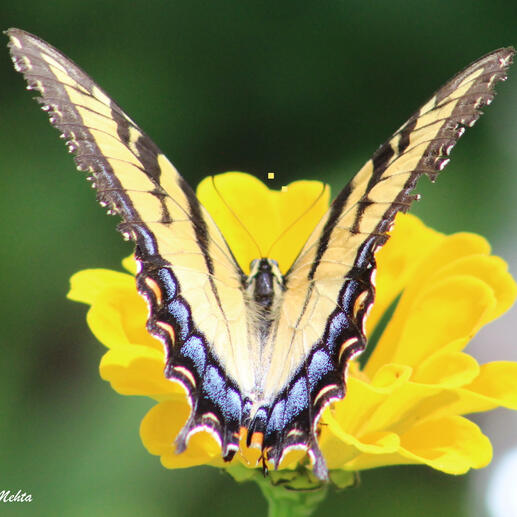
A Few Lessons on Leadership I've Learned Along the Way
People First
Take care of people, and results will follow
Catch people doing the RIGHT thing—recognition fuels motivation
Be kind. Give feedback—both are essential
Foster a fun environment for your team—when people enjoy at work, they achieve much more
TRUST, once broken, is hard to rebuild
Stand by your people. Have their backs
Relationship & Network Building
Build meaningful relationships and nurture your network. Relationships are for life; don’t let them fade. A strong network is a cornerstone of professional success. Do not let your network die
Not everyone deserves your continued time and energy. Be thoughtful about whom you choose to help
Communication & Expectation setting
Set expectations early with every member of your team. Clarity builds trust and accountability
Qualify your feedback. All feedback is valuable, but not all of it is actionable
Personal Growth & Resilience
Always have a backup plan
Sometimes, the only way to the other side is through—face the hard things
Don’t deny yourself the emotion, but temper your reaction
Give yourself permission to fail—because you will. What matters is what you learn from it
Find the balance between complacency and fear—it is the productive state of discomfort where growth happens
Define success on your own terms. It won’t always align with others' definitions—and that’s okay
Stay true to your values
None of this is revolutionary, but I believe we've lost sight of the simple things that make a good leader great.
My hope? That we all strive to reach the greatness that already lives within us.Whether you are an aspiring/seasoned leader or looking for a thought partner or mentor; if these values resonate with you and you would like to chat more, head over to www.pumpkinjar.com to get some time with me!
2021
2022
2023
Download my apps
Daily Checklist
Todo Made easy

Stay organized and on top of your daily tasks with a simple, intuitive task management app designed to help you build better habits and never miss important reminders
Available to download on
Pumpkin Jar Arcade
Daily Anagram Puzzles

An intelligent plant care companion - powered by AI and trained on thousands of real world plant conditions to detect health of your plant within seconds.
Available to download on
Plant IQ
Diagnose plant problems instantly

A fresh, fast and beautifully simple way to challenge your brain. Whether a casual player or a word-game addict, the clean gameplay keeps you focused while the puzzles keep you thinking.Text
Available to download on
One time purchase. No Ads
send an email
~ when on a sabbatical ~
All pictures and videos are copyrighted.
Thanks for respecting and not reproducing them
Late last year, I decided it was time to step away from the everyday 9–5 and simply spend some time being. There was a time when the challenges of work were invigorating, and my ambitions fueled the drive toward the next big thing. But there also comes a moment when you need to pause—take a breath—and exist fully in the present.No deadlines. No meetings. No next big challenge to conquer. Instead, the joy of waking up at leisure and savoring 45 unhurried minutes over that first cup of tea.I left my job in January, and the past nine months have been pure bliss. From traveling, to devouring stacks of books, to diving into old and new hobbies—it’s been a season of exploration and restoration.I don’t yet know what 2026 will bring, but 2025 has been a year of rest, renewal, and rediscovery. Here are some snapshots of the non-tech side of life that have filled my days with meaning and joy.
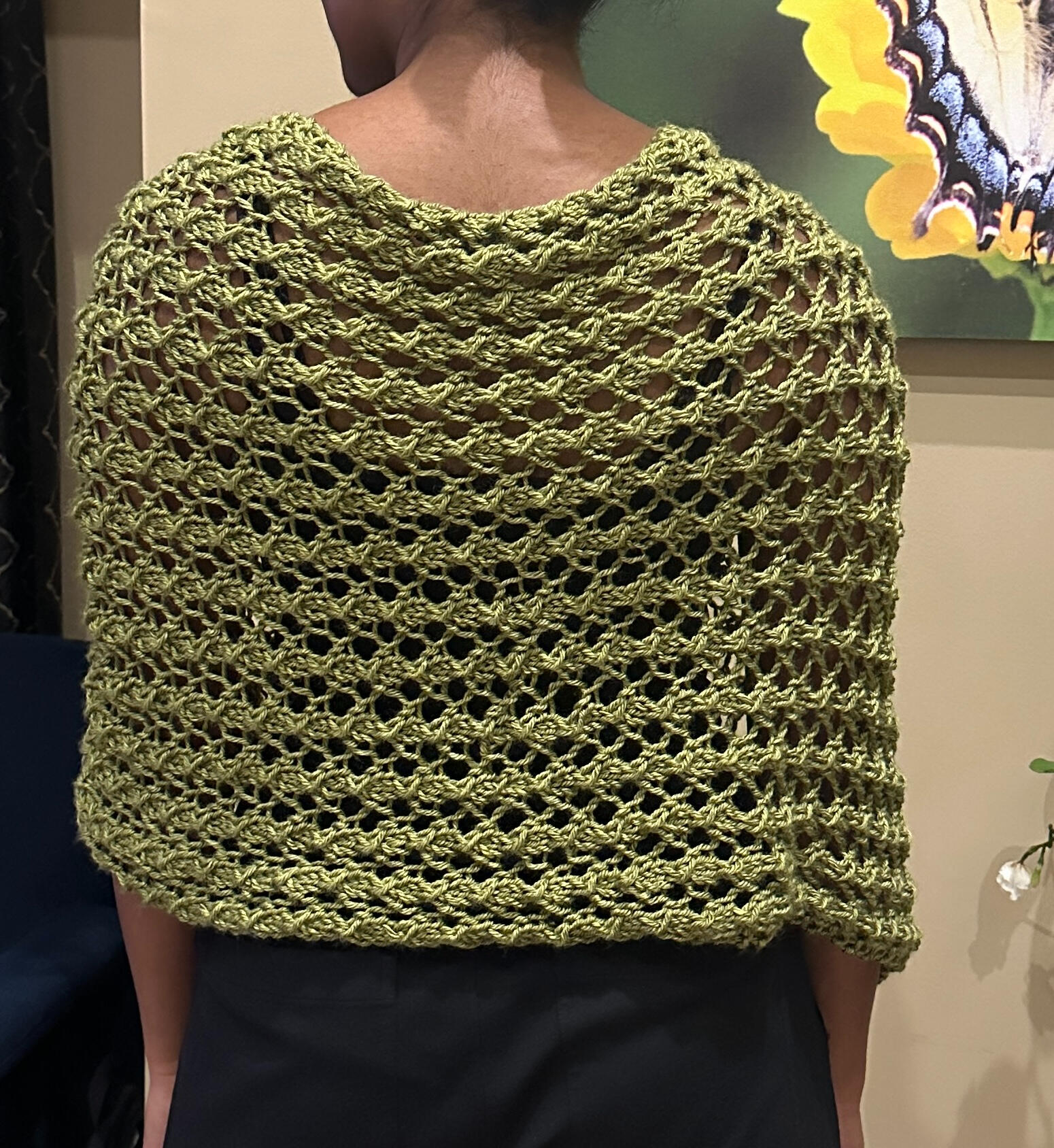
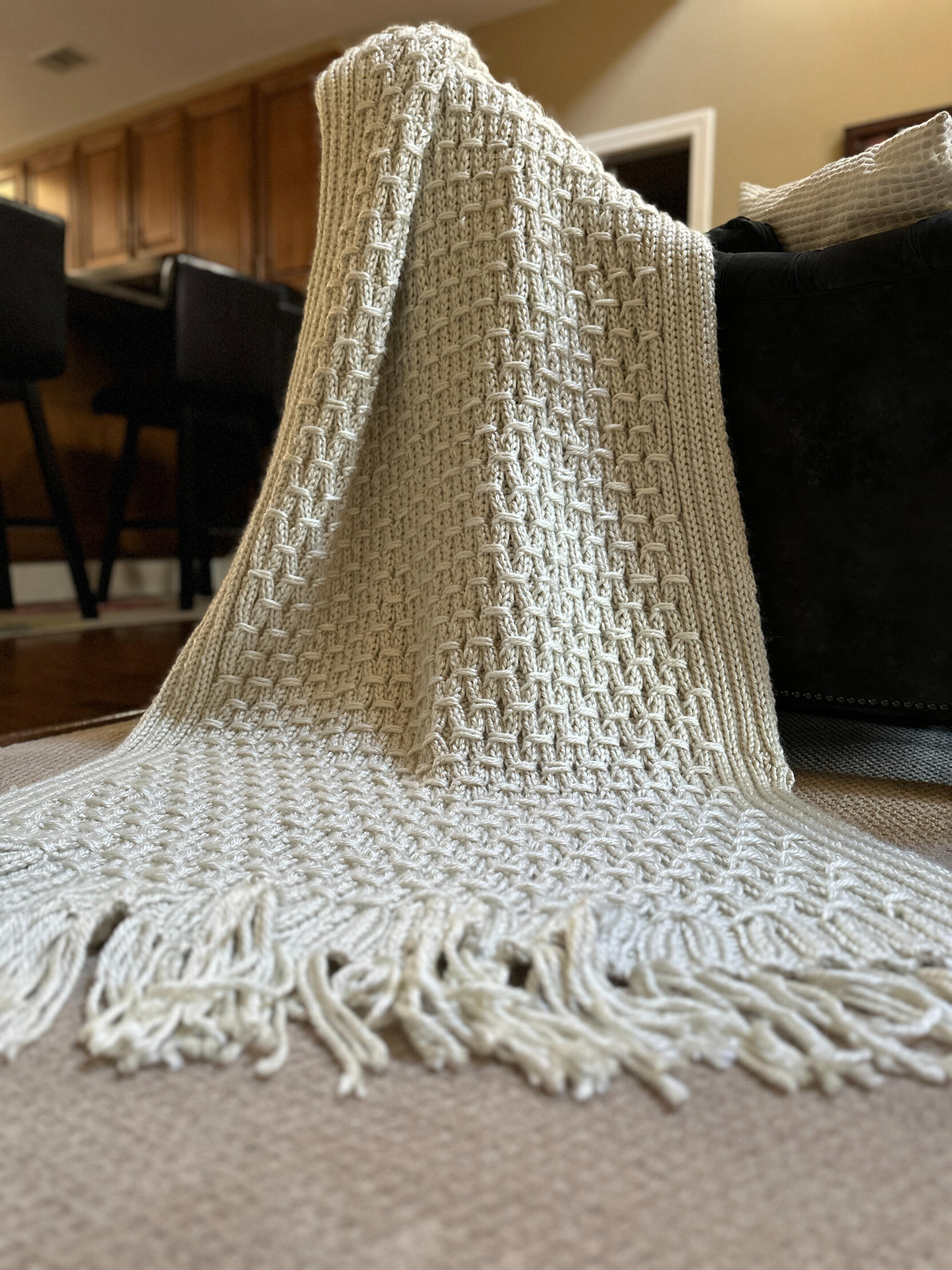
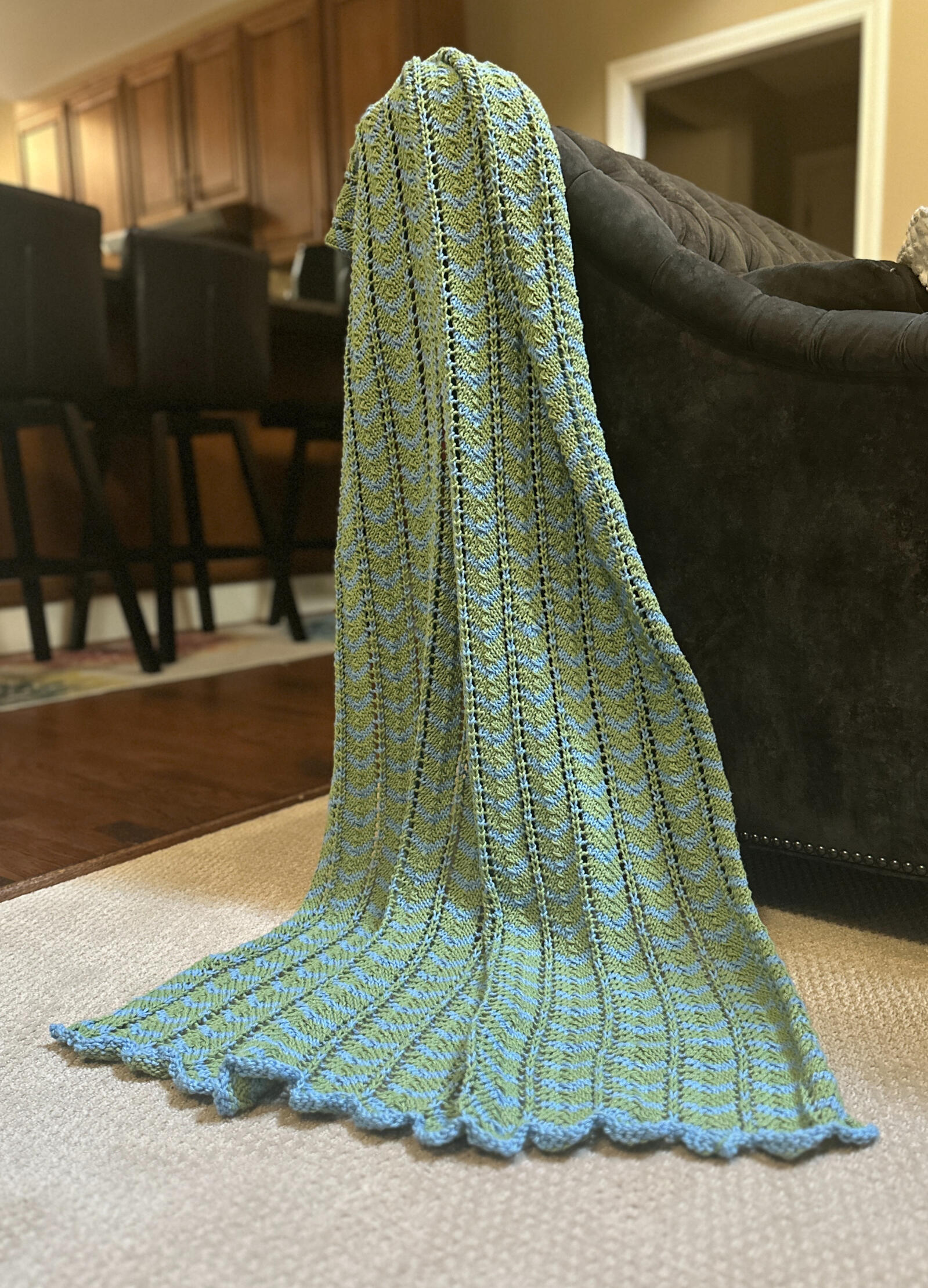
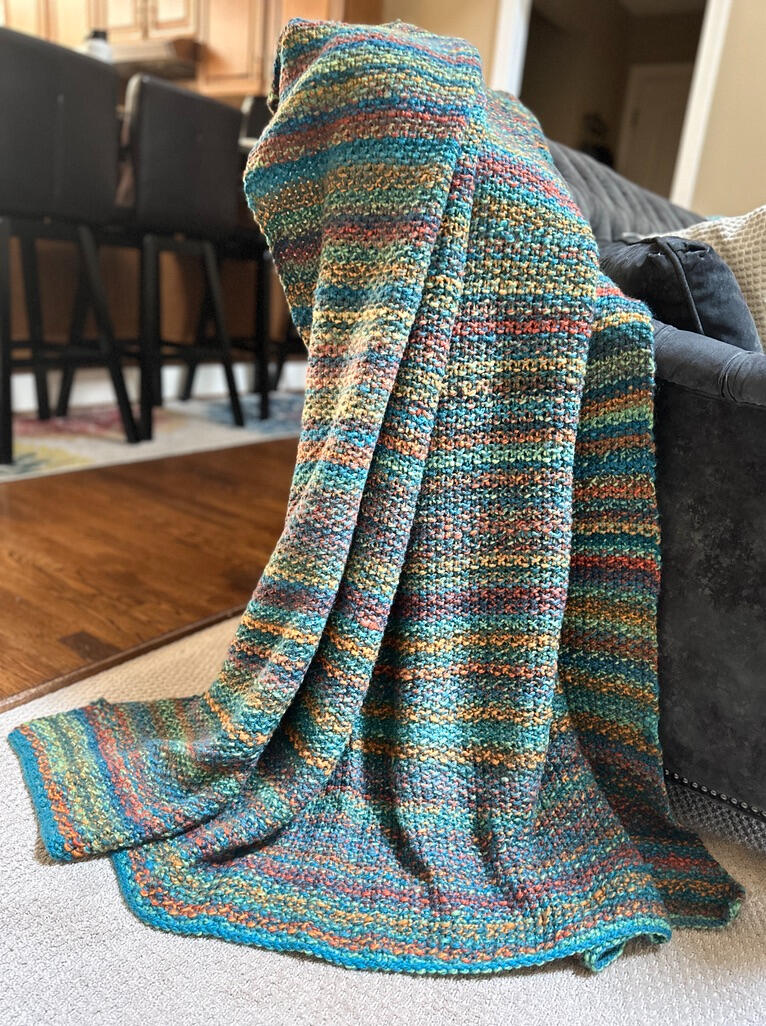
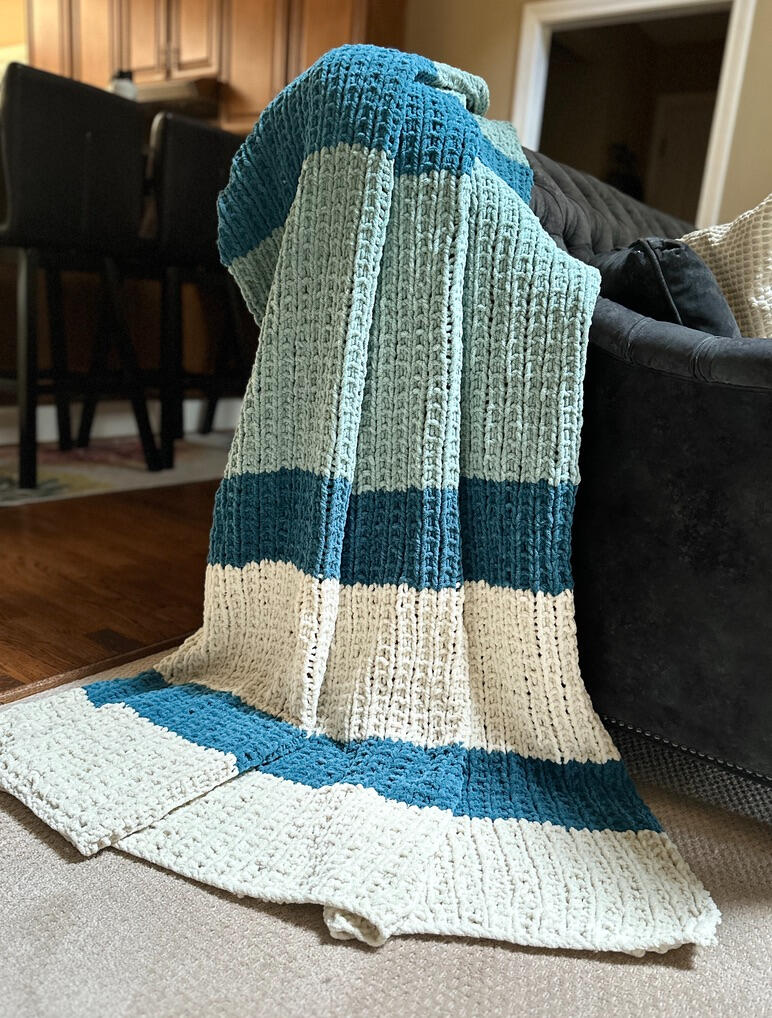
Hobbies - knitting
Ponchos

throw rugs and blankets


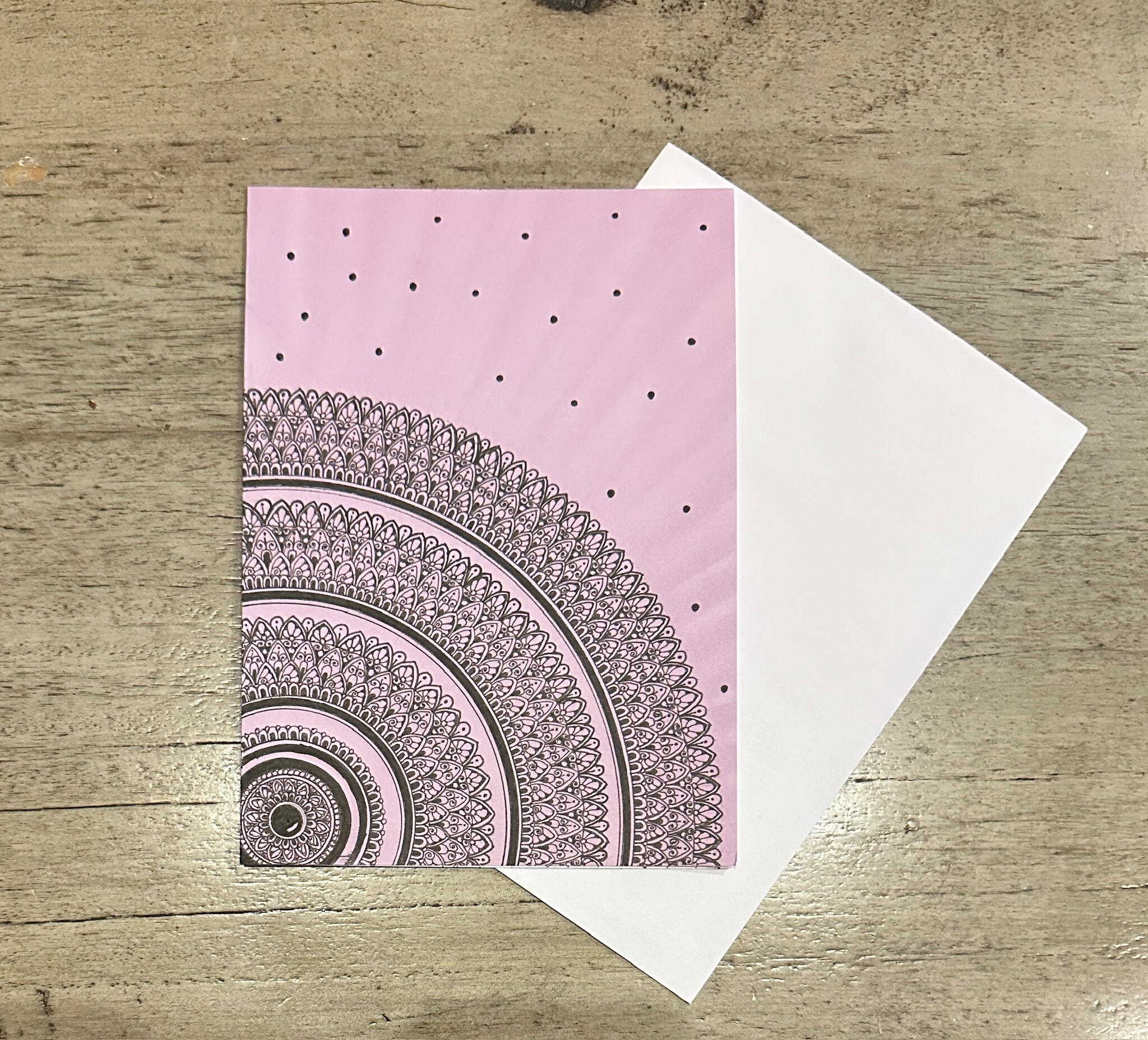
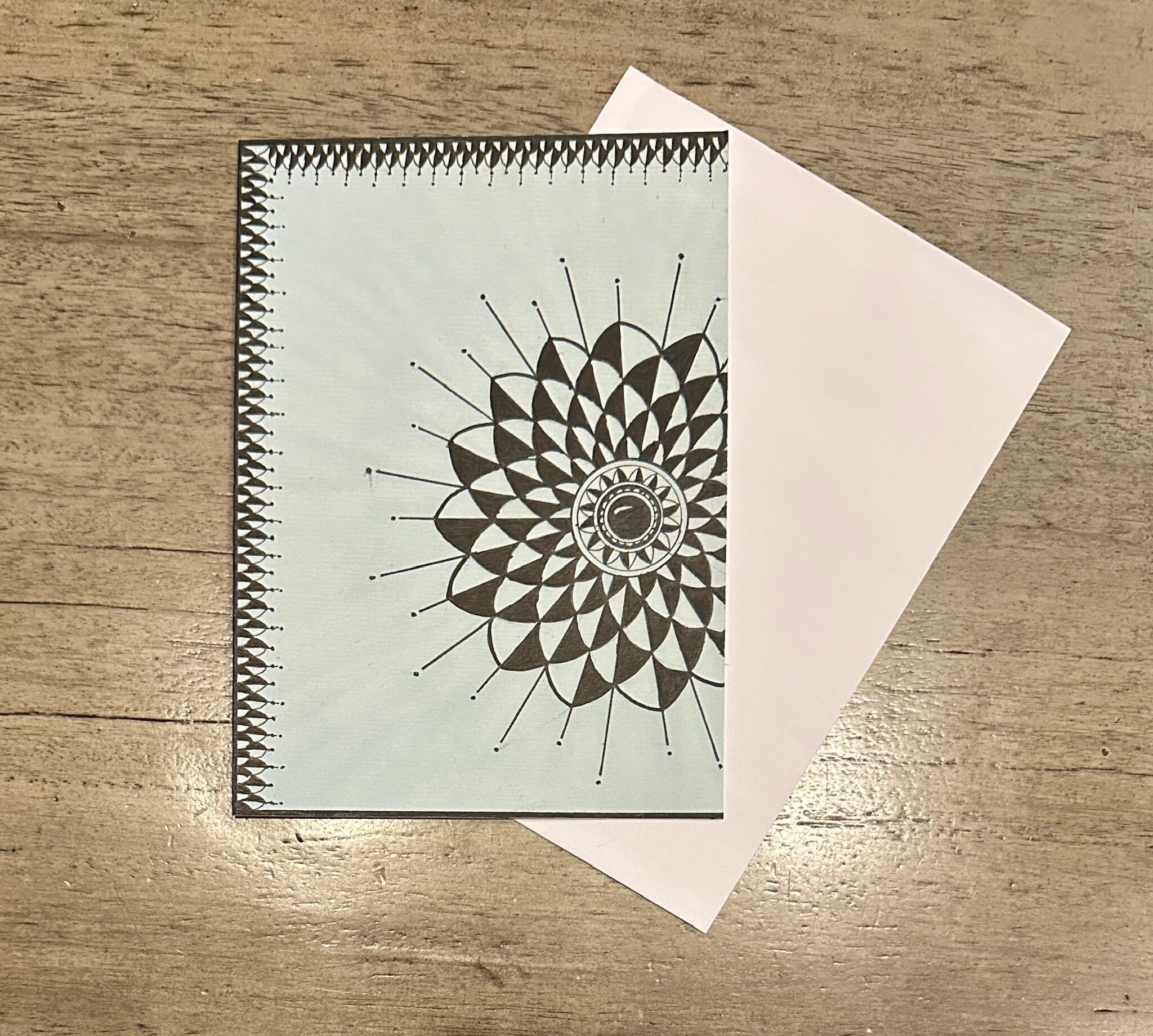
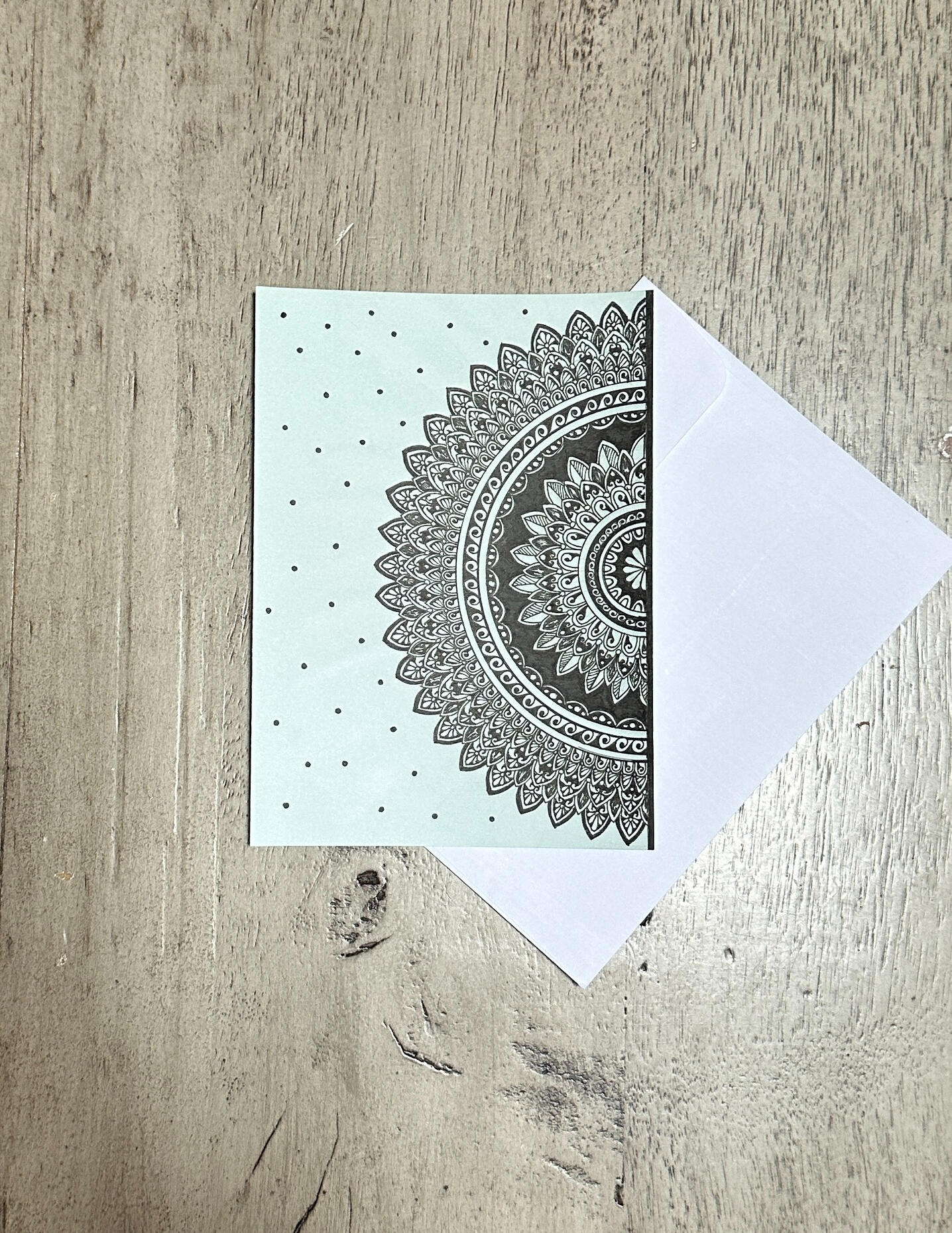
Hobbies - mandala
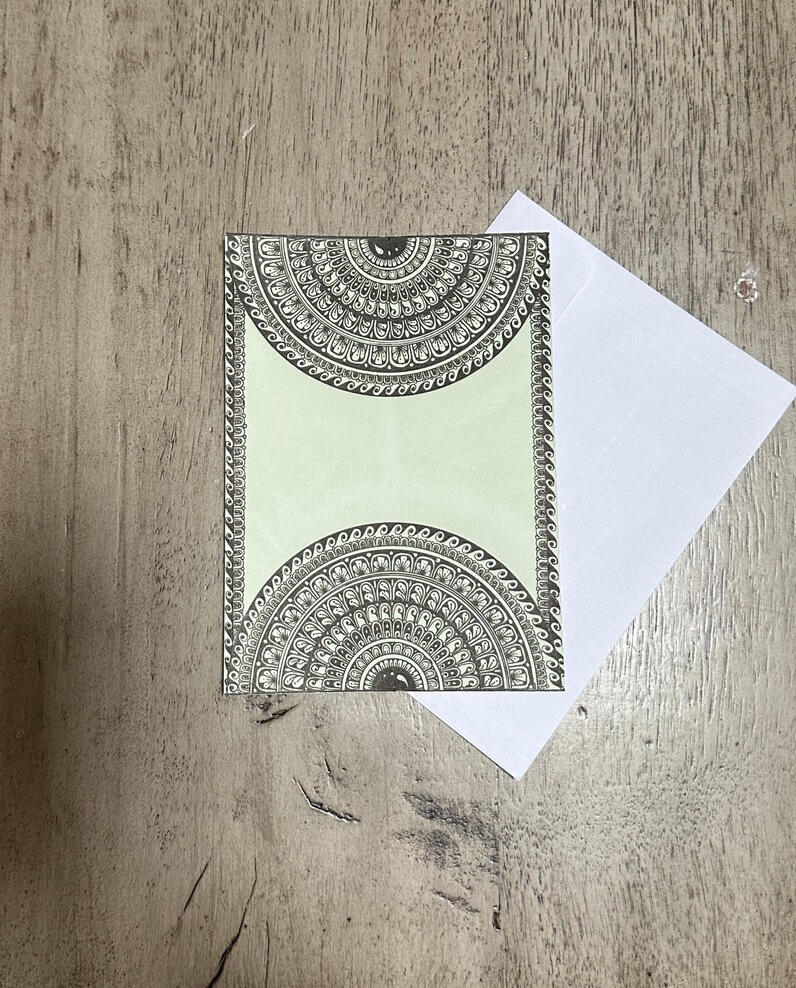
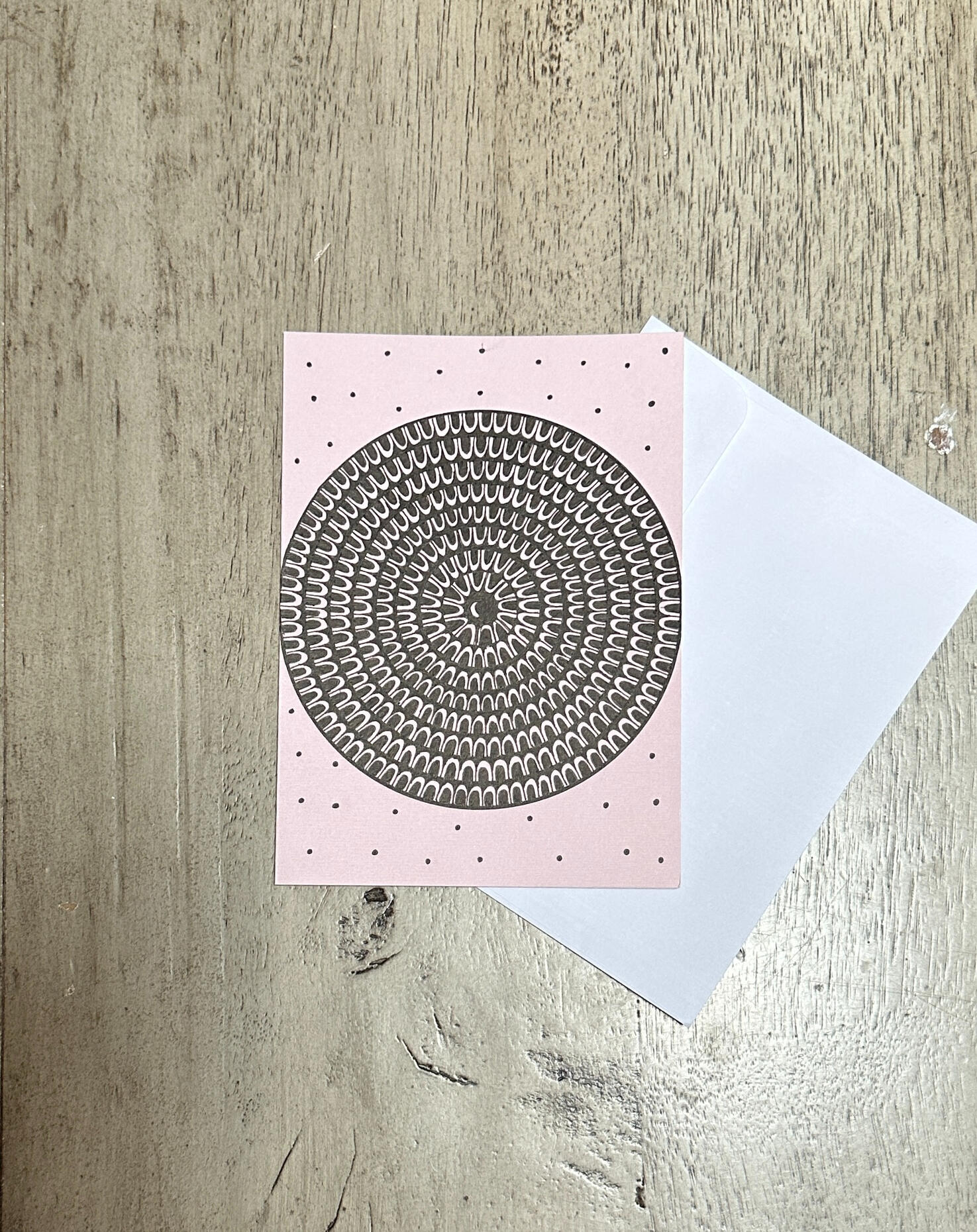
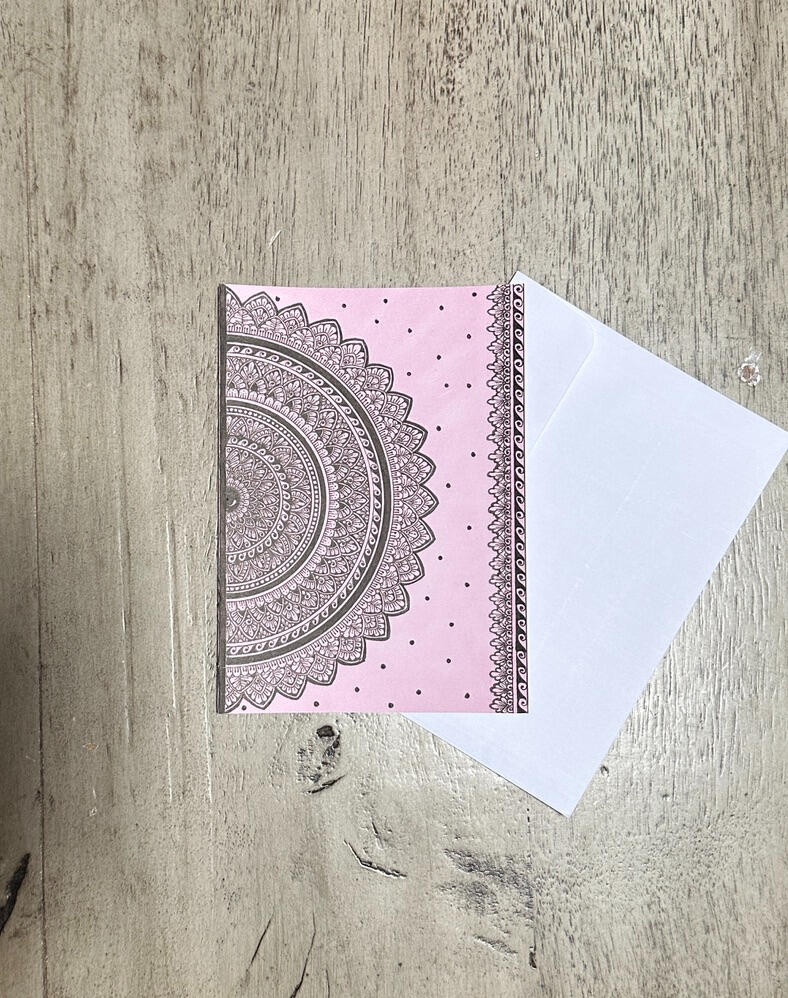
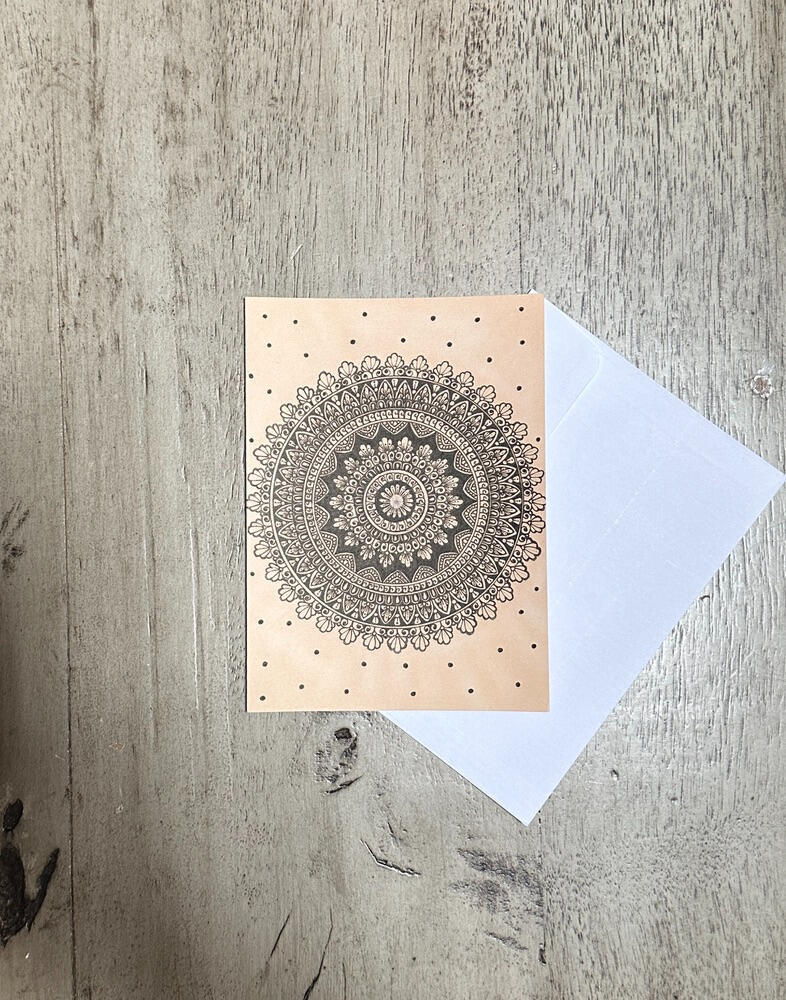

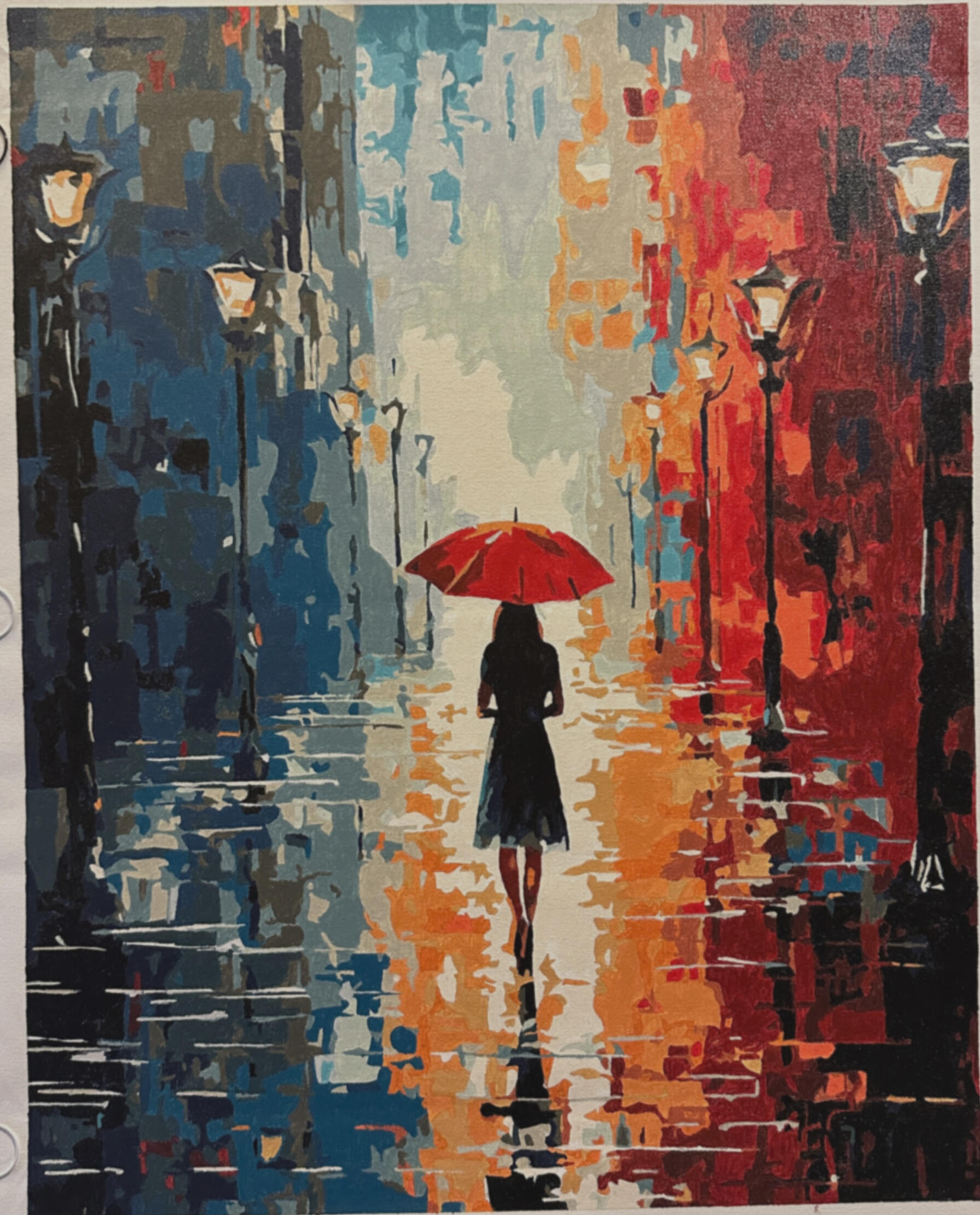
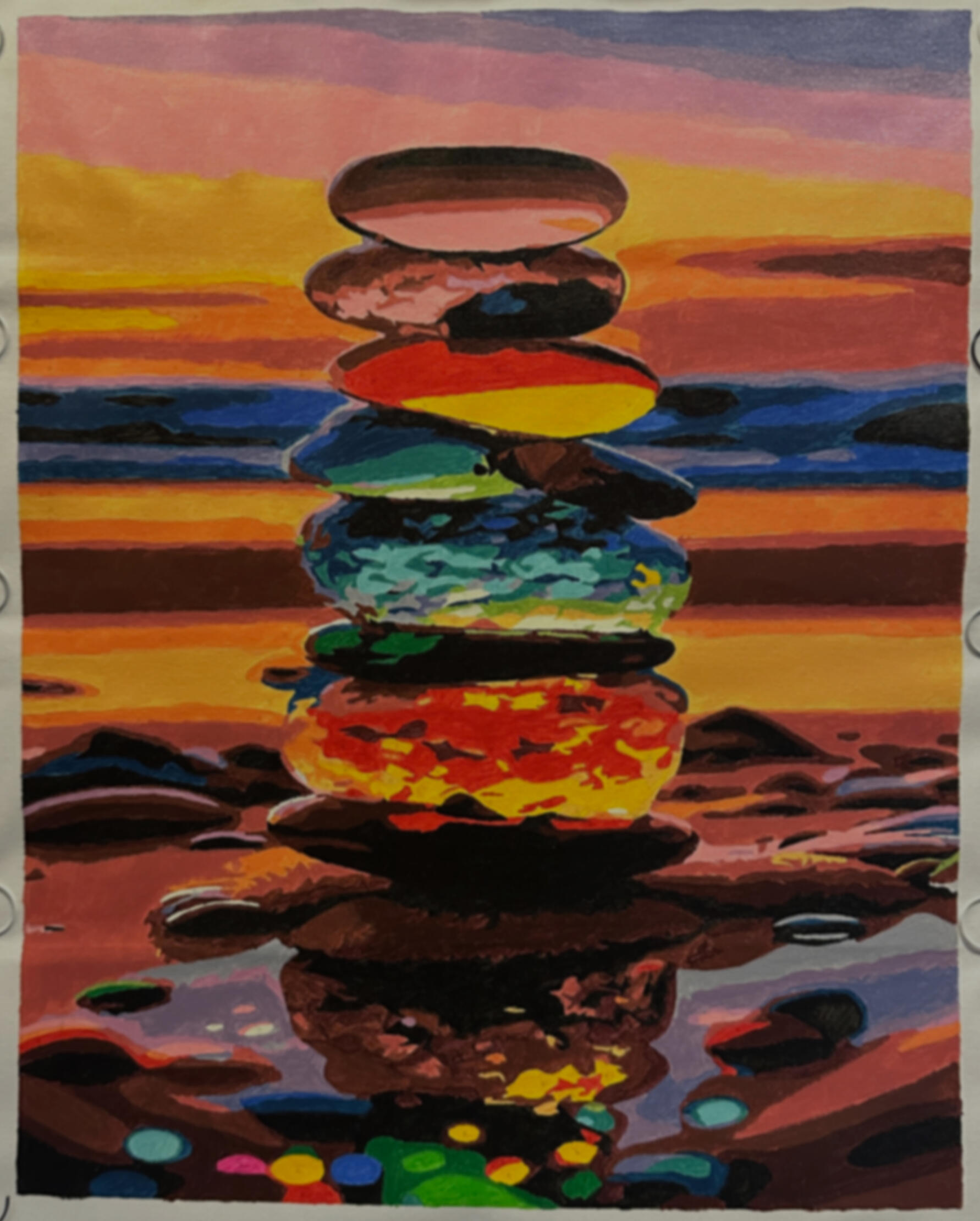
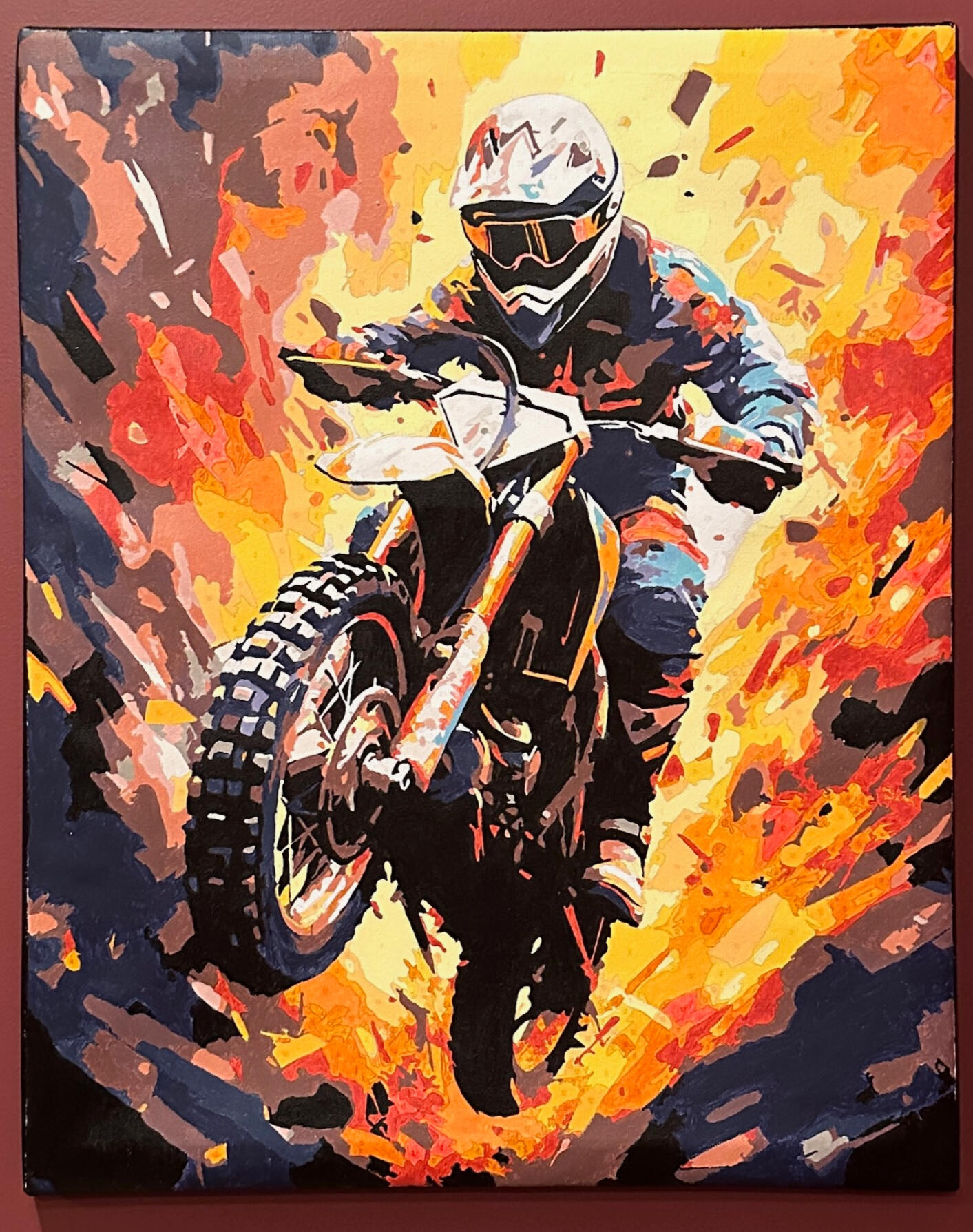
Hobbies - paint by number

Rainy day

Pebbles on beach

Motorcycle
All pictures and videos are copyrighted.
Thanks for respecting and not reproducing them
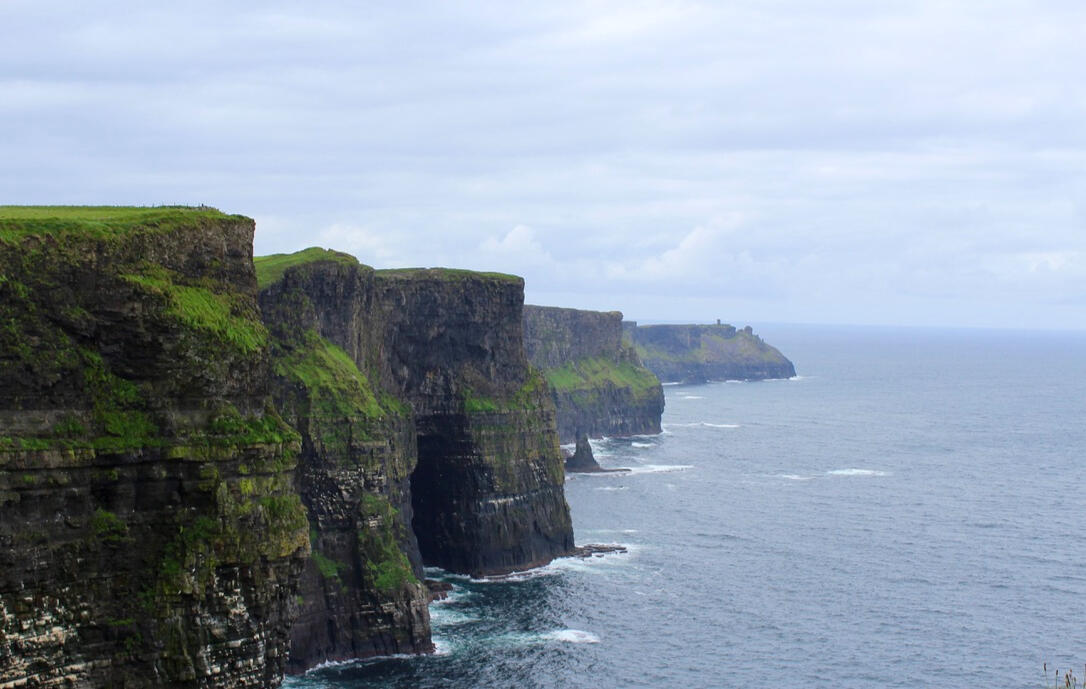
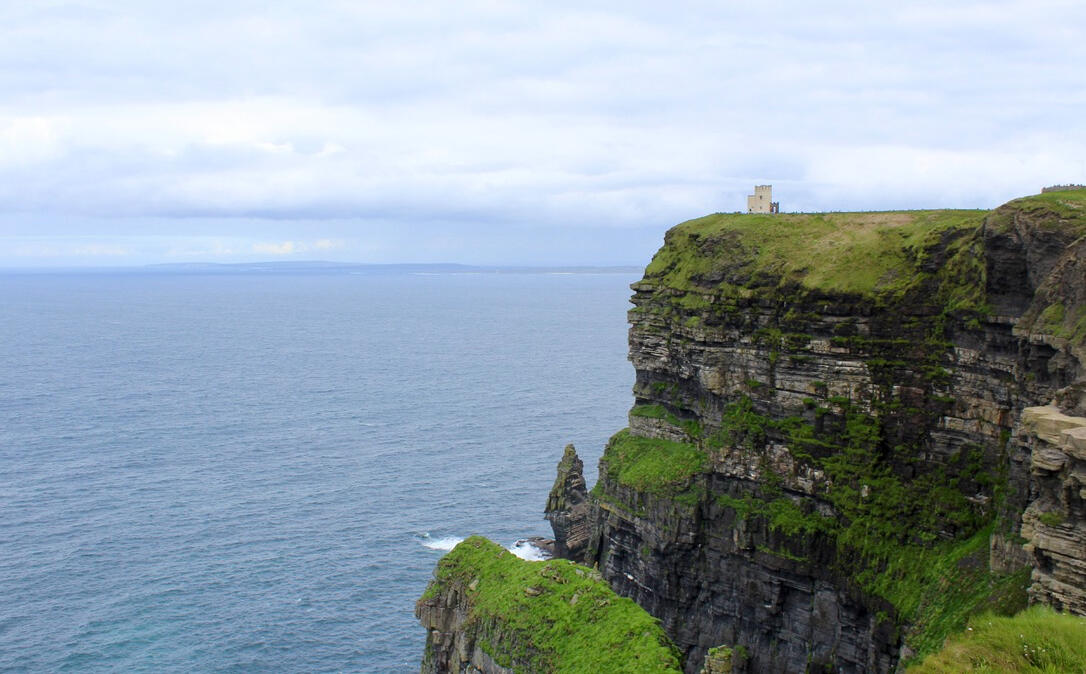
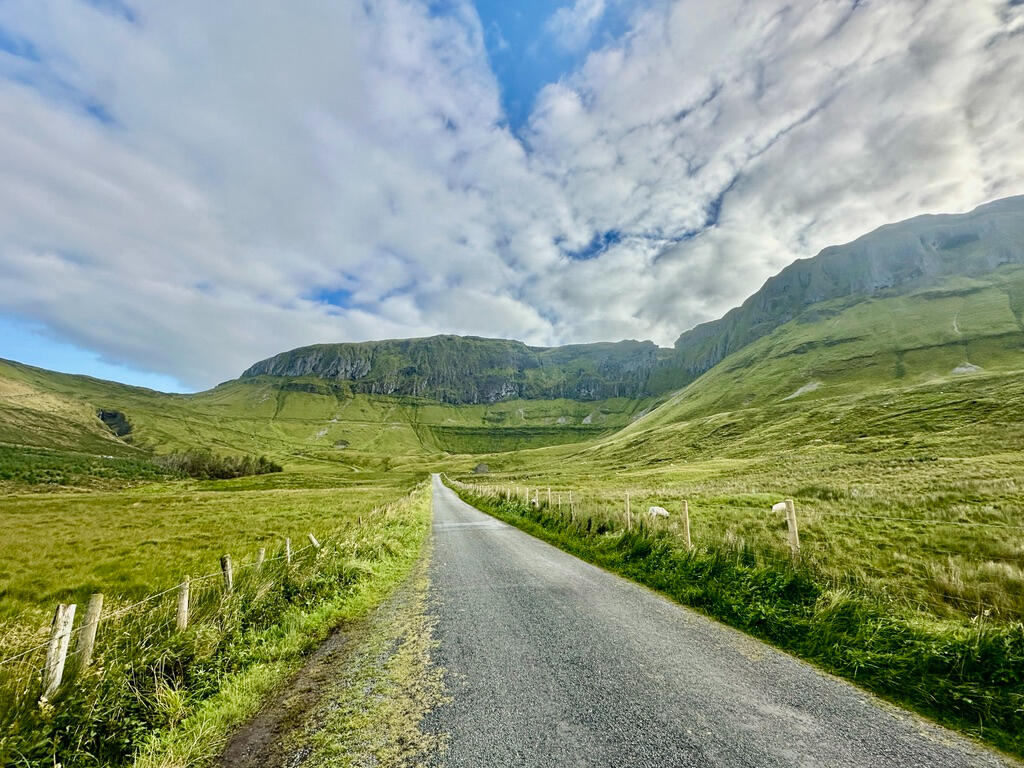
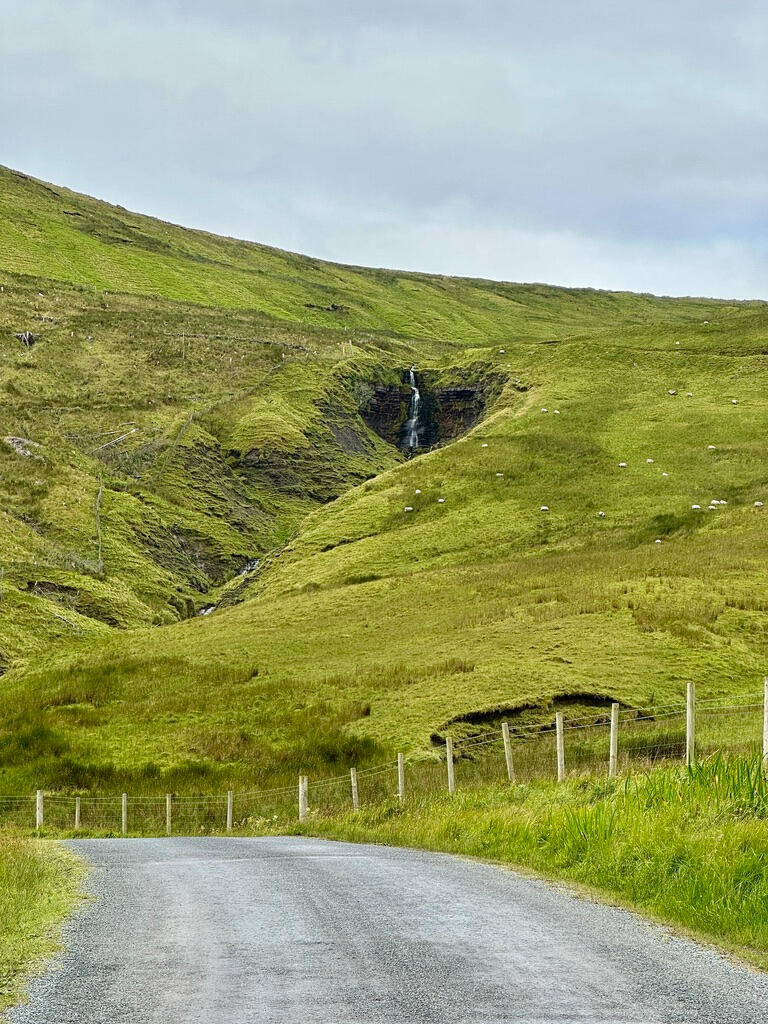
Ireland in Photos - 2025

Cliffs of Moher

Cliffs of Moher

Gleniff horseshoe - Sligo

Gleniff horseshoe - Sligo

Gleniff horseshoe - Sligo

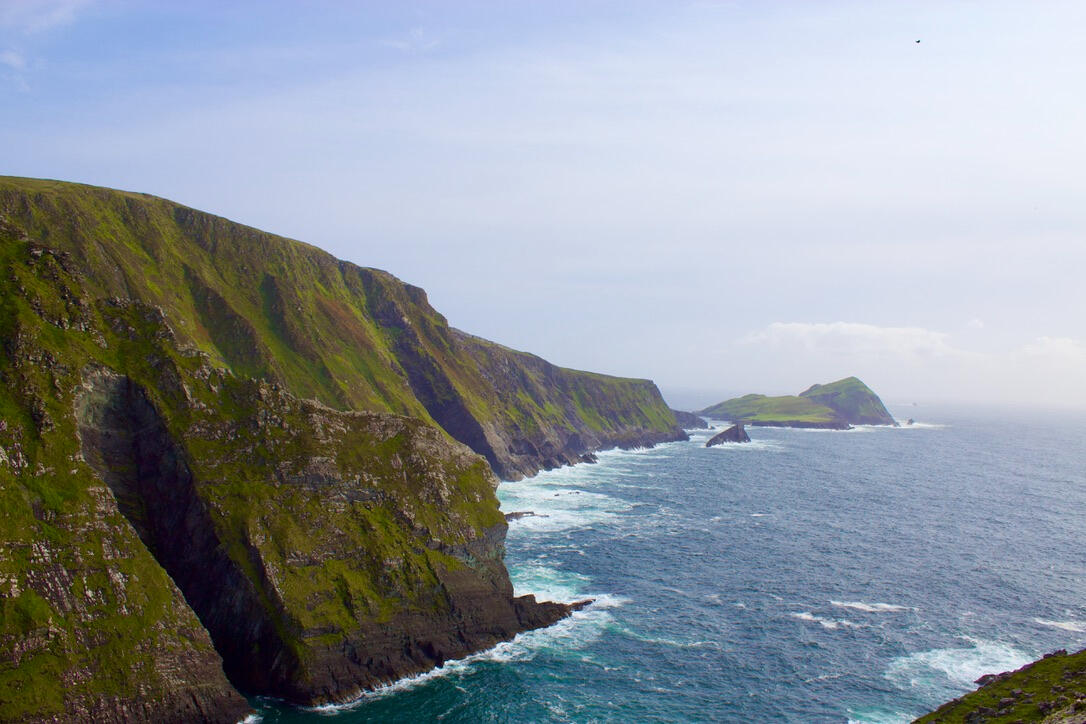
Kerry Cliffs

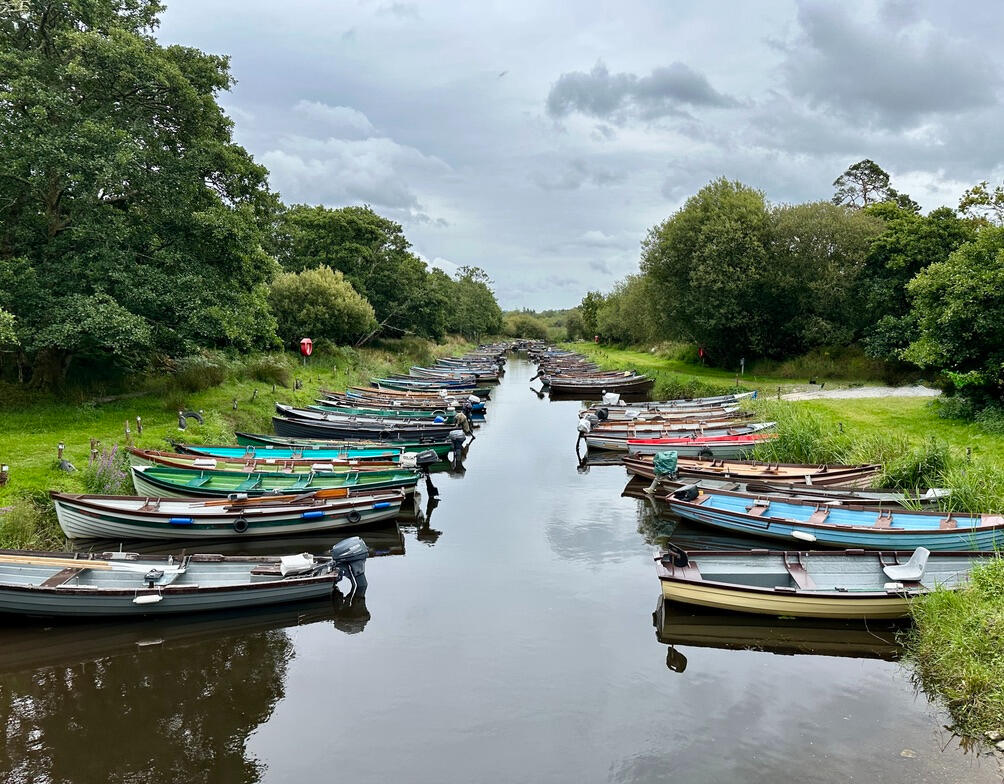
Boats at a castle

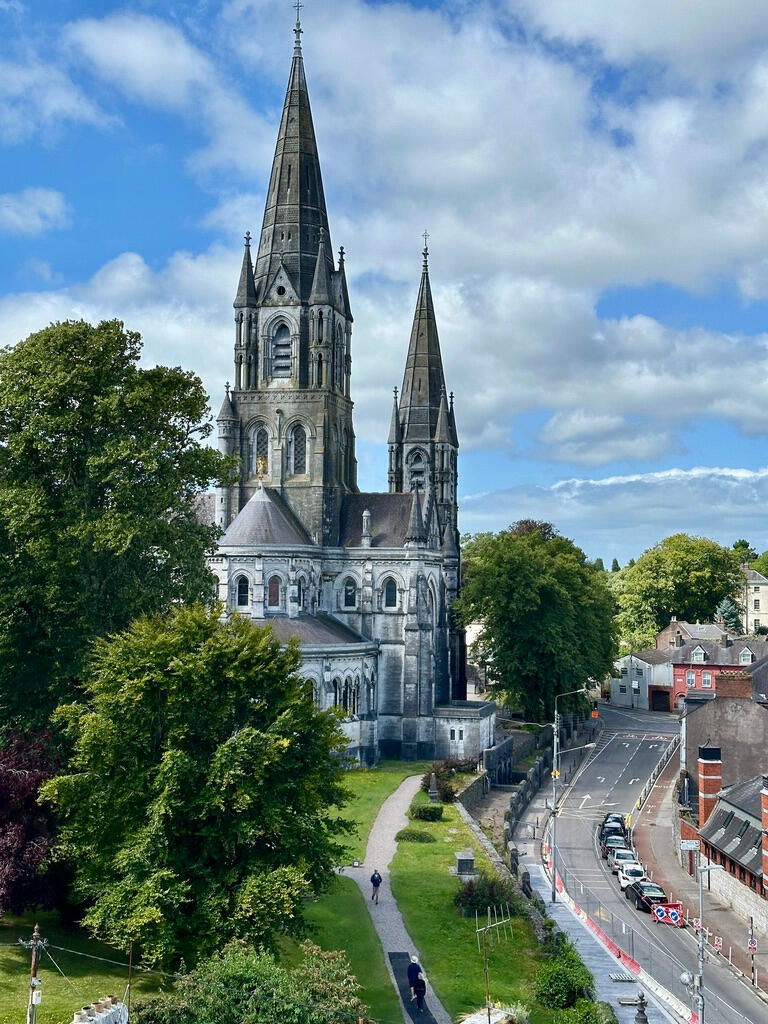
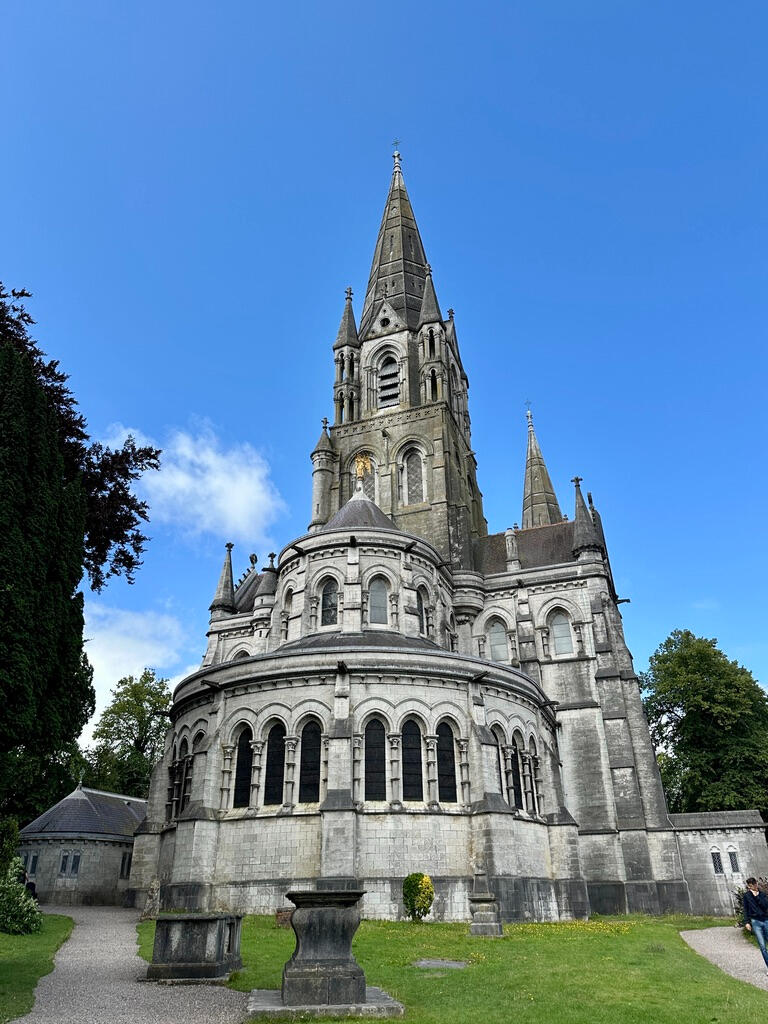
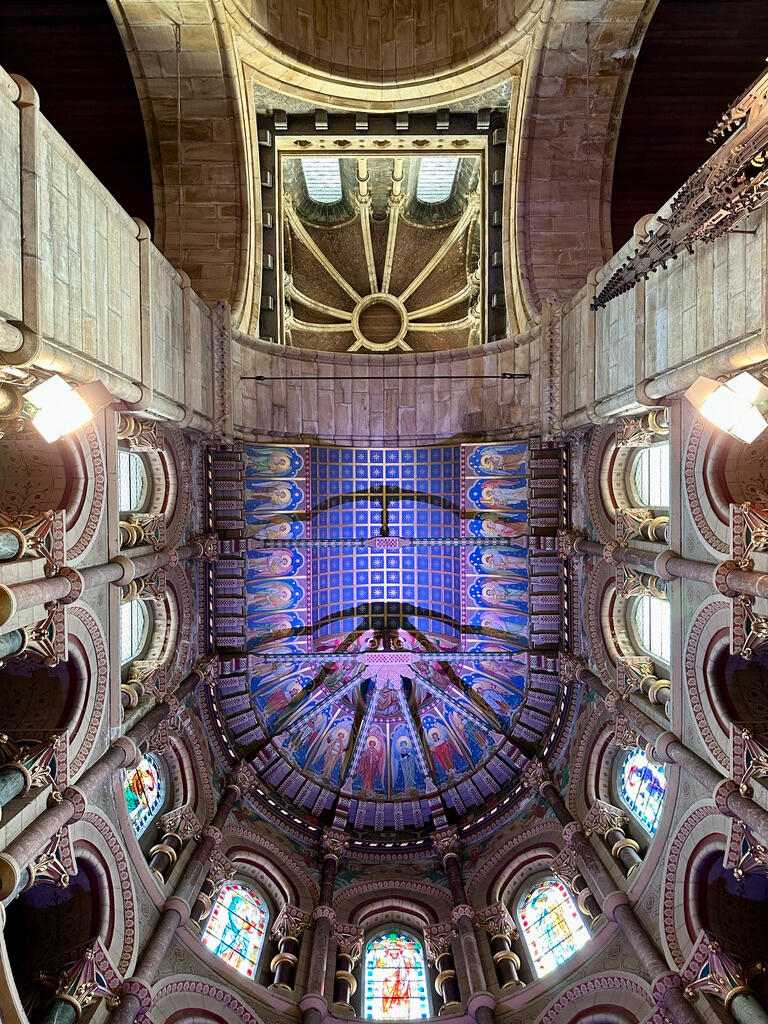
St. Fin Barre's Cathedral - Cork

St. Fin Barre's Cathedral

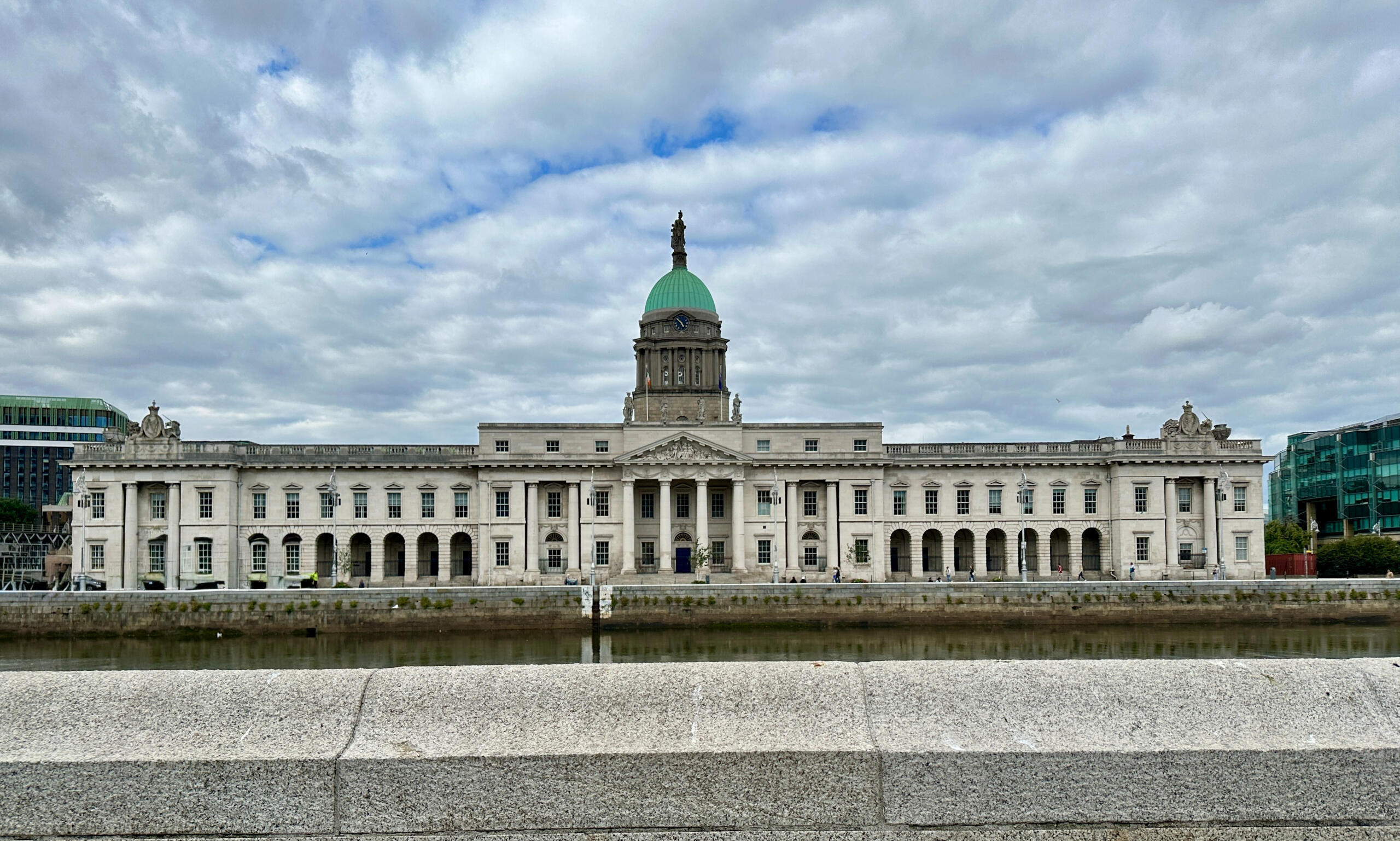
Custom House - Dublin

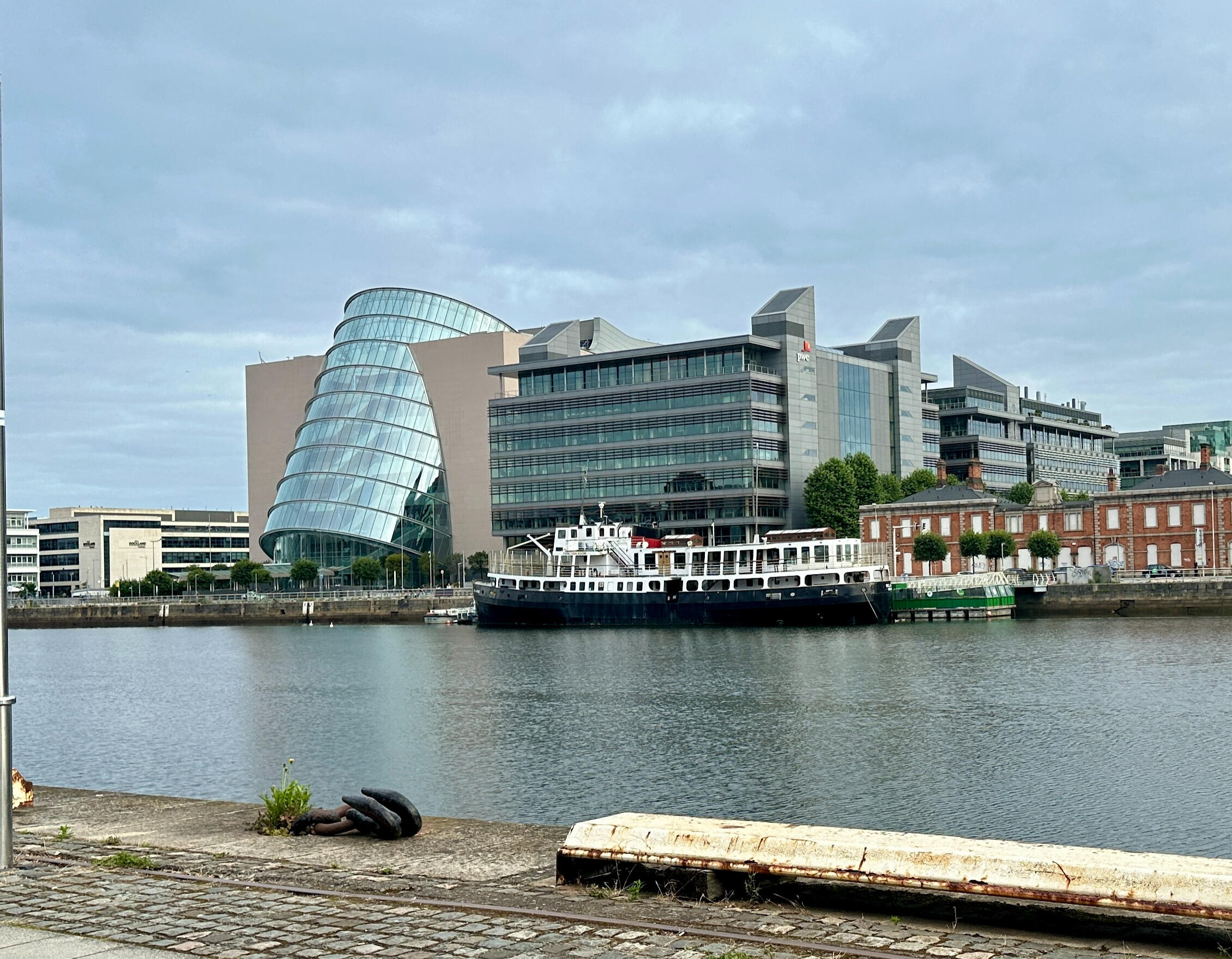
The Convention Center - Dublin

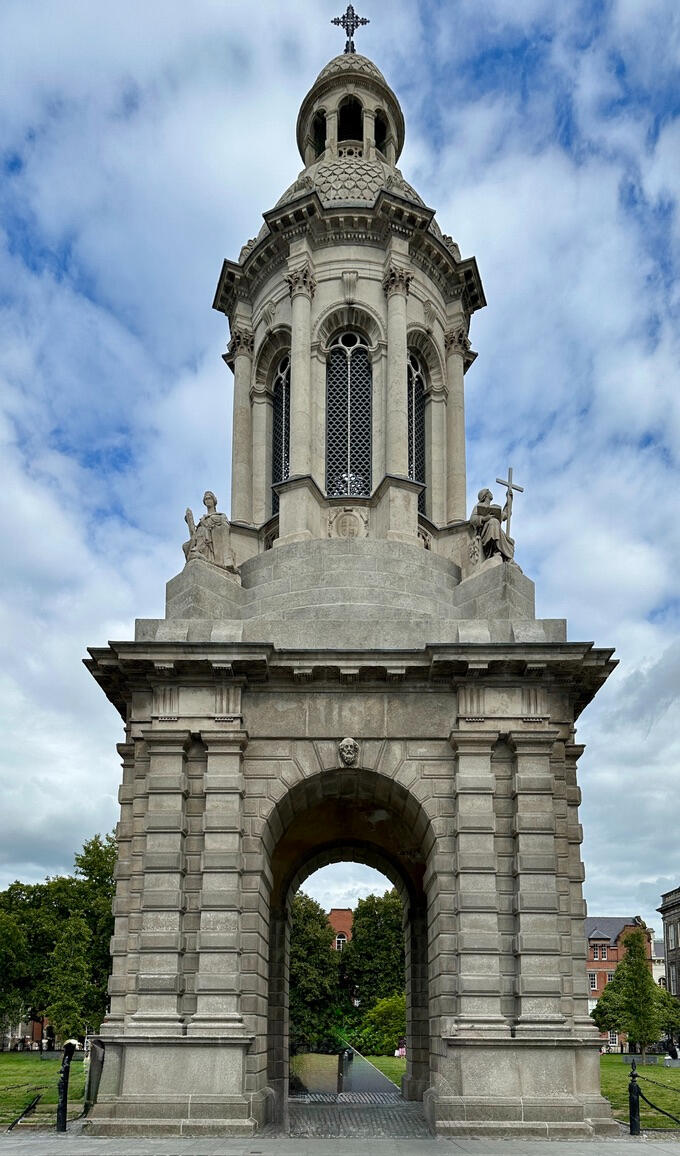
Trinity College - Dublin

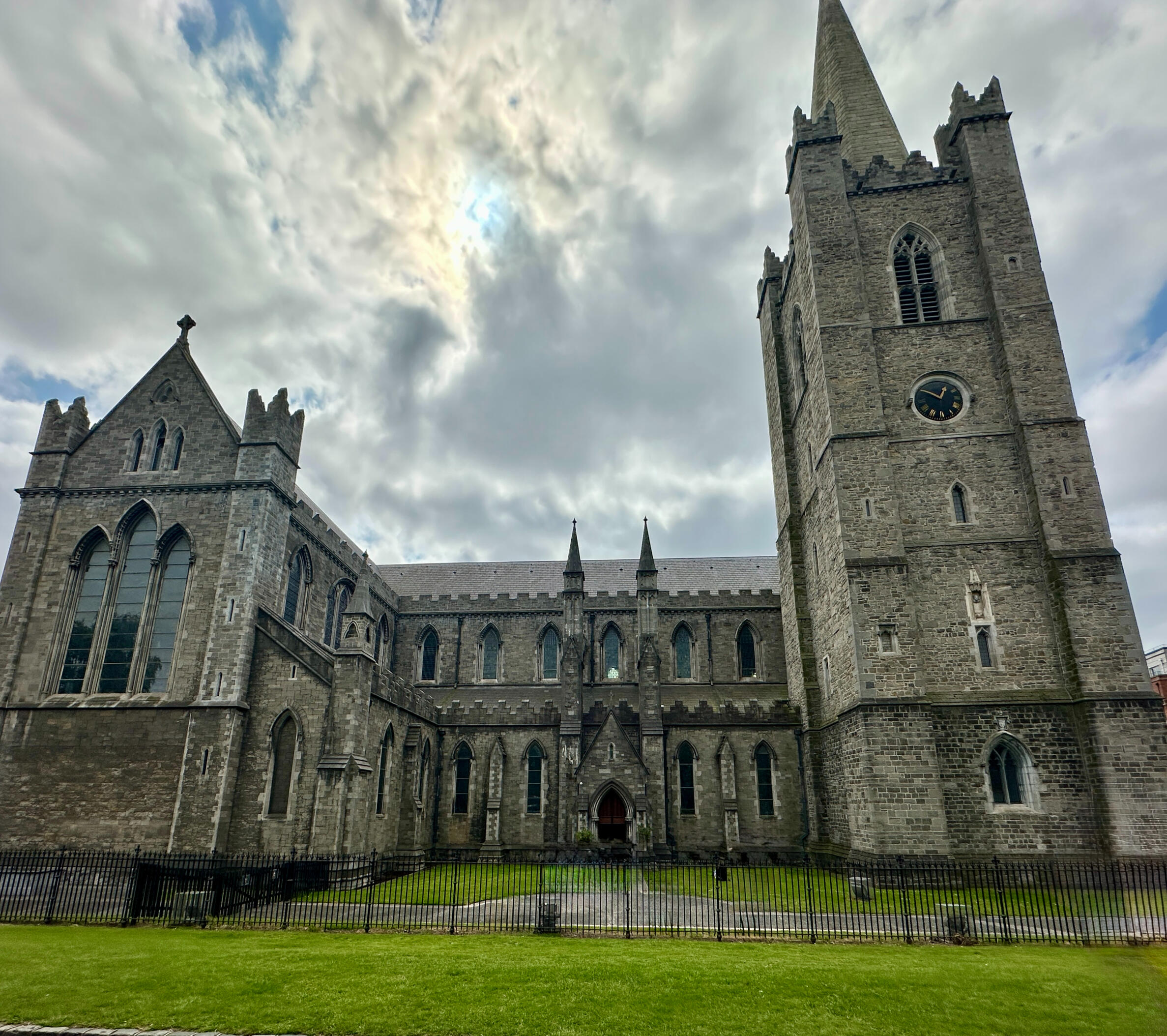
St. Patrick's Cathedral - Dublin

St. Patrick's Cathedral

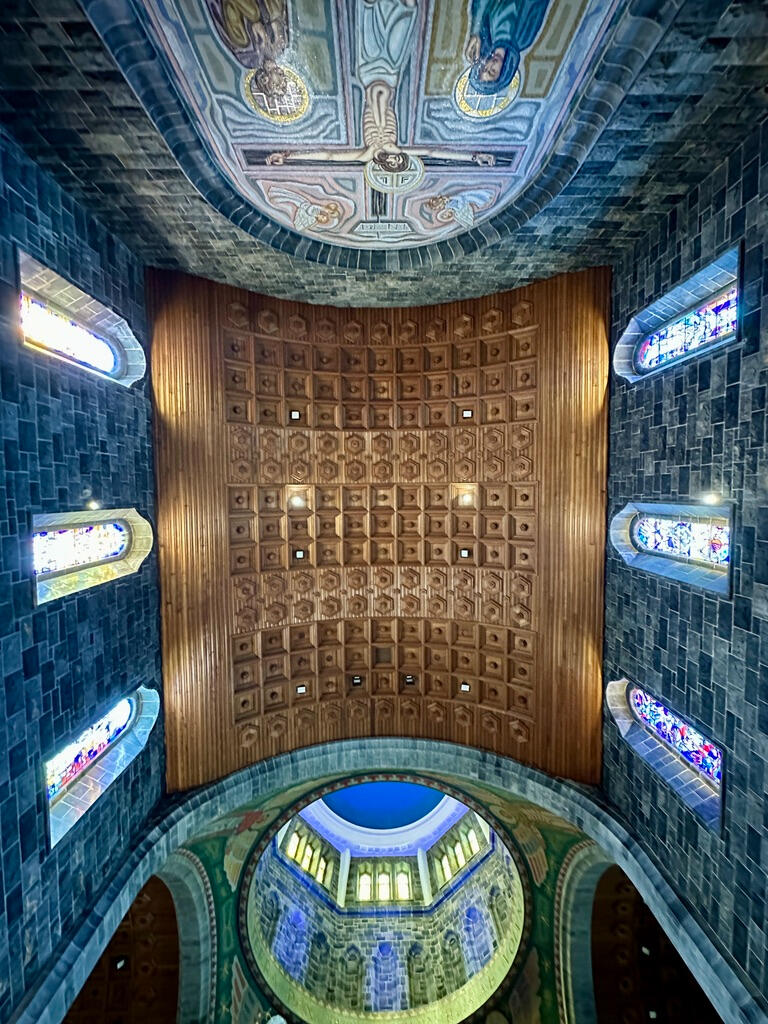
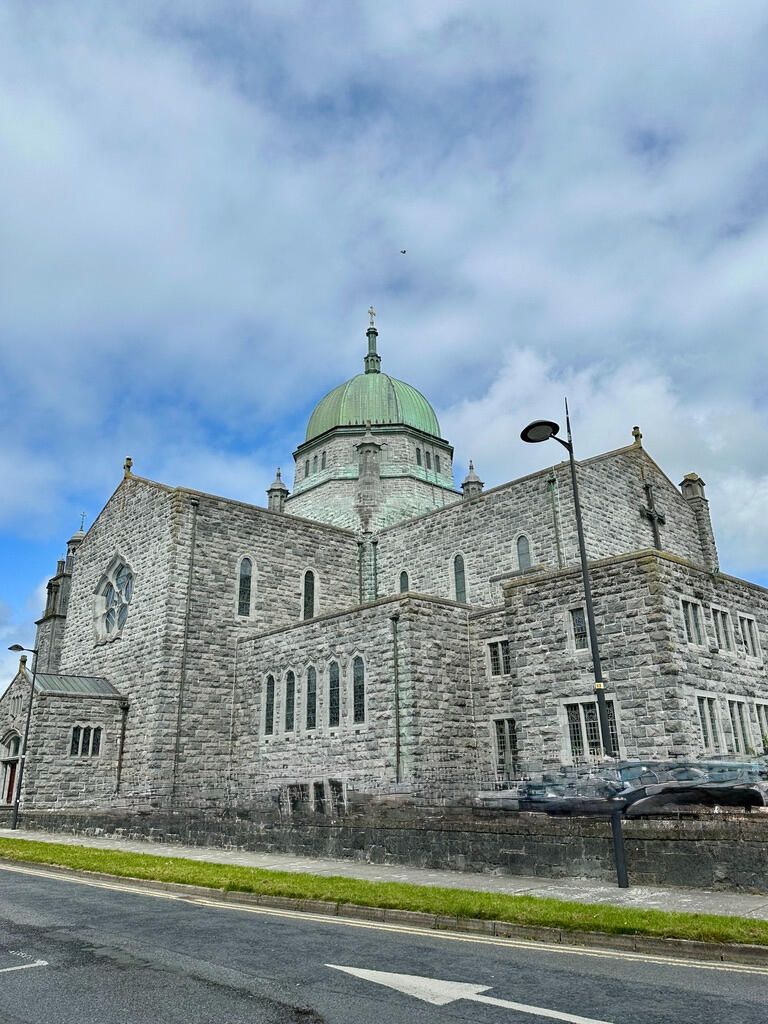
Galway Cathedral

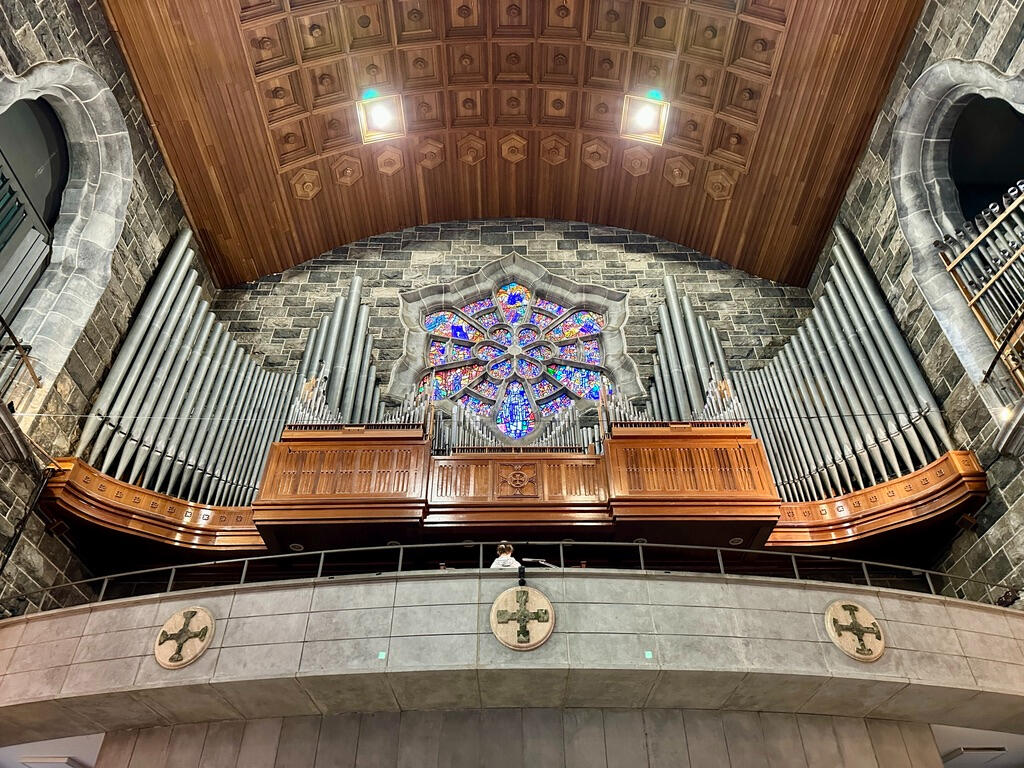
Organ at Galway Cathedral

Galway Cathedral

Limerick
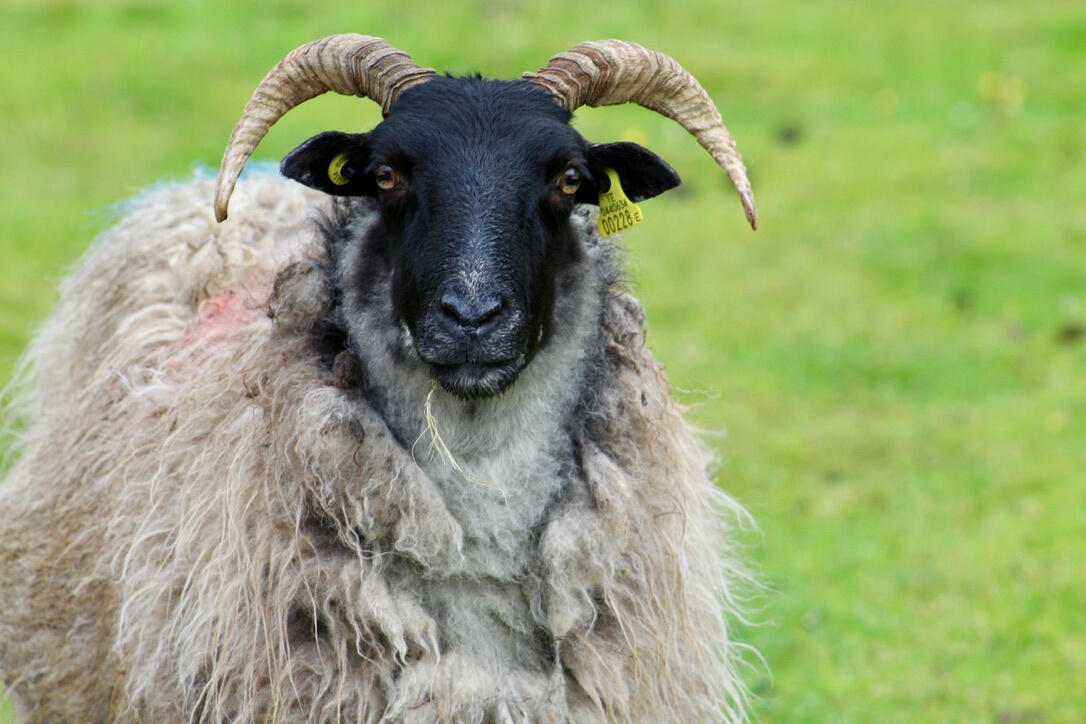
Ireland in Videos - 2025
Gleniff horseshoe entry

Gleniff horseshoe 360

Galway Cathedral organ live

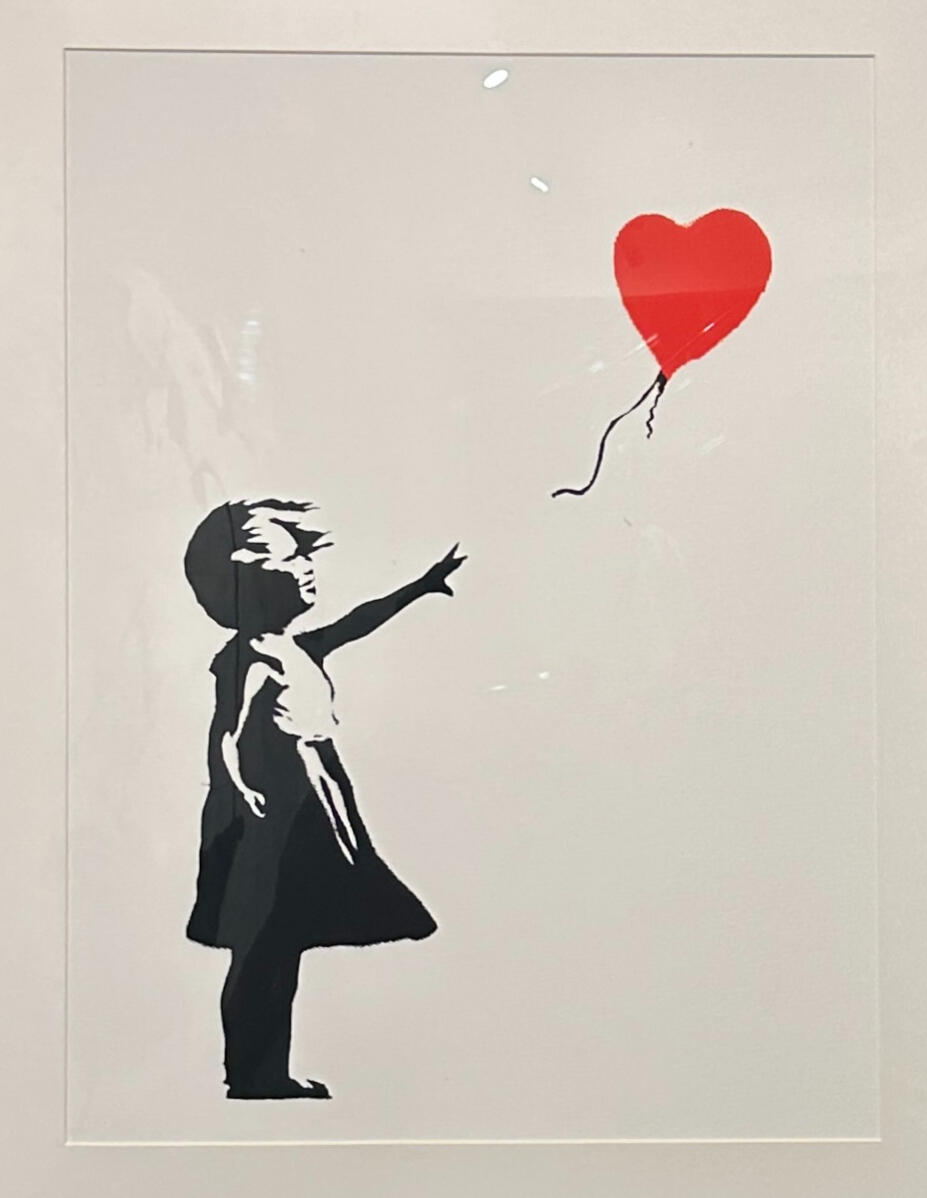
I don't know why people are so keen to put the details of their private life in public; they forget that invisibility is a superpower.
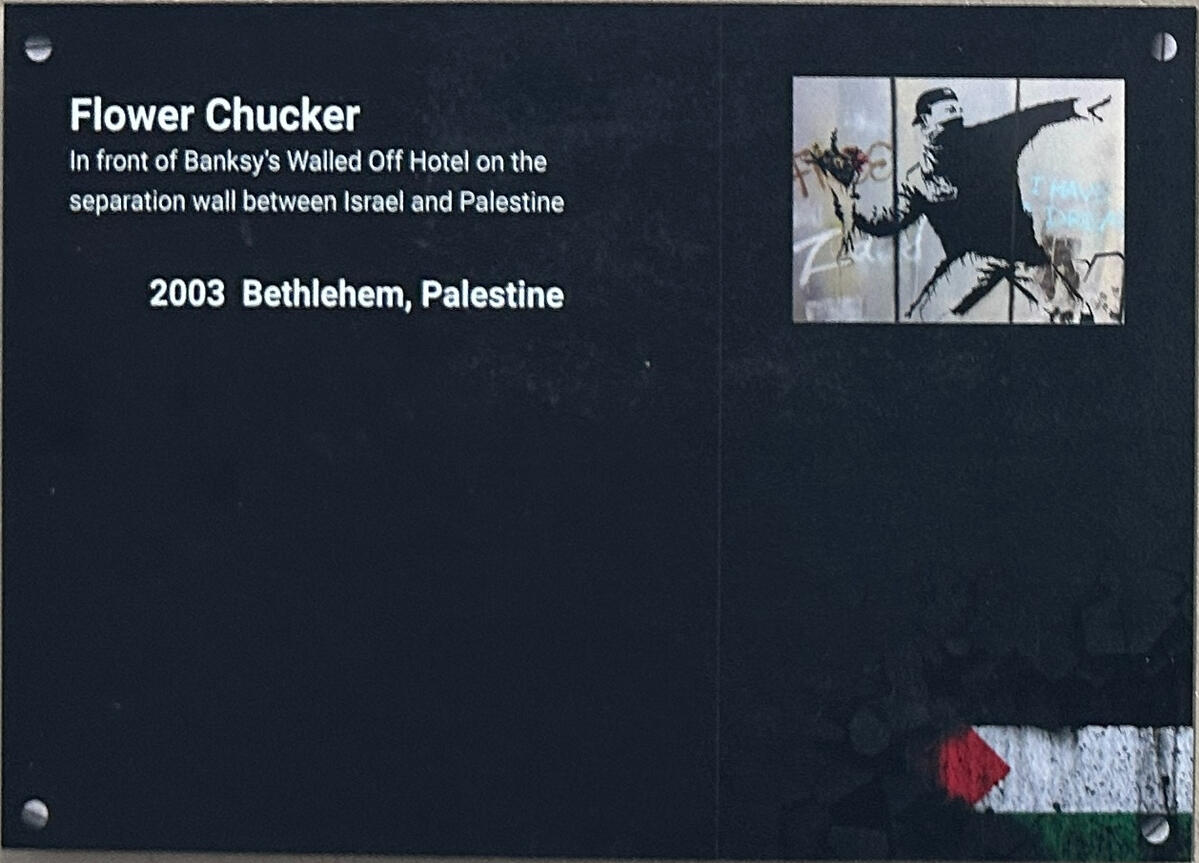
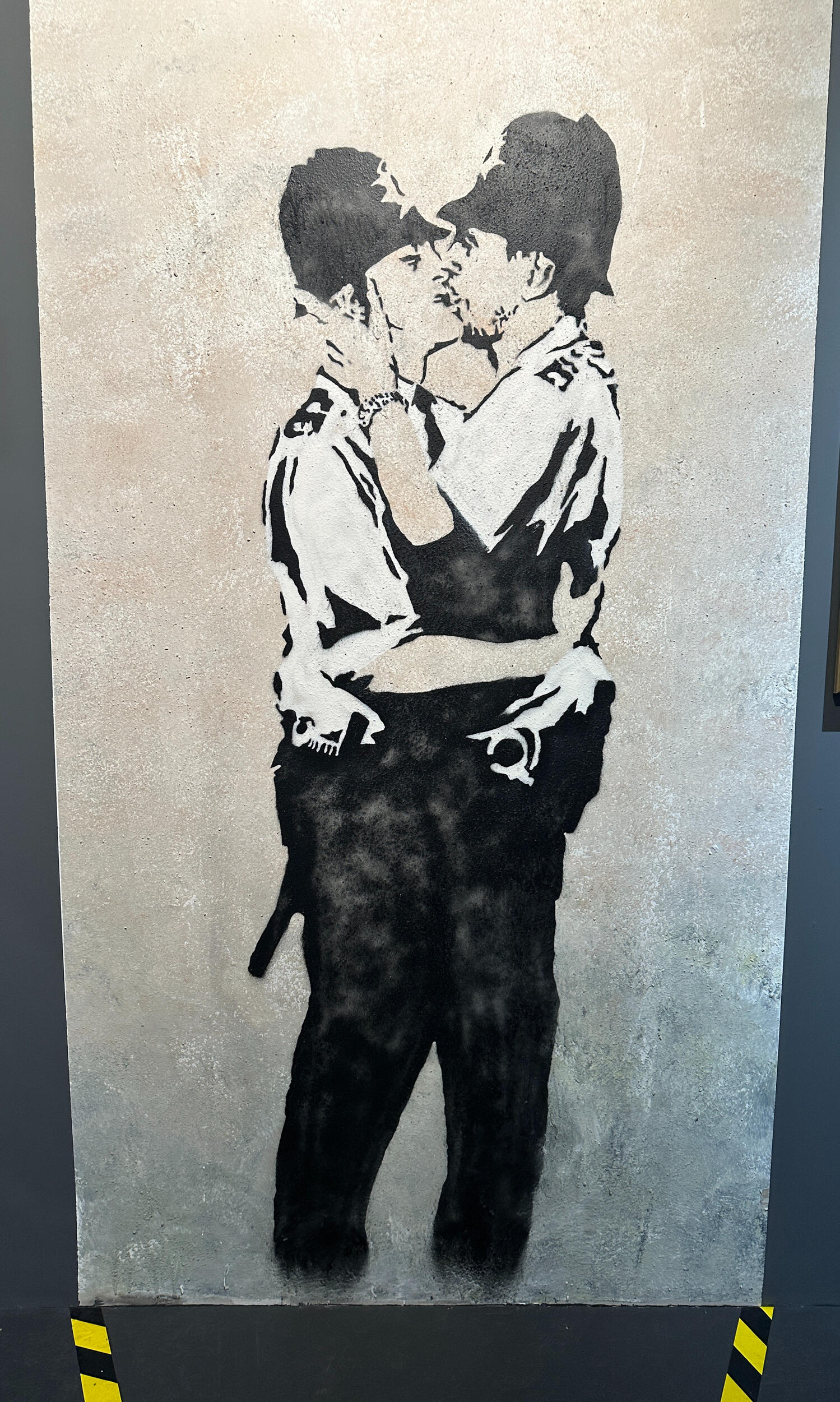
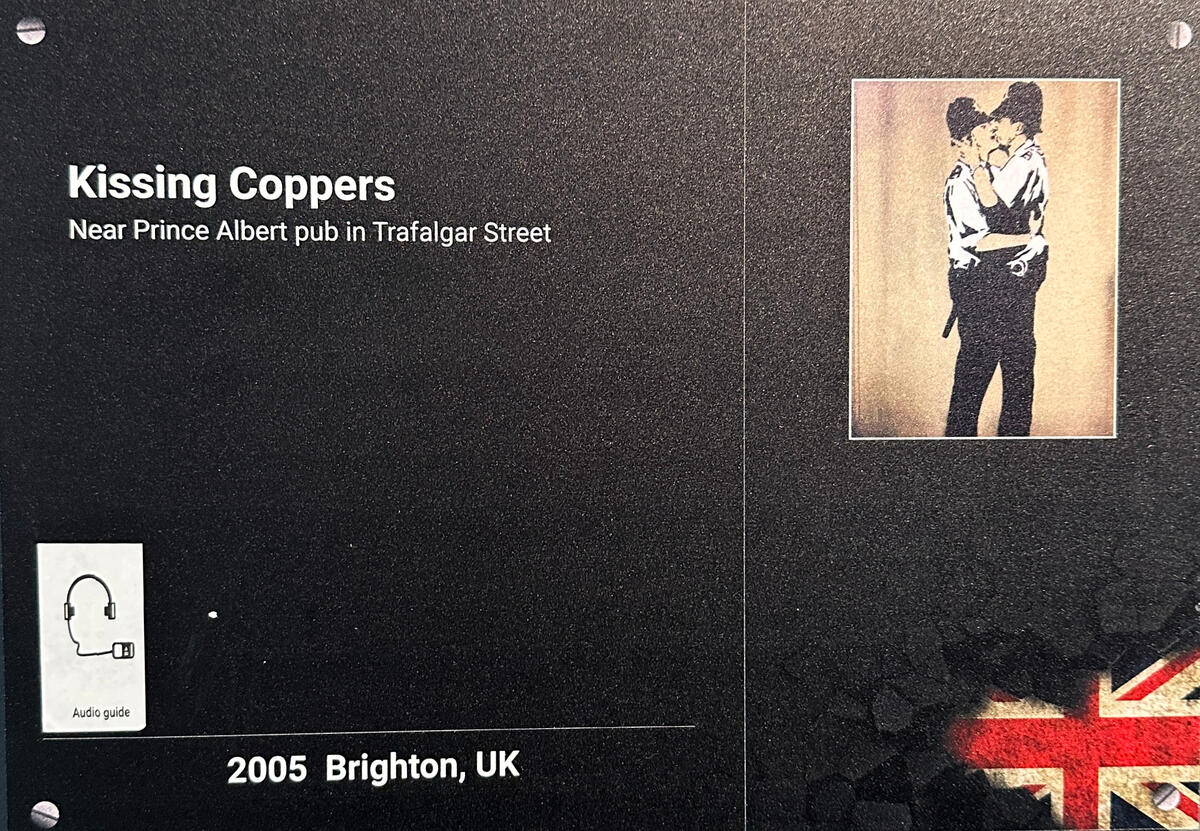
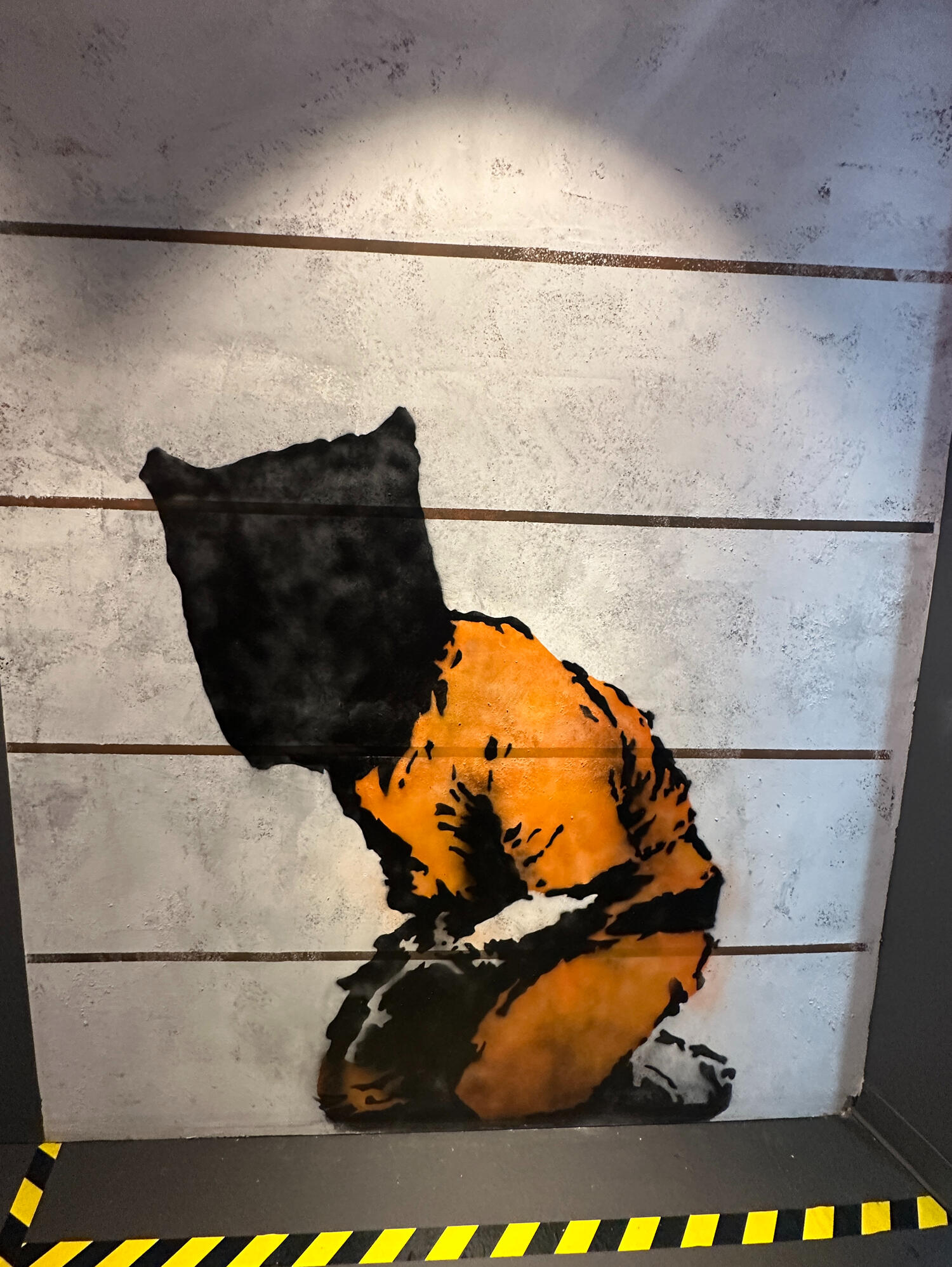
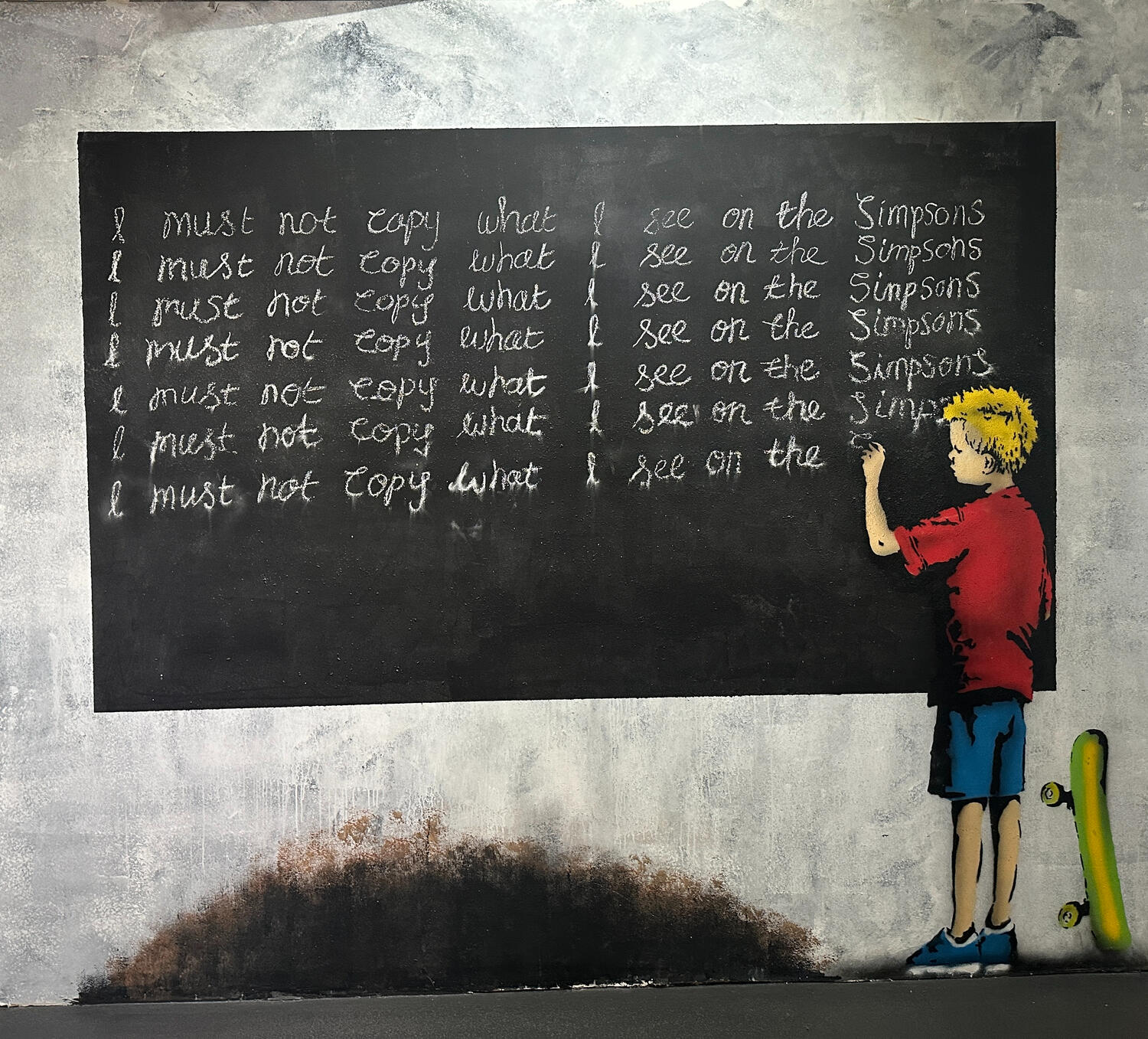
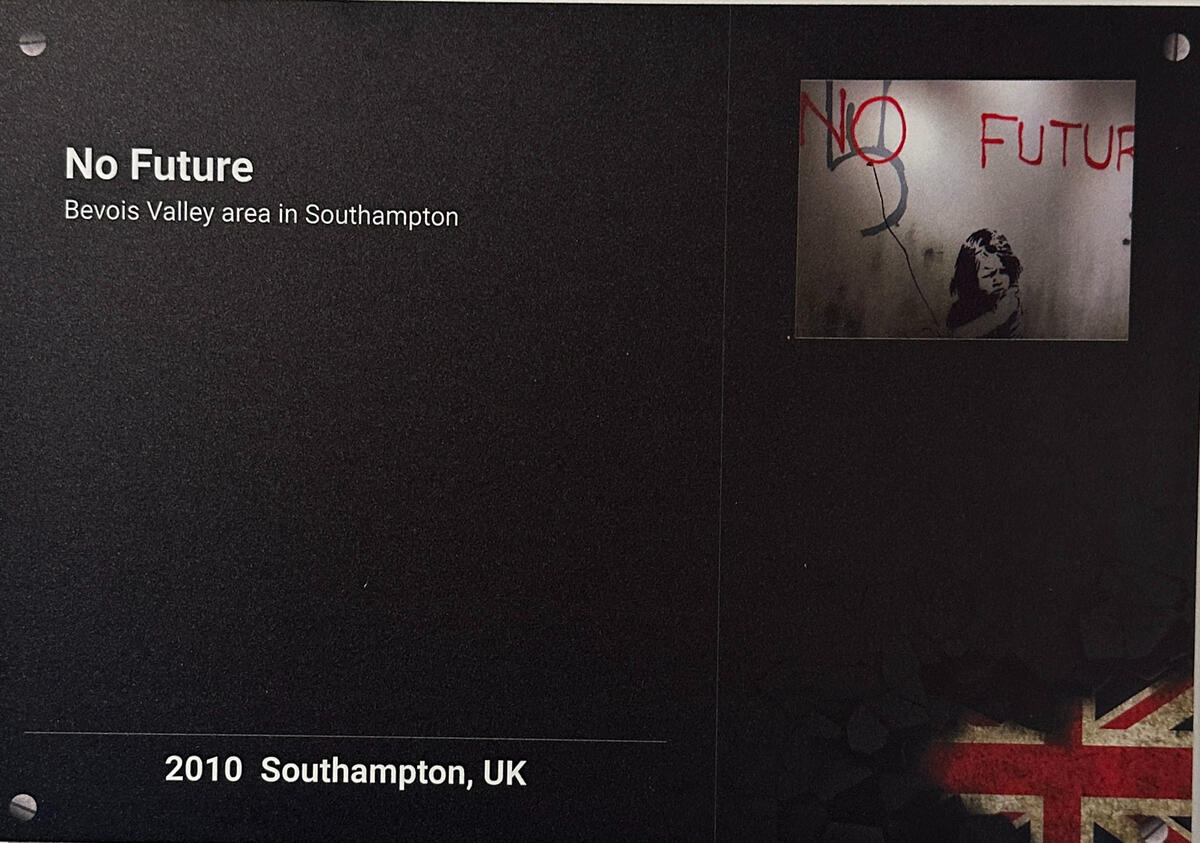
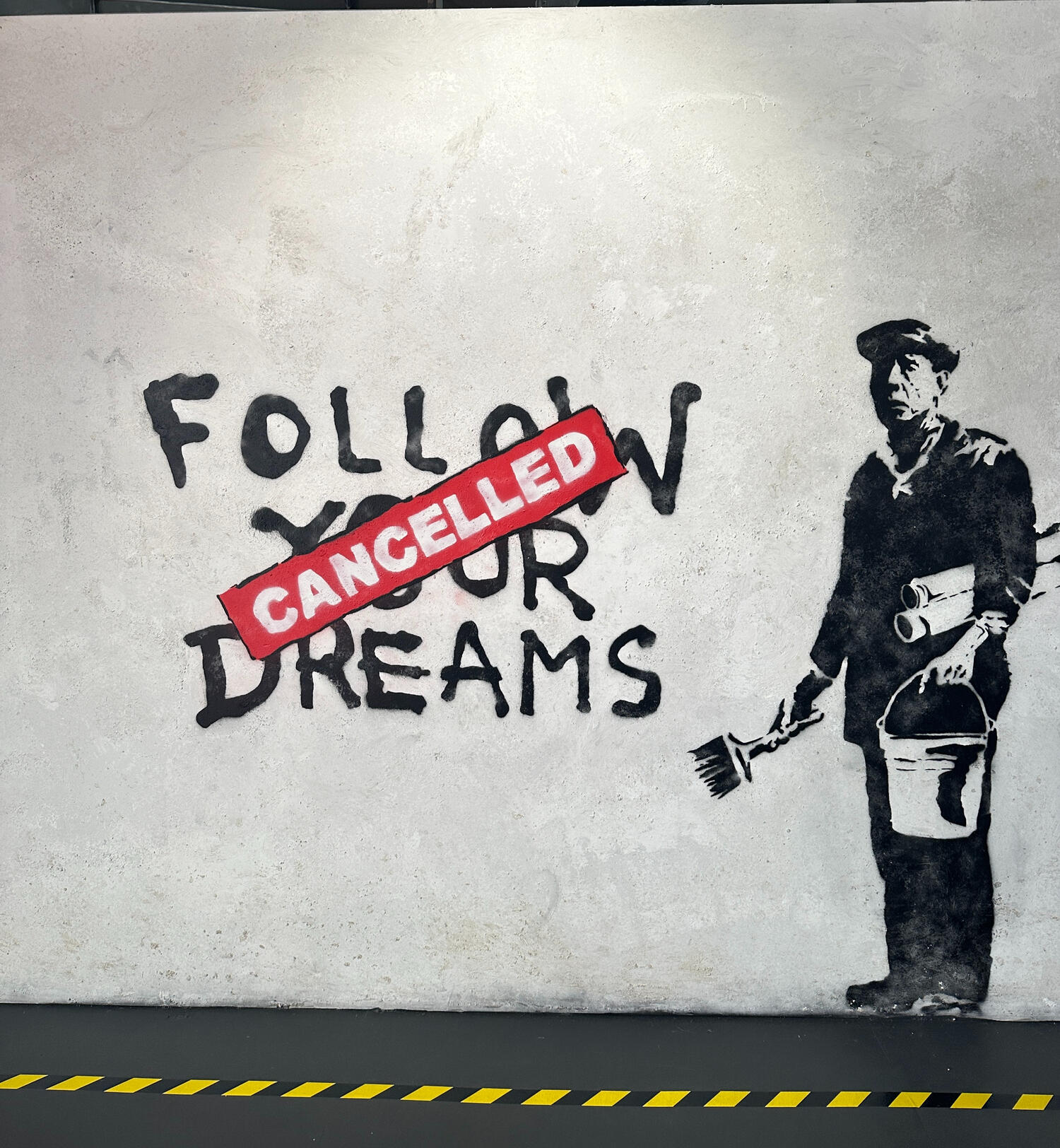
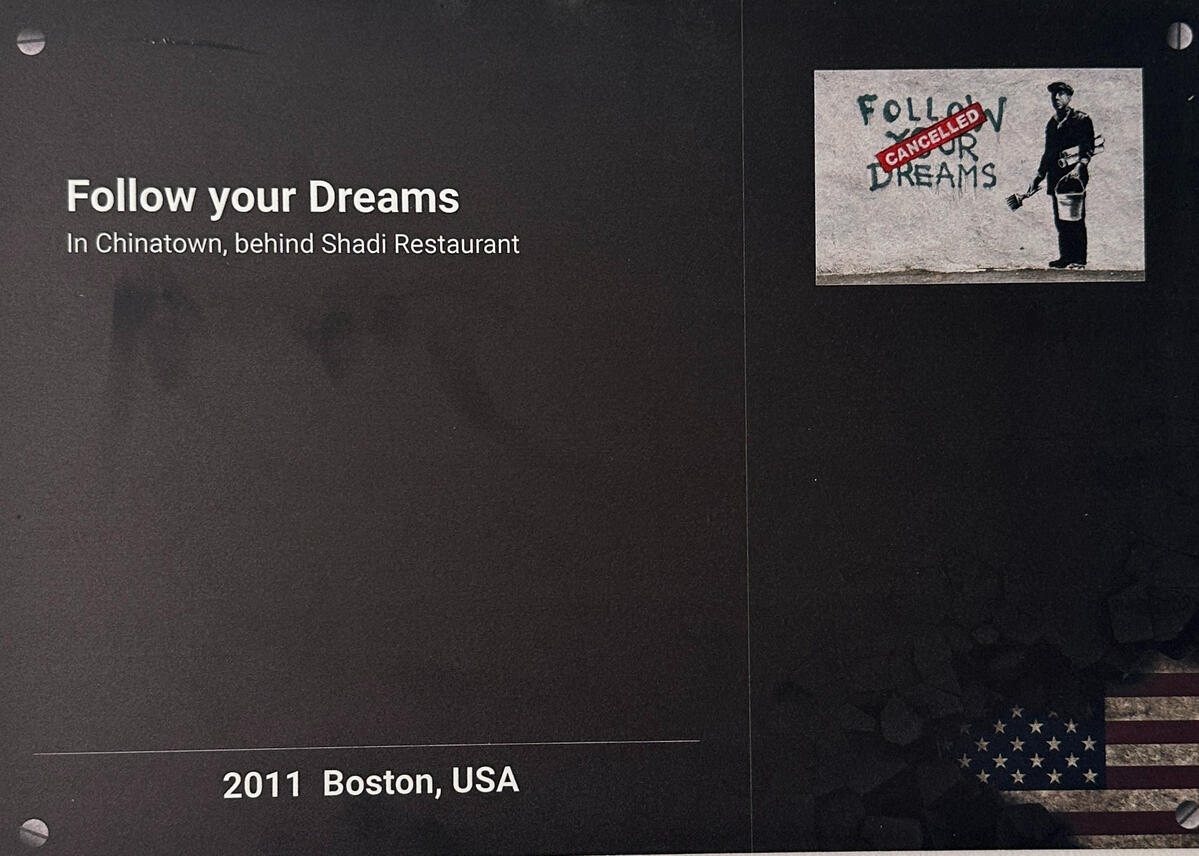
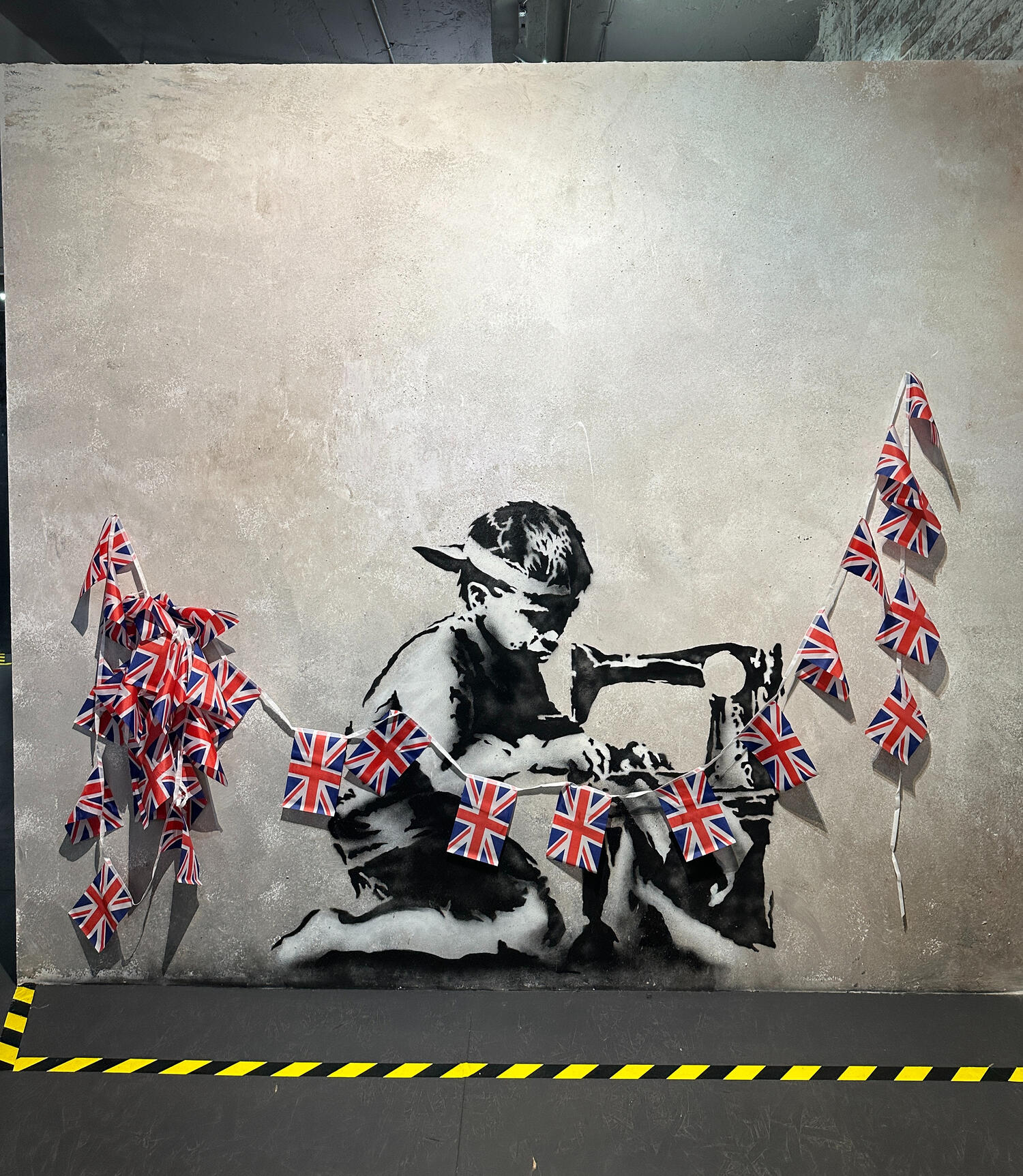
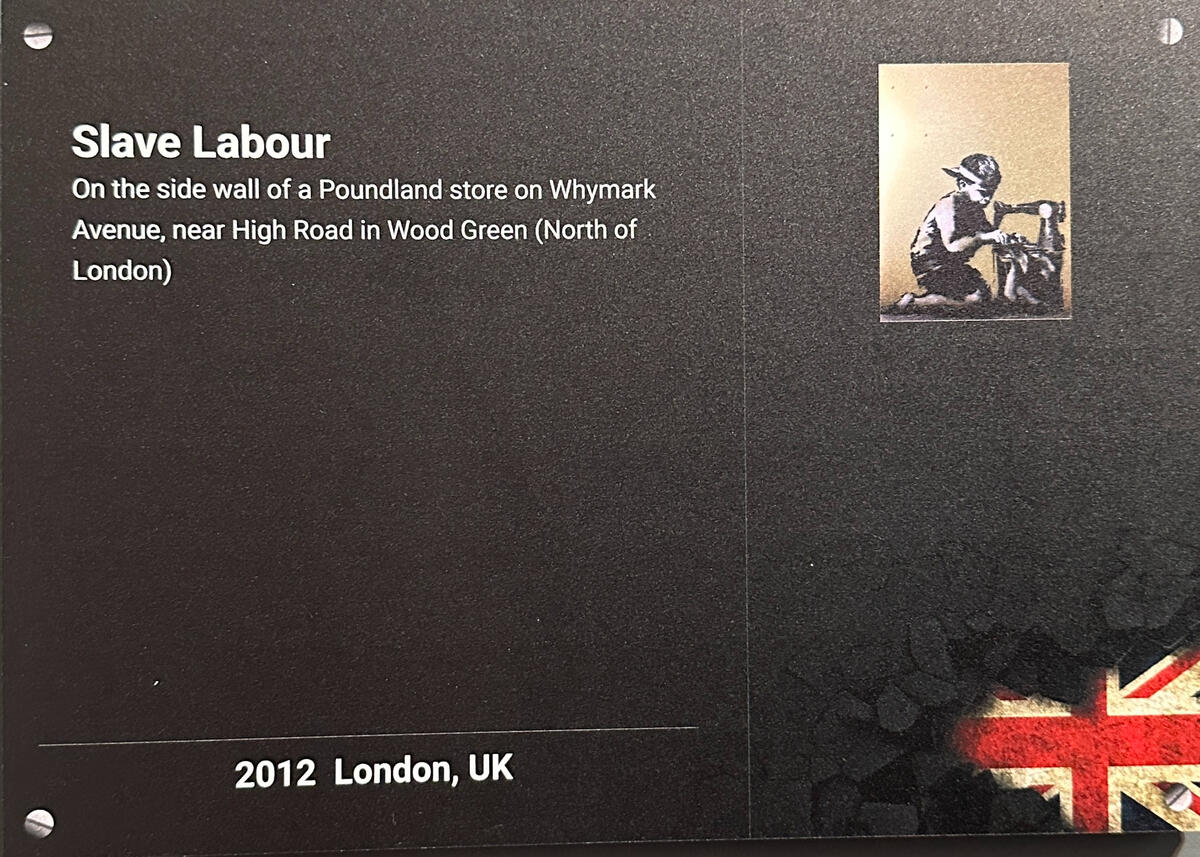
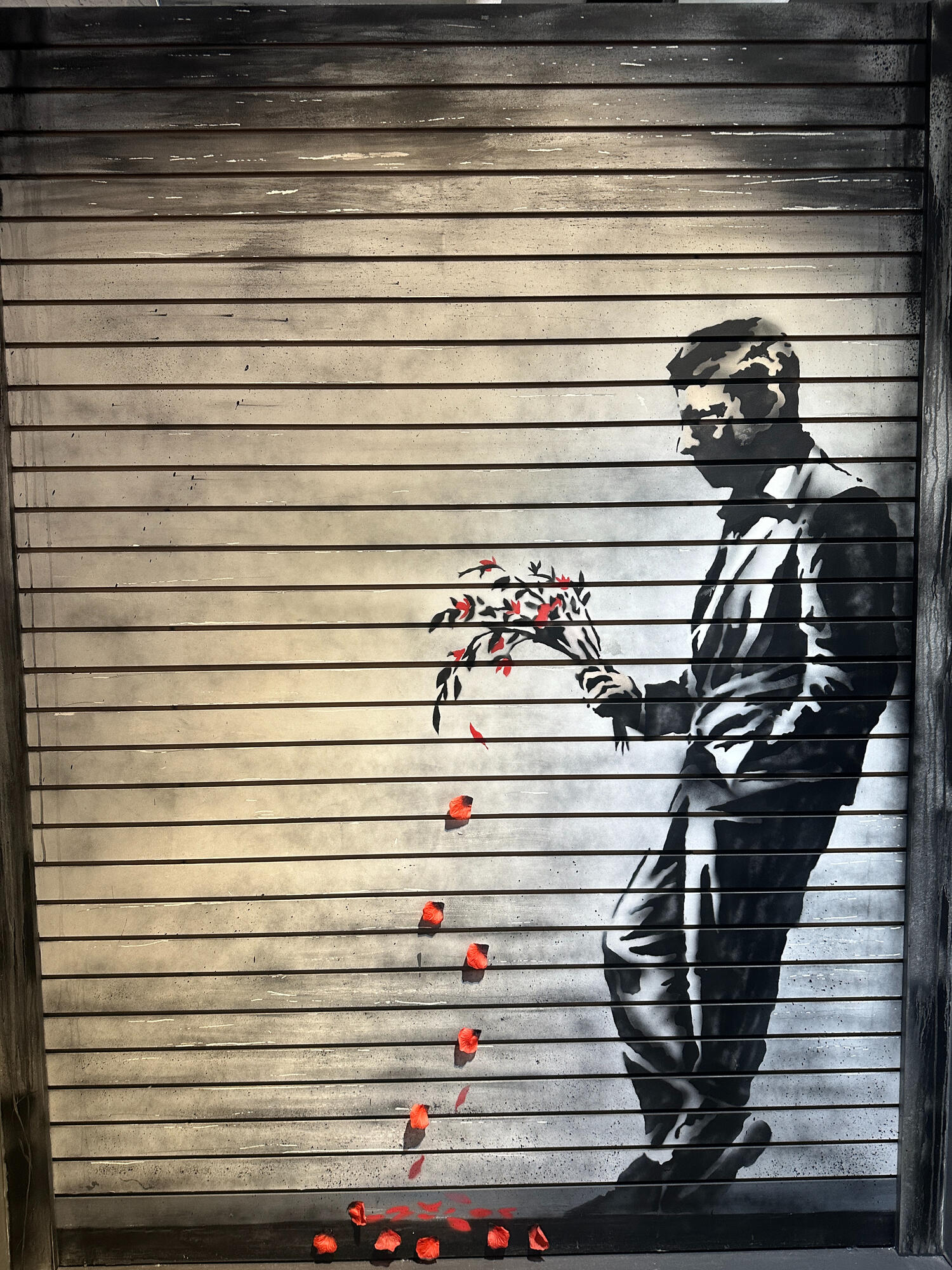
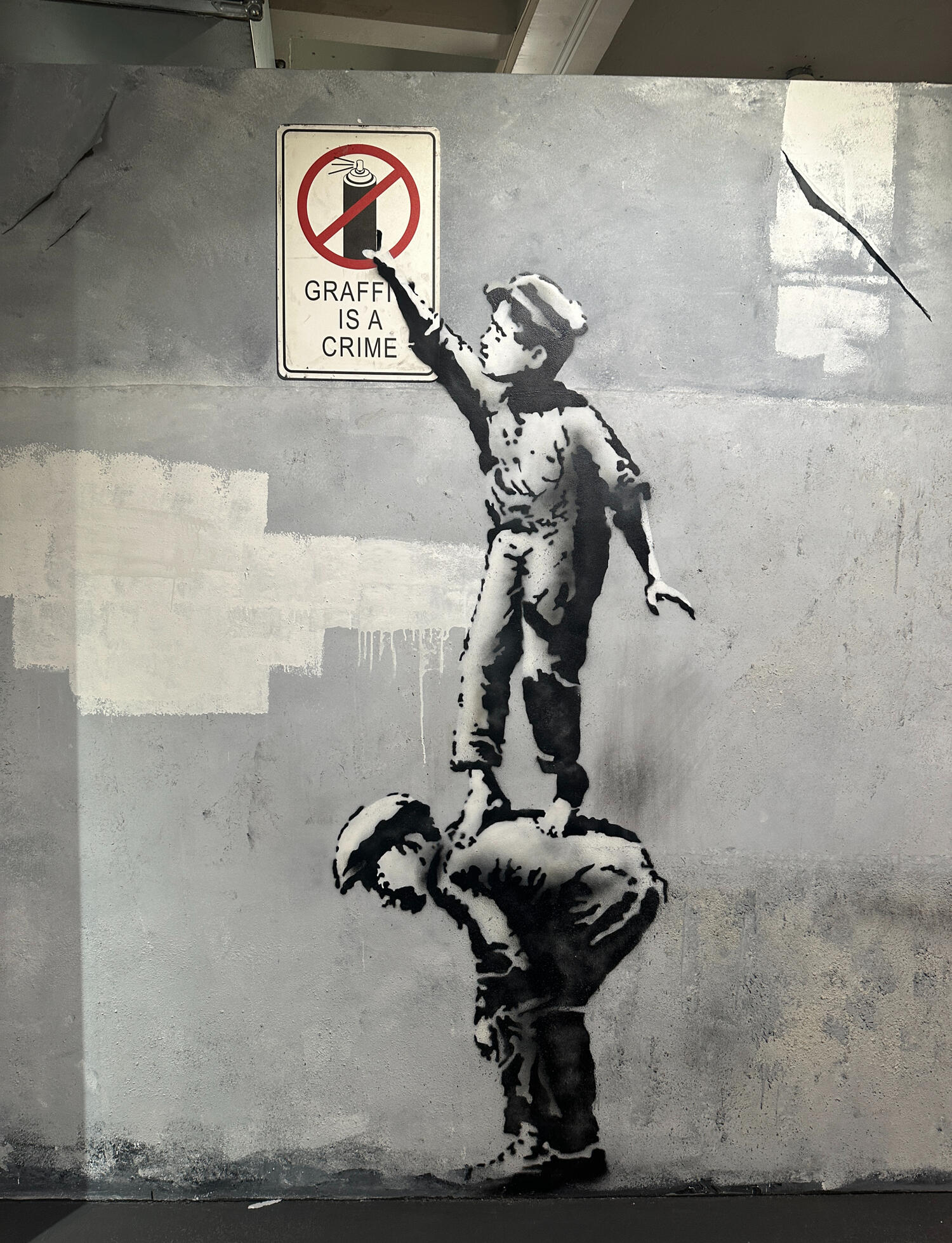
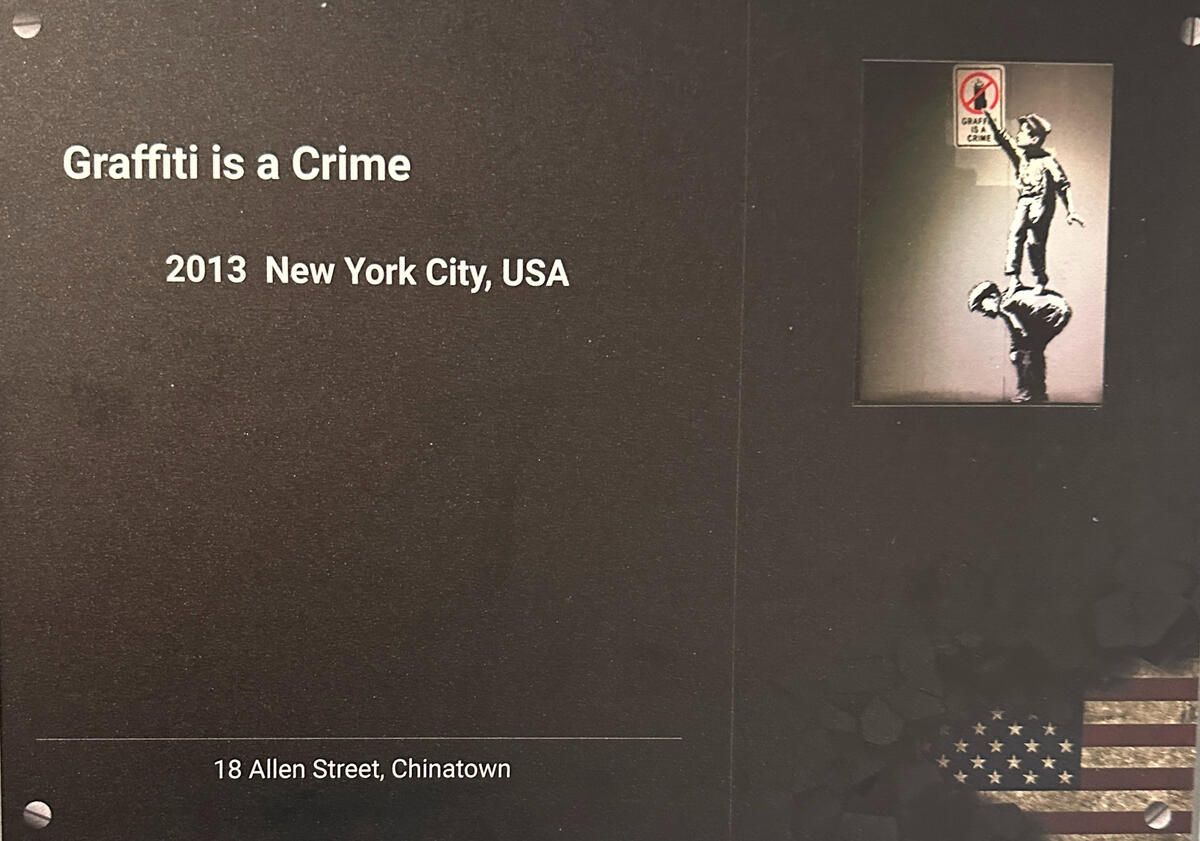
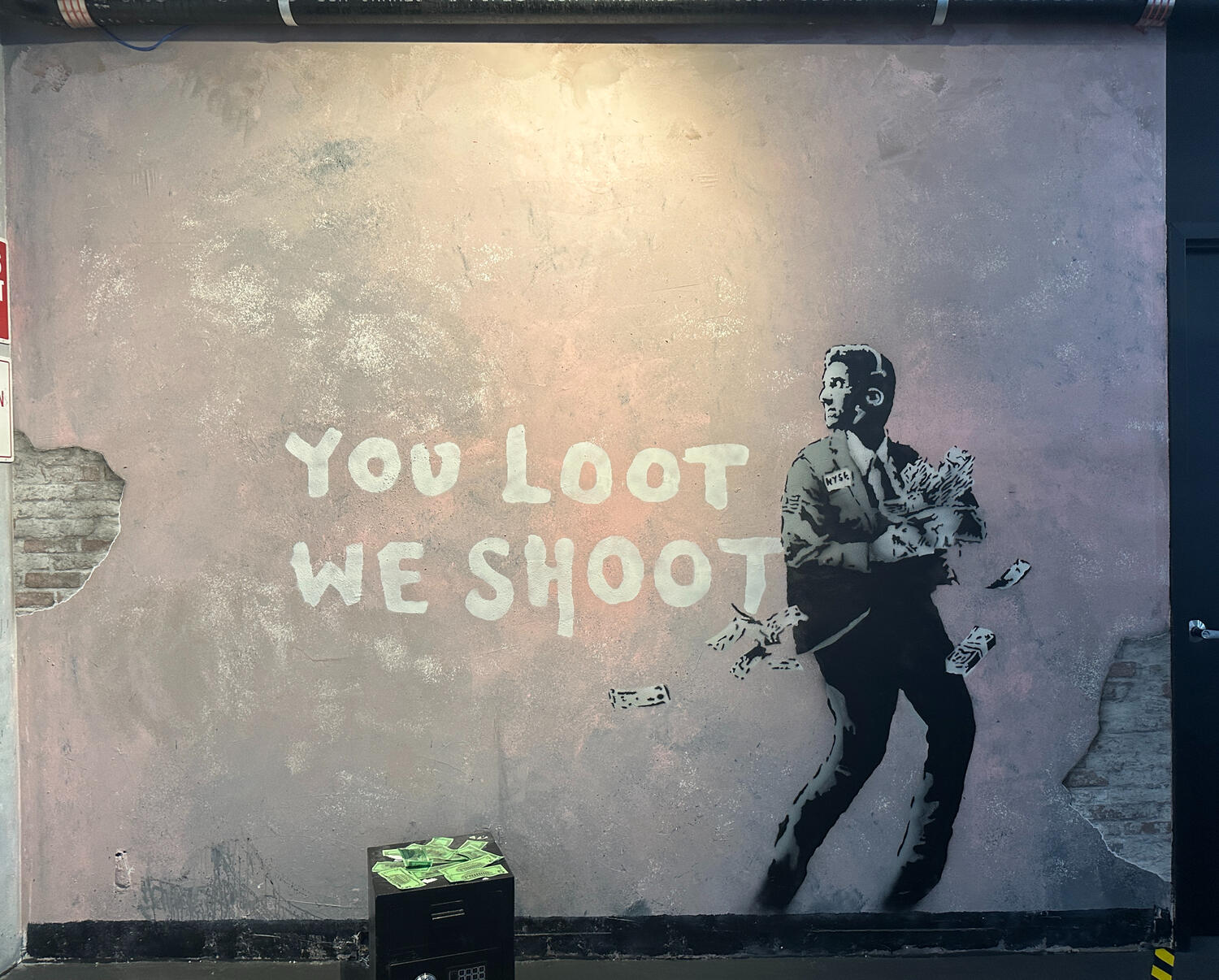
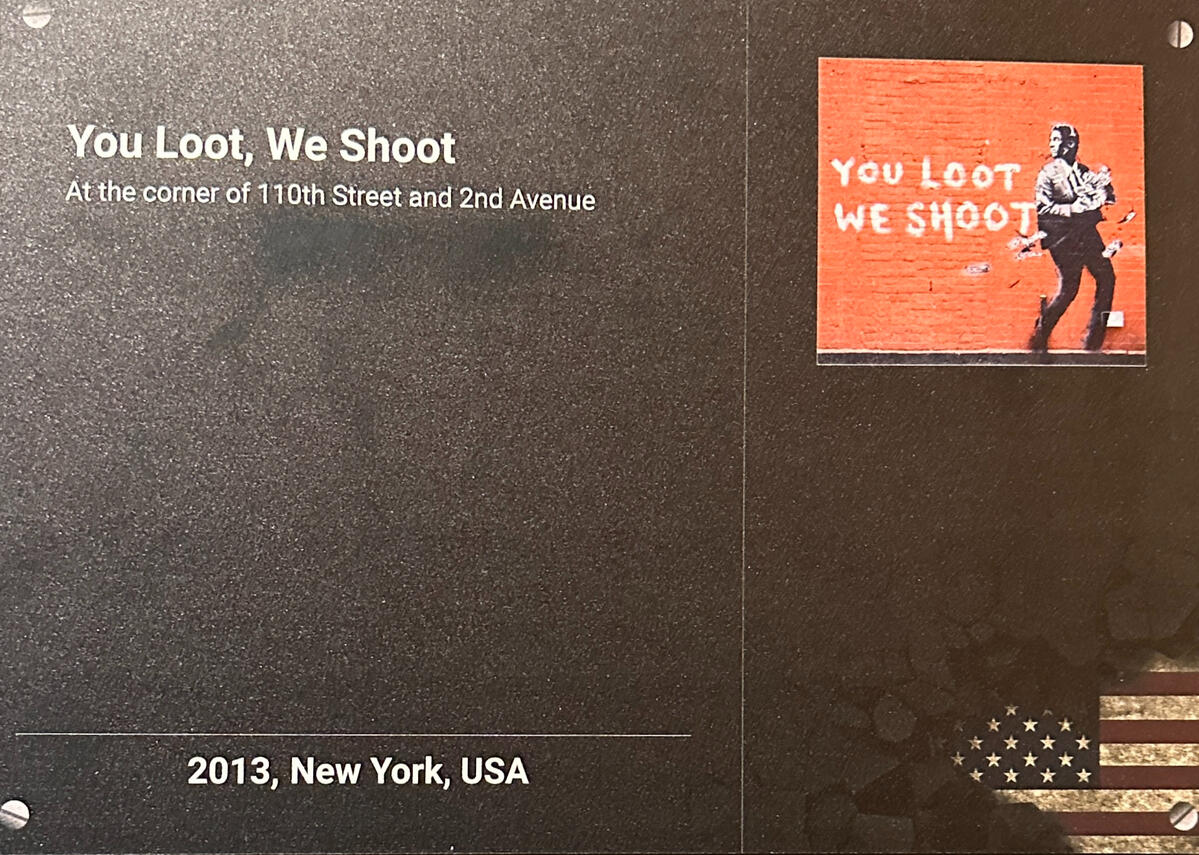
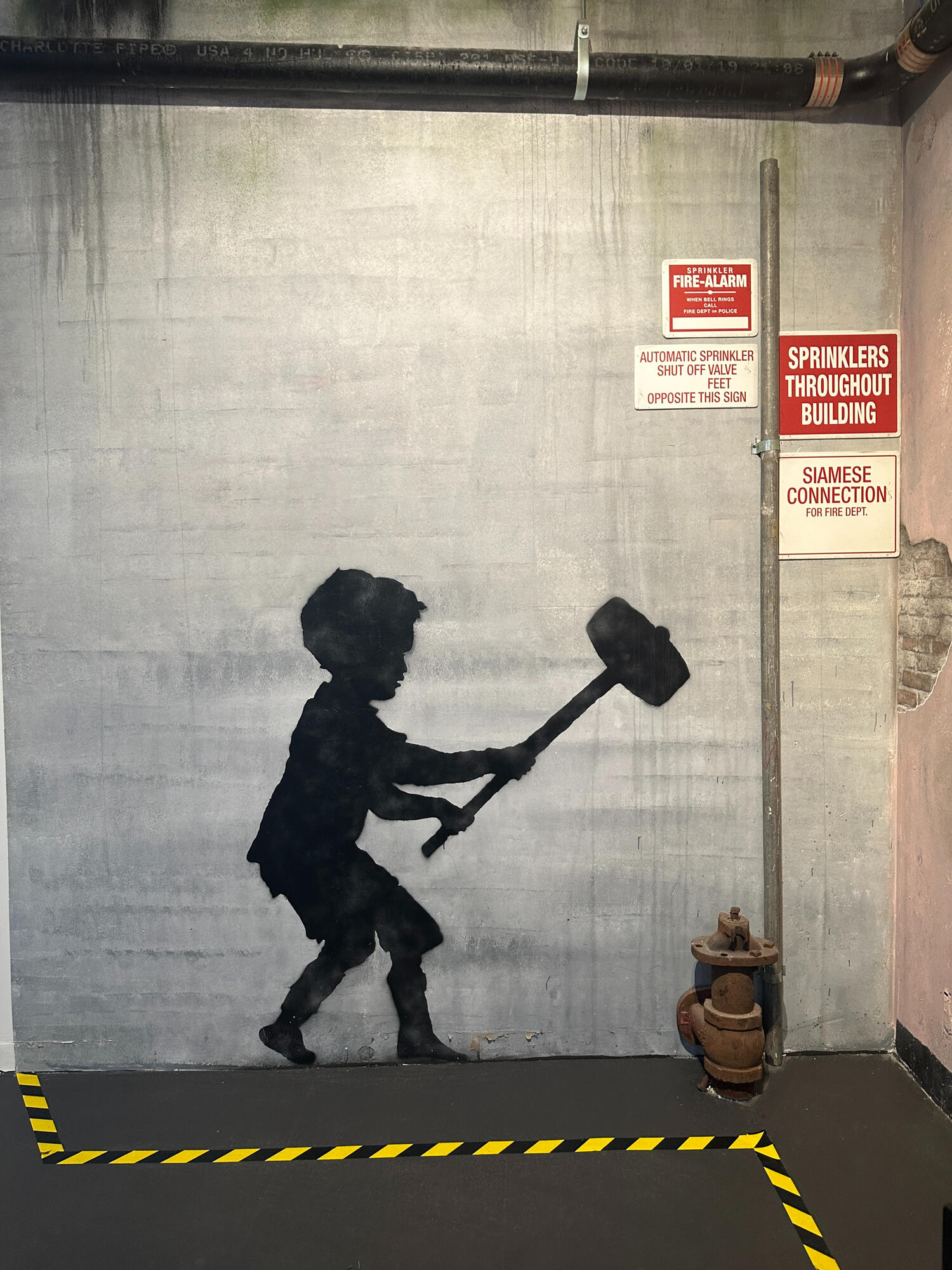
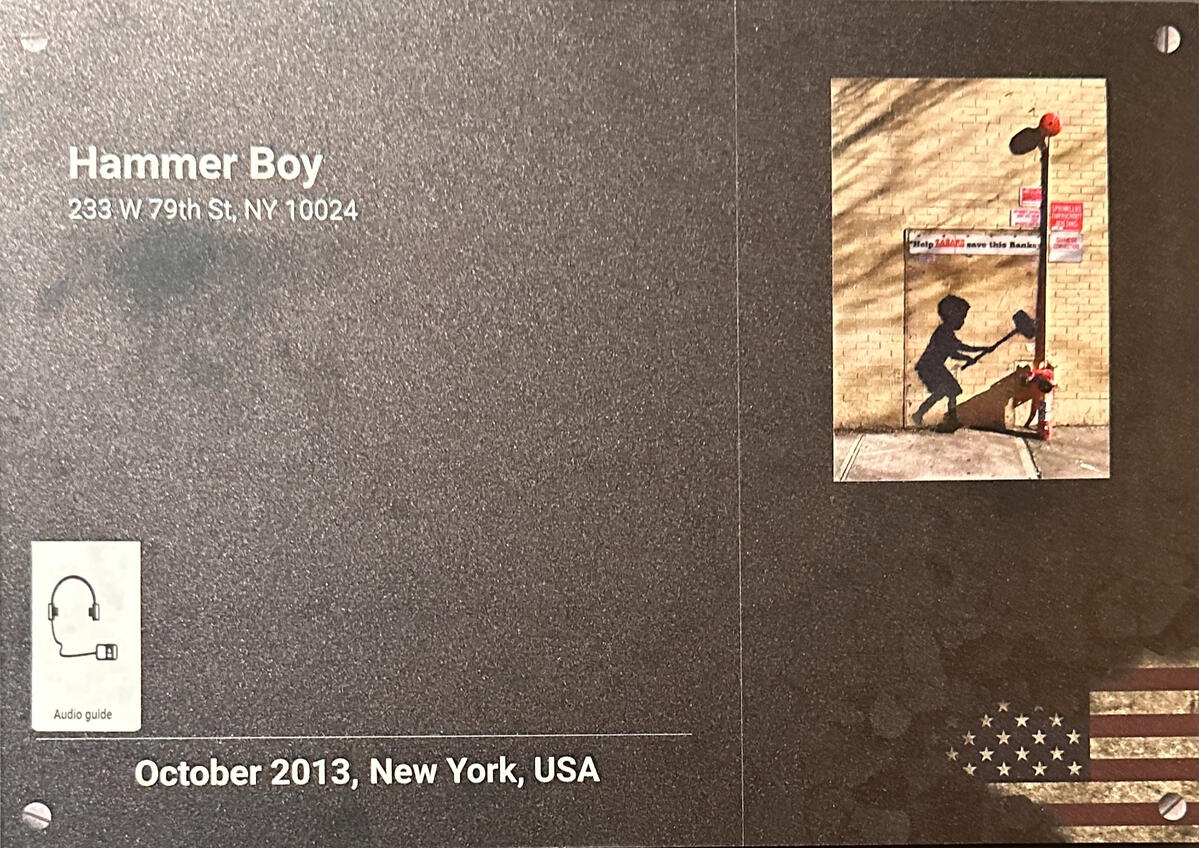
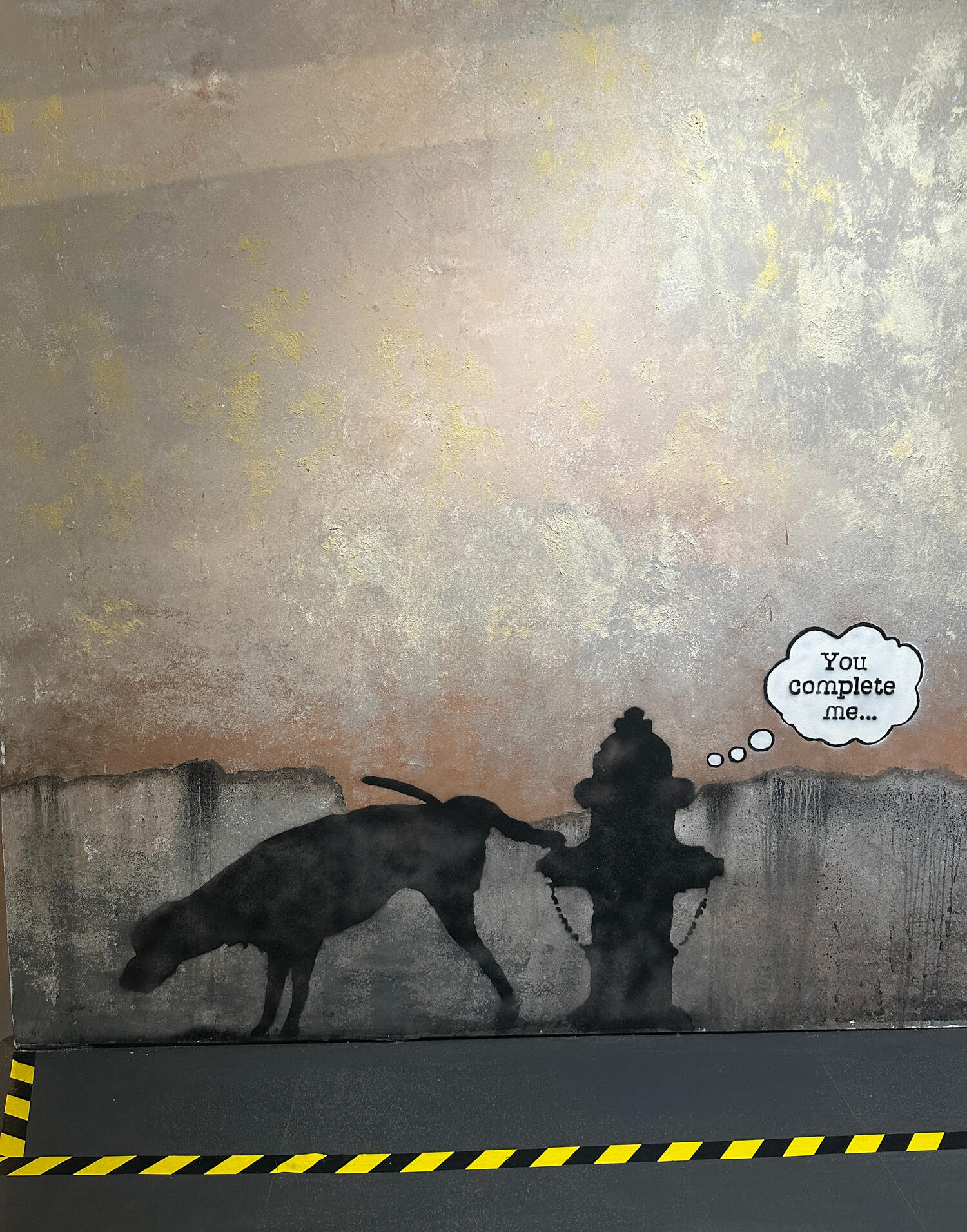
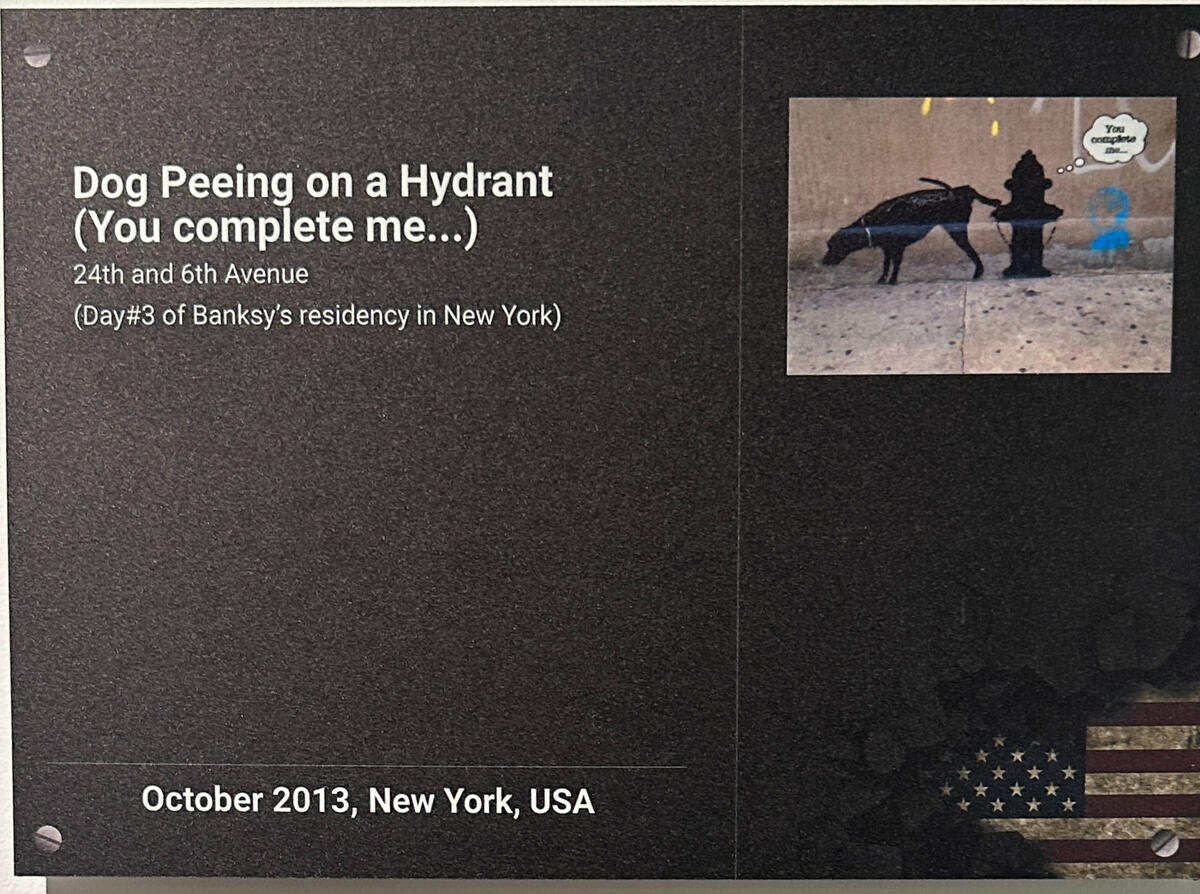
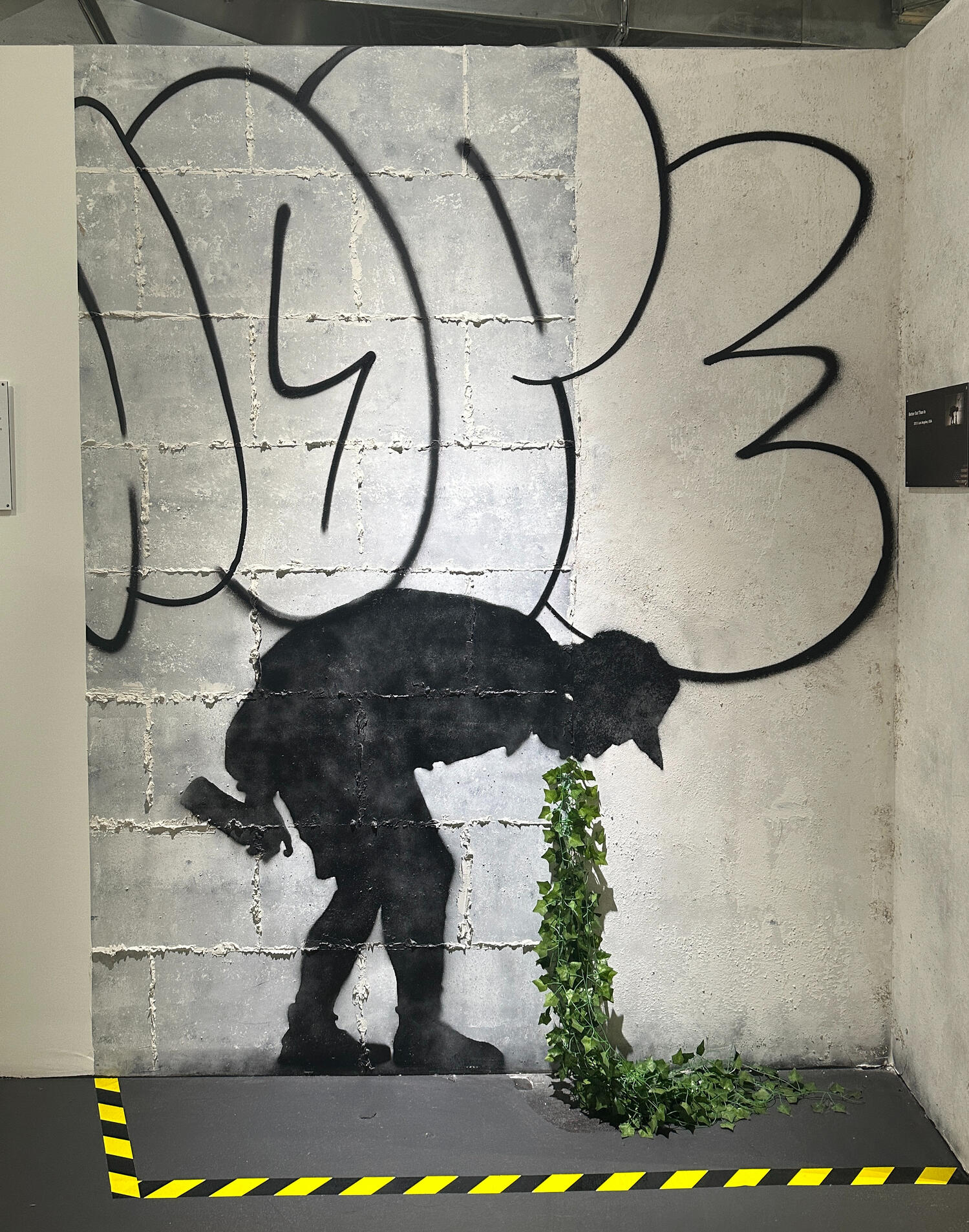
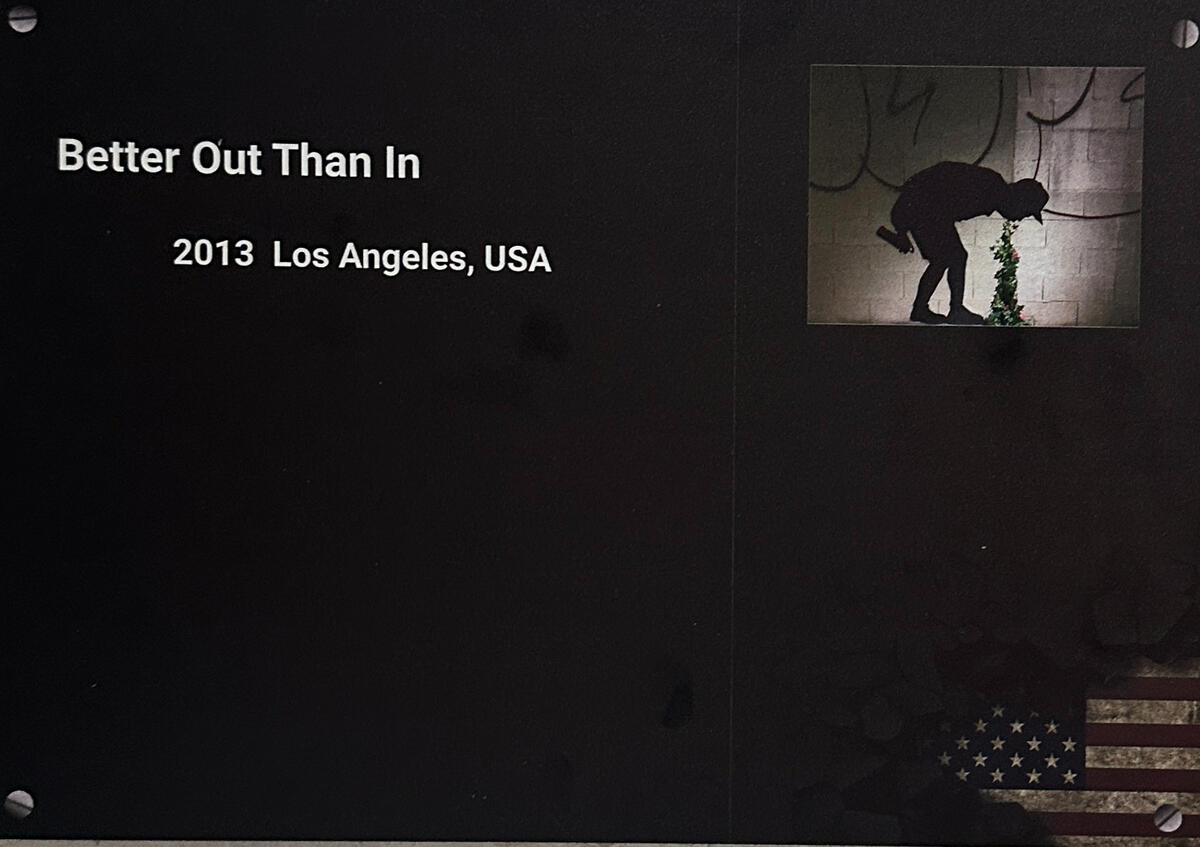
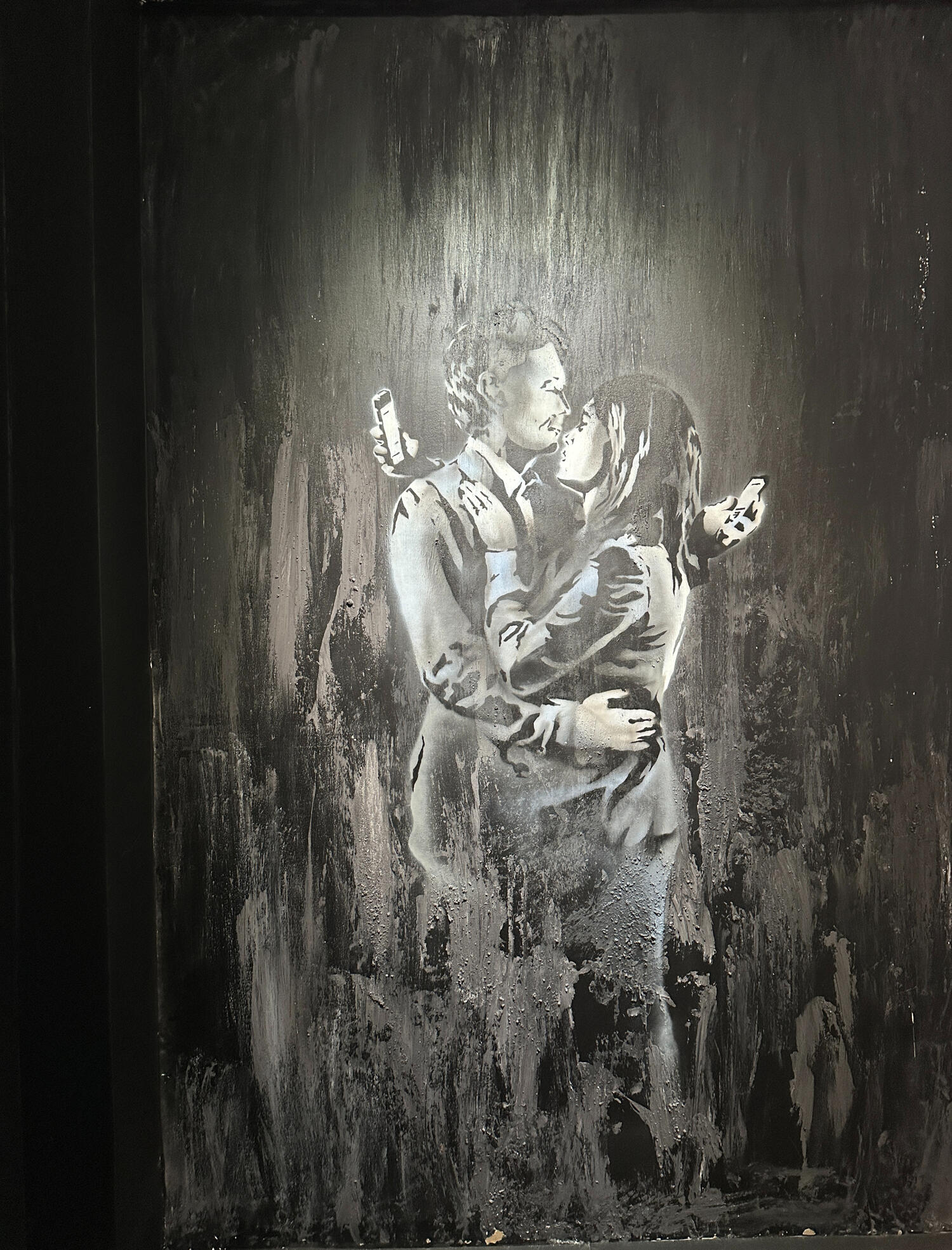
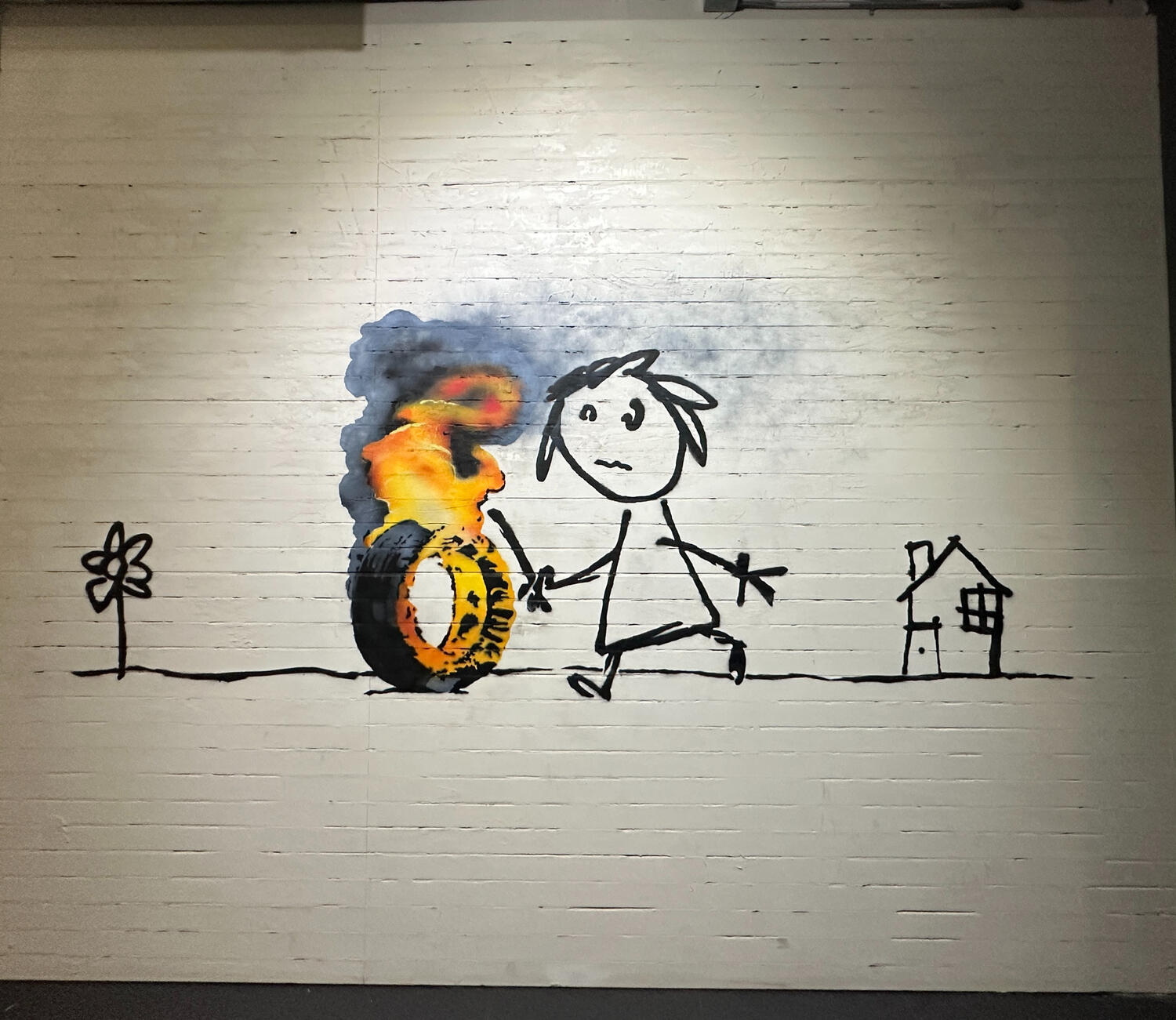
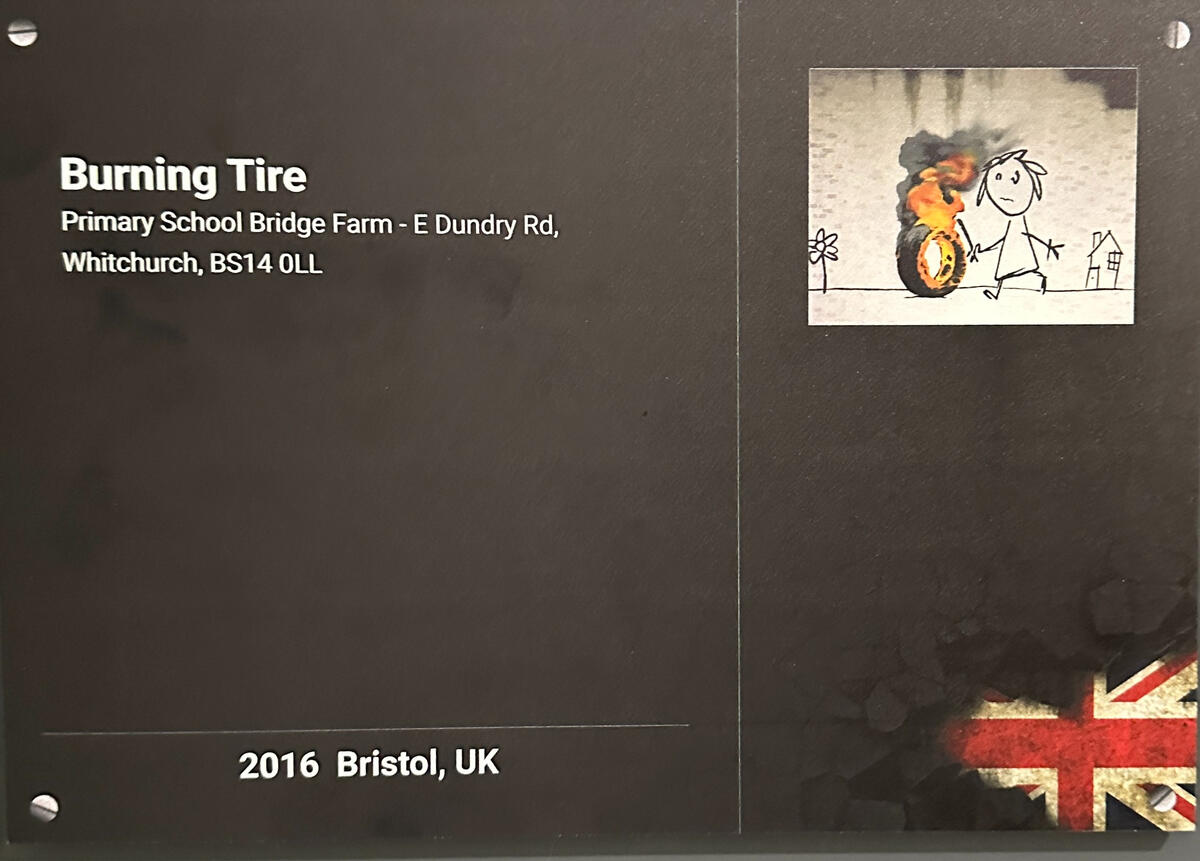
who is banksy
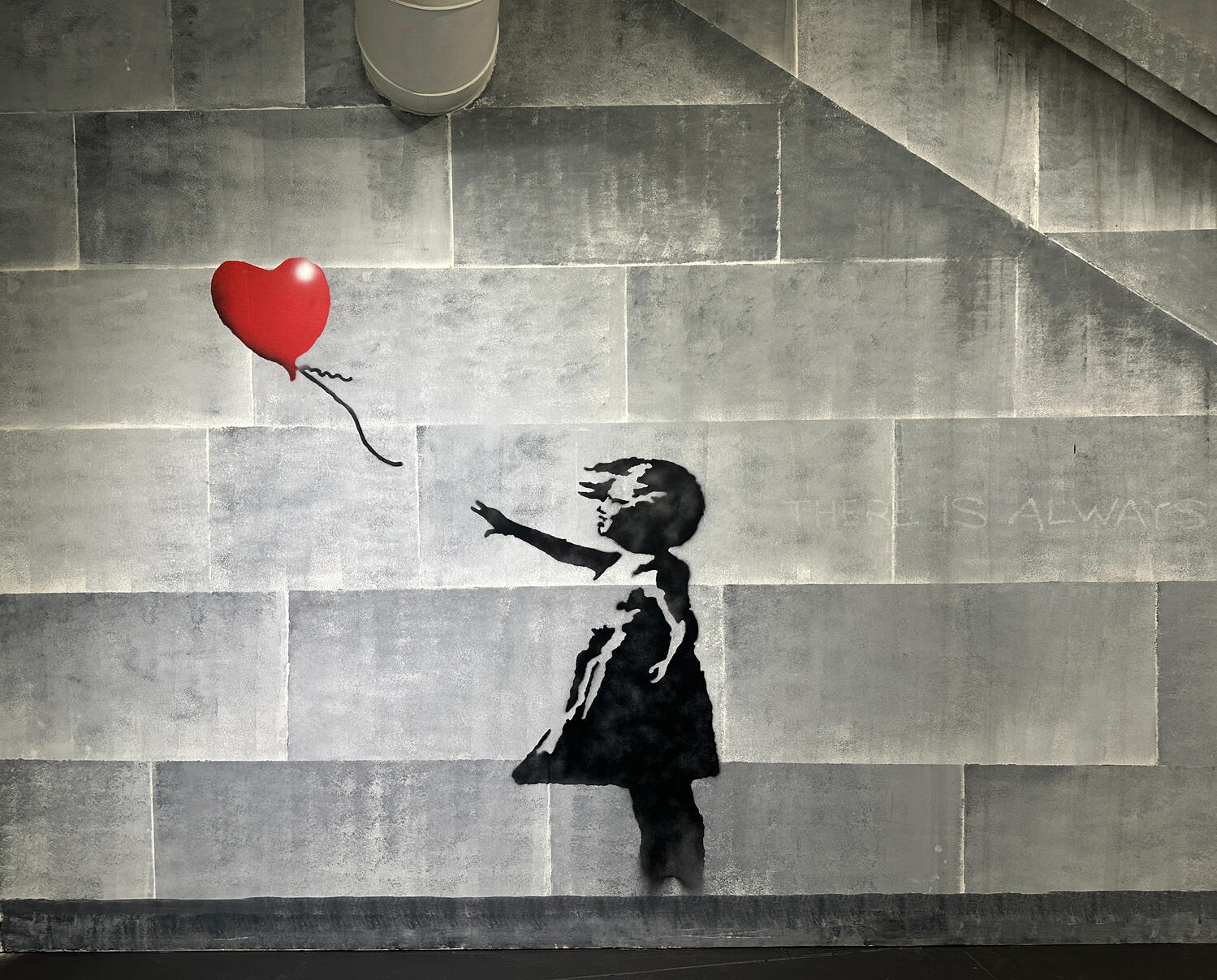
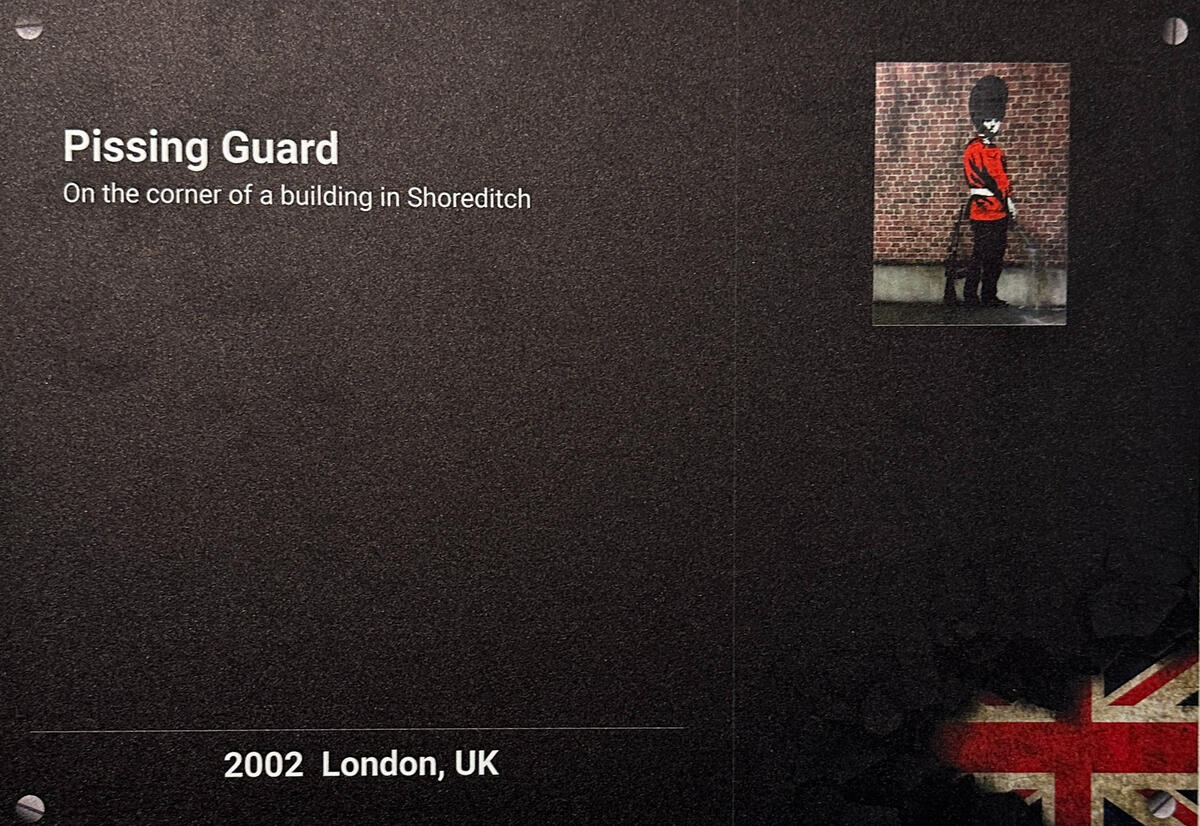
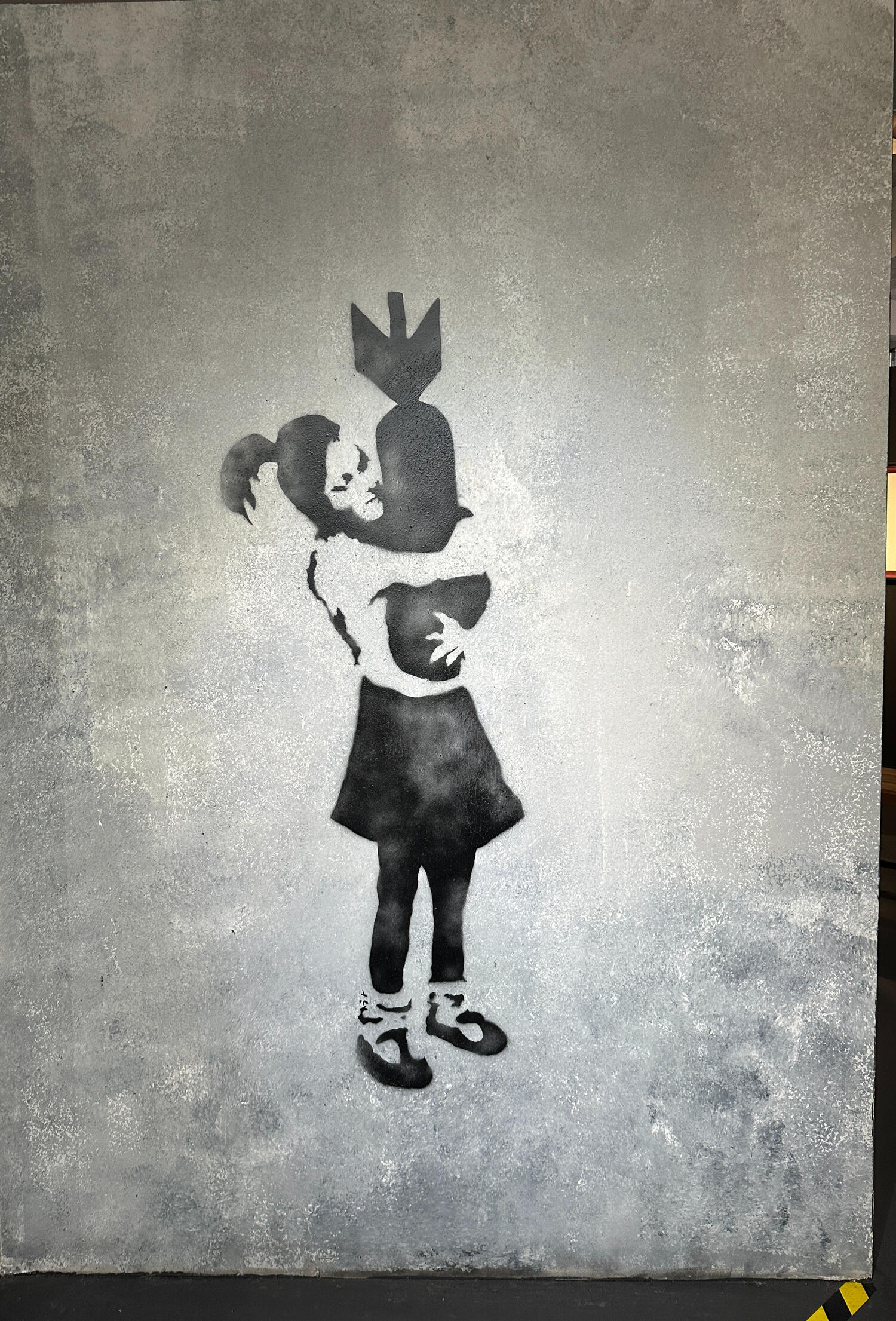
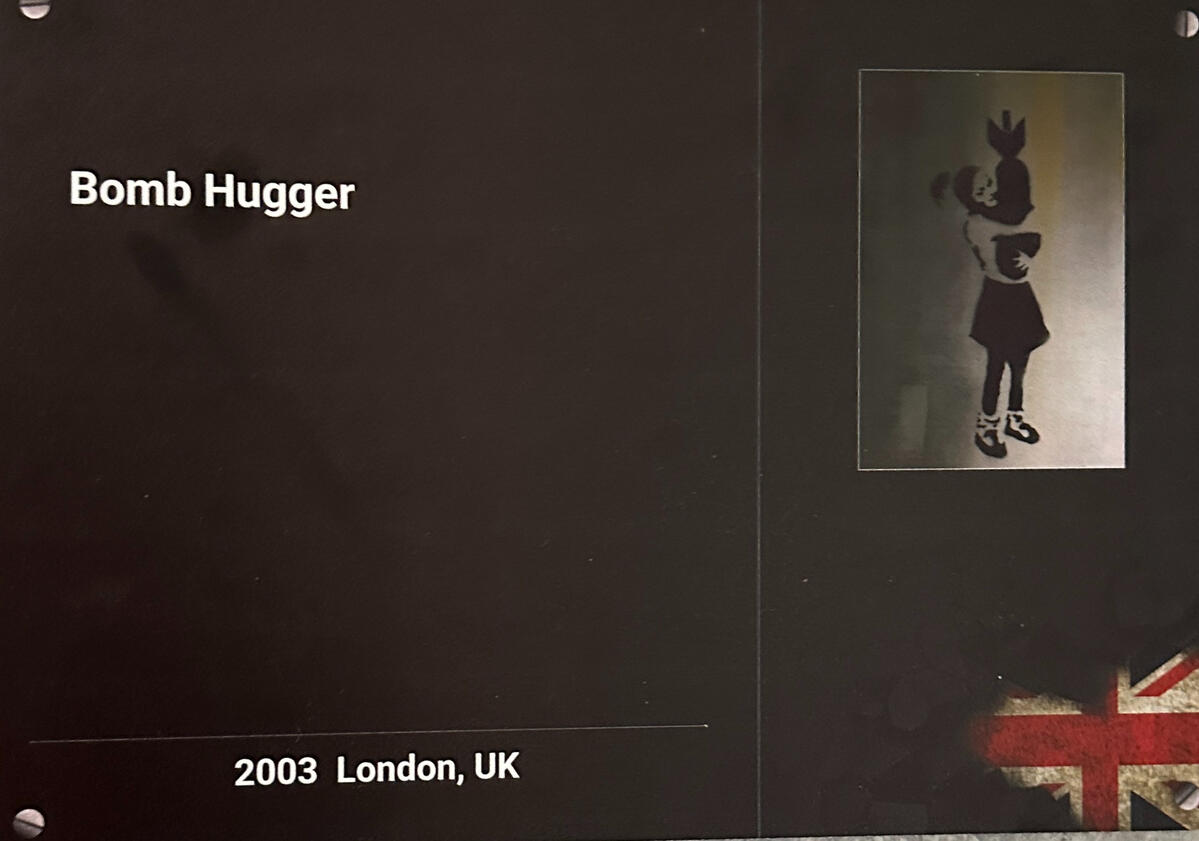
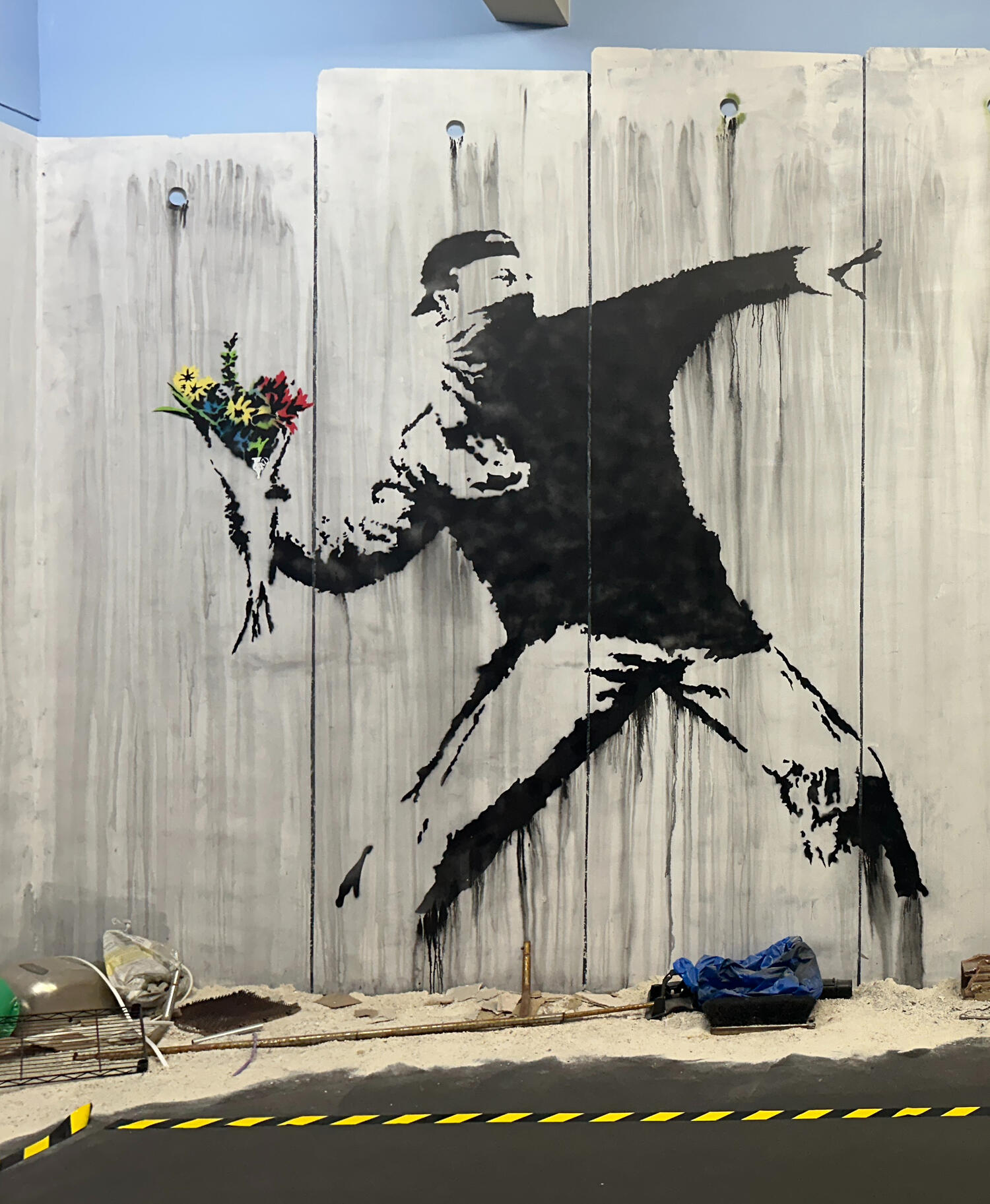
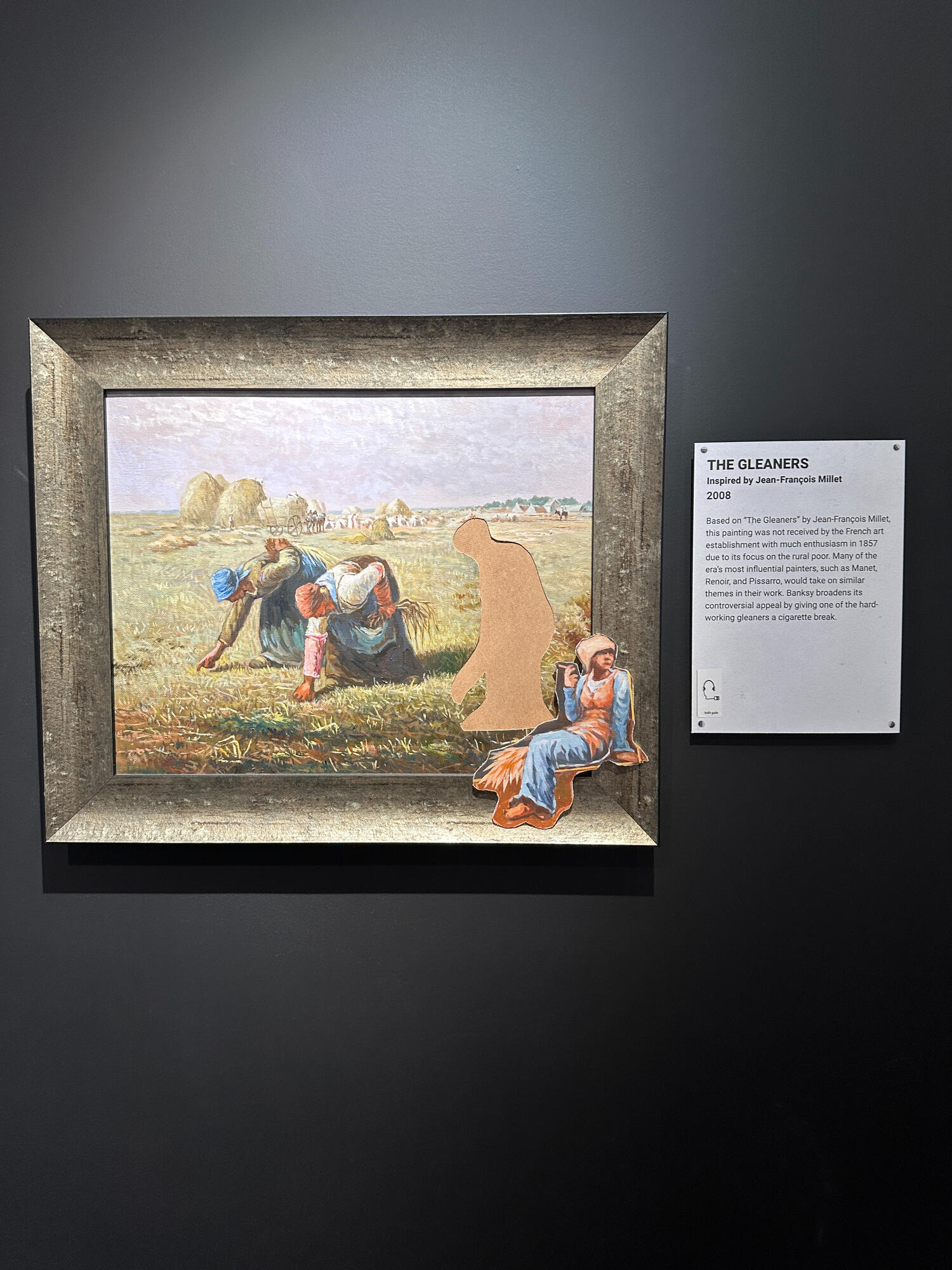
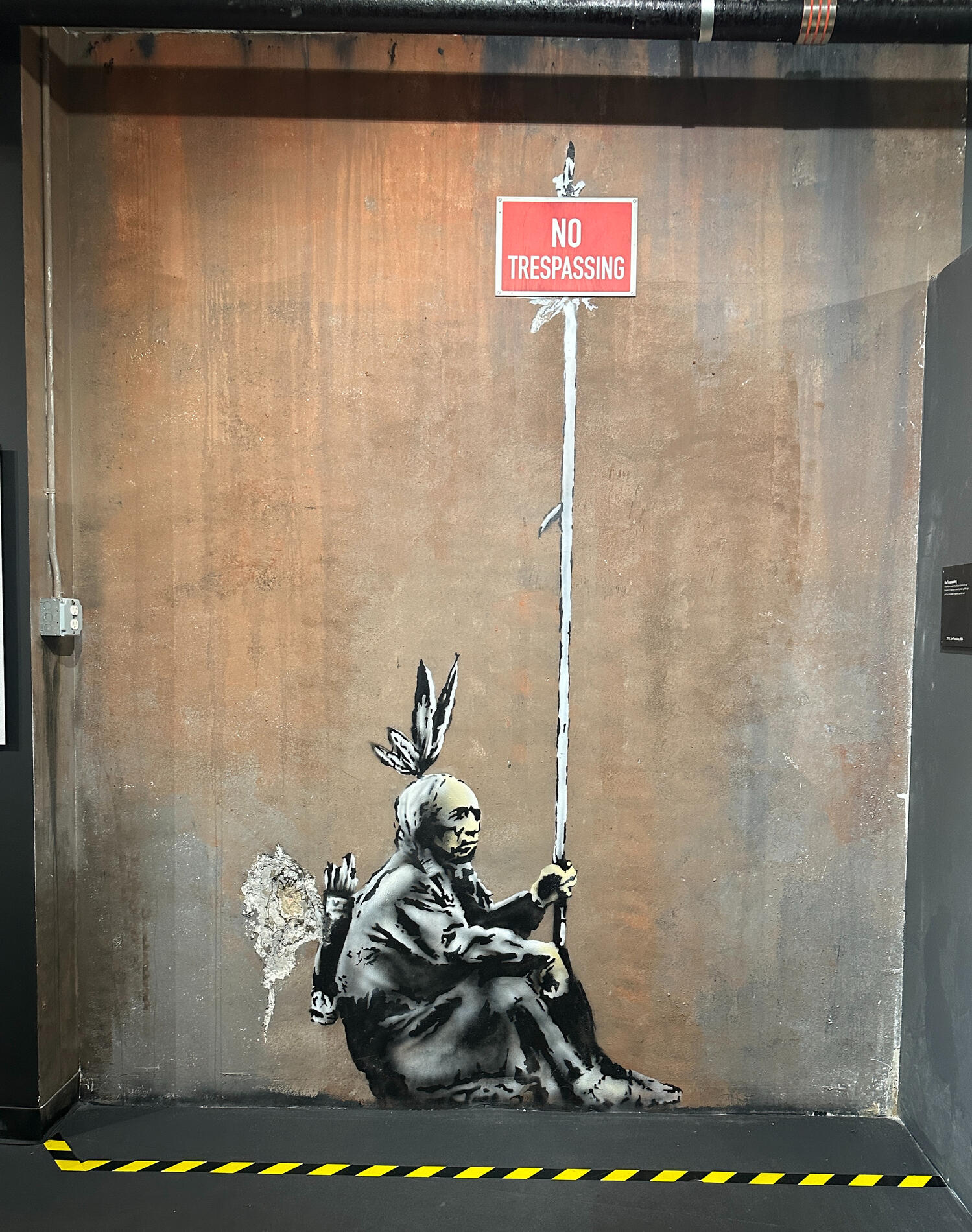
Though his identity remains shrouded in secrecy, Banksy's name reverberates across the globe, making him perhaps the most renowned and enigmatic graffiti artist alive today. Widely regarded as a provocateur by some and a visionary artist by others, Banksy's influence transcends the realms of street art. His impact was underscored when Time Magazine named him one of the top 100 influential people in the world in 2010, alongside luminaries such as Barack Obama, Steve Jobs, and Lady Gaga.
The genesis of Banksy's journey can be traced back to the graffiti scene in Bristol during the 1980s. In this vibrant urban landscape, graffiti emerged as a means of expression primarily among young individuals from the middle-to-lower class. Meanwhile, a 21-year-old youth worker from Barton Hill named John Nation found himself captivated by the graffiti adorning the streets of Amsterdam during a visit in 1982. Inspired, he diligently documented the vibrant Amsterdam street art scene and shared his findings with the burgeoning street art collective at the Barton Hill Youth Club, where he worked.
During this early period, graffiti primarily involved "tagging signatures" with spray paint, an activity that often drew the ire of local law enforcement. Despite facing crackdowns from authorities, the Barton Hill Youth Club provided a sanctuary for aspiring graffiti artists, serving as the breeding ground for Bristol's first generation of graffiti creators. Among them, Banksy is rumored to have honed his craft.
During its infancy, this new art form was predominantly a male pursuit, typically conducted under the cover of night and fraught with physical and legal risks. Despite these challenges, Banksy and his contemporaries forged ahead, laying the groundwork for what would eventually become a global phenomenon.
2000's
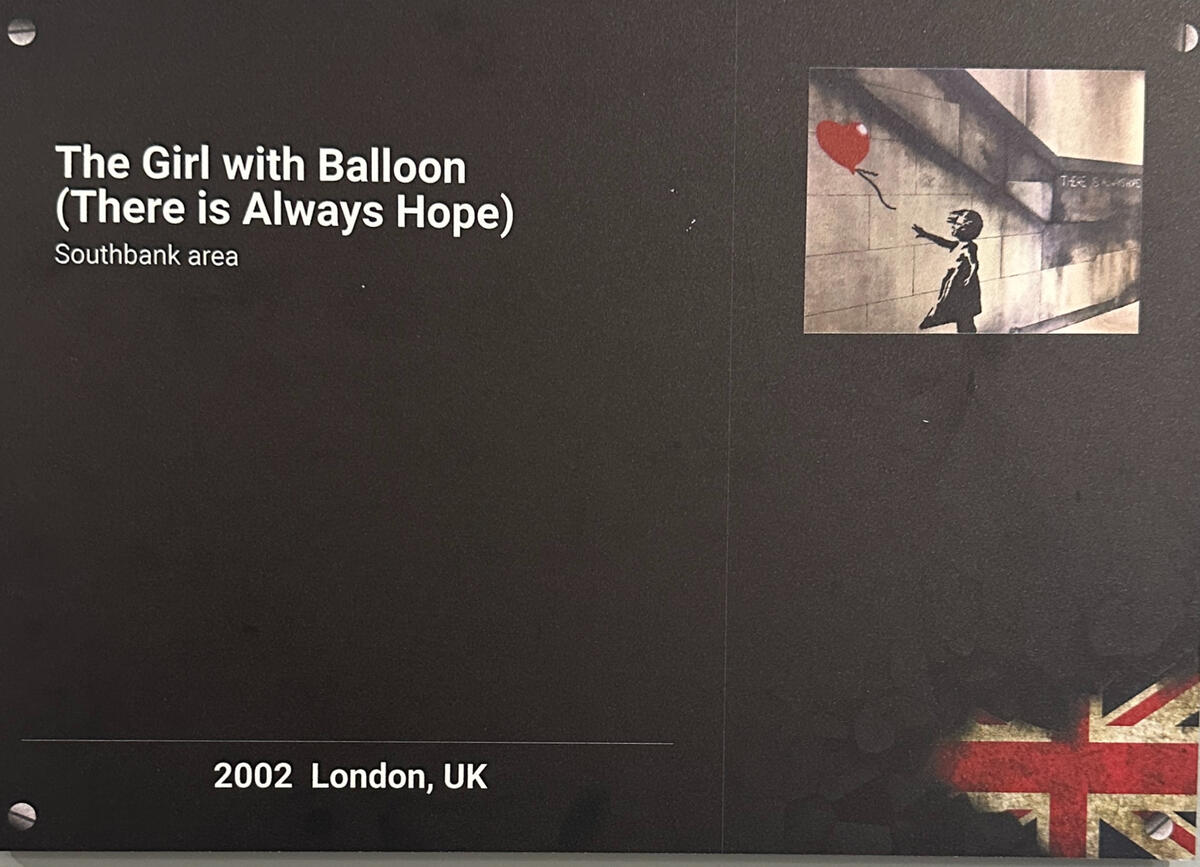
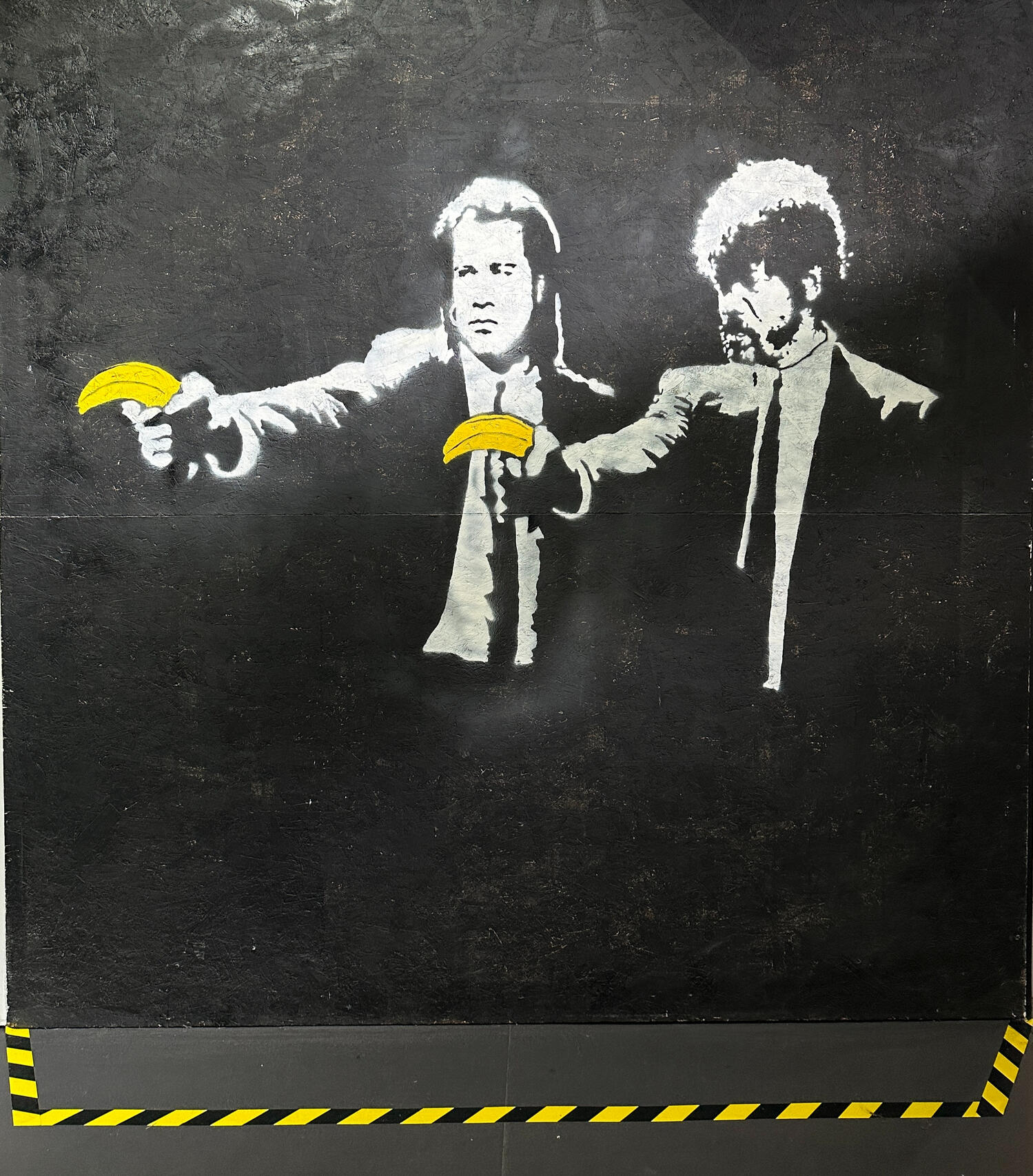
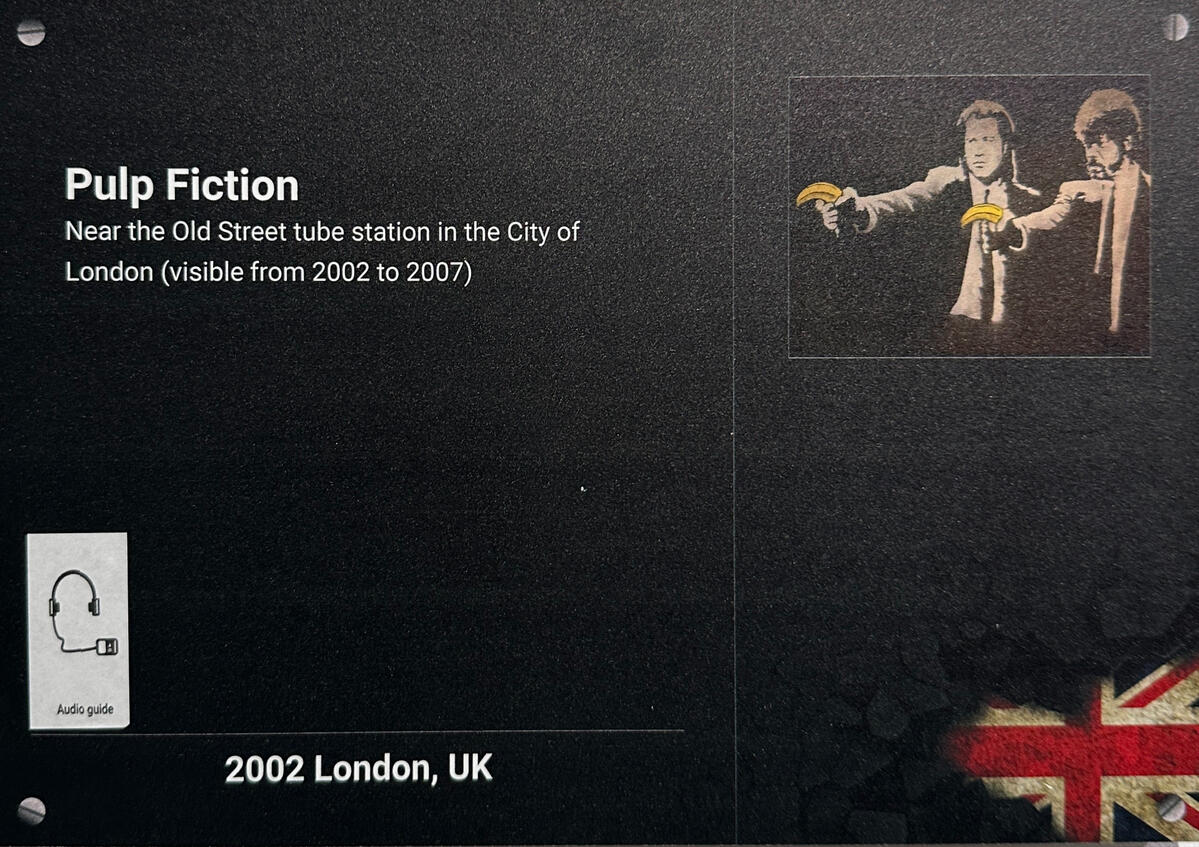
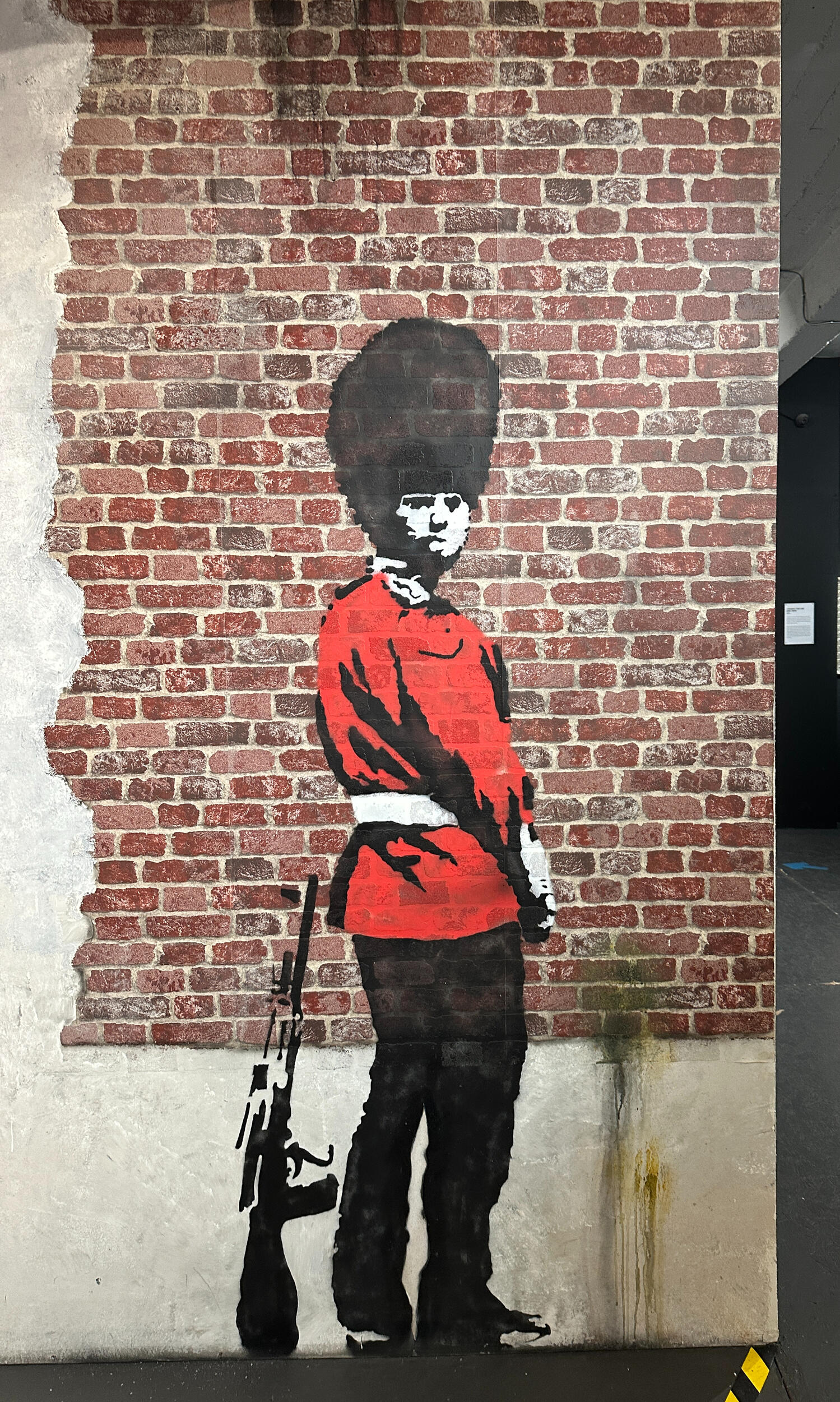
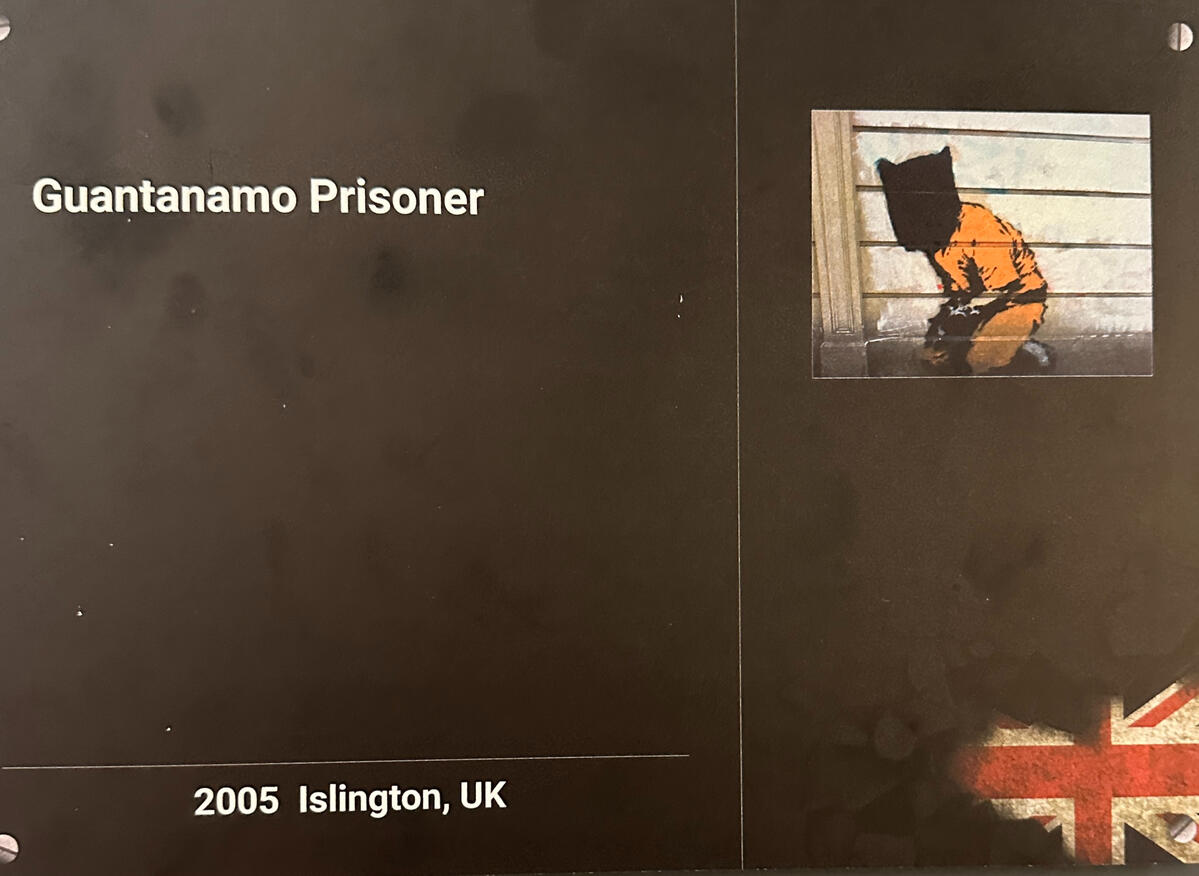
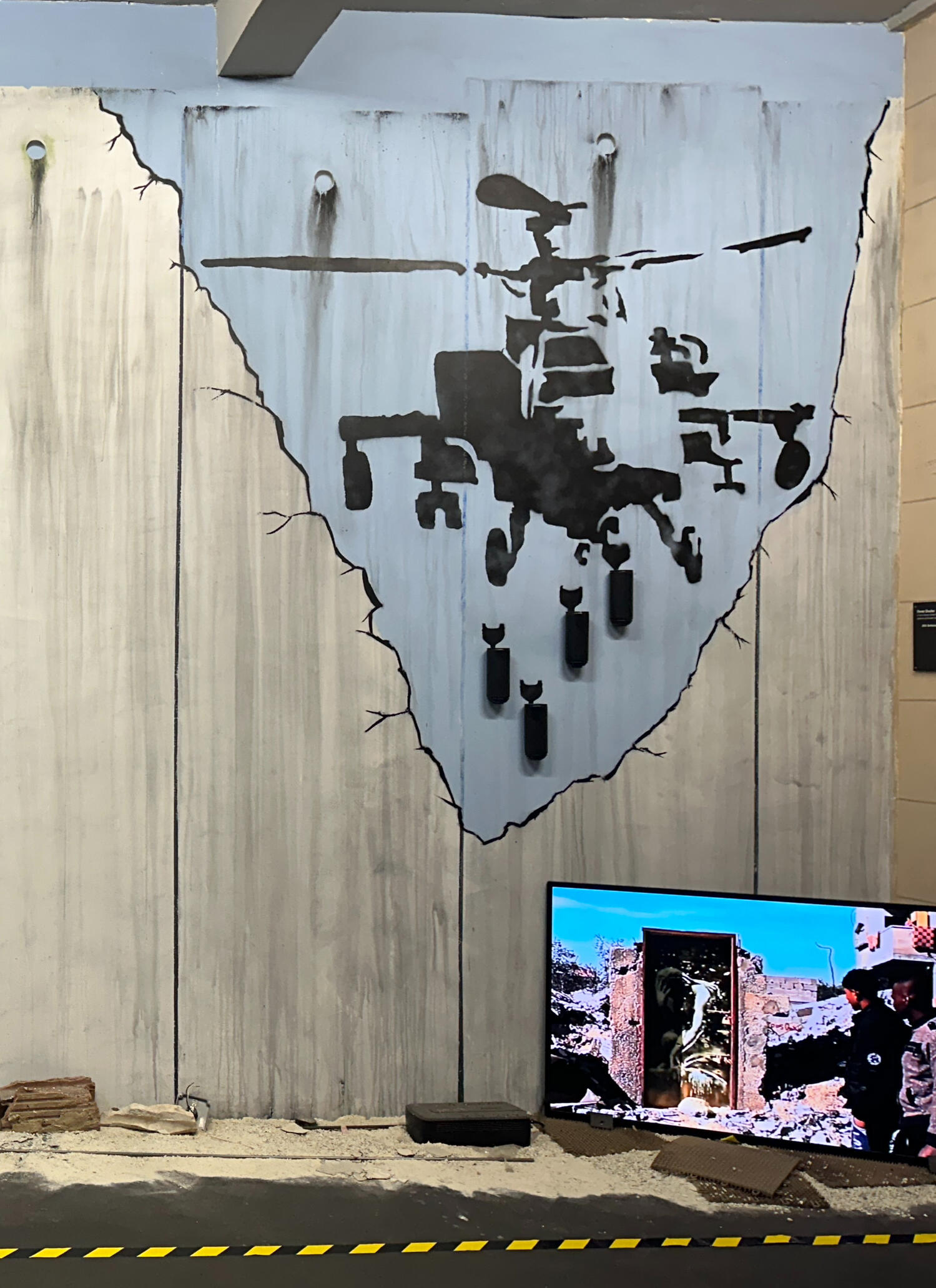
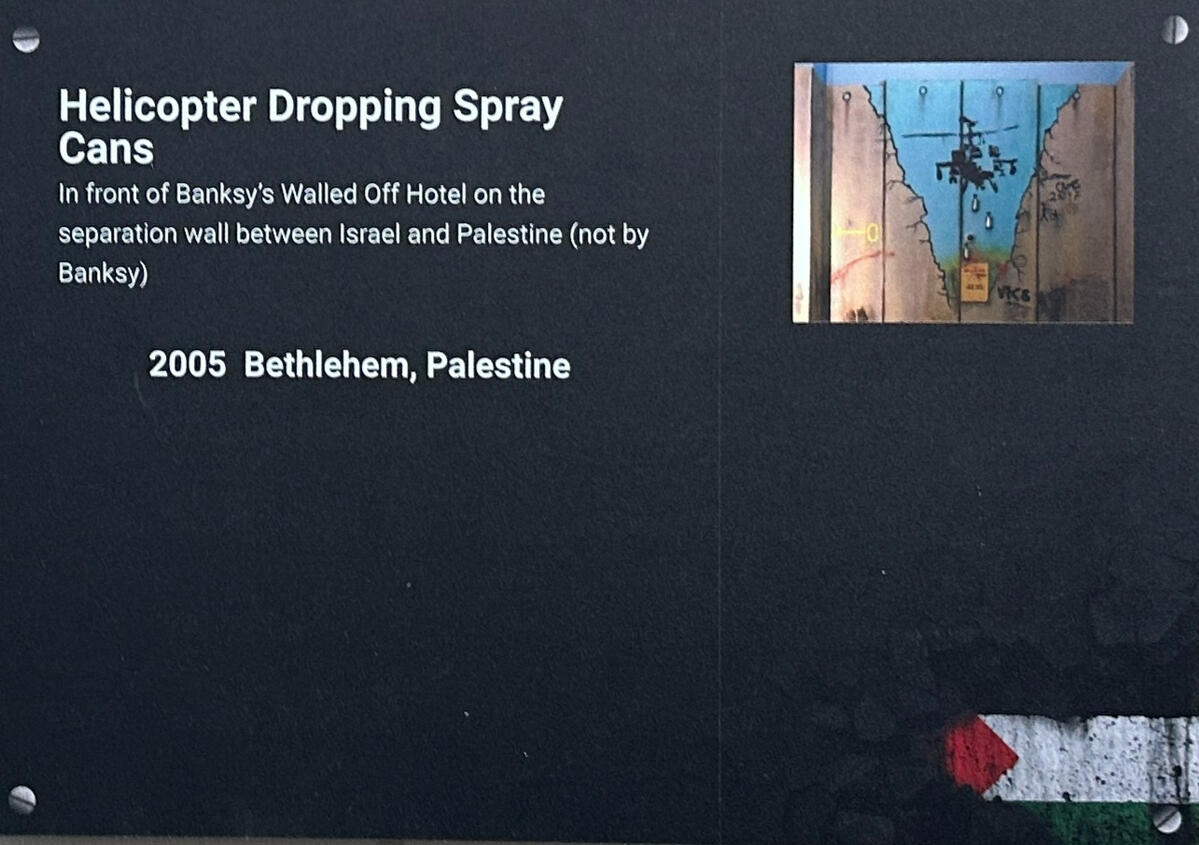
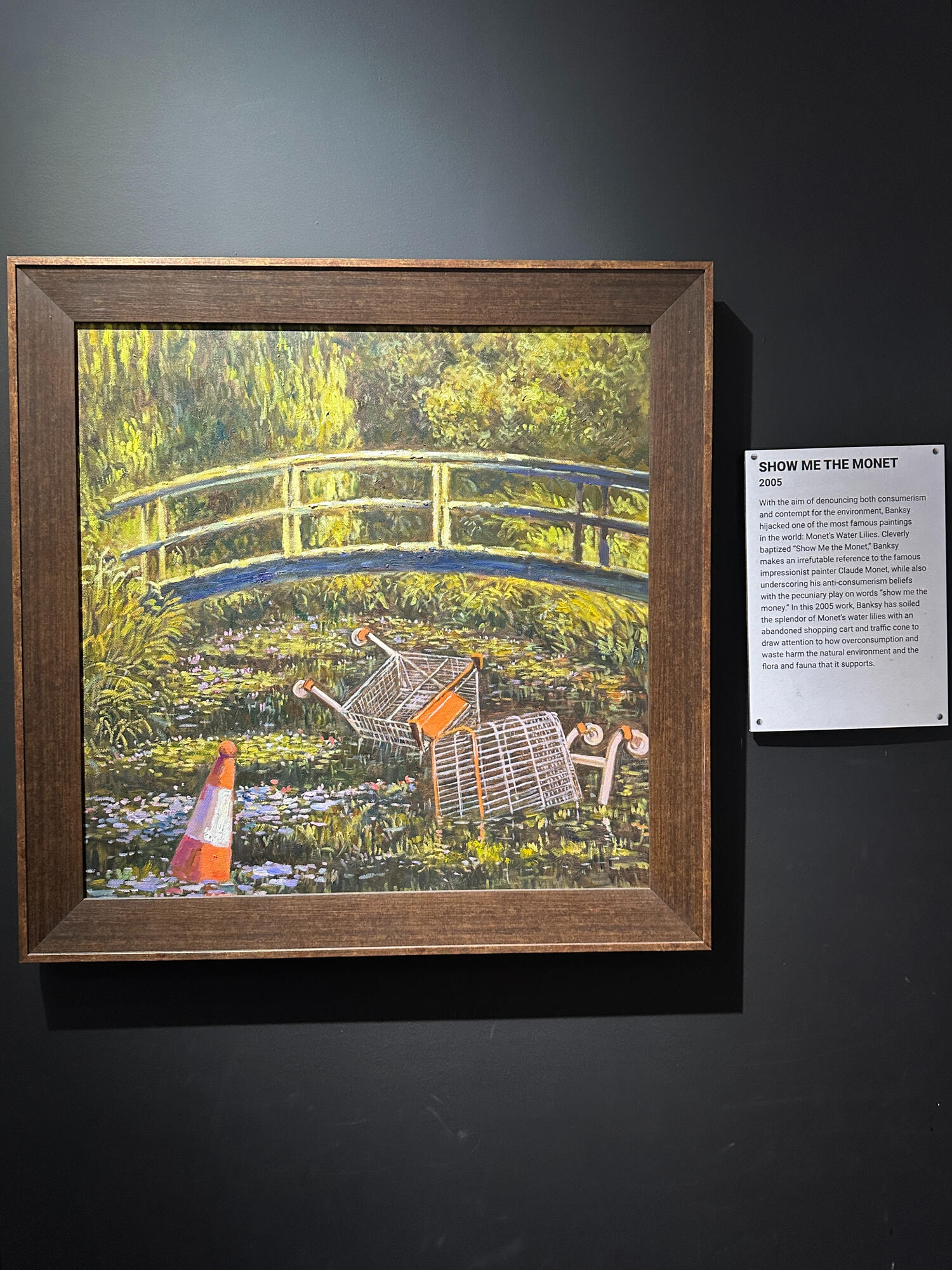
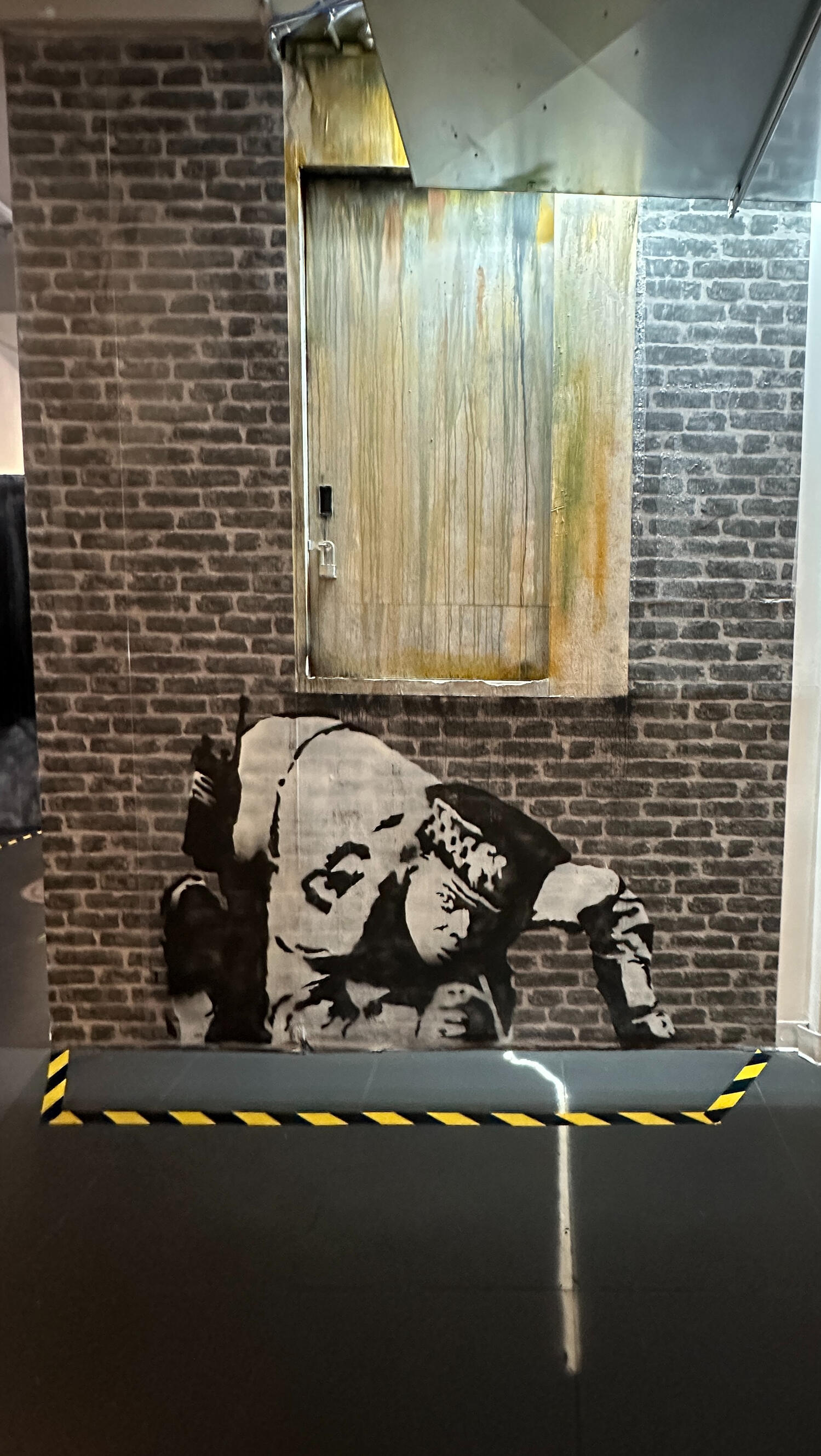
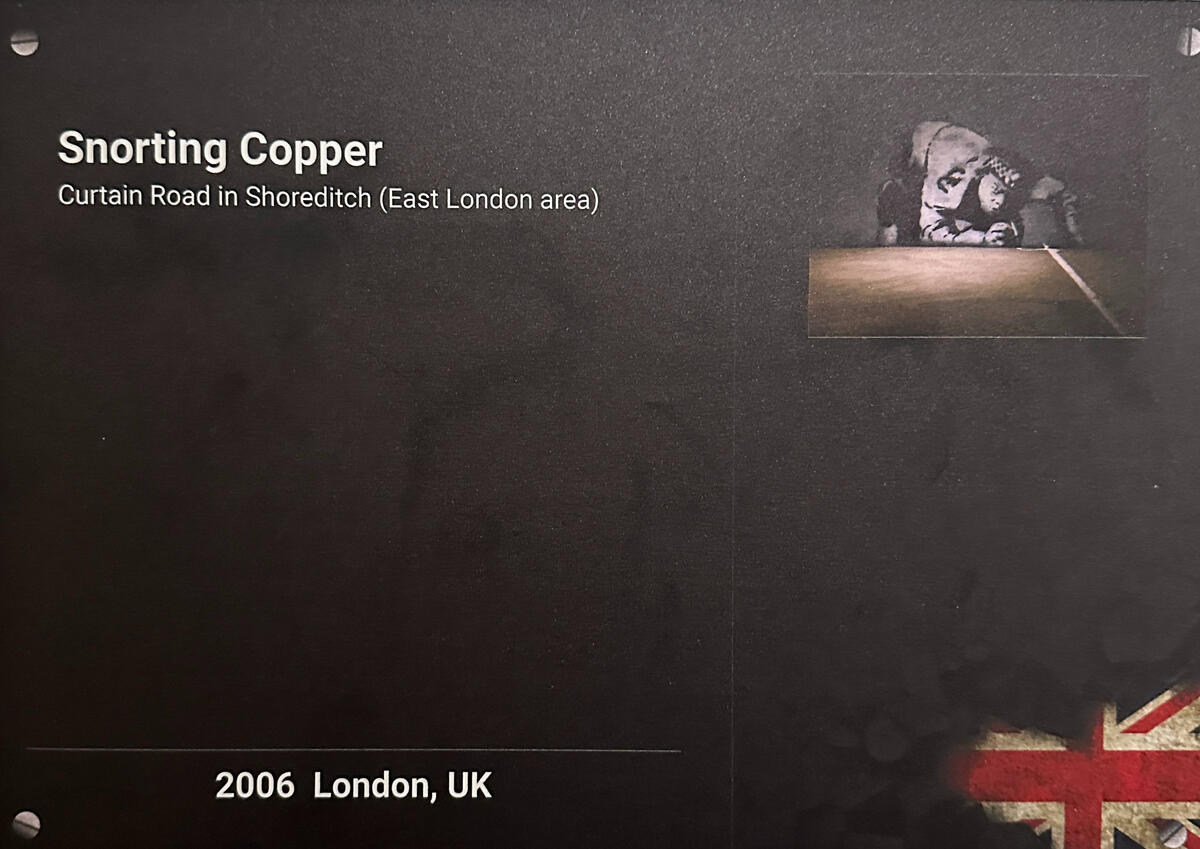
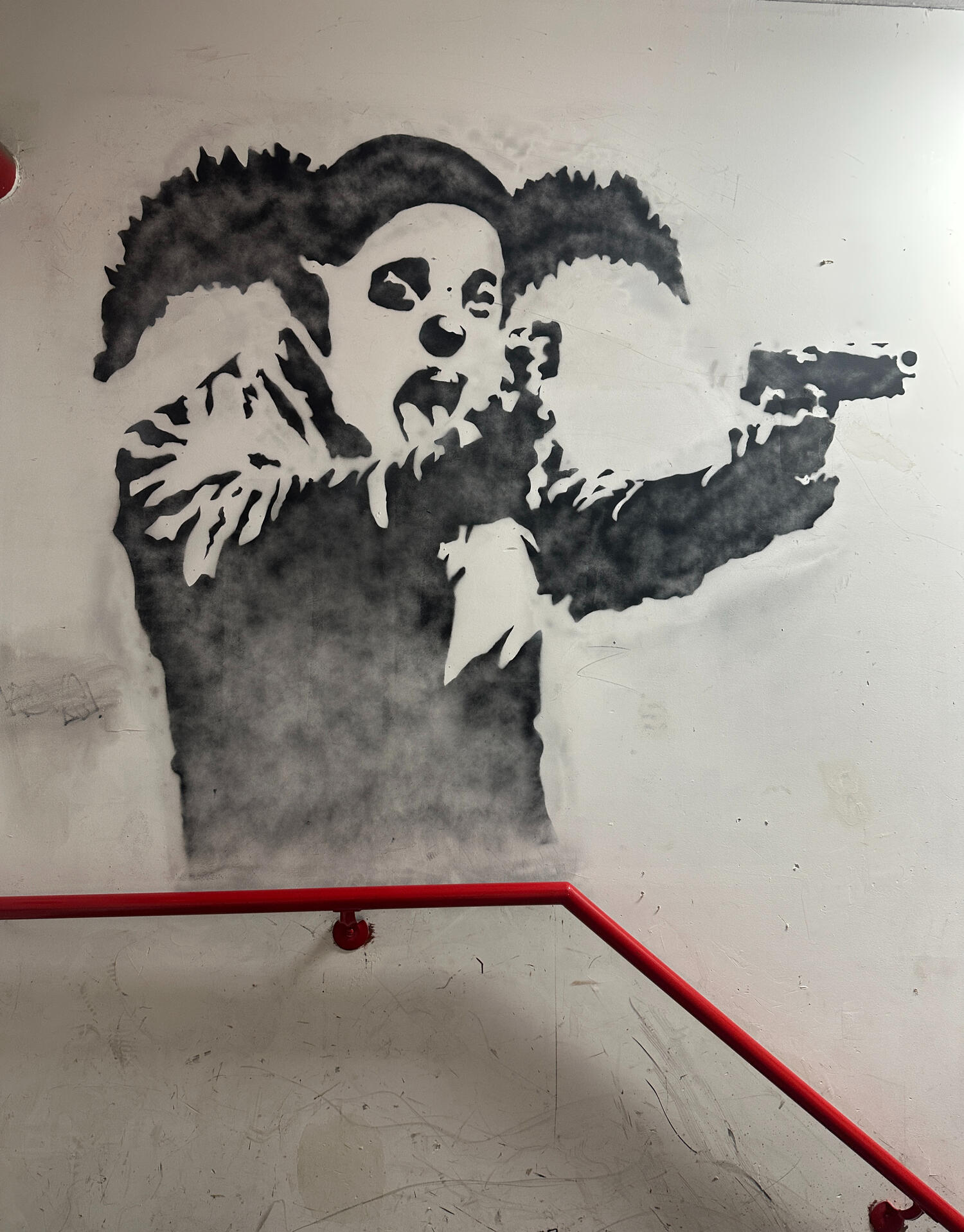
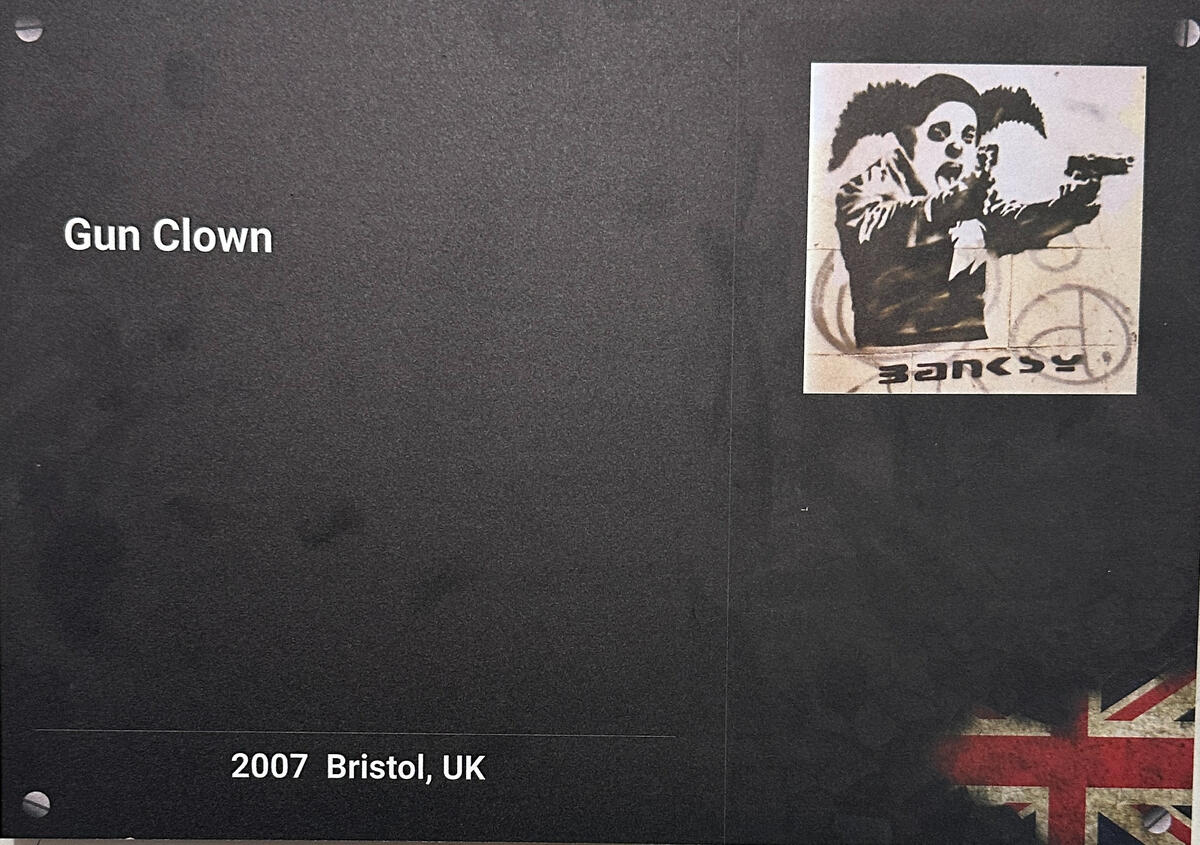
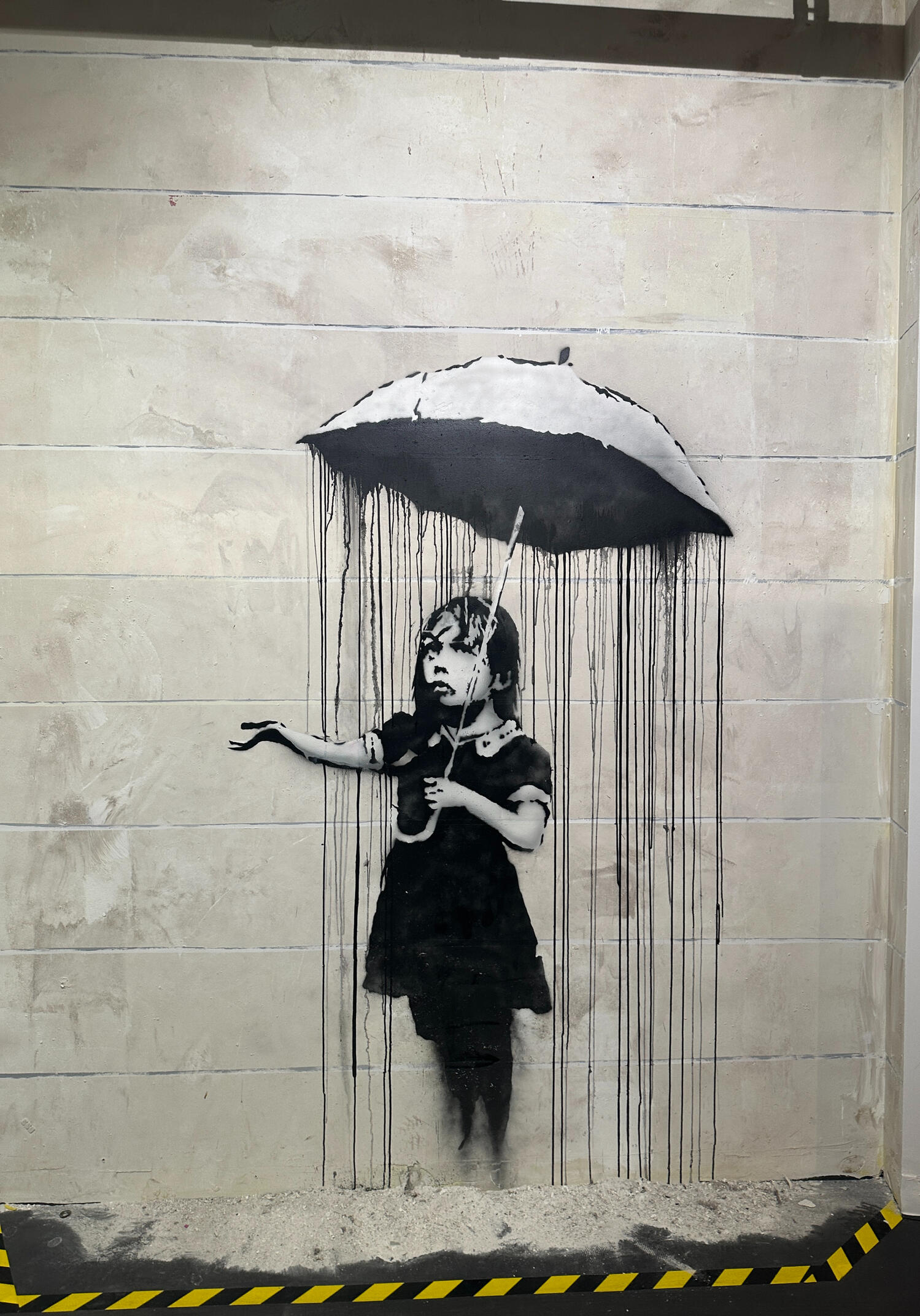
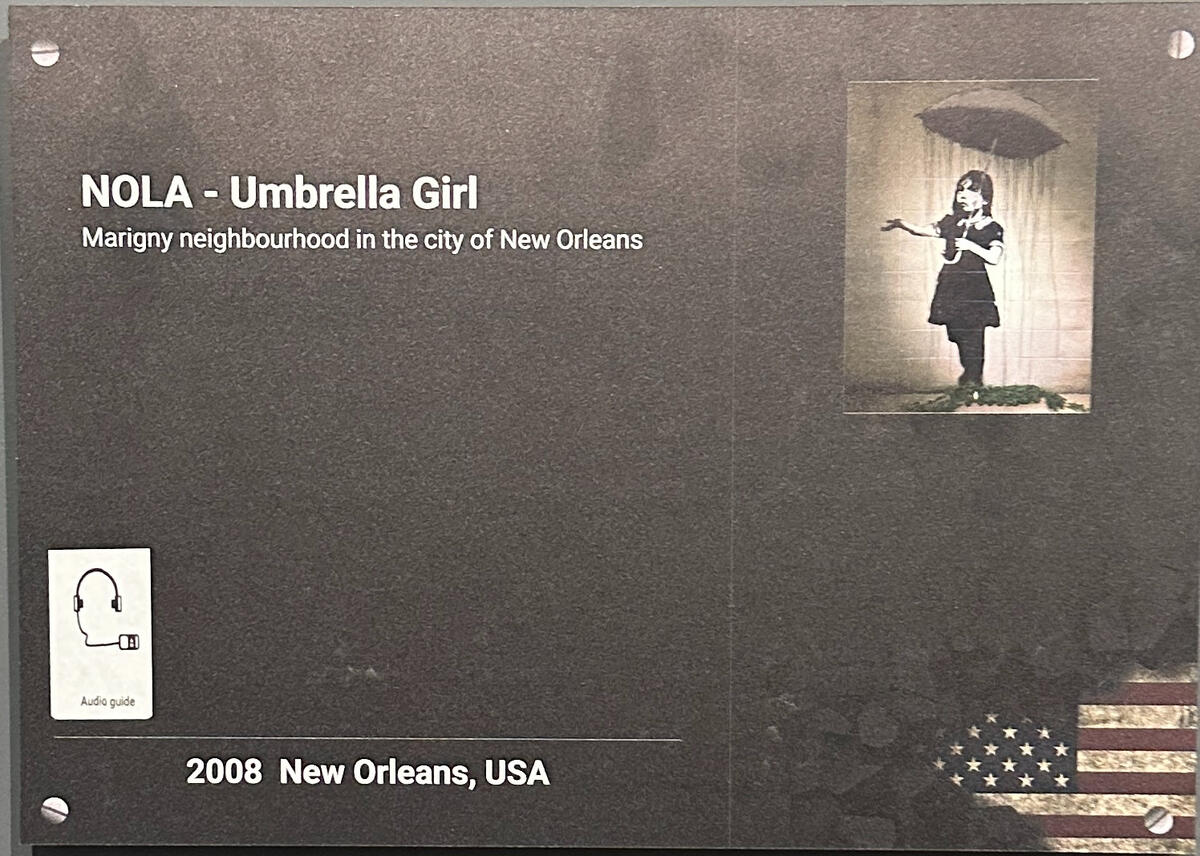
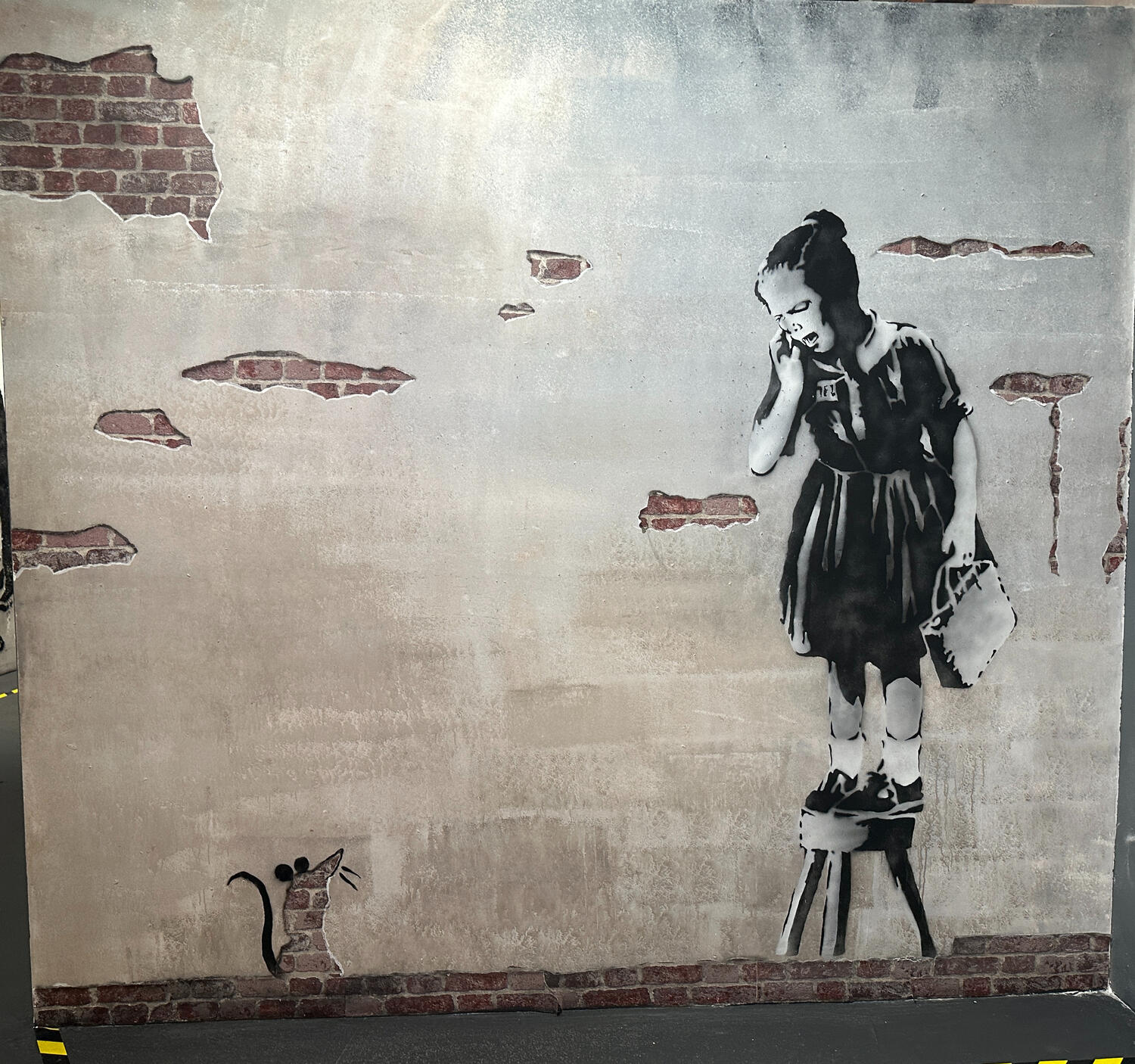
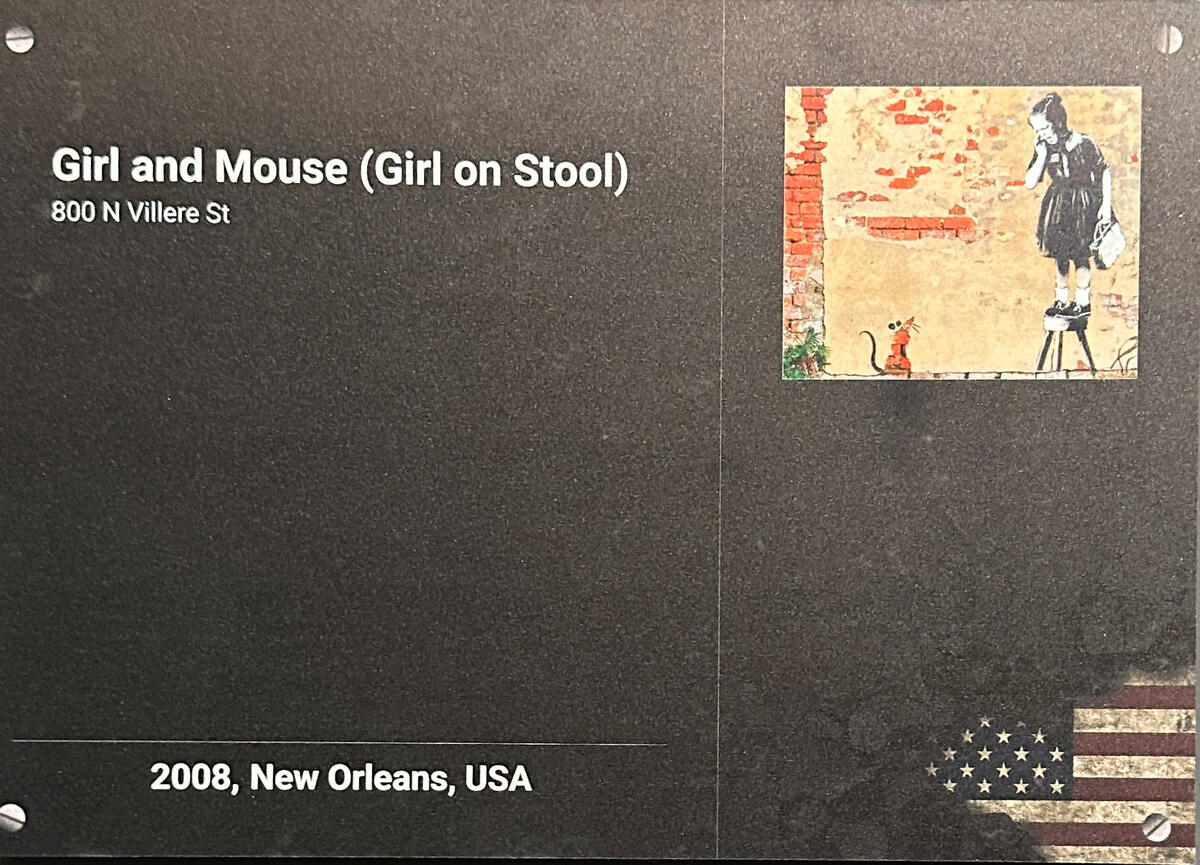
2010's
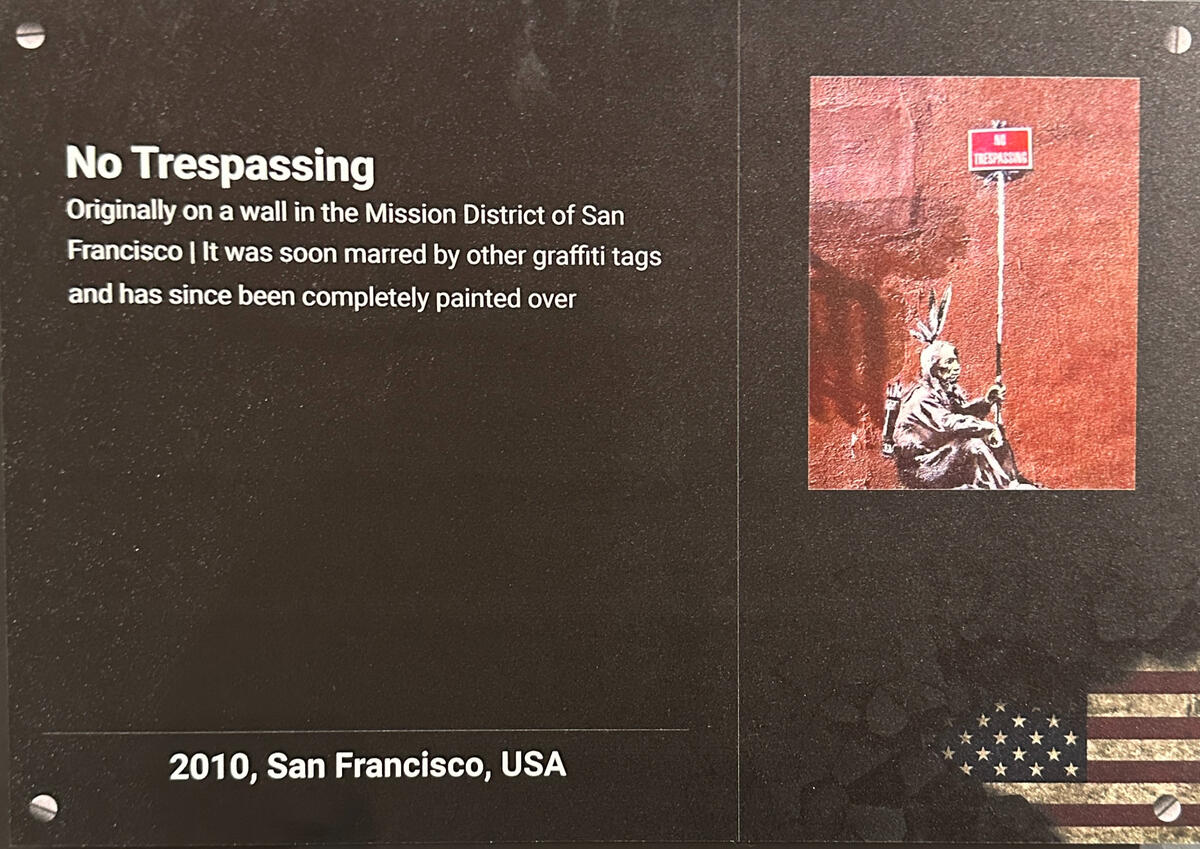
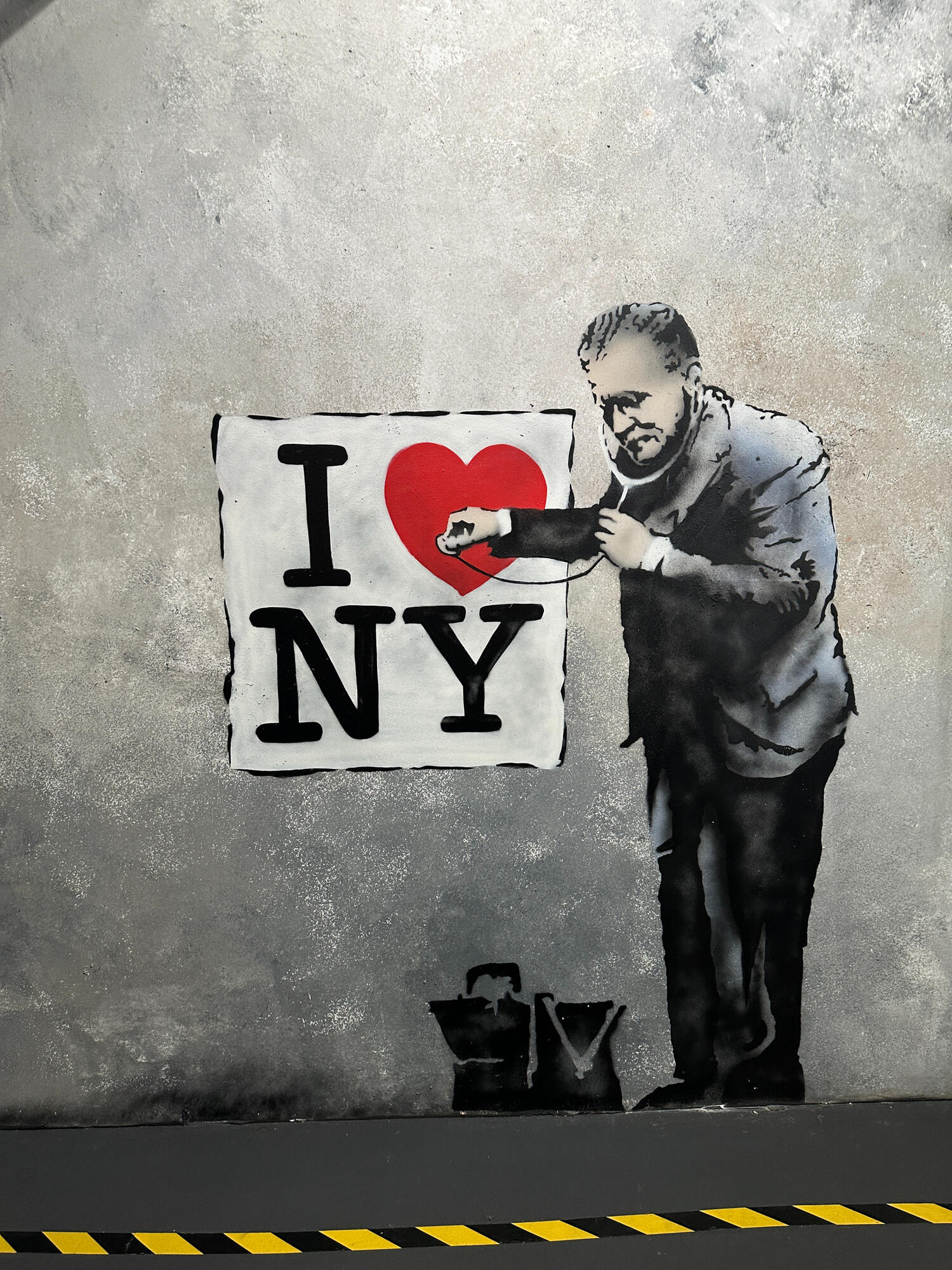
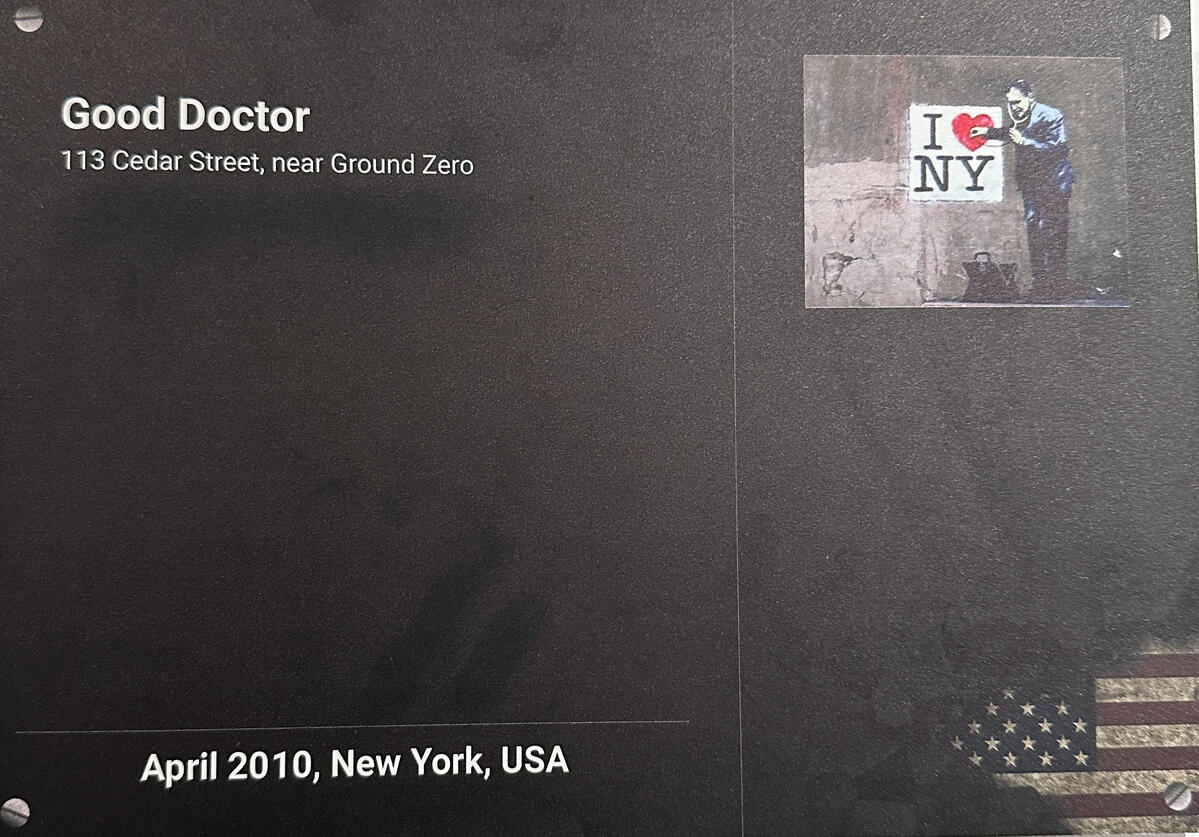
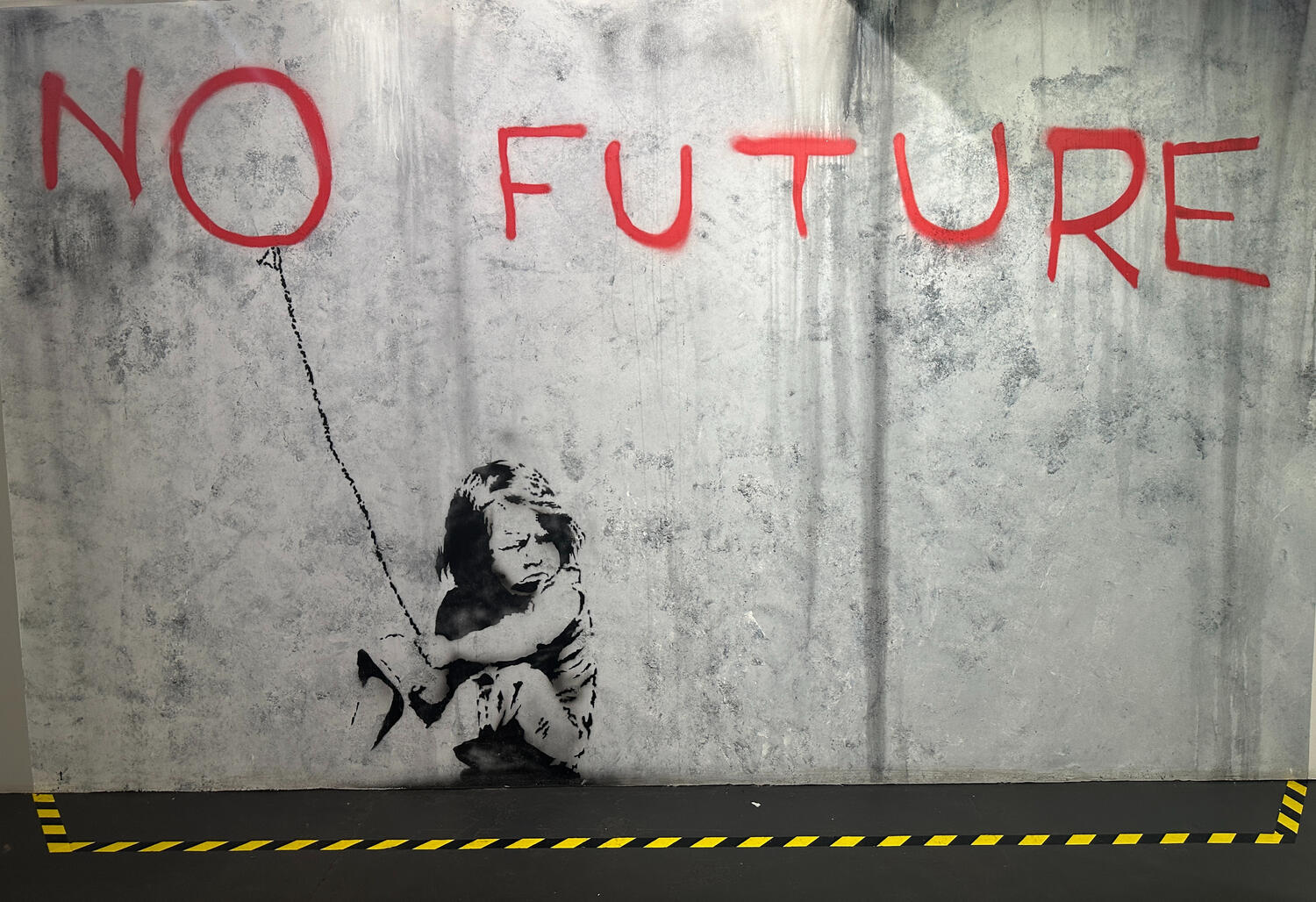

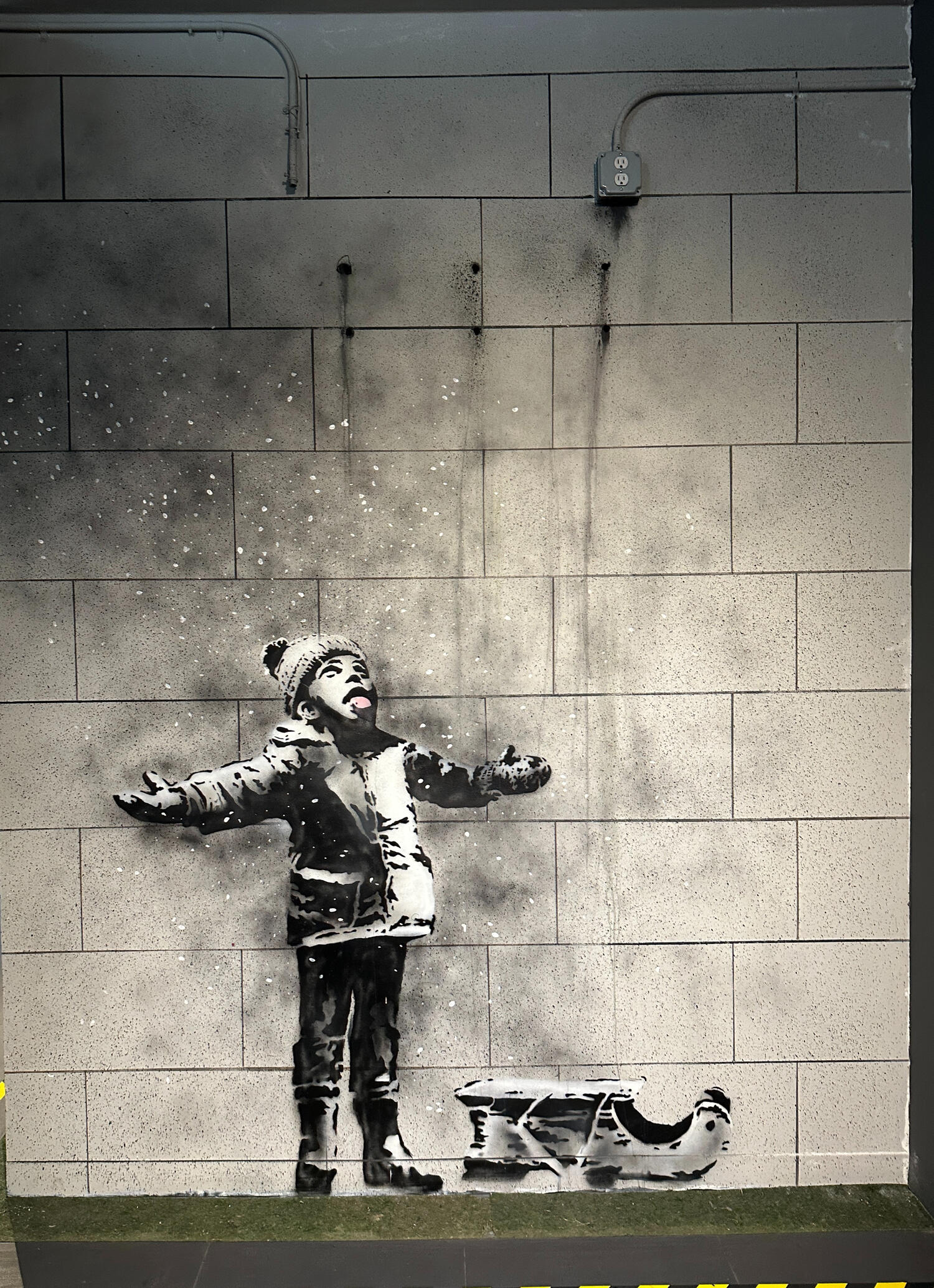

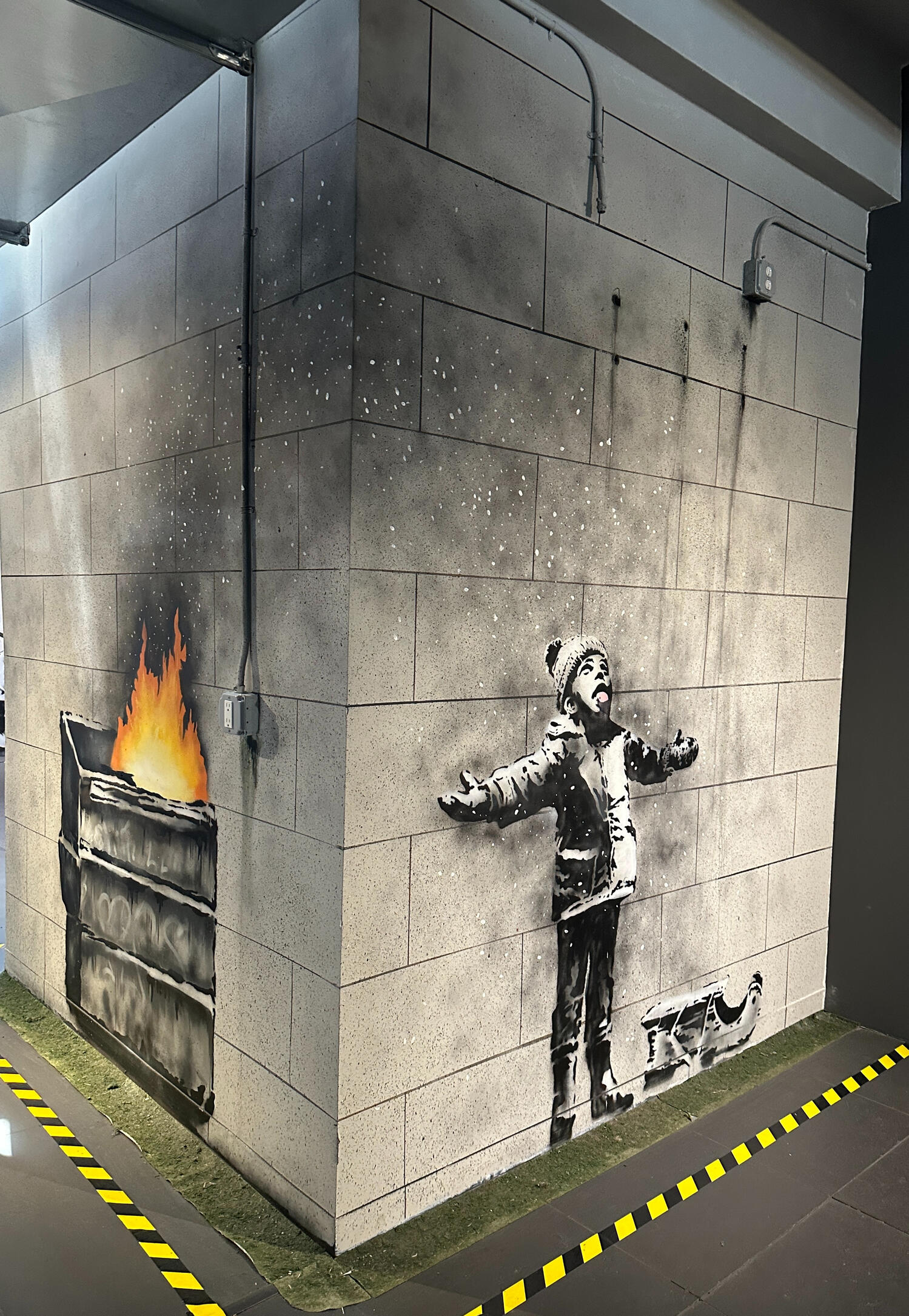

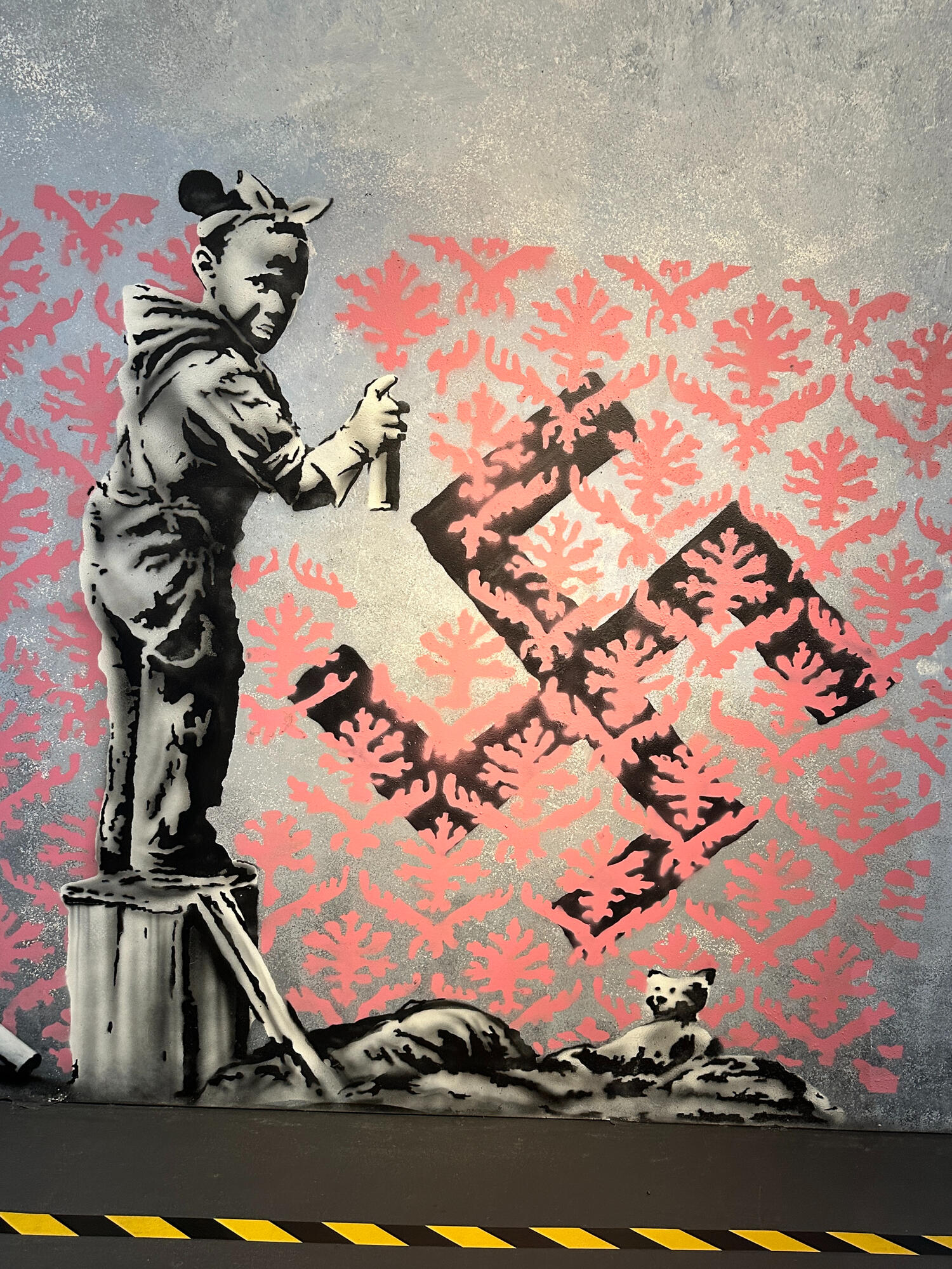
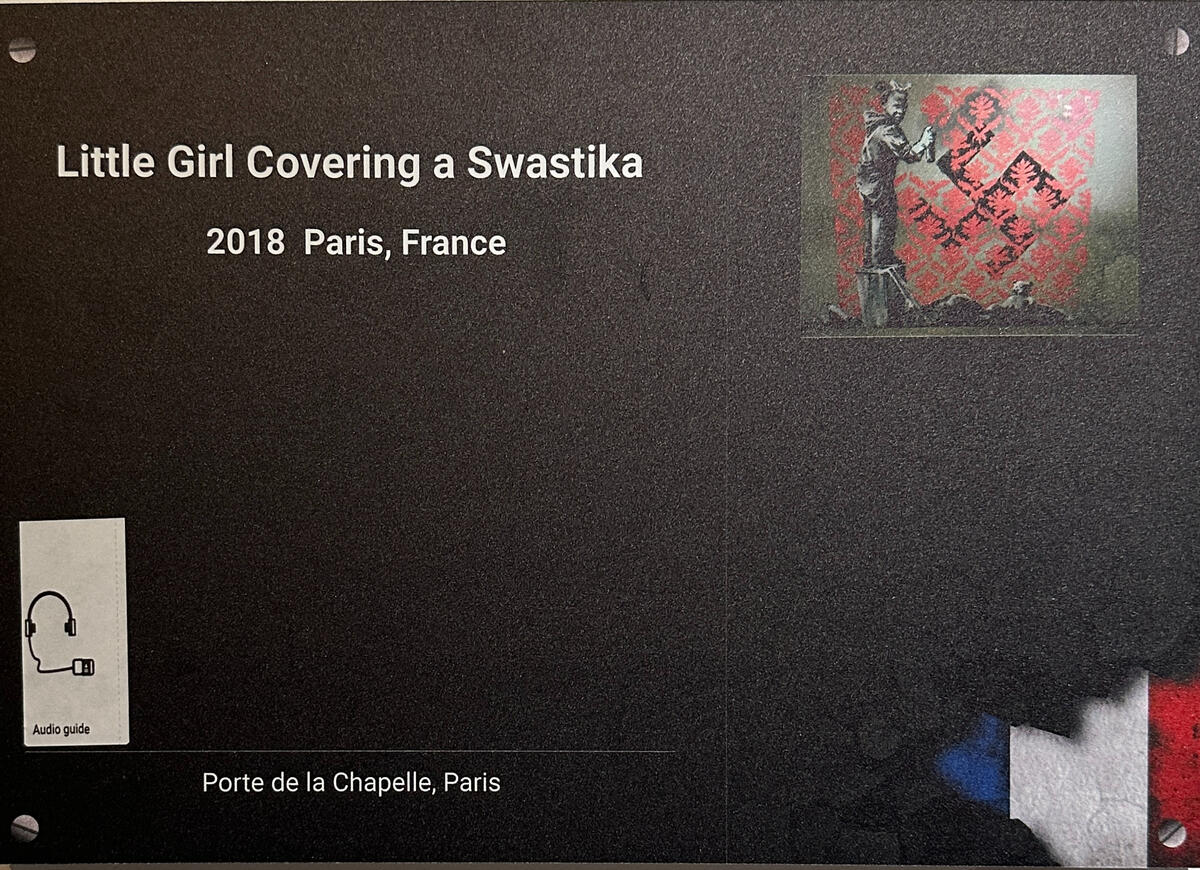
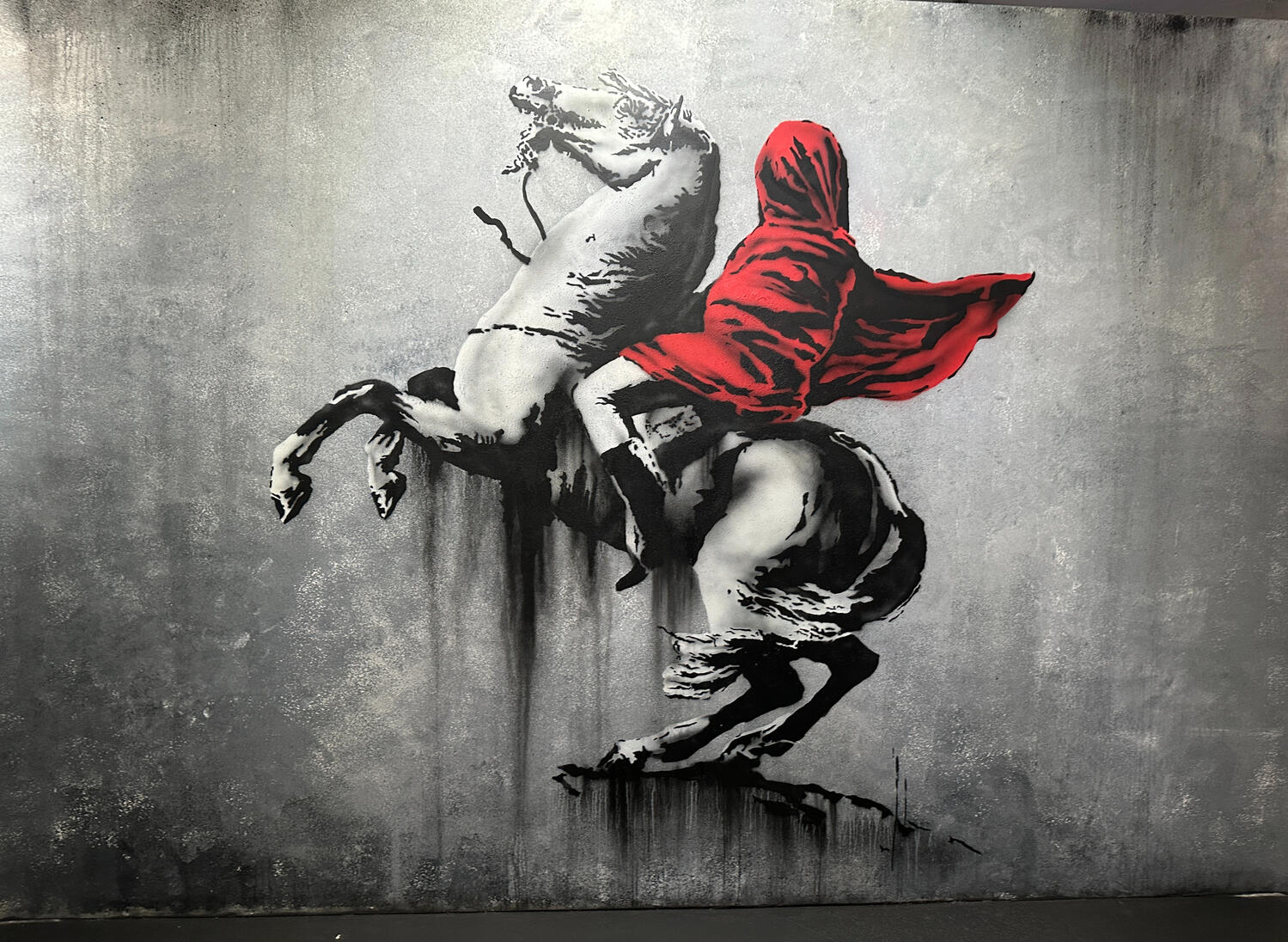
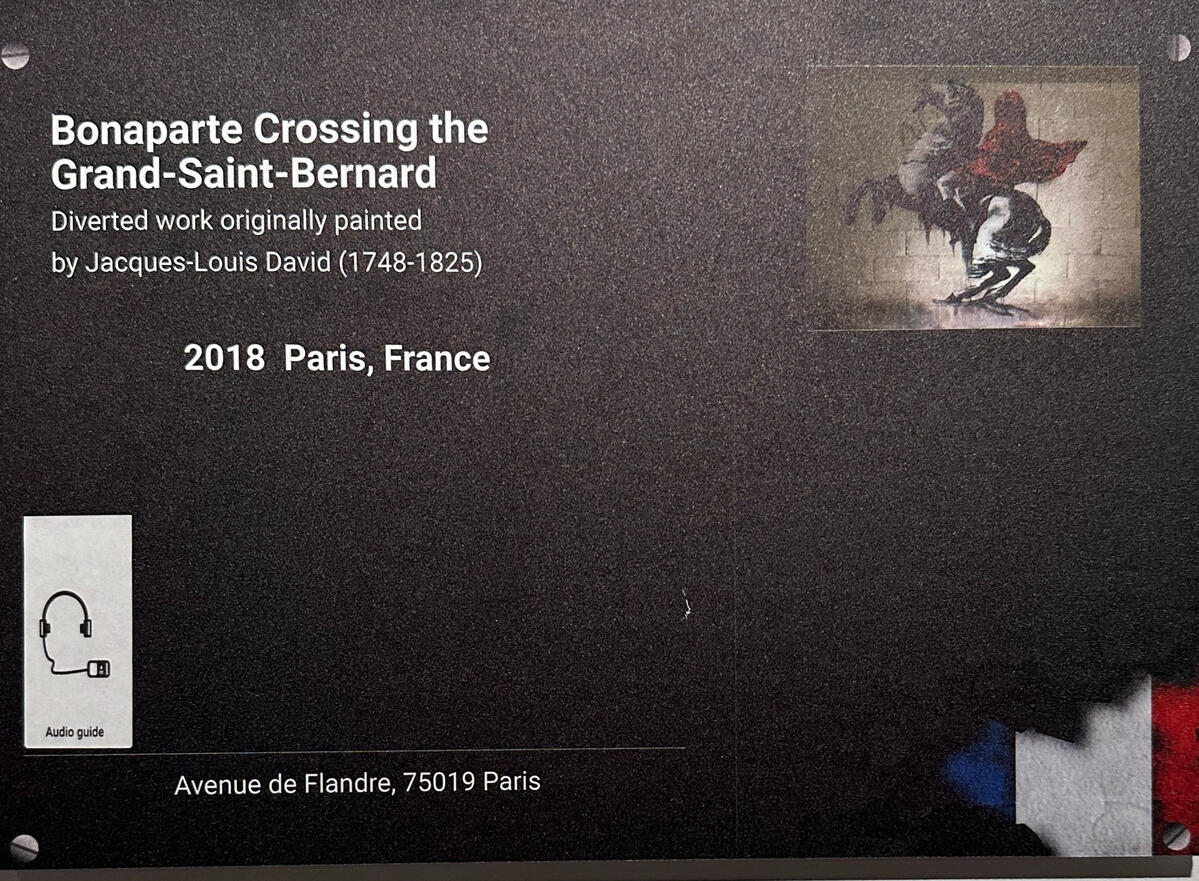
2020's
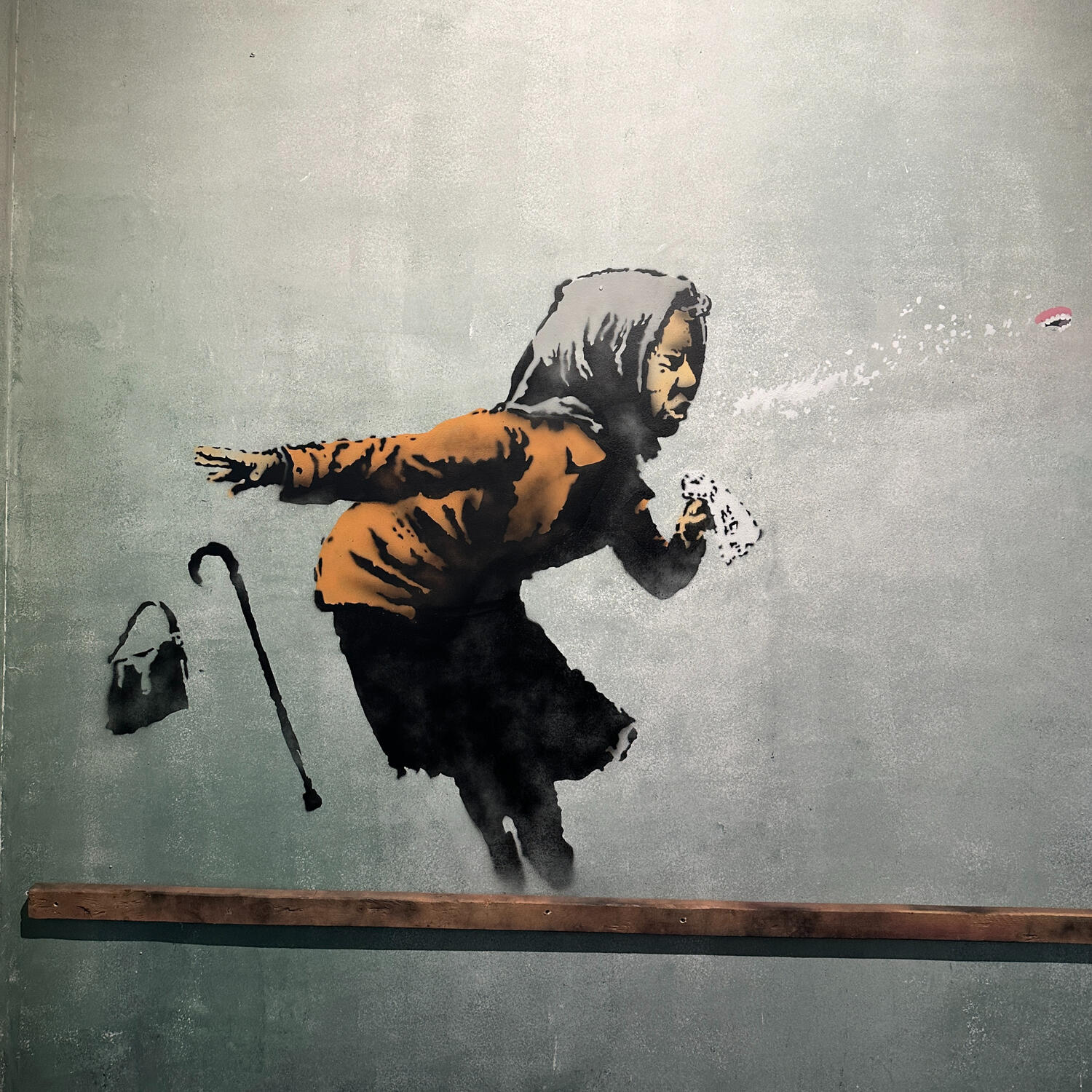
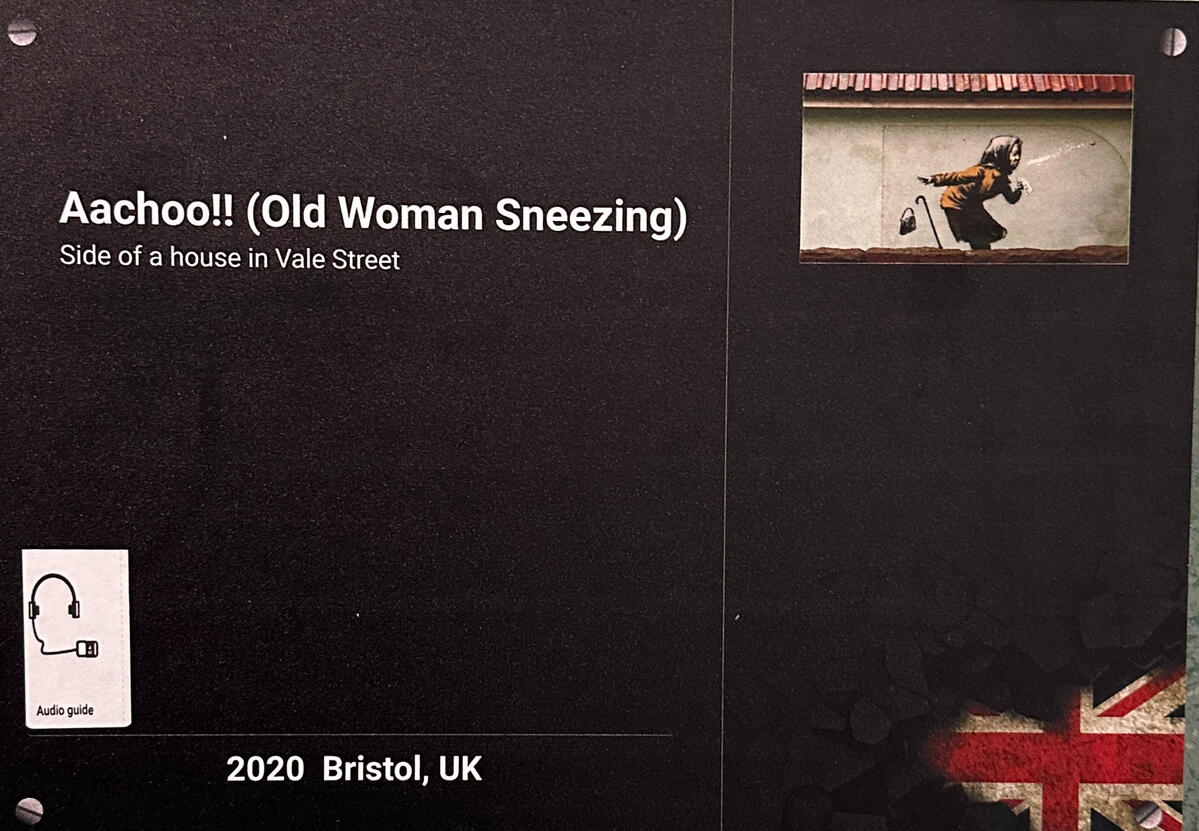
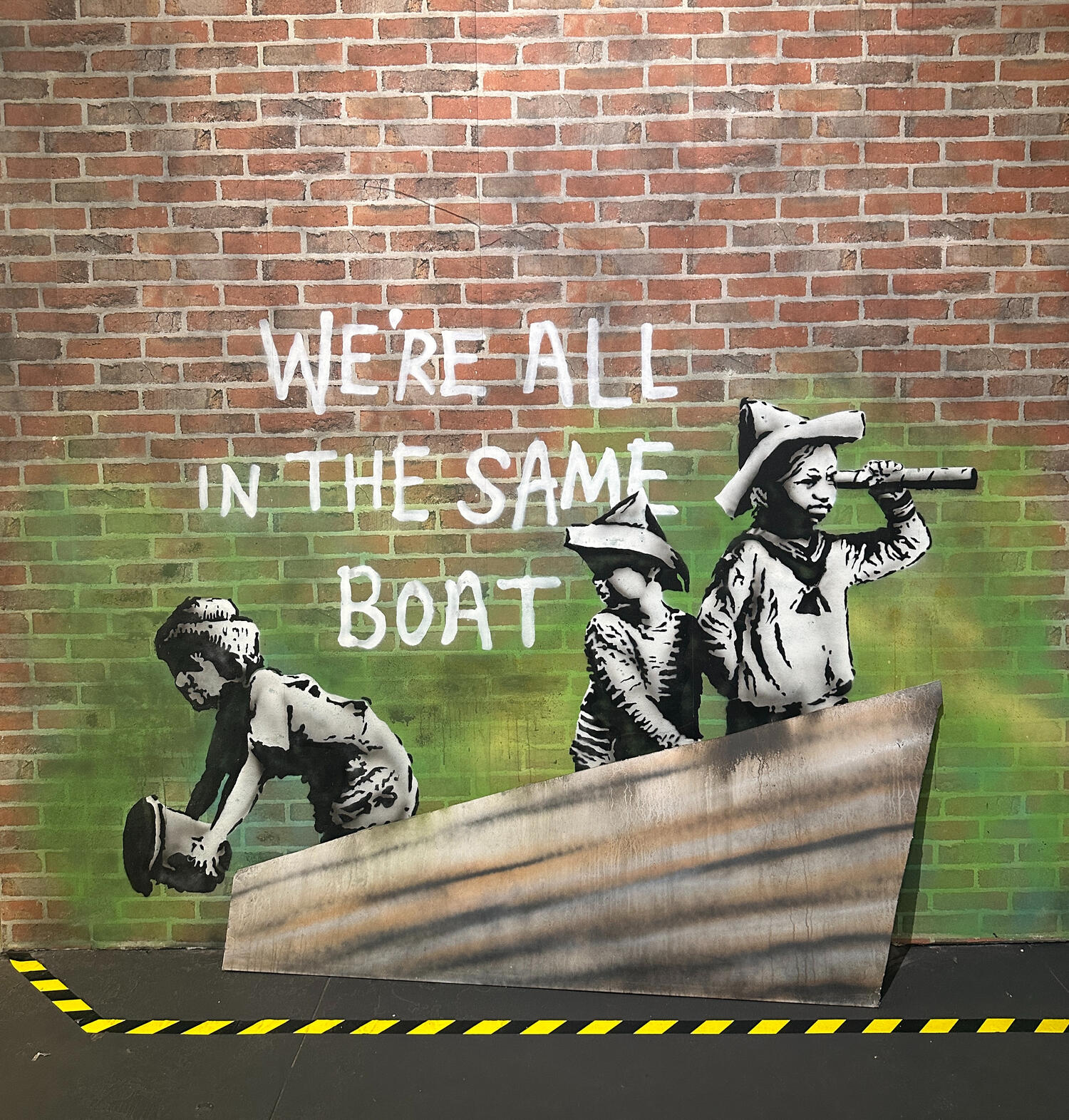
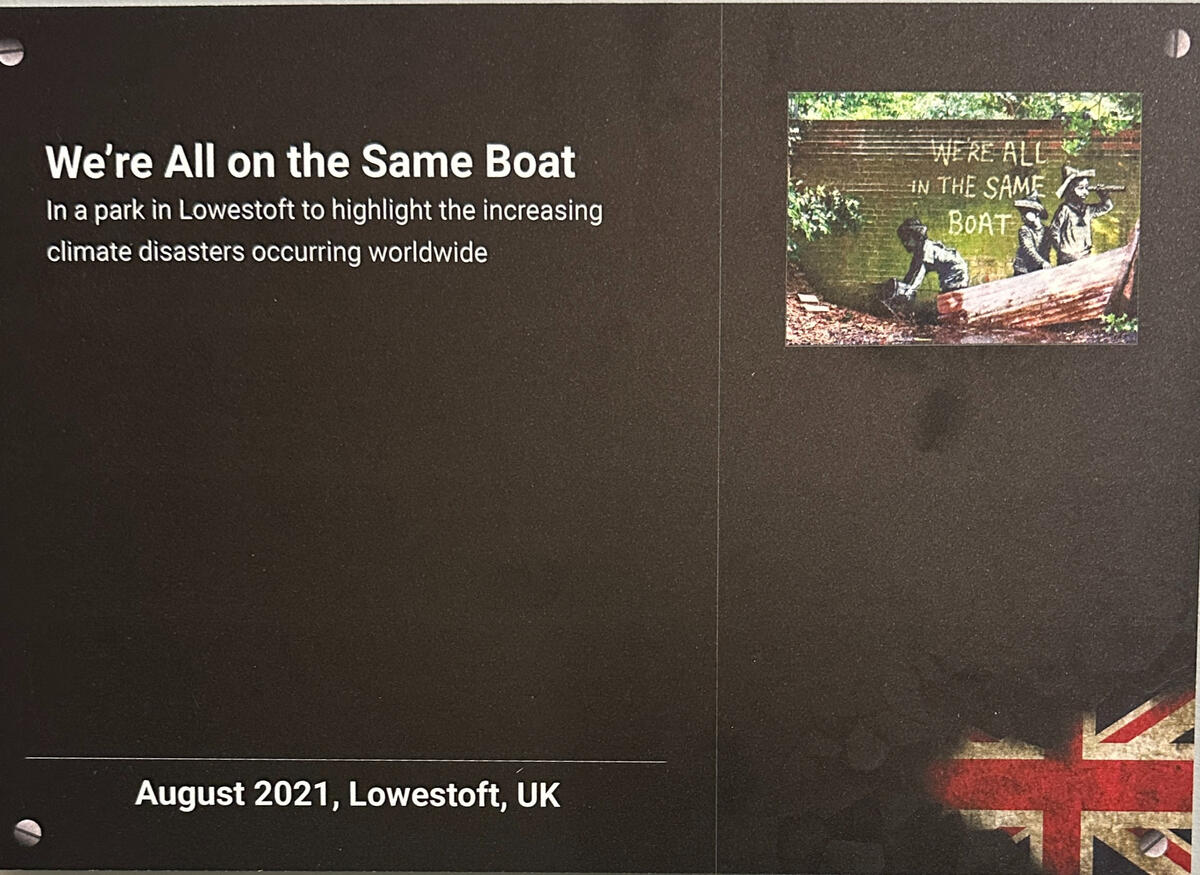
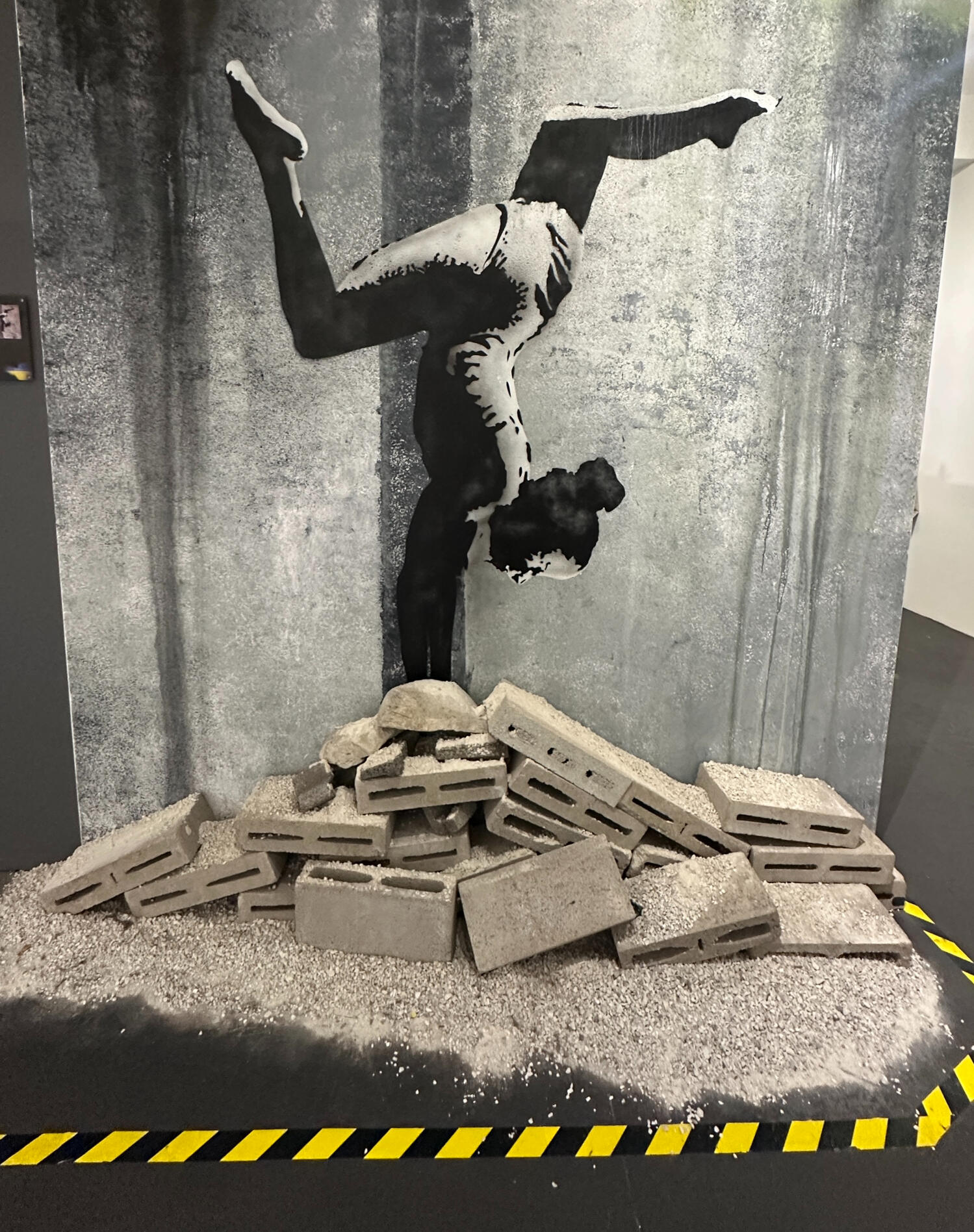
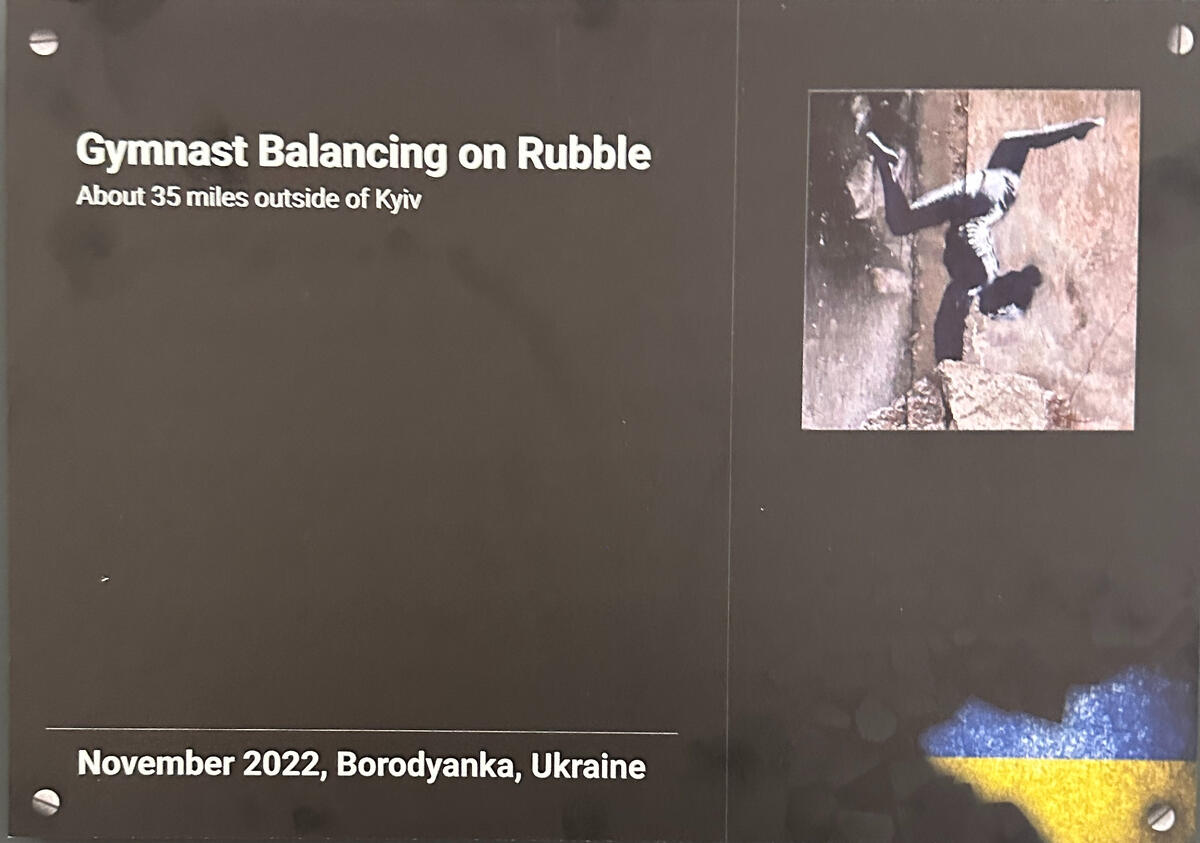
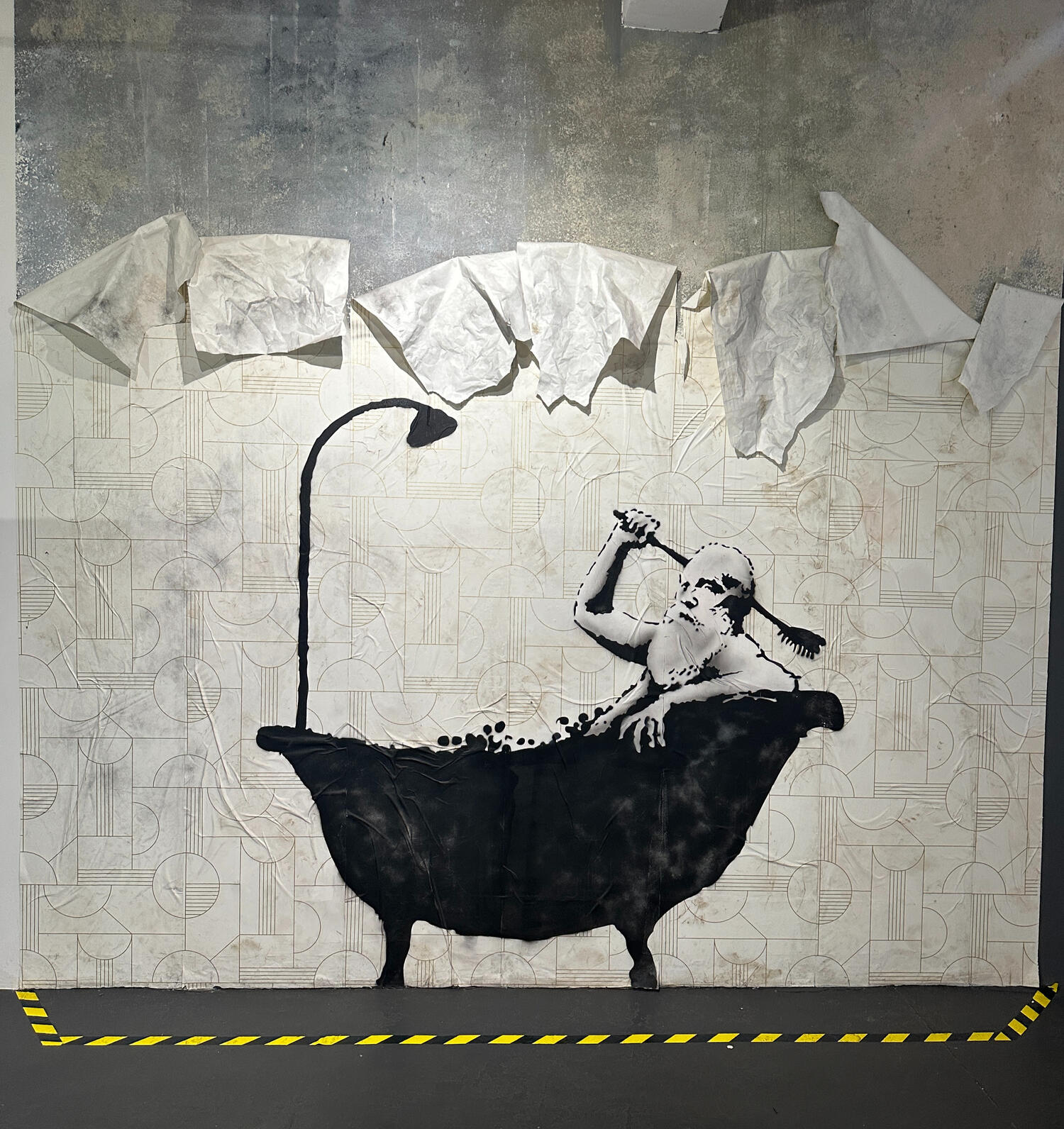
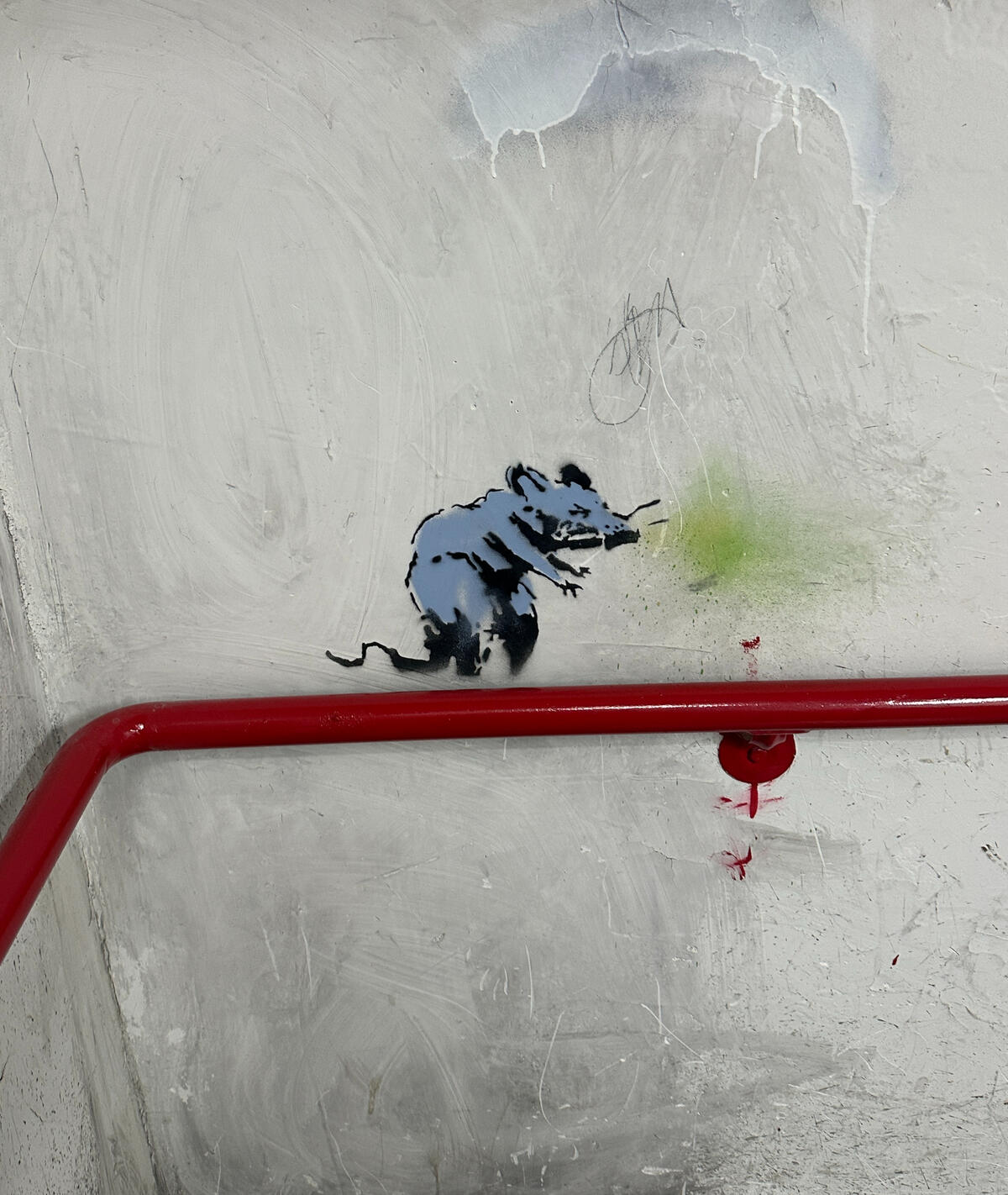
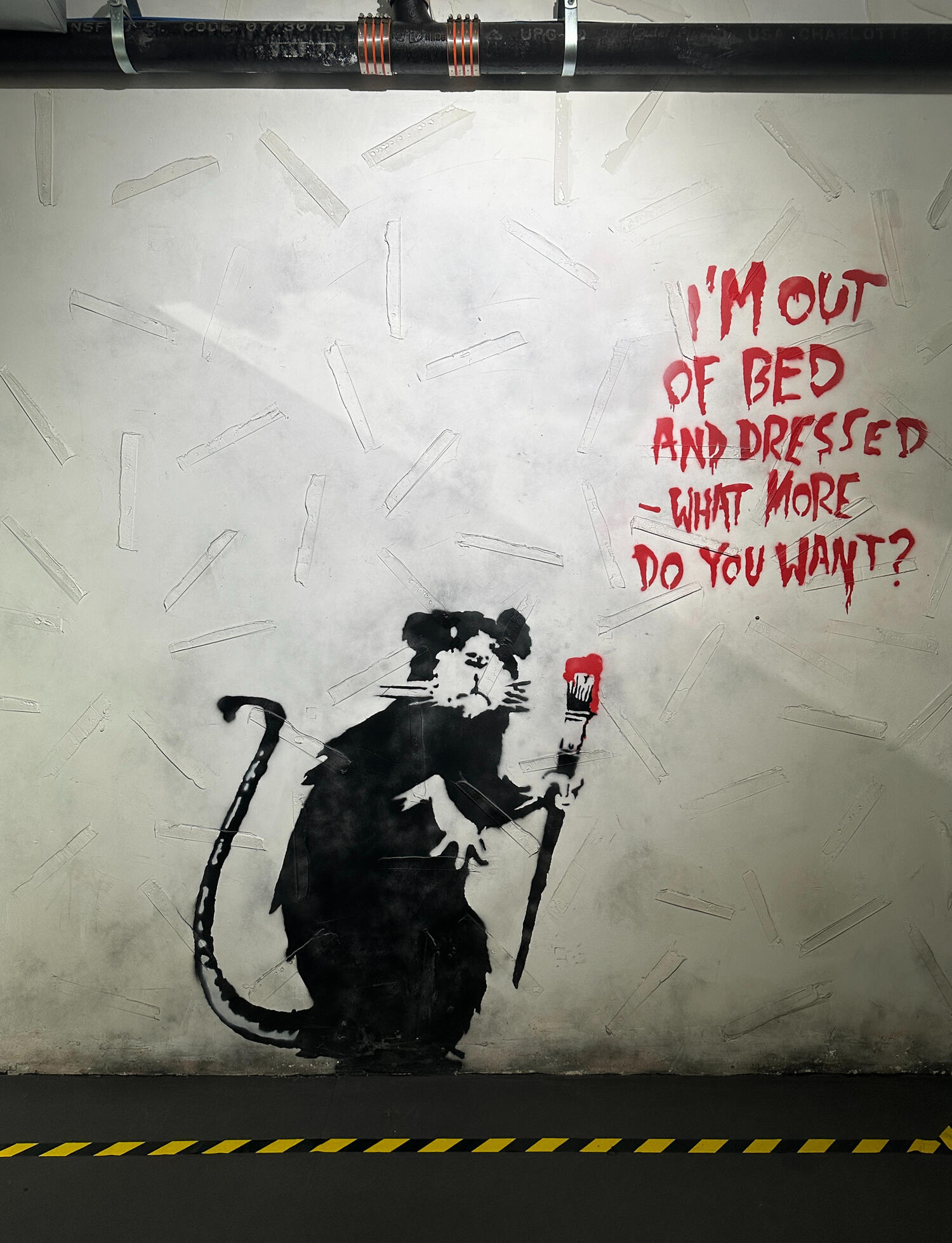
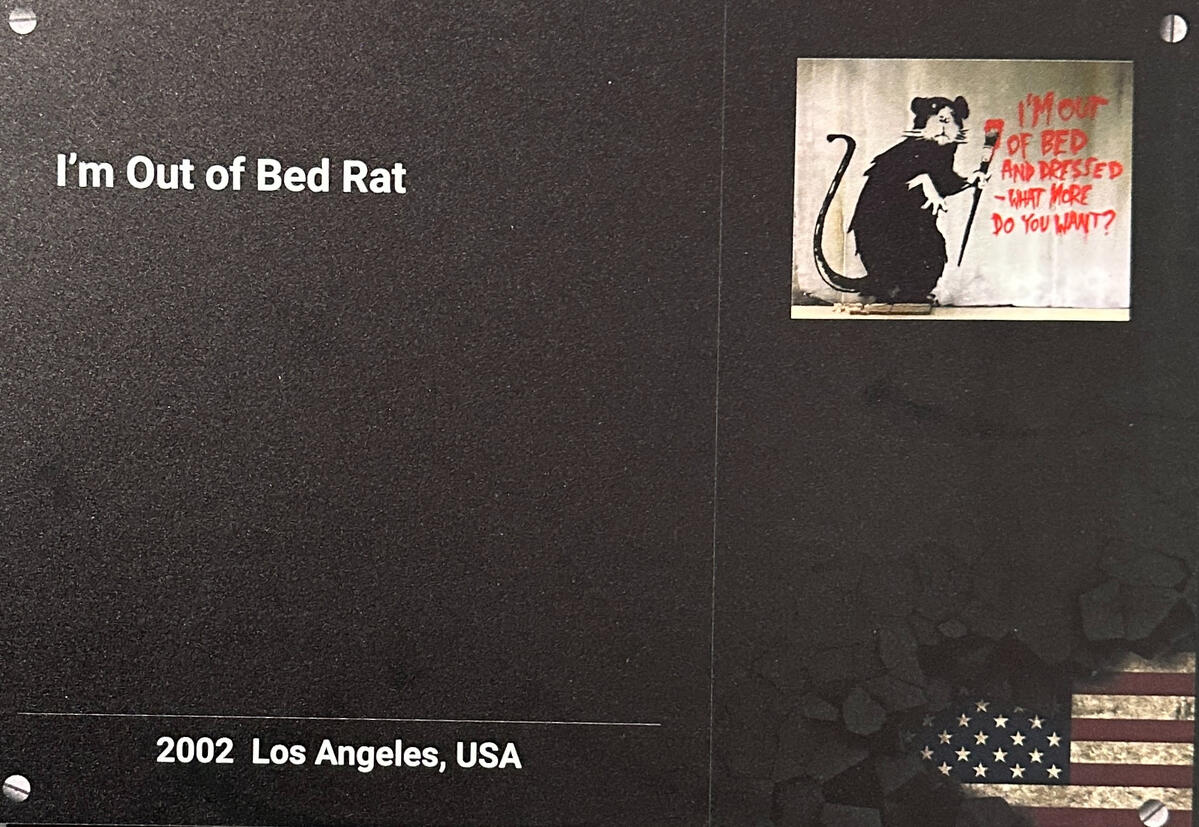
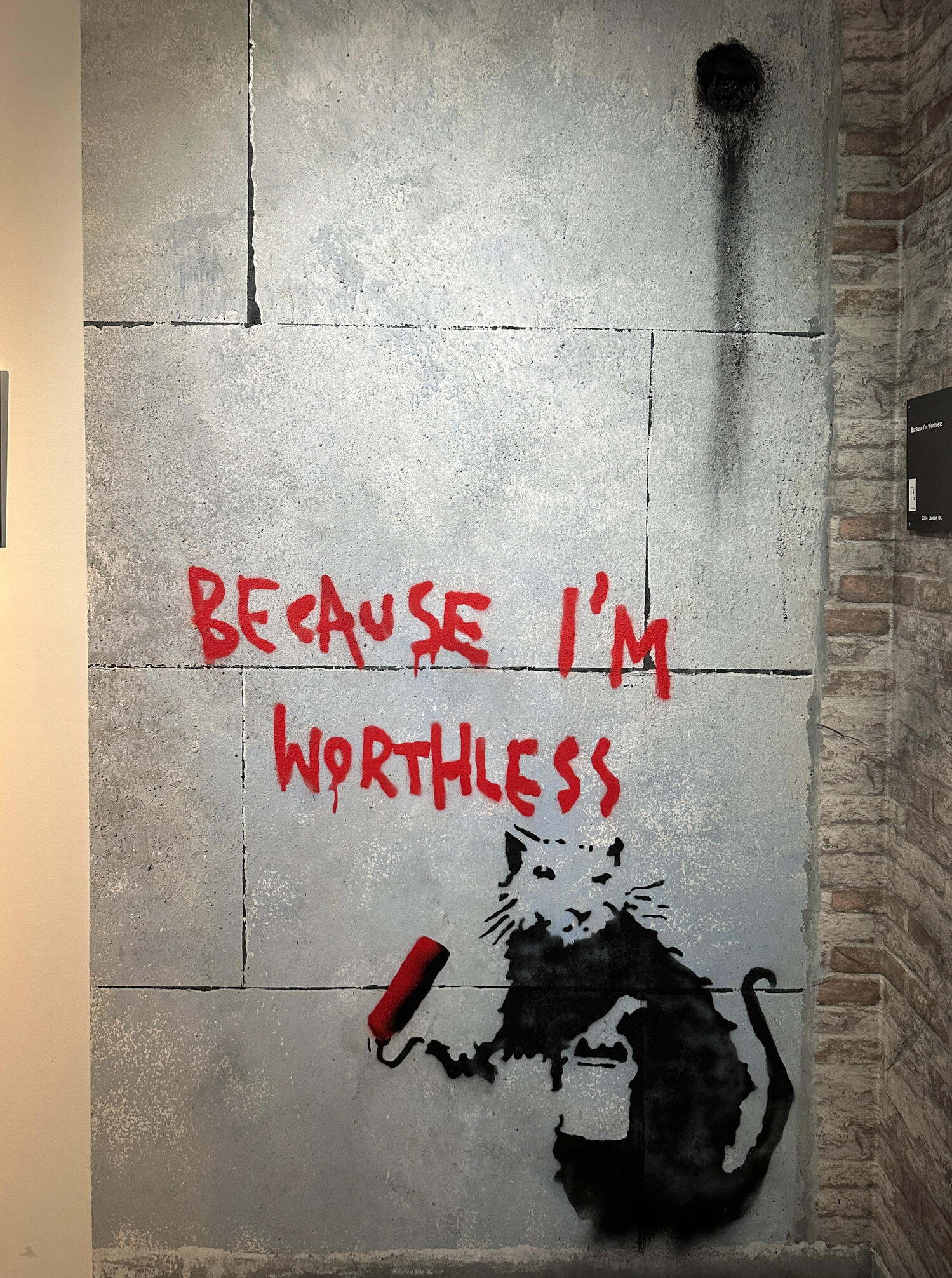
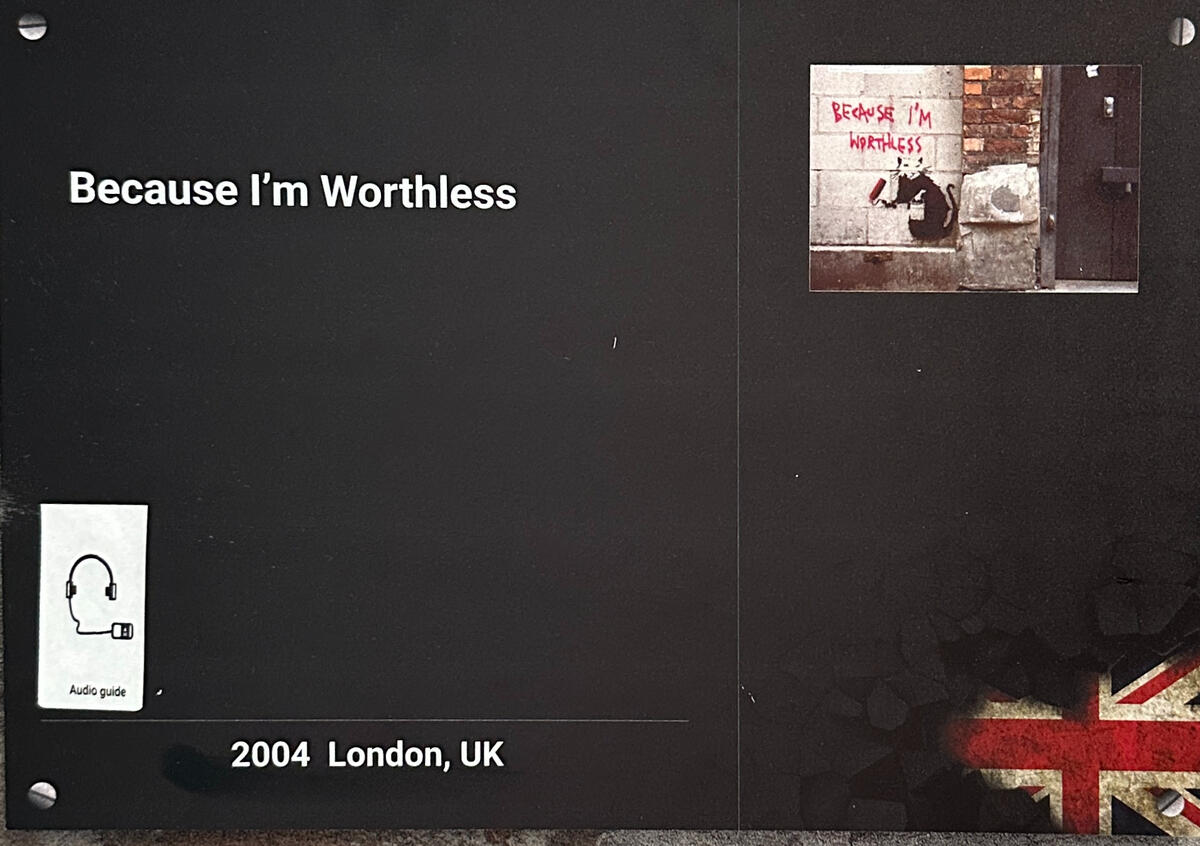
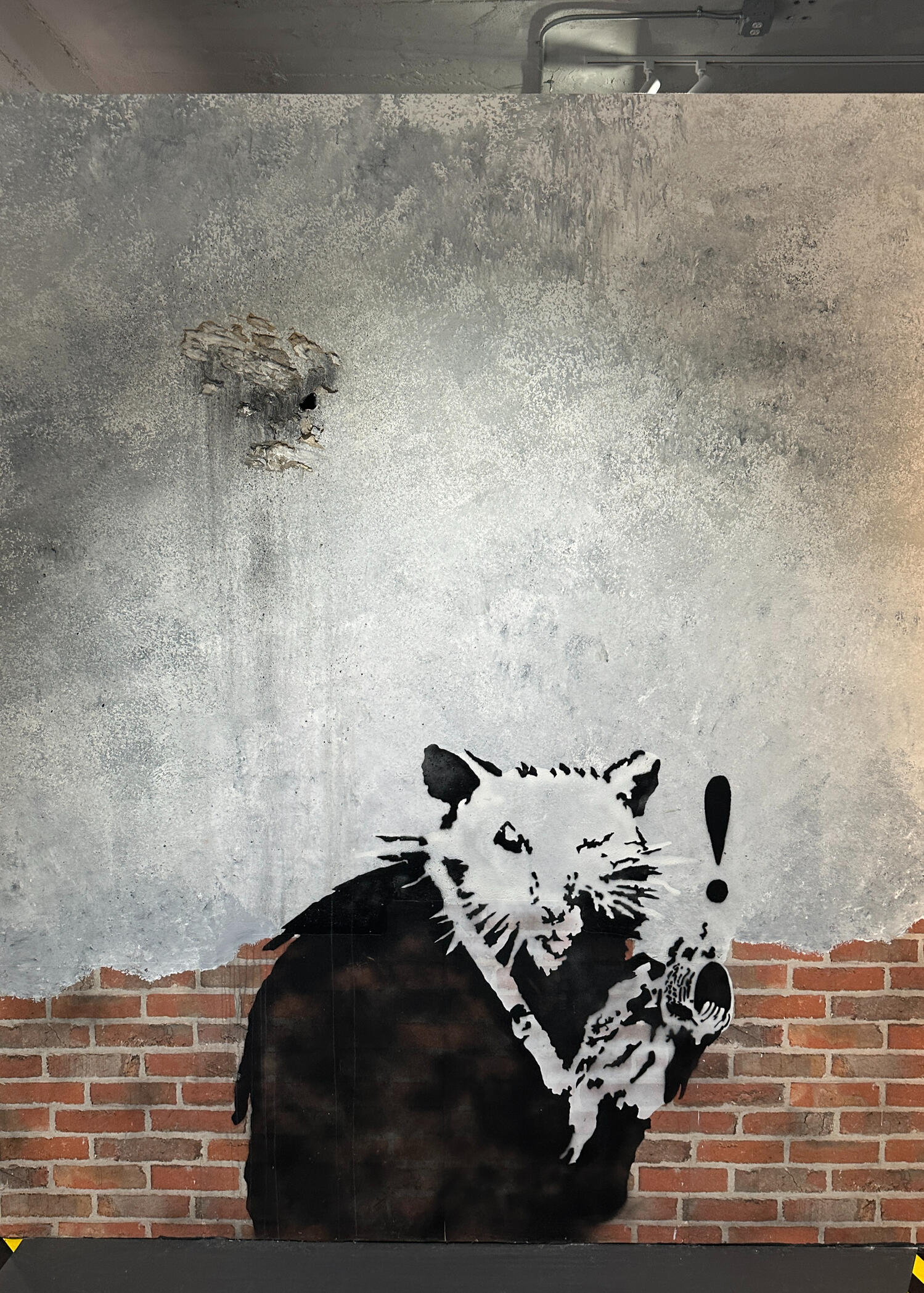
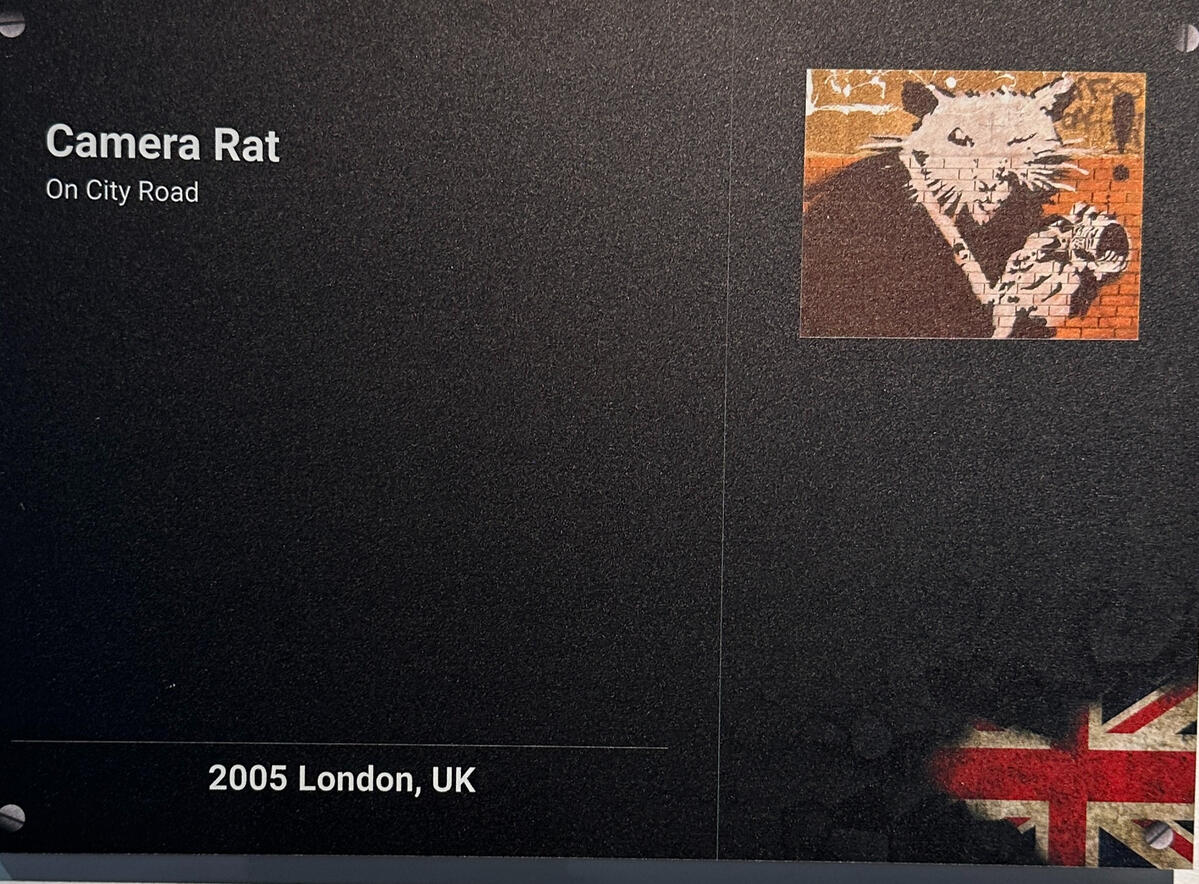
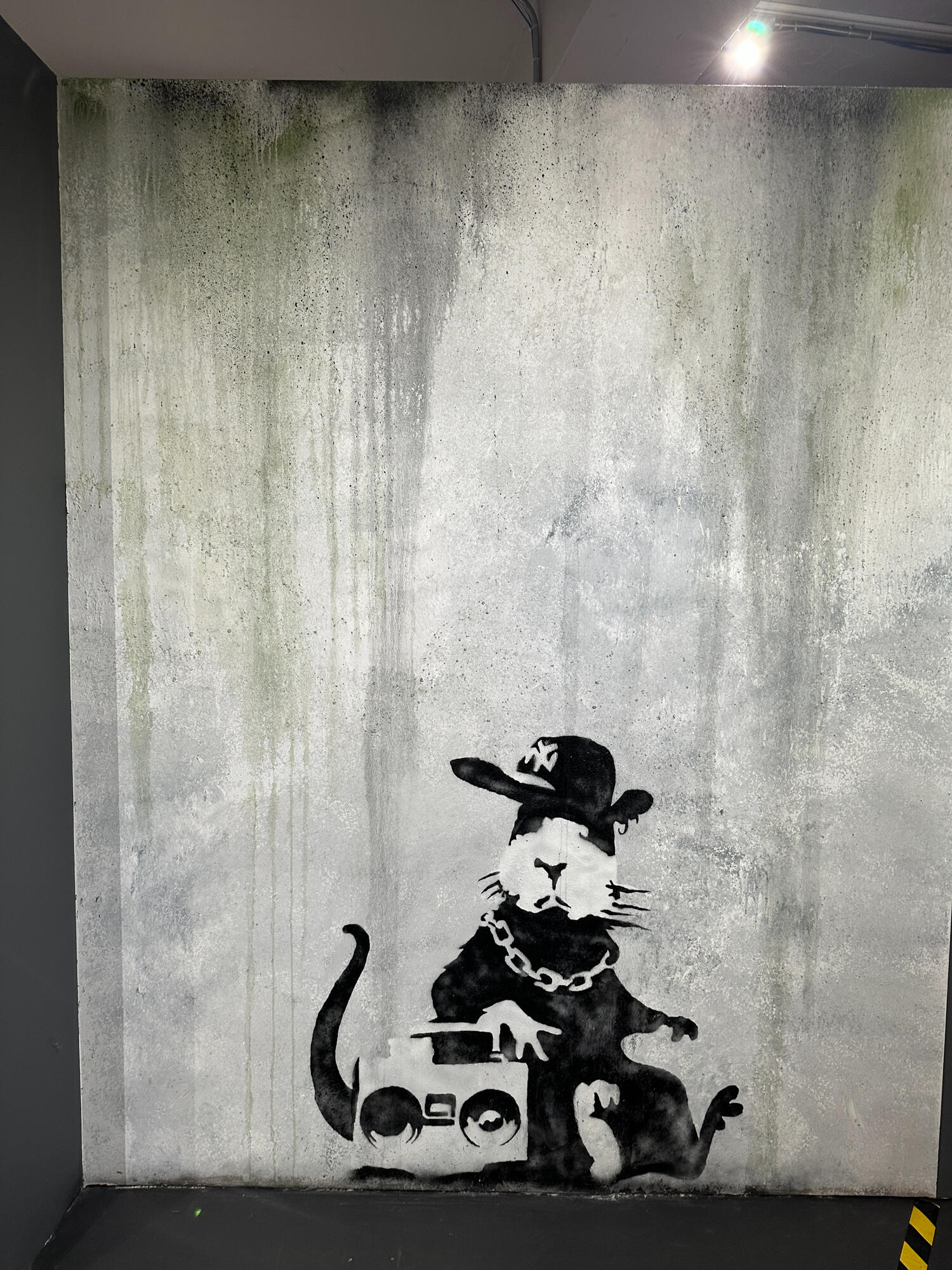
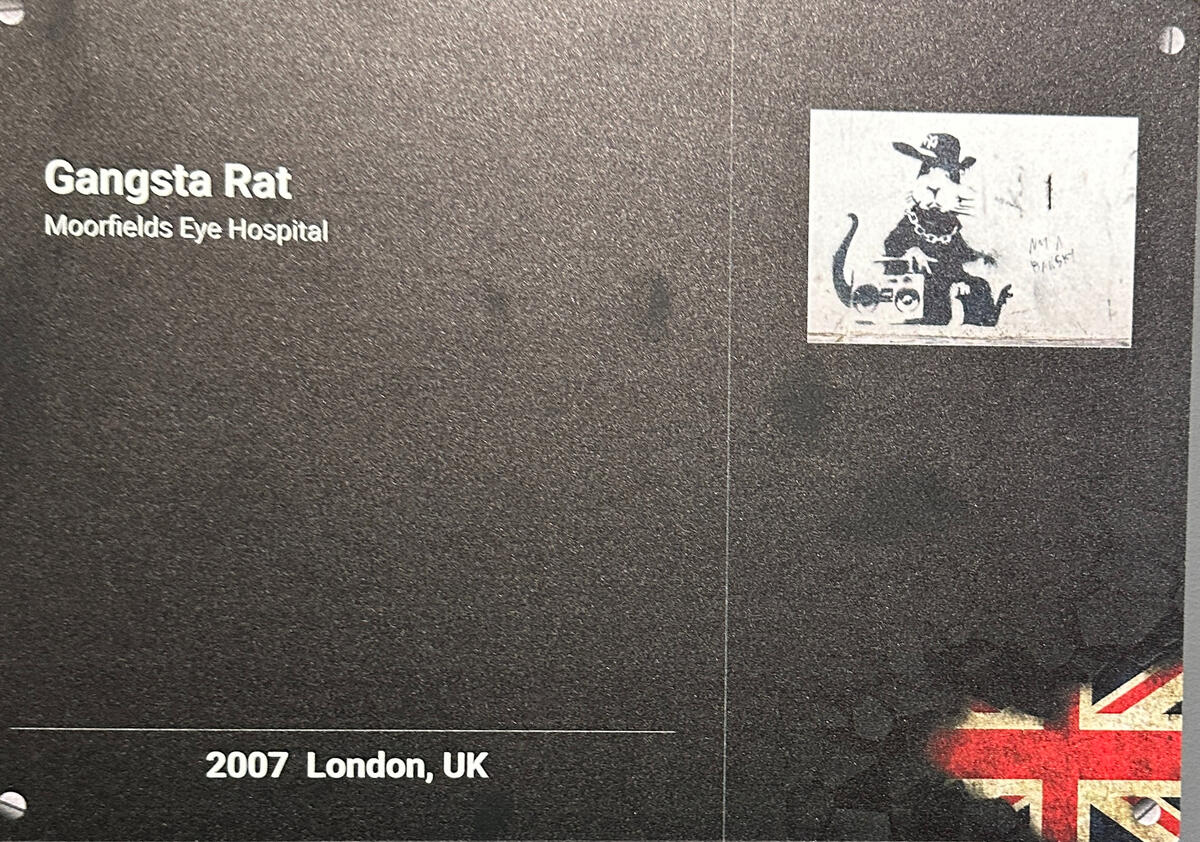
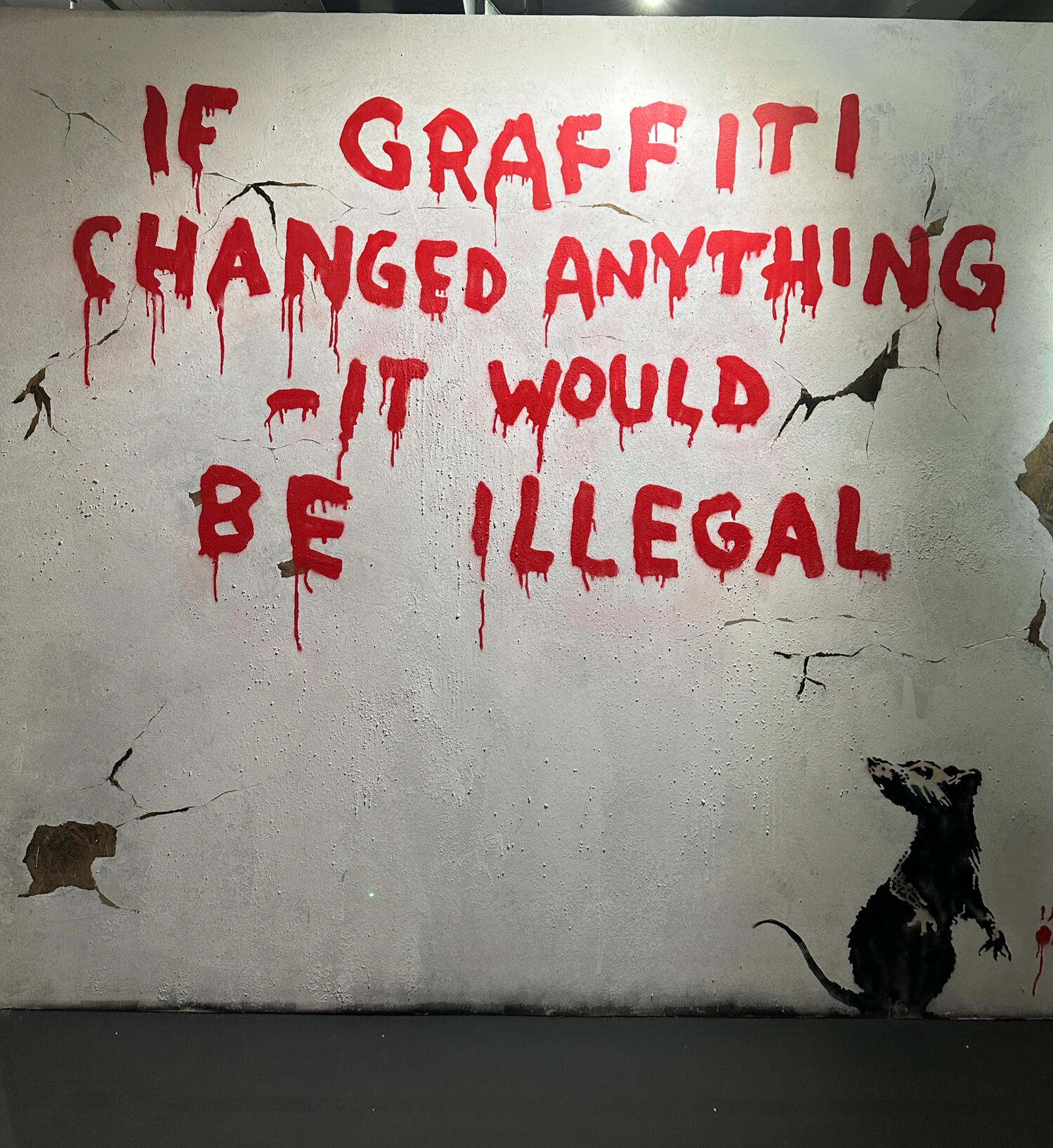
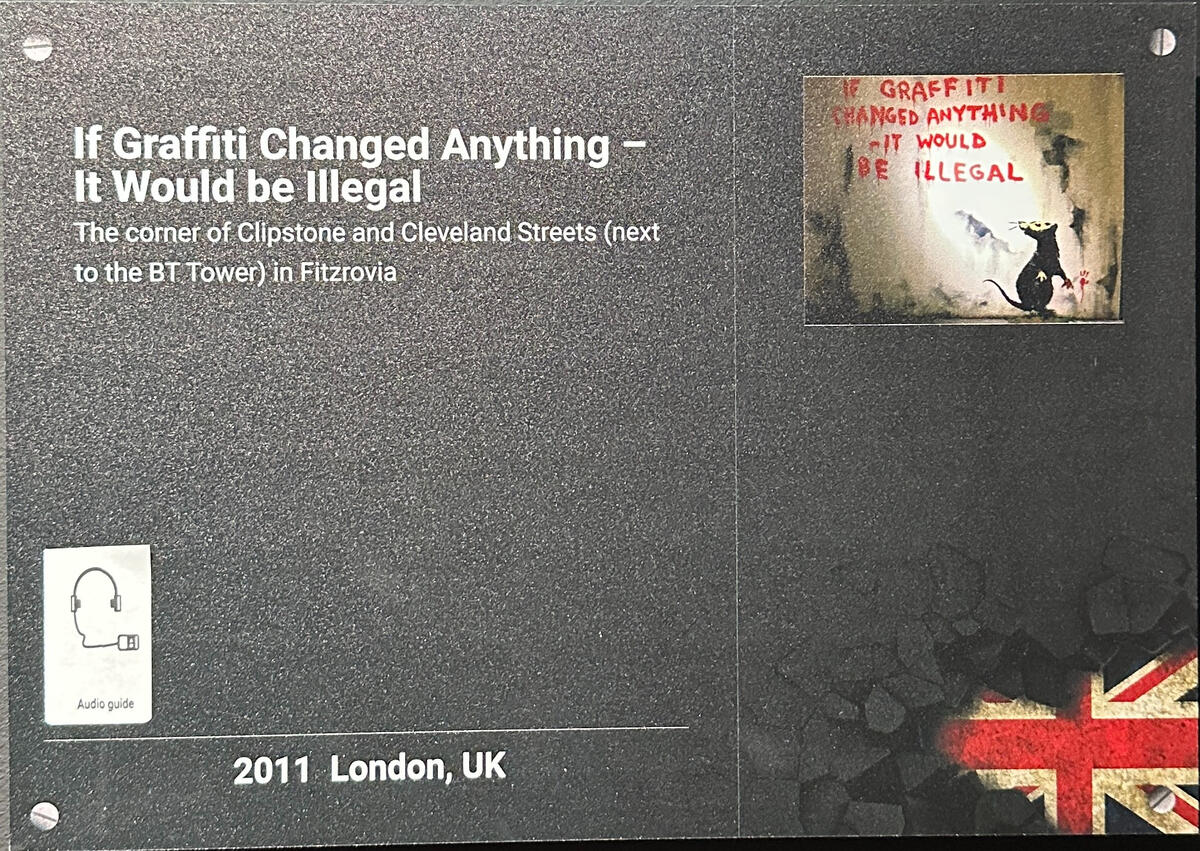
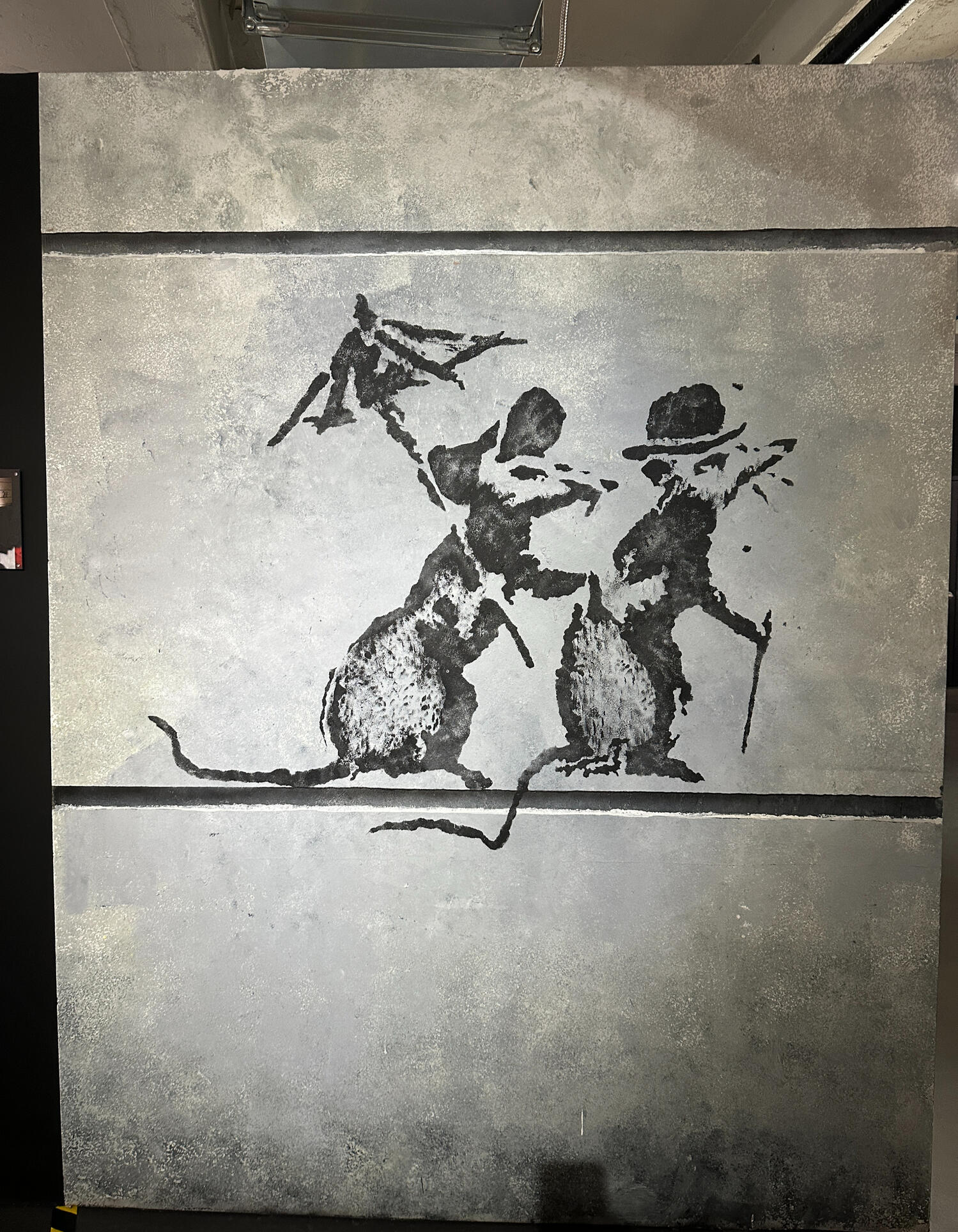
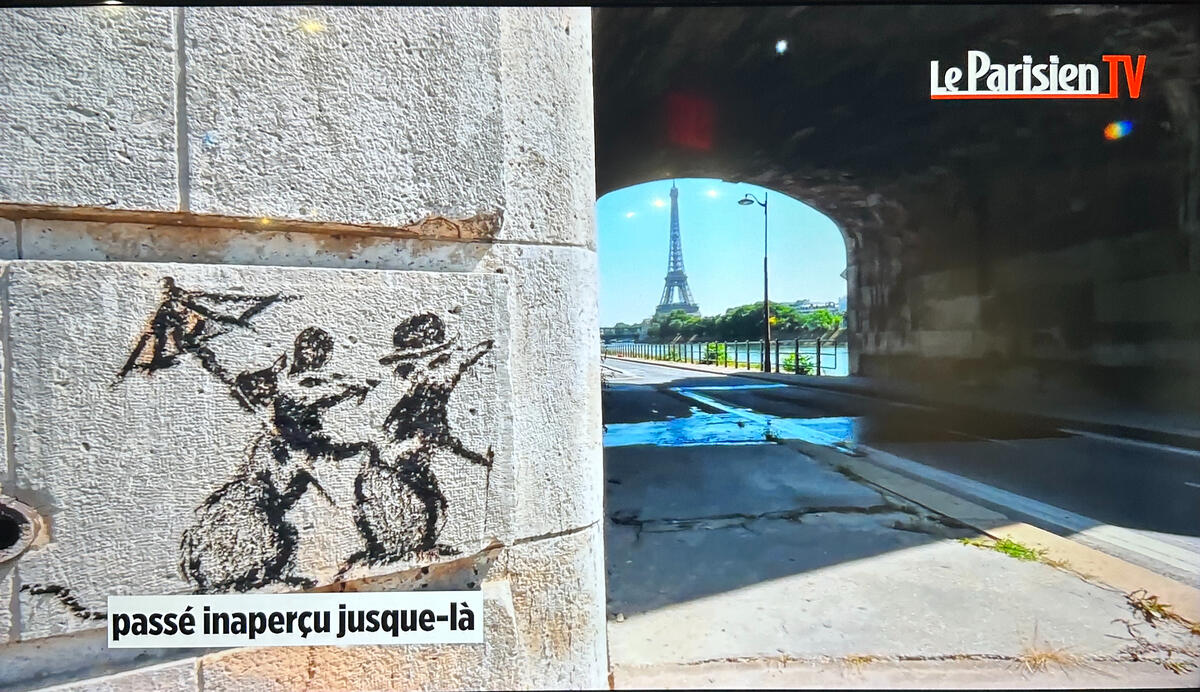
Banksy and Rats
"Rats...they exist without permission. They are hated, hunted, and persecuted. They live in quiet desperation amongst the filth. And yet they are capable of bringing entire civilizations to their knees." - BANKSYFrench artist Blek Le Rat (Xavier Prou) began spray painting rats in the streets of Paris back in
1981. One of the founders of the stencil graffiti movement, Blek Le Rat had this to say about why this lowly rodent was the focus of his first foray into street art." ..rats are the only wild
living animals in cities, and only rats will survive when the human race will have disappeared and died out." The similarities between these nocturnal creatures and graffiti artists are clear.
They are the clever, tough, and unwanted vermin of society.
Two decades after Blek le Rat invaded Paris with his stenciled rats, Banksy continued the invasion throughout England-and Europe later on-by reviving the symbol as a form of social commentary. Banksy's deep respect for Blek Le Rat influenced his own art both technically and thematically.
"Every time I think I've created something original, it suddenly becomes apparent that Blek Le Rat created it 20 years ago." "I'd been painting rats for three years before someone said,
'That's clever. It's an anagram of art, and I had to pretend I'd known that all along." - BANKSY
In this way, the image of the rat embodies Banksy's beliefs as a graffiti artist. As the rodent multiplies in retaliation to society's attempts at pest control, underground graffiti grows in response to a government's attempts to cleanse the city of street art. Much like the war on drugs, engaging in a war against rats and graffiti is a lose-lose situation; rats regulate themselves to the amount of food available and the will of a subversive artist cannot be caged.
Both artist and rat require stubbornness and wit to sustain a life in a forbidden medium.
Besides "rat" being an anagram for art, Banksy uses the rat as a reincarnated art form of himself: to engage in criminal activity in a clandestine manner without detection or detention.
IF YOU ARE DIRTY AND INSIGNIFICANT AND UNLOVED, THEN RATS ARE THE ULTIMATE ROLE MODEL
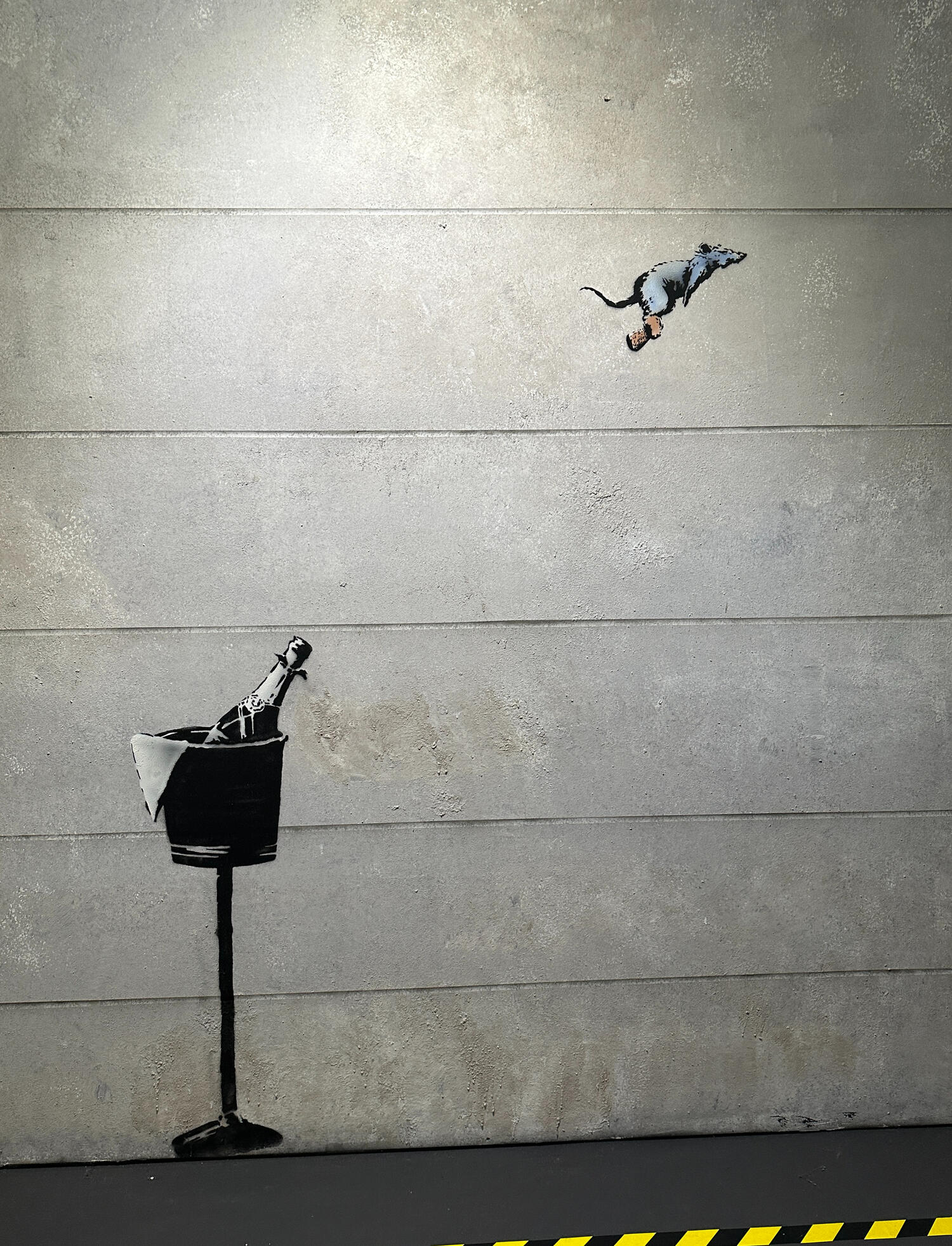
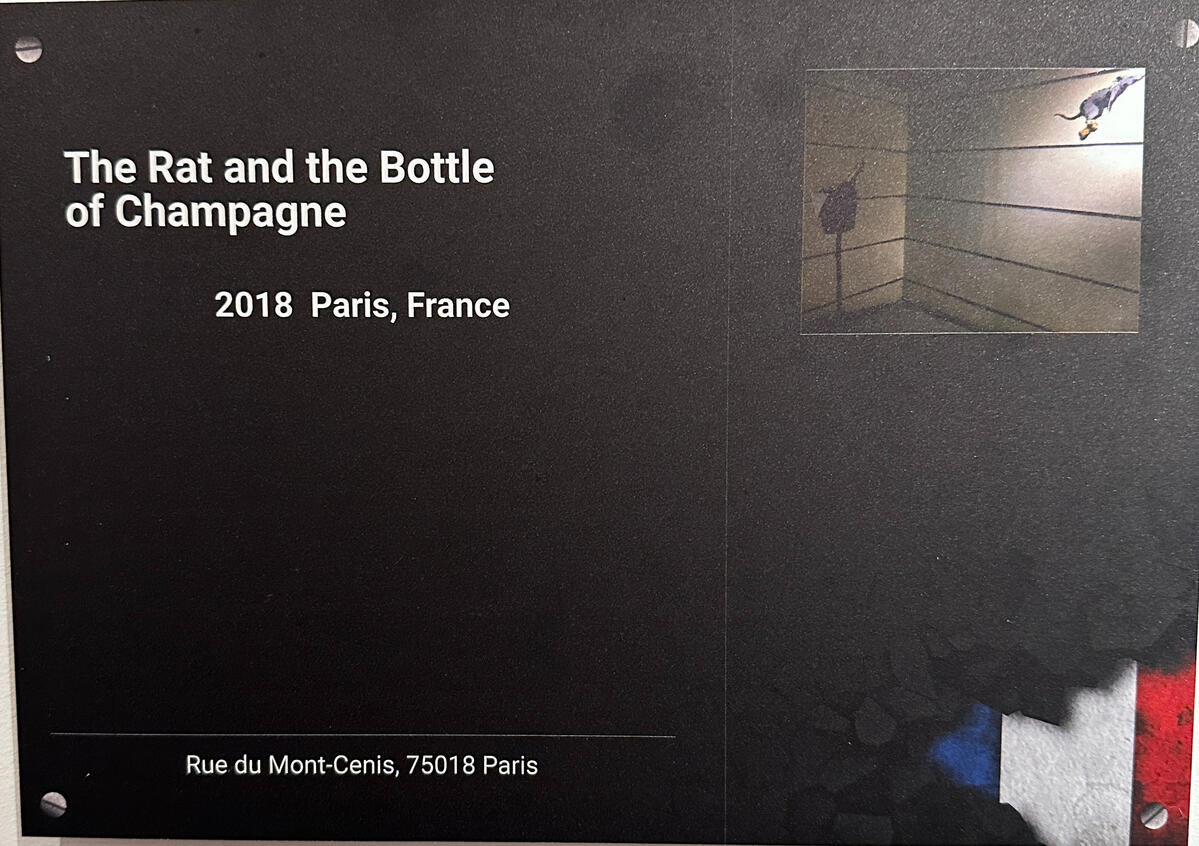
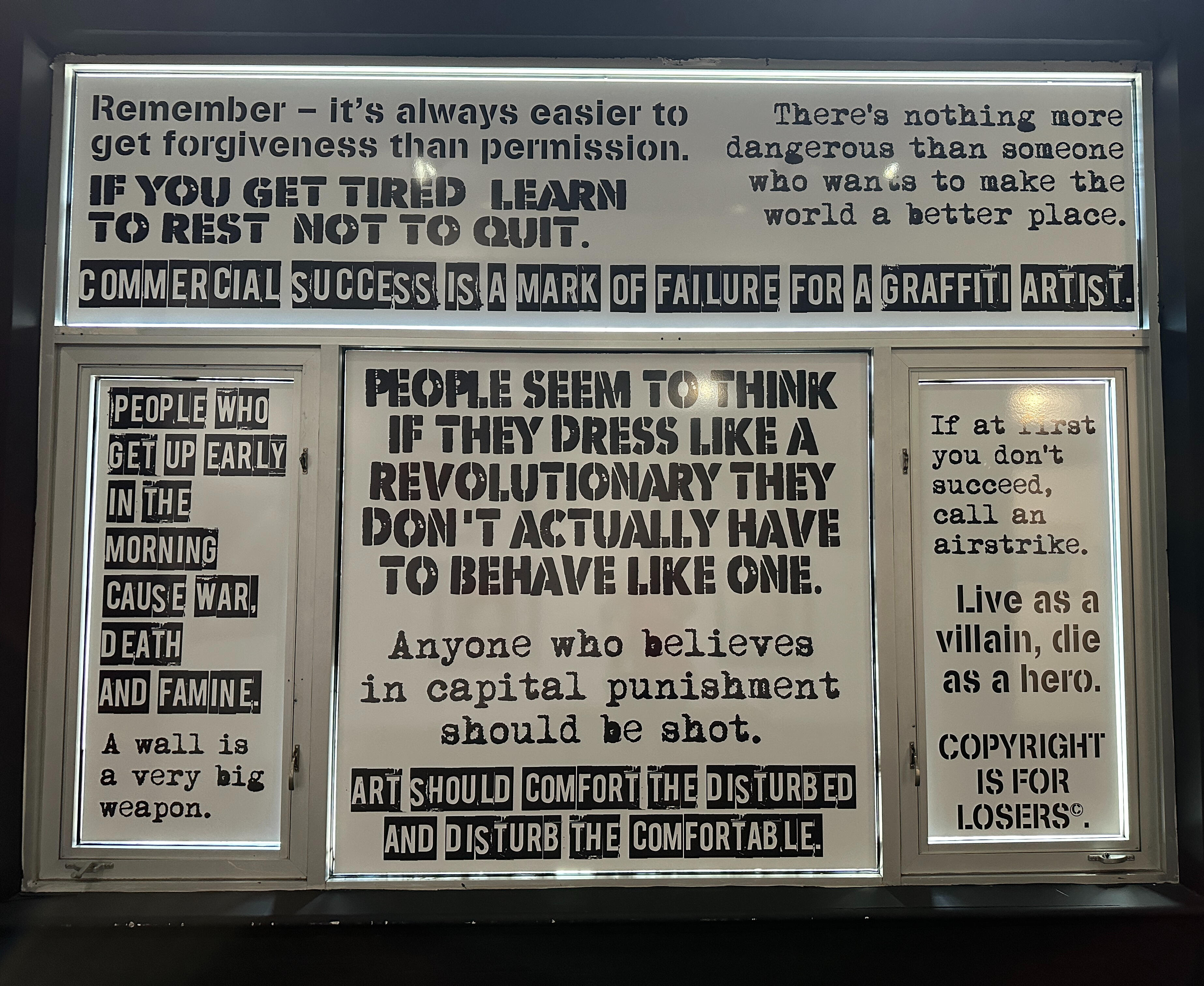
Vincent Van Gogh
"If you hear a voice within you say 'you cannot paint,' then by all means paint, and that voice will be silenced."Vincent van Gogh (1853–1890) was a Dutch painter who became one of the most influential figures in Western art history, though he only found fame after his death.
The Early Years: Before turning to art at age 27, Van Gogh worked unsuccessfully as an art dealer, teacher, and lay preacher in a poor Belgian mining community. He was largely self-taught.
The French Transition: In 1886, he moved to Paris. There, he met Impressionist and Post-Impressionist artists like Paul Gauguin and Henri de Toulouse-Lautrec, which radically brightened his dark, somber palette.
The Arles Period: Seeking intense light, he moved to Arles in southern France in 1888. This was his most productive period but also marked a severe decline in his mental health. After a famous argument with Gauguin, Van Gogh severed his own left ear.
The Tragic End: He voluntarily entered an asylum in Saint-Rémy-de-Provence, where he painted The Starry Night. In July 1890, at age 37, Van Gogh died from a self-inflicted gunshot wound, having sold only one known painting during his lifetime. His career lasted just one decade, but he produced over 2,100 artworks.
I feel that there is nothing more truly artistic than to love people.
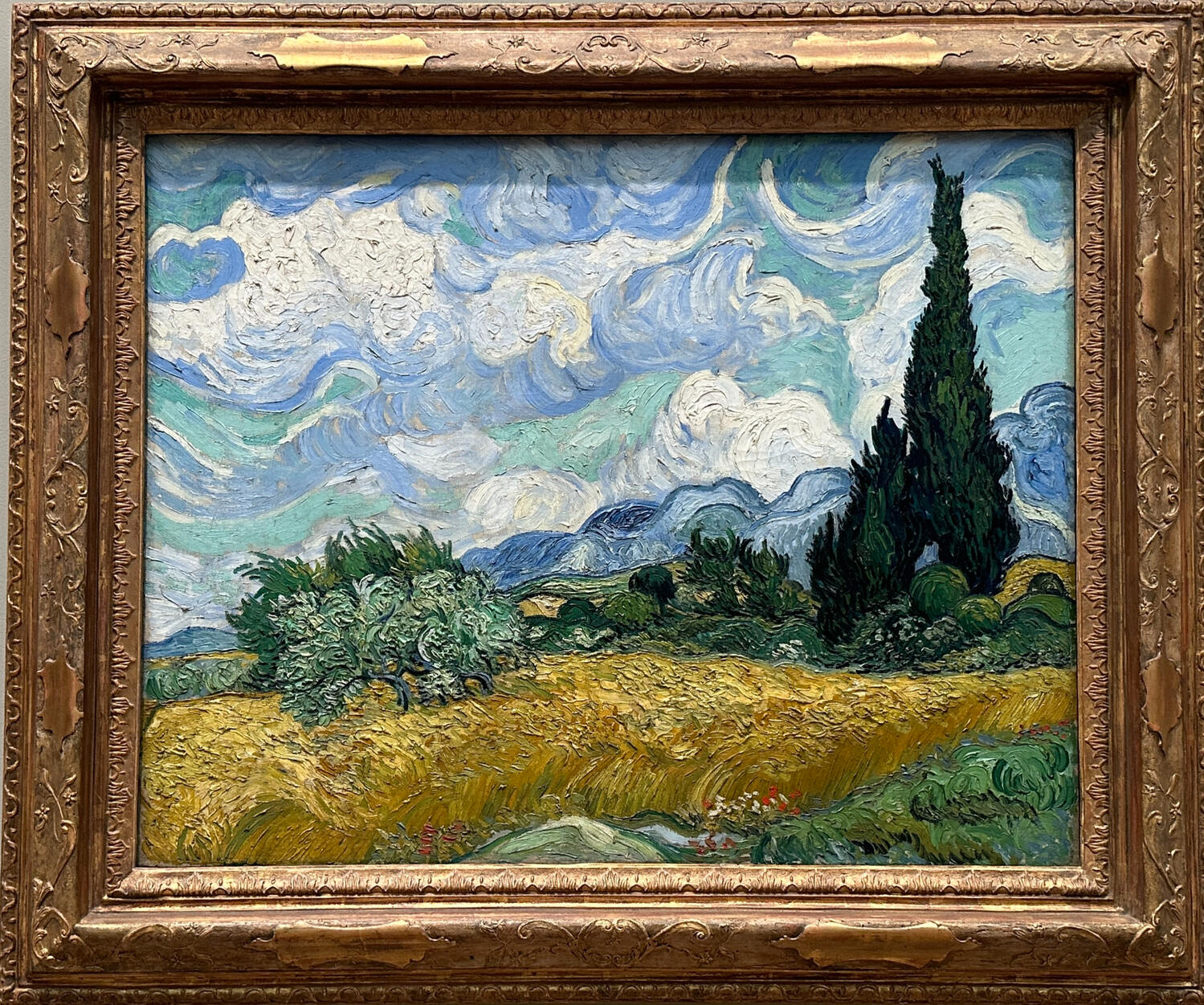
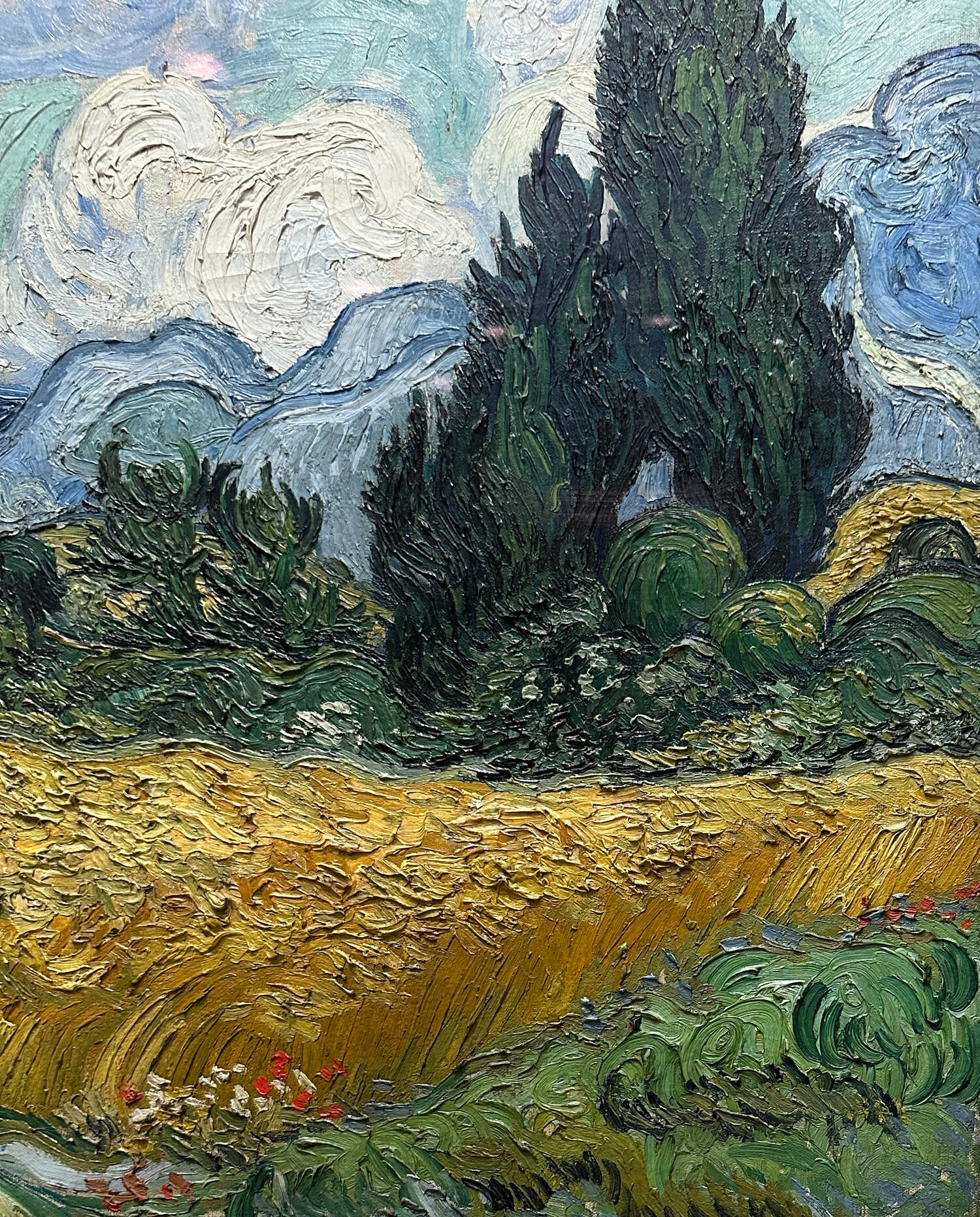
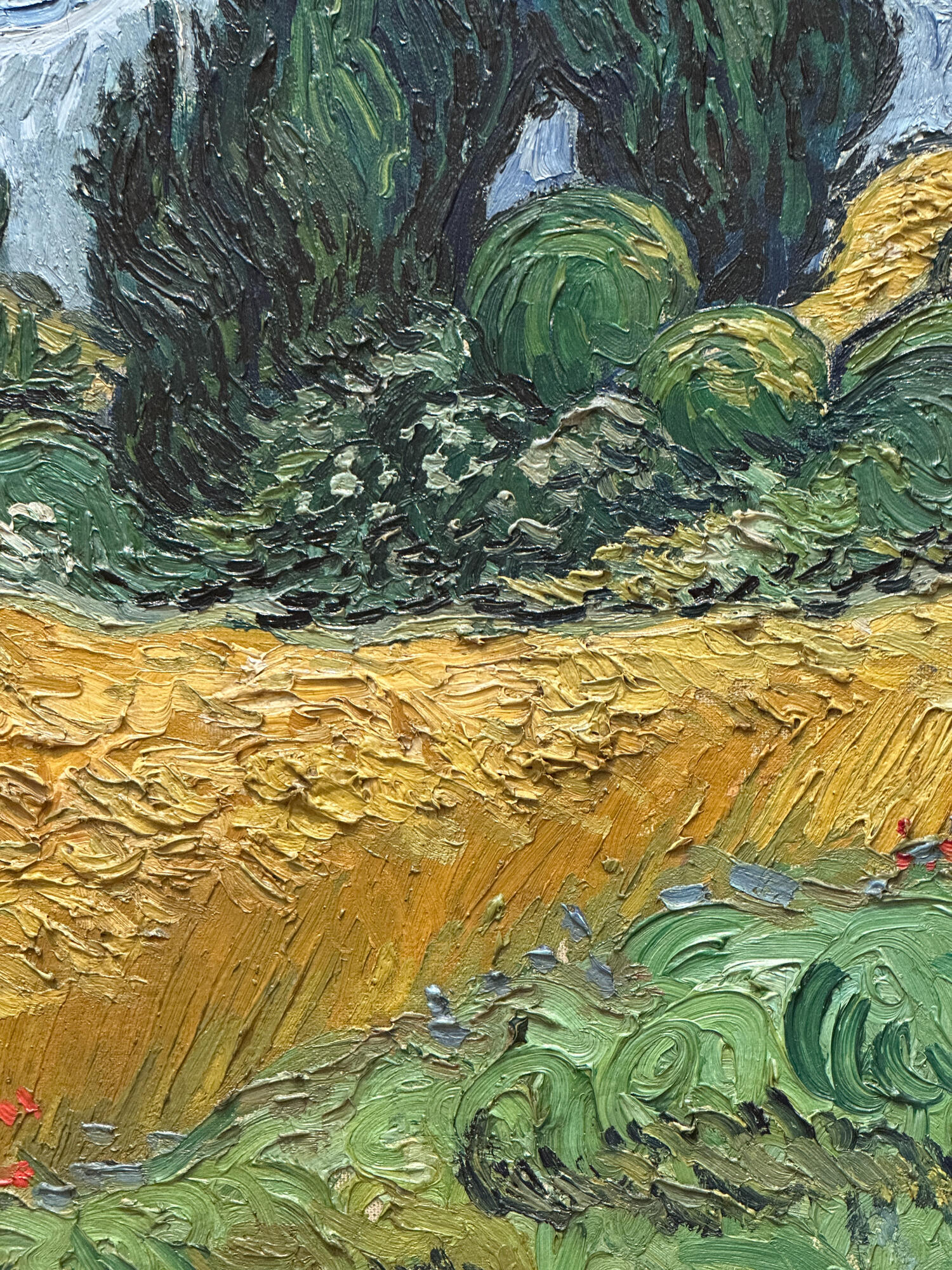
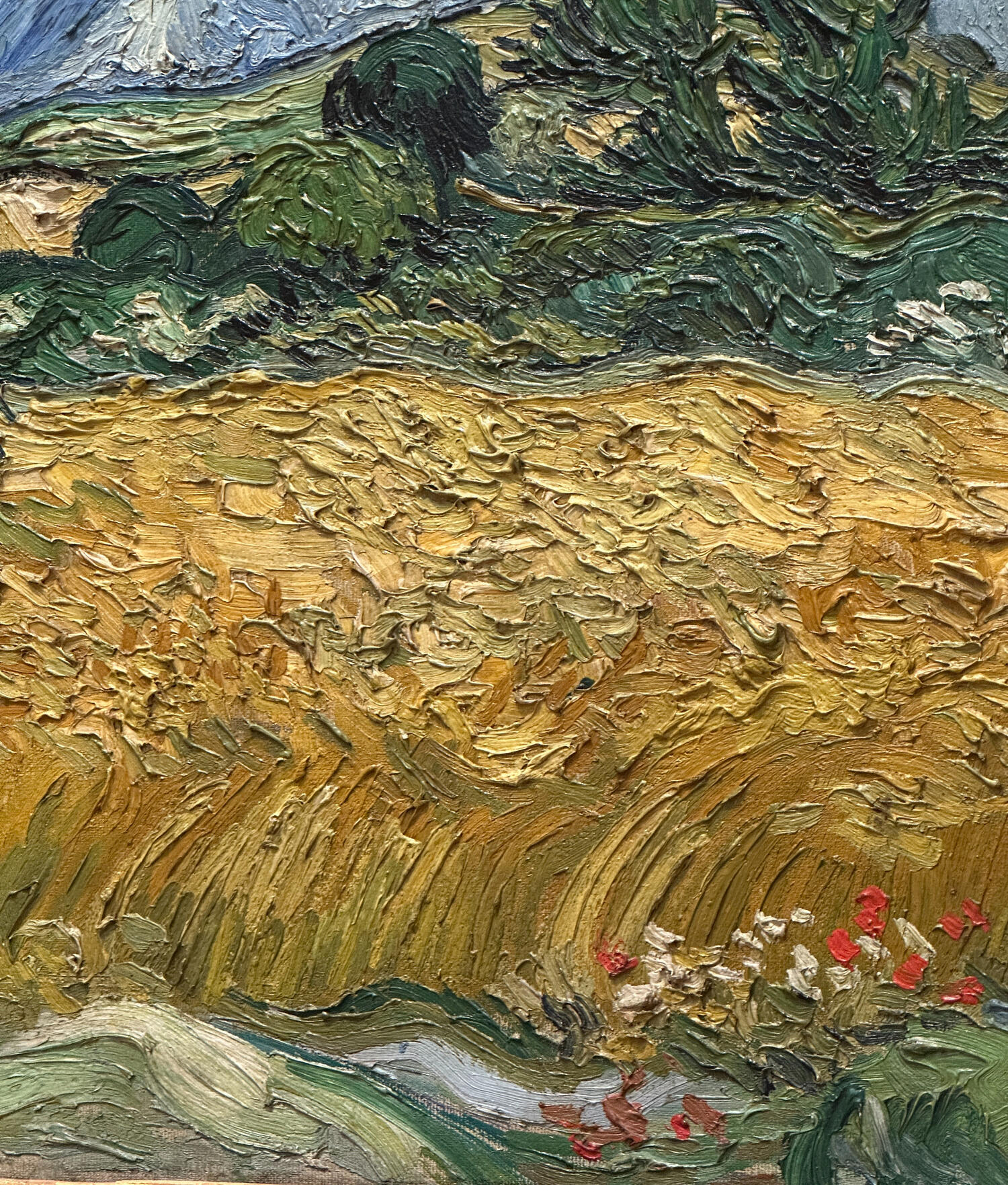
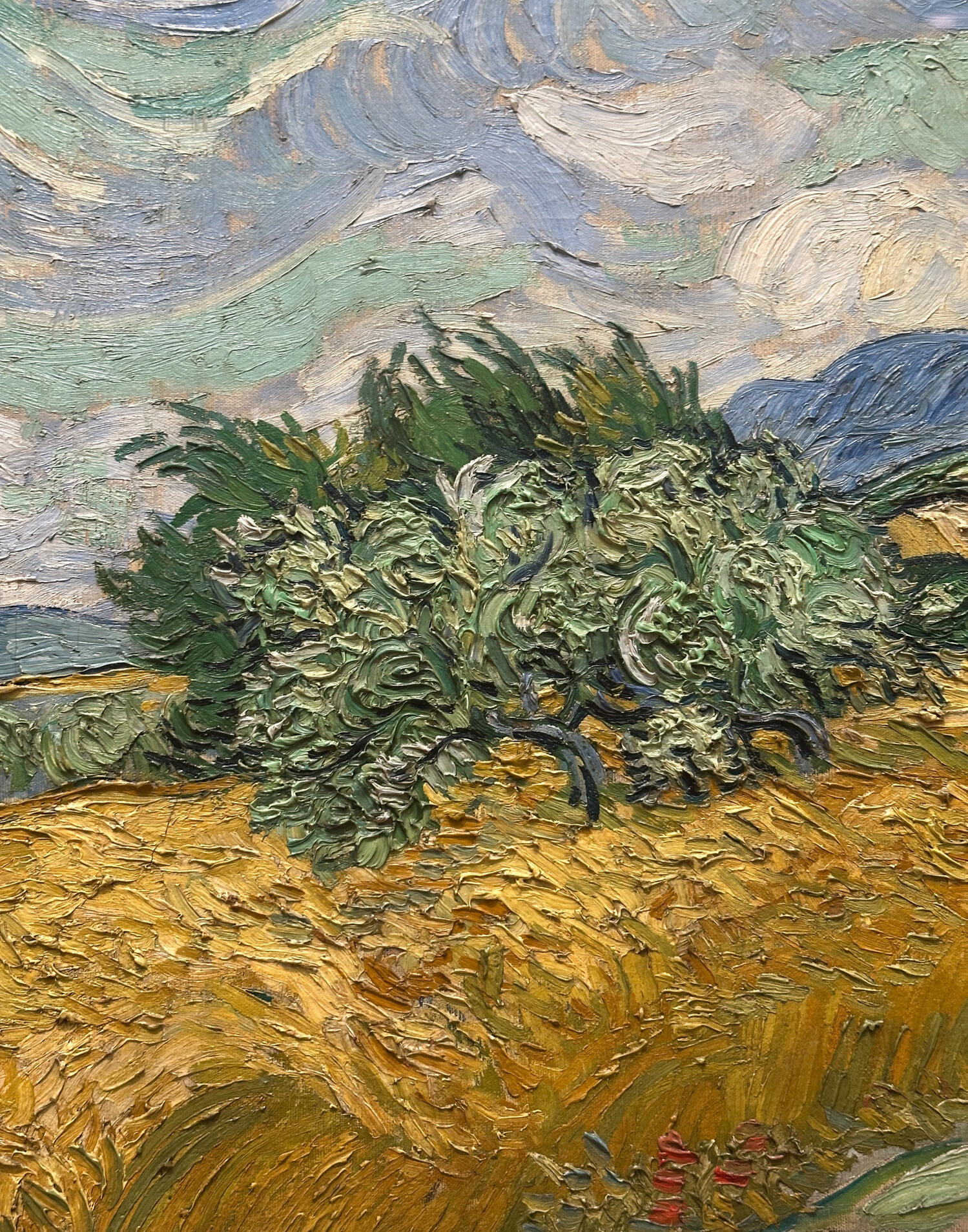
Wheat Field with Cypresses, 1889
Cypresses gained ground in Van Gogh's work by late June 1889 when he resolved to devote one of his first series in Saint-Rémy to the towering trees. Distinctive for their rich impasto, his exuberant on-the-spot studies include the Met's close-up vertical view of cypresses and this majestic horizontal composition, which he illustrated in reed-pen drawings sent to his brother on July 2. Van Gogh regarded the present work as one of his "best" summer landscapes and was prompted that September to make two studio renditions: one on the same scale (National Gallery, London) and the other a smaller replica, intended as a gift for his mother and sister (private collection).
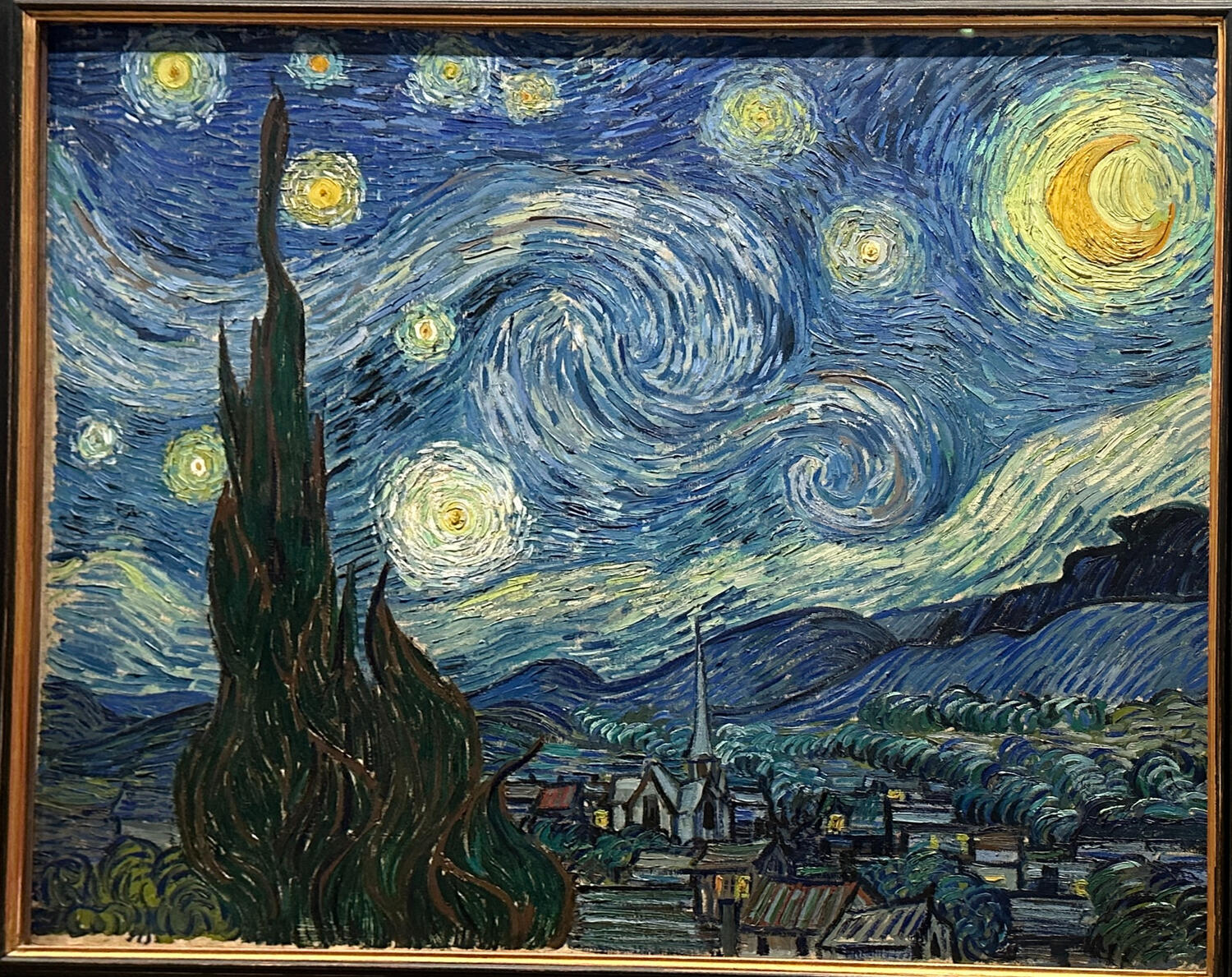
The Starry Night, 1889
The Starry Night is a masterpiece painted from the window of his asylum room in Saint-Rémy-de-Provence. The painting captures a turbulent, swirling night sky filled with a vibrant crescent moon and eleven glowing, hypnotic stars. In the left foreground, a towering, flame-like cypress tree acts as a dark, somber bridge connecting the mortal earth to the infinite cosmos. Below the sky sits an idealized, peaceful village that Van Gogh largely imagined by blending French topography with memories of his Dutch homeland. Ultimately, this work uses heavy textures and bold colors to project his intense internal emotional state rather than a literal depiction of reality.
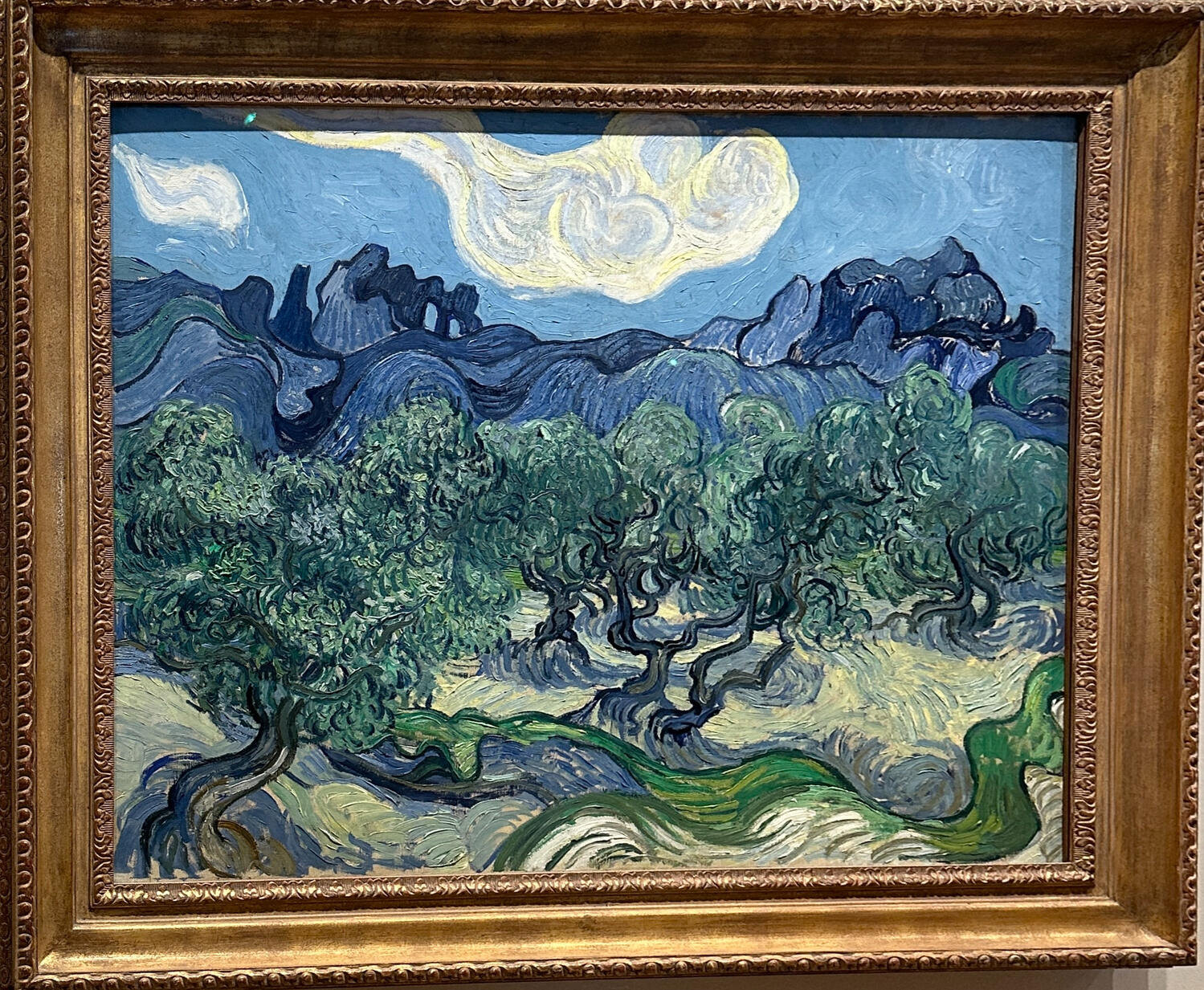
The Olive Trees, 1889
The landscape depicts an intense, heat-soaked Mediterranean afternoon where gnarled green olive trees twist and crimp against a dry, rolling ground. Above the groves, a light-washed blue sky cradles a single, heavily stylized white cloud that mimics the turbulent energy of his nighttime celestial swirls. Van Gogh intentionally utilized the vibrant, intense blue of the sky as a deeply spiritual choice, symbolizing a divine and infinite cosmic presence. In letters to his brother Theo, he proudly noted that the heavy outlines and exaggerated arrangements were meant to move past "photographic perfection" to elevate raw color and linear rhythm
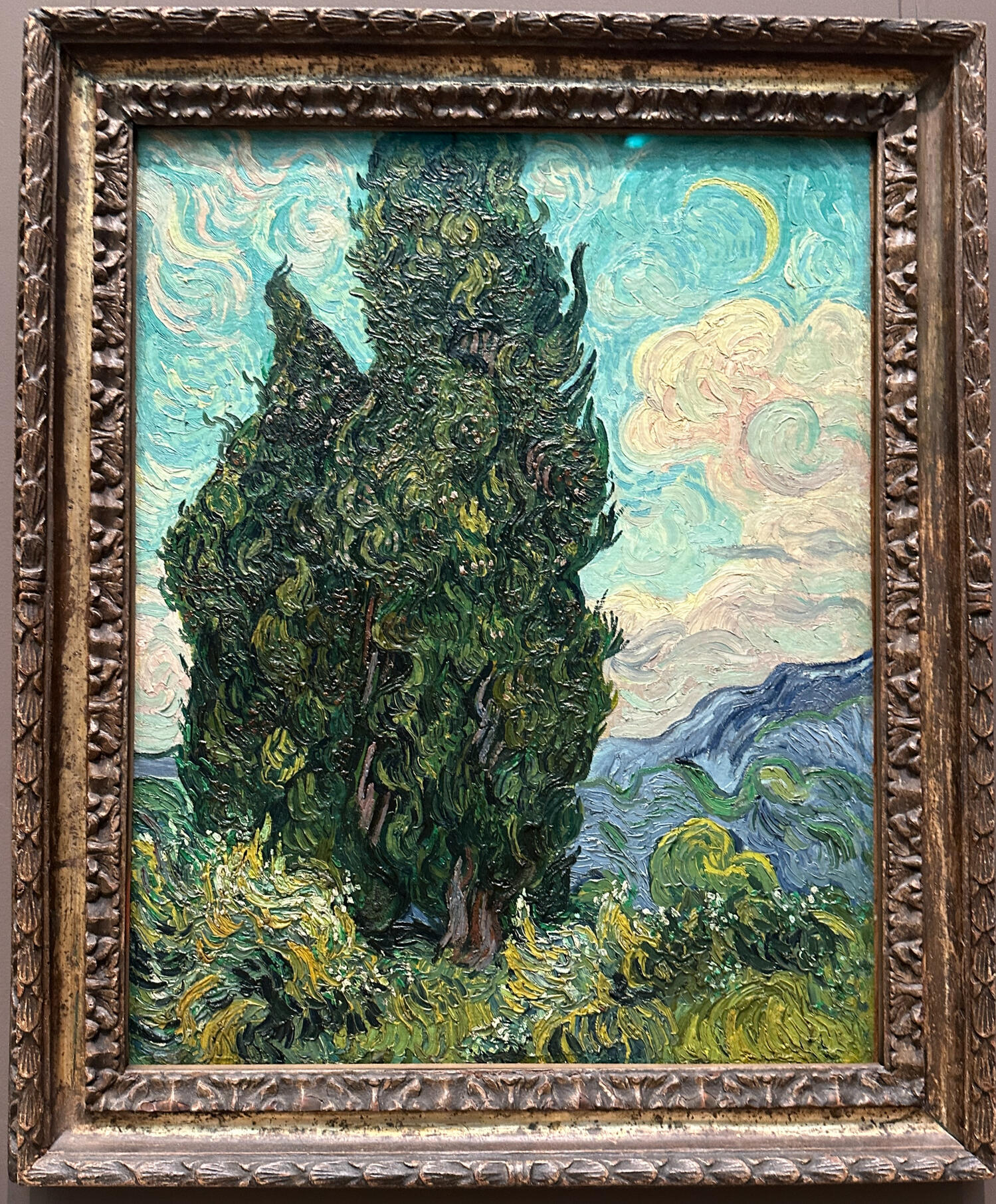
Cypresses, 1889
Cypresses was painted in late June 1889, shortly after Van Gogh began his yearlong stay at the asylum in Saint-Rémy. The subject, which he found "beautiful as regards lines and proportions, like an Egyptian obelisk," both captivated and challenged the artist: "It's the dark patch in a sun-drenched landscape, but it's one of the most interesting dark notes, the most difficult to hit off exactly that I can imagine." One of two close-up views of the "very tall and massive" trees in a vertical format (the other is in the Kröller-Müller Museum, Otterlo), Cypresses was shown in the 1890 Salon des Indépendants.
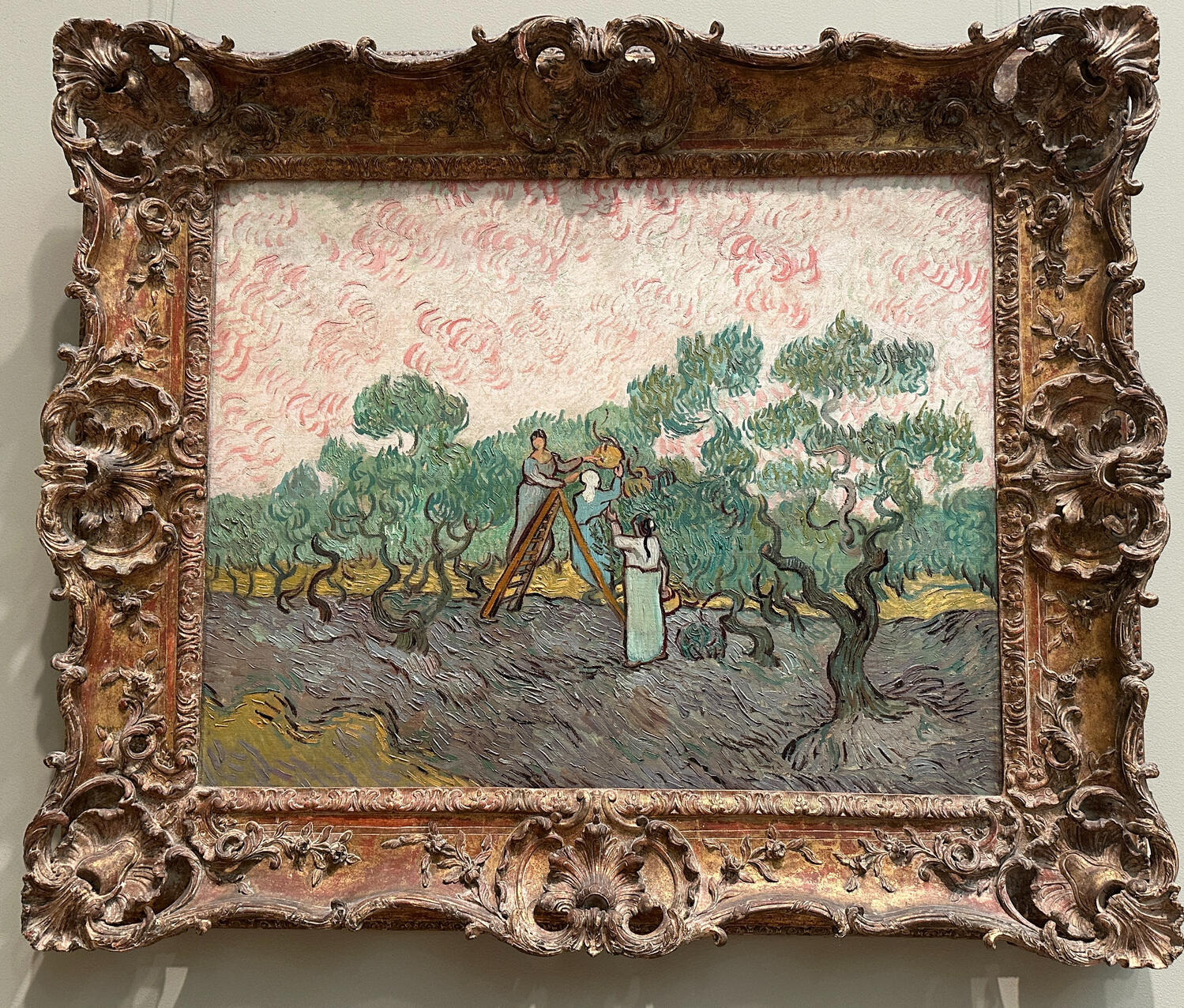
Women Picking Olives, 1889
At the end of 1889, Van Gogh painted three versions of this picture. He described the first as a study from nature "more colored with more solemn tones" (private collection) and the second as a studio rendition in a "very discreet range" of colors (National Gallery of Art, Washington, D.C.). The present work, the most resolved and stylized of the three, was intended for his sister and mother, to whom Van Gogh wrote: "1 hope that the painting of the women in the olive trees will be a little to your taste—| sent [a] drawing of it to Gauguin, ... and he thought it good...."
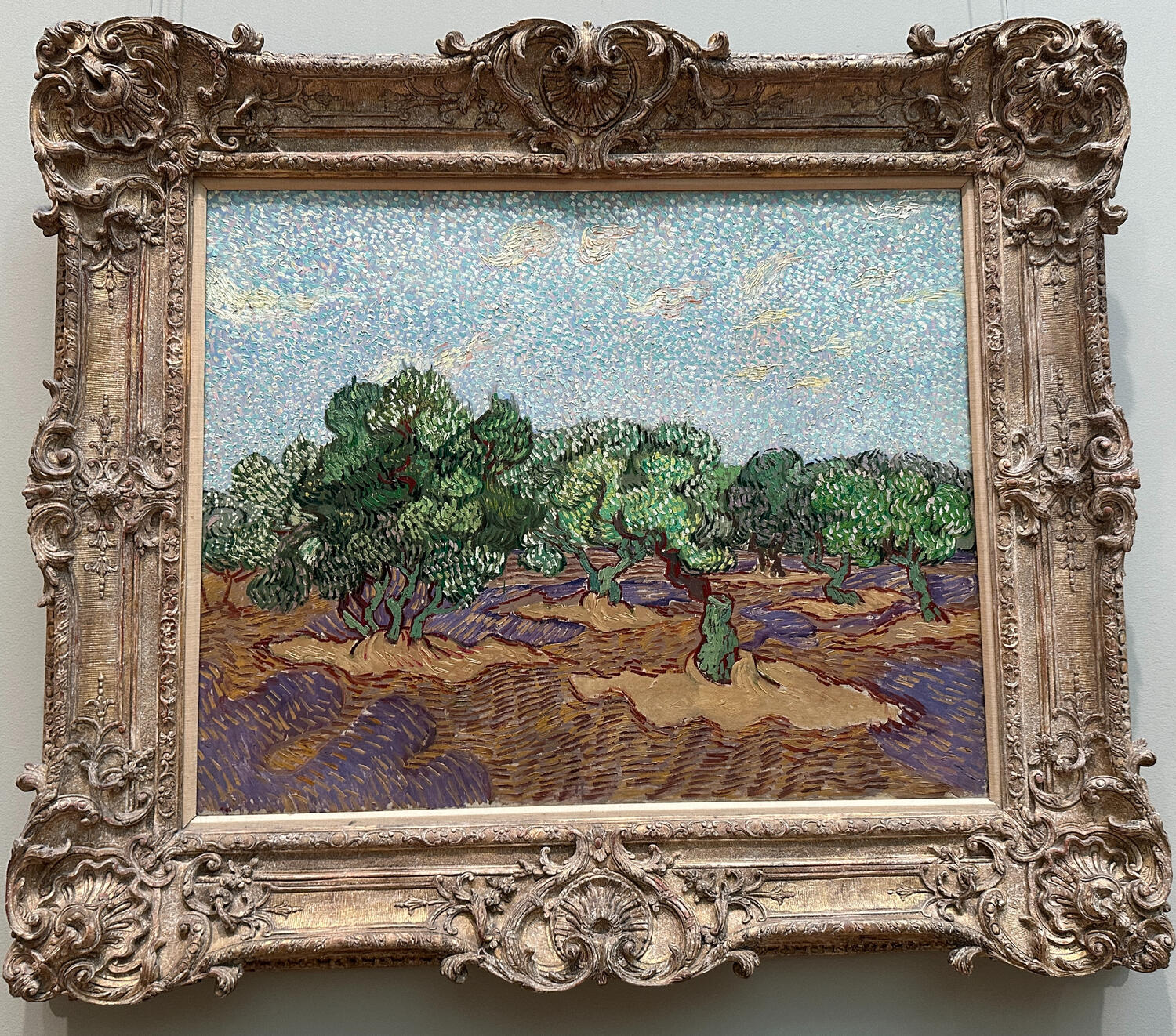
Olive Trees, 1889
This is one of five pictures of olive orchards that Van Gogh made in November 1889. Painted directly from nature but animated by Seurat-like stippling and stylized passages of broken color, these works responded to recent compositions by Paul Gauguin and Emile Bernard. "What I've done is a rather harsh and coarse realism beside their abstractions, " Van Gogh observed, "but it will nevertheless impart a rustic note, and will smell of the soil."
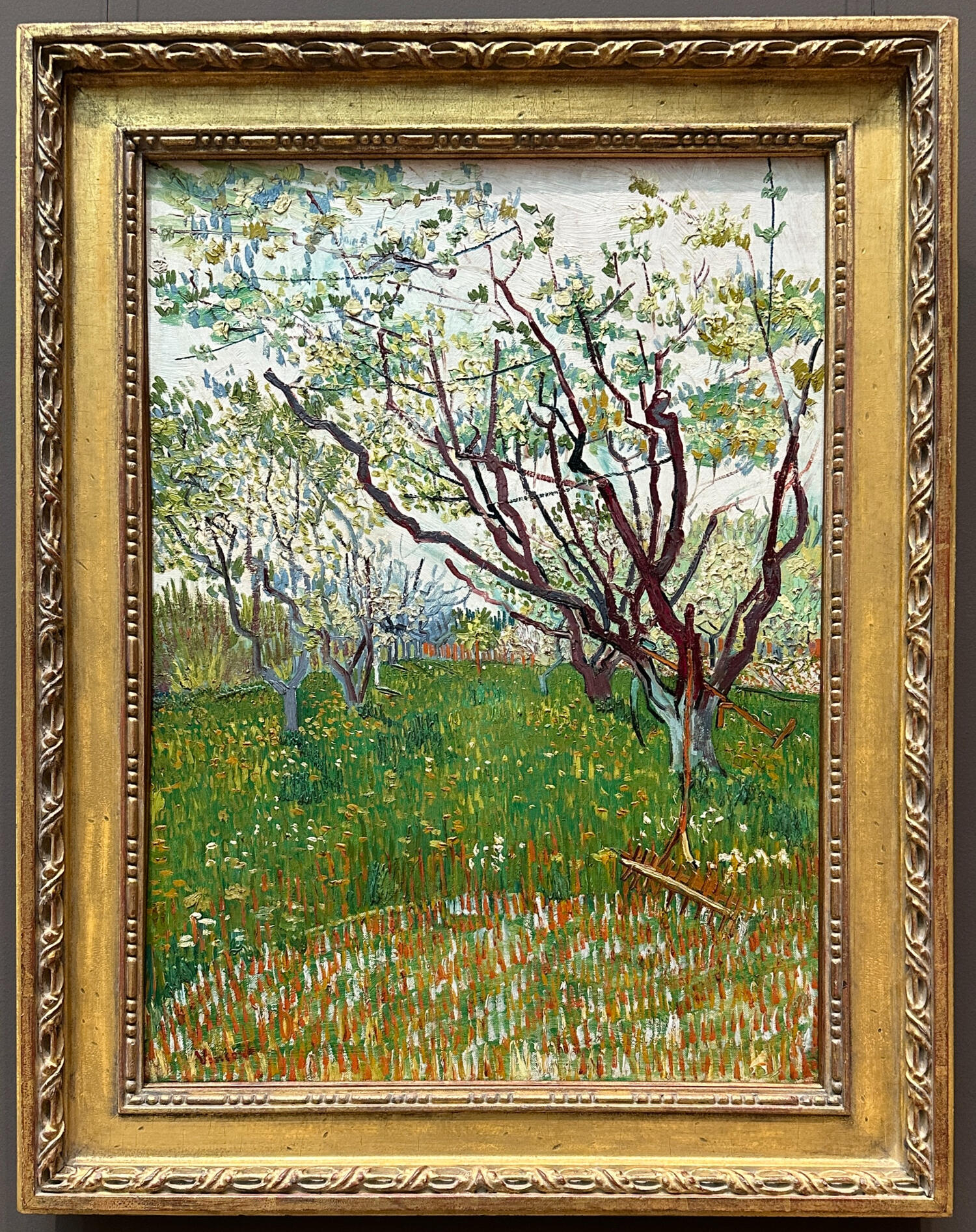
The Flowering Orchard, 1888
The arrival of spring in Arles in 1888 found Van Gogh "in a fury of work." As he wrote to his brother Theo, "the trees are in blossom and I would like to do a Provençal orchard of tremendous gaiety. " Between late March and late April, the artist dedicated fourteen canvases to the subject, working in a range of sizes, formats, and styles. This composition, dominated by the angular, elongated branches of the budding trees, attests to Van Gogh's admiration for Japanese prints. His inclusion of the scythe and rake makes this one of only two orchard paintings to hint at a human presence.
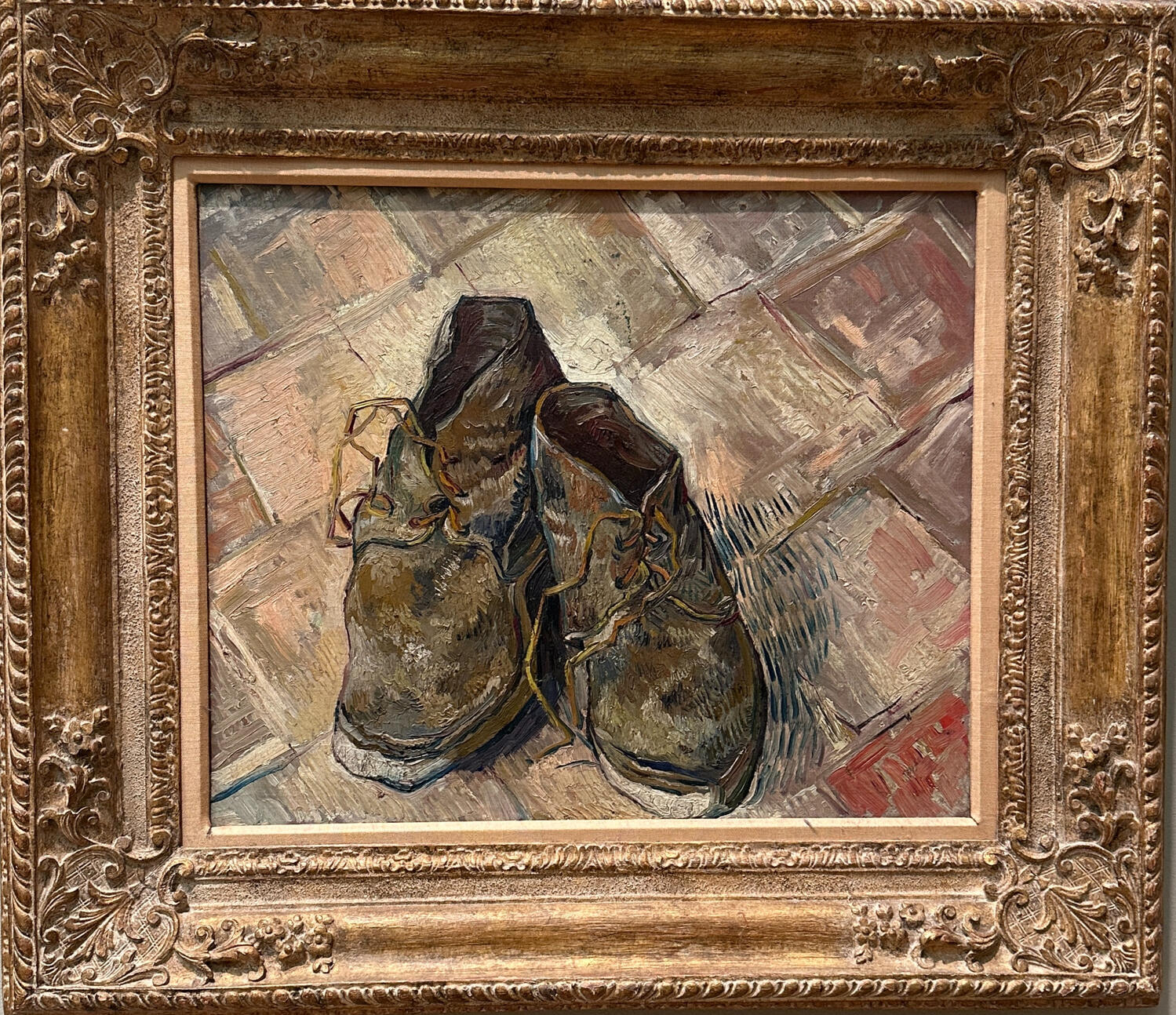
Shoes, 1888
Van Gogh painted several still lifes of shoes or boots during his Paris period. This picture, painted later, in Arles, evinces a unique return to the earlier motit.
However, here Van Gogh has placed the shoes within a specific spatial context: namely, the red-tile floor of the Yellow House. Not only may we identify the setting, but perhaps the owner of the shoes as well. It has been suggested that this "still life of old peasants' shoes" may have been those of Patience Escalier, whose portrait Van Gogh executed around the same time, late summer 1888.
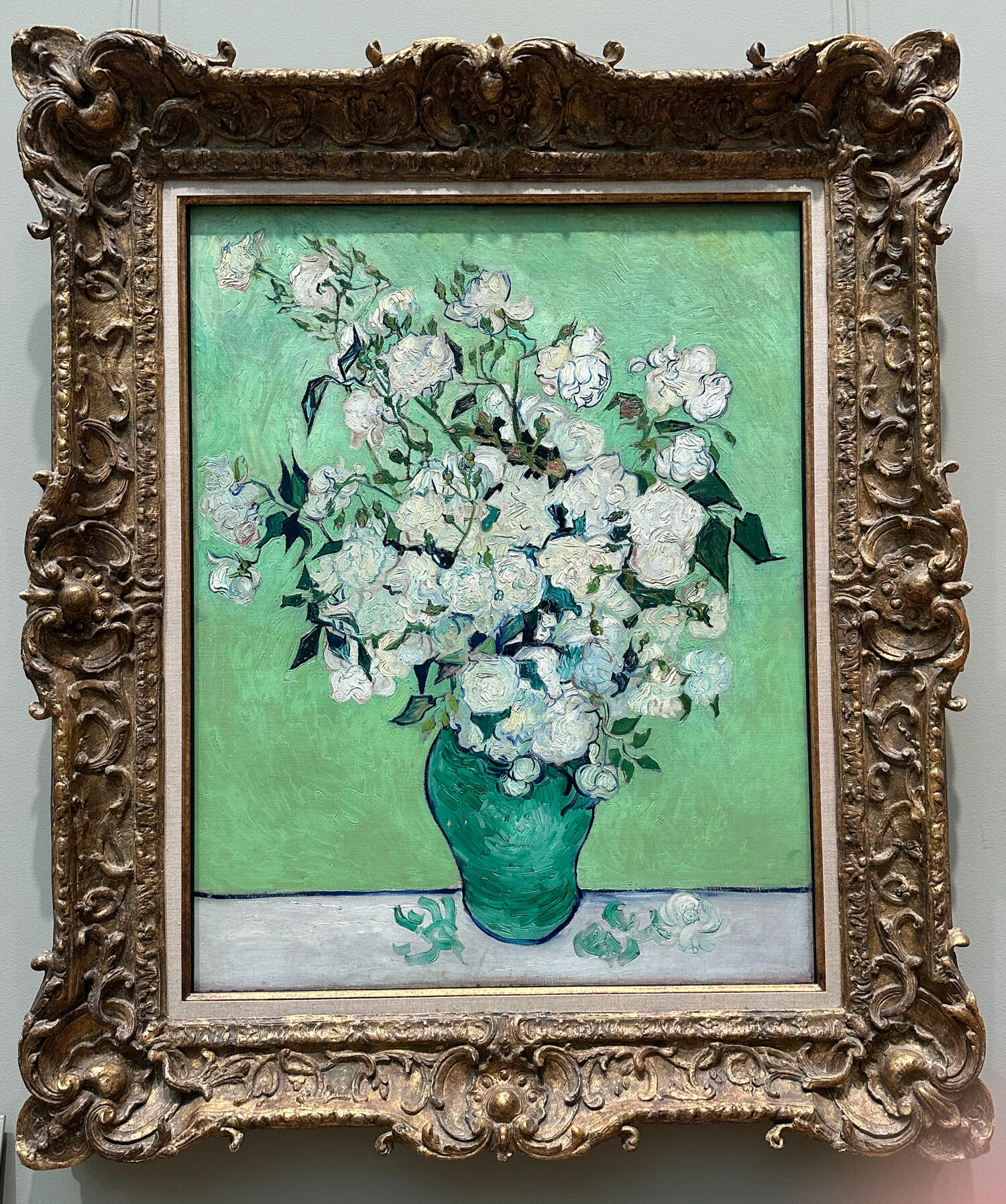
Roses, 1890
On the eve of his departure from the asylum in Saint Rémy in May 1890, Van Gogh painted an exceptional group of four still lifes, to which both The Met's Roses and Irises
(58.187) belong. These bouquets and their counterparts— an upright composition of irises (Van Gogh Museum, Amsterdam) and a horizontal composition of roses (National Gallery of Art, Washington)—were conceived as a series or ensemble. Traces of pink along the tabletop and rose petals in the present painting, which have faded over time, offer a faint reminder of the formerly more vivid "canvas of pink roses against a yellow green background in a green vase."
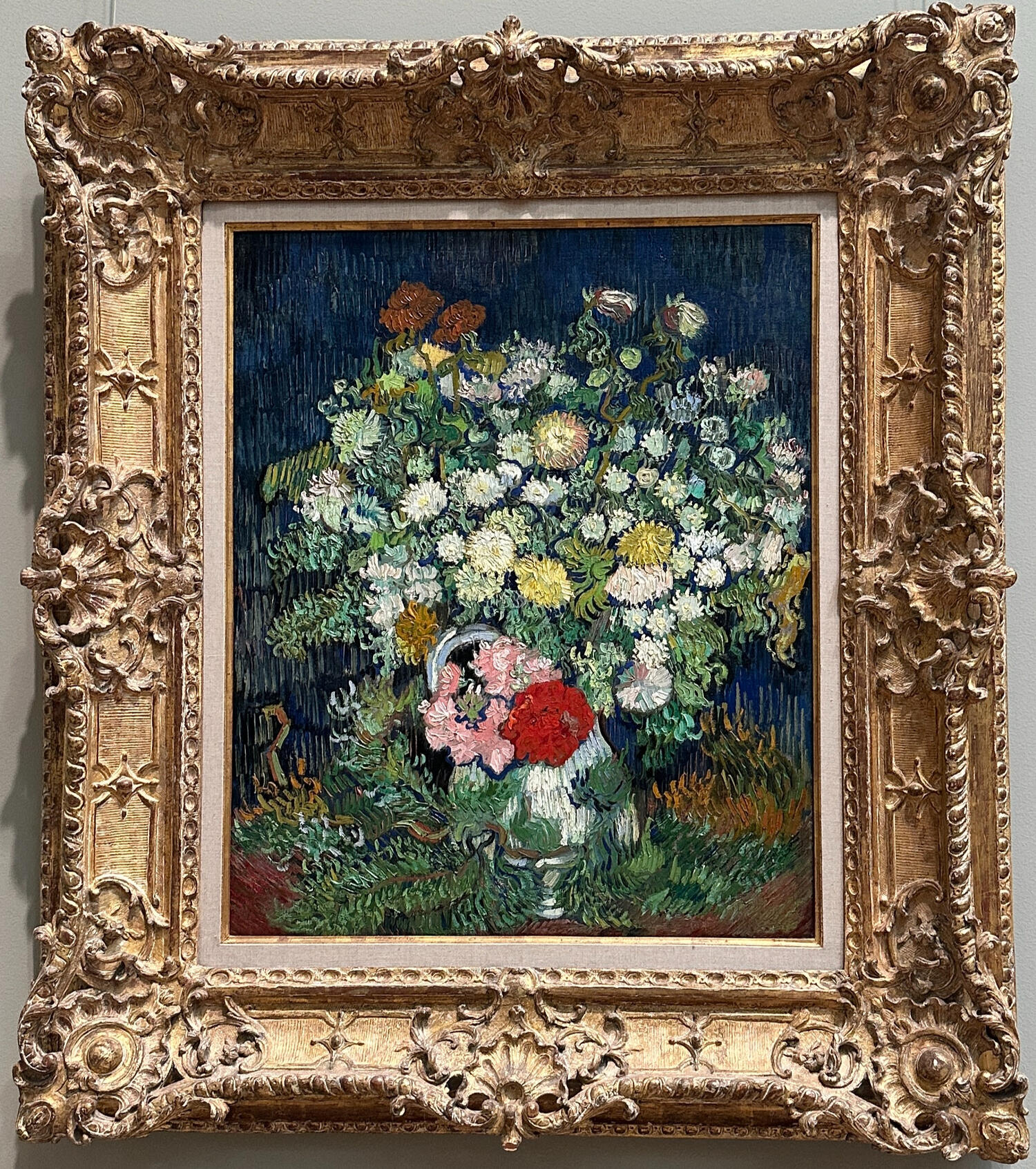
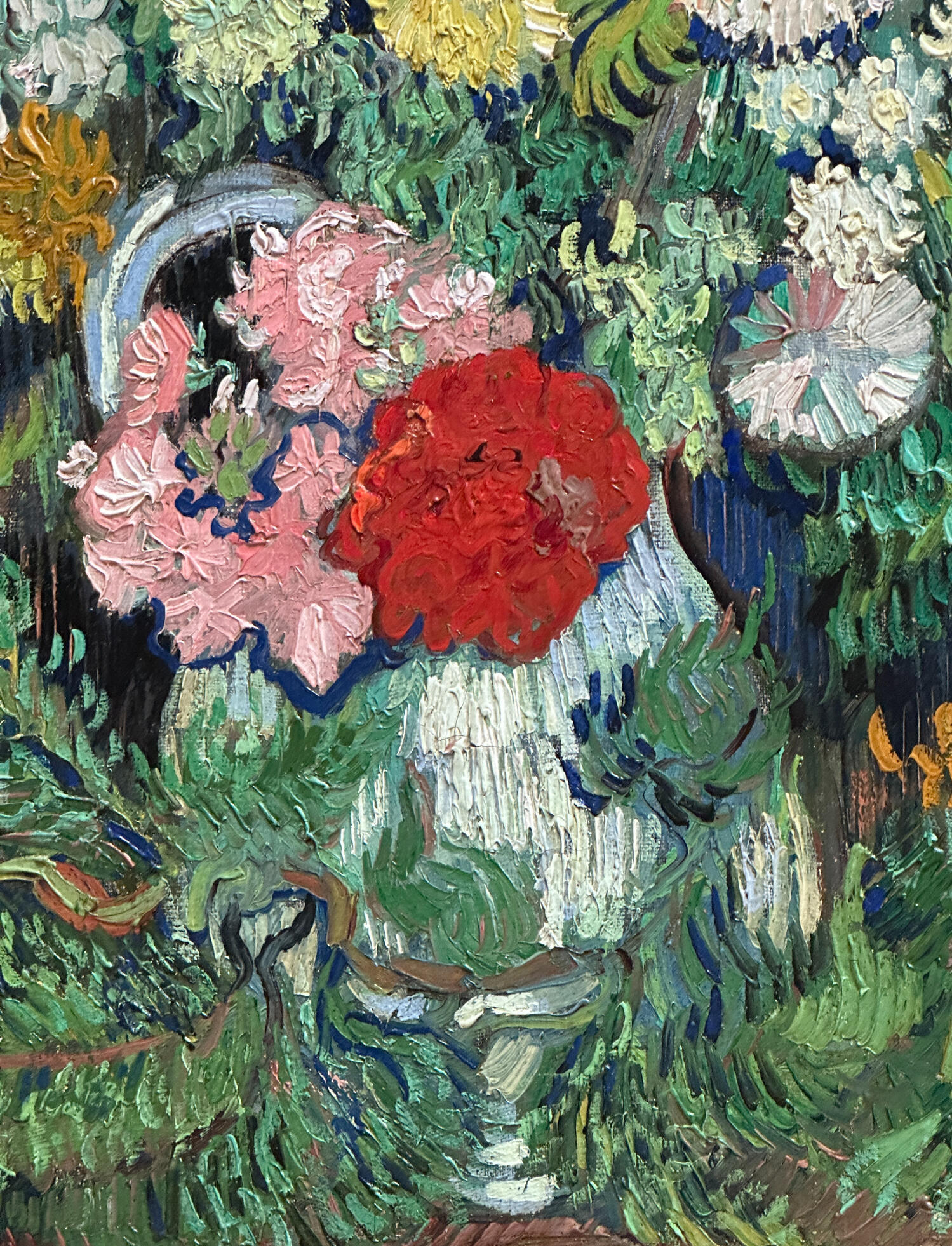
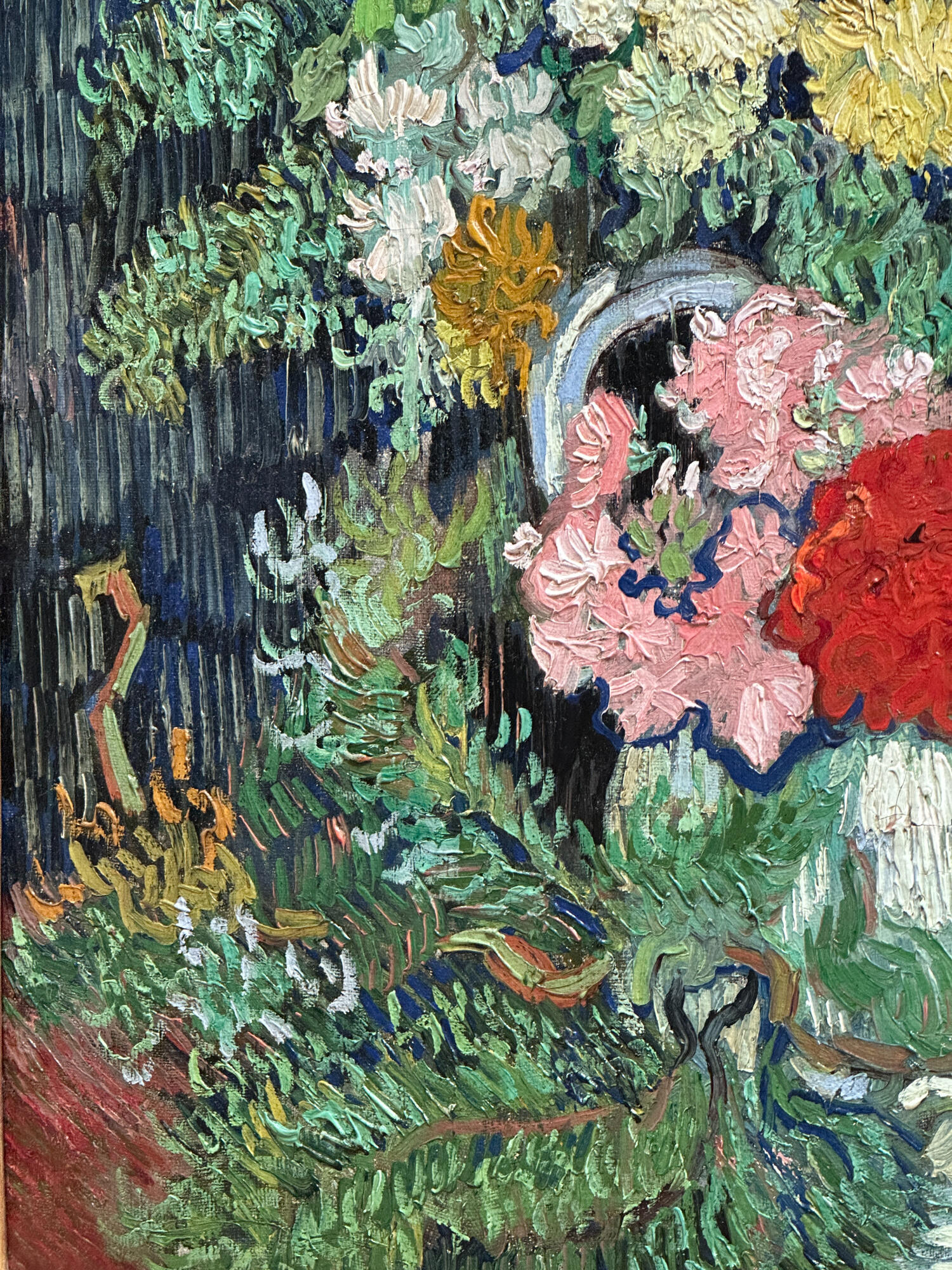
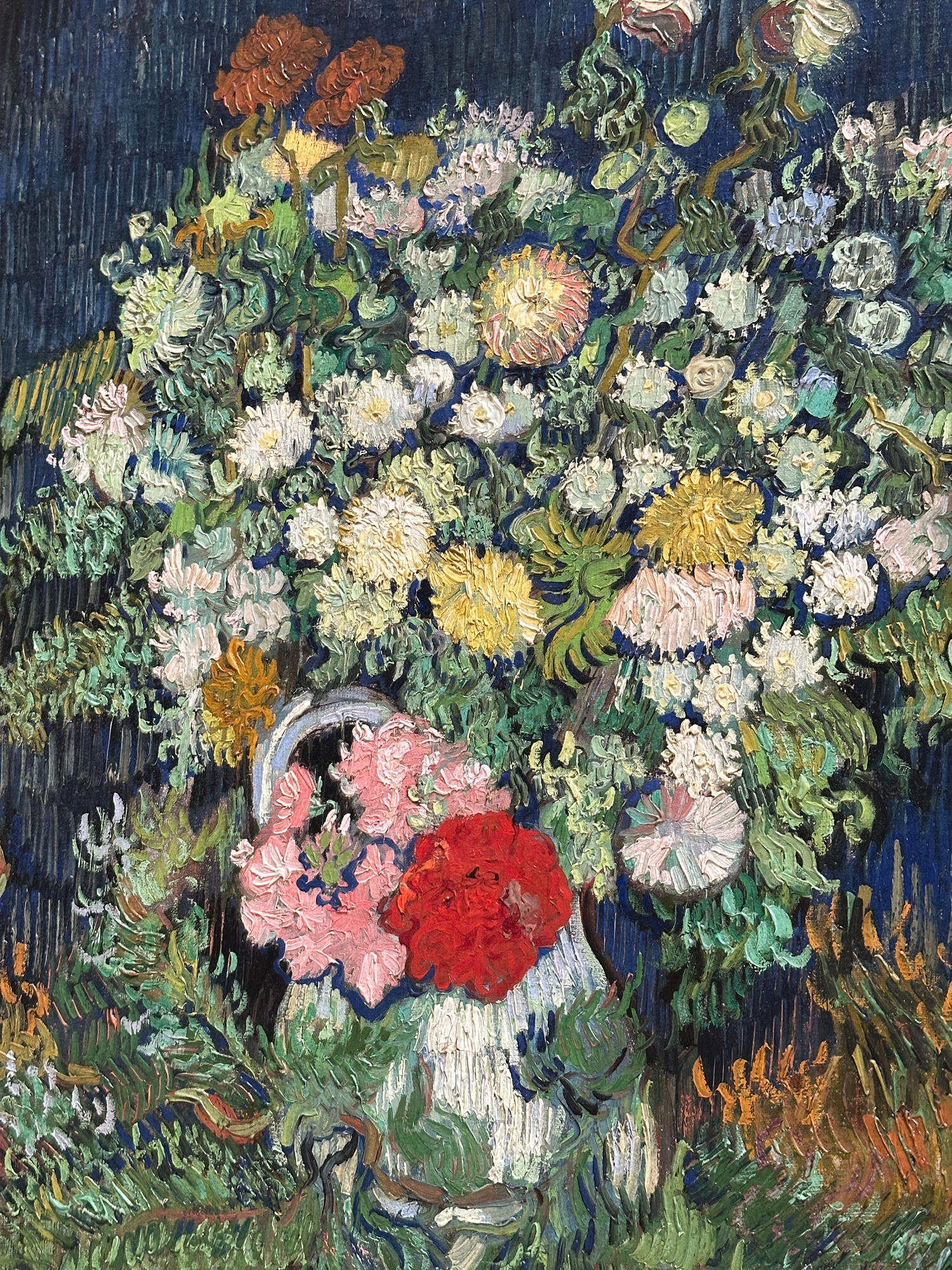
Bouquet of Flowers in a Vase, 1890
This still life is not mentioned in Van Gogh's letters and has puzzled scholars as to its place in his artistic production. The subject enjoys a certain rapport with the mixed bouquets of summer flowers he made in Paris; the quasi-abstract floral wallpaper design in the Berceuse of Arles (1996.435), and the white porcelain vase in the Irises of Saint-Rémy (58.187). However, the palette and style of this painting, especially its distinctive blues and ochers and graphic, brick-shape hatchings, link it firmly with the landscapes made just prior to his death in Auvers on July 29, 1890.
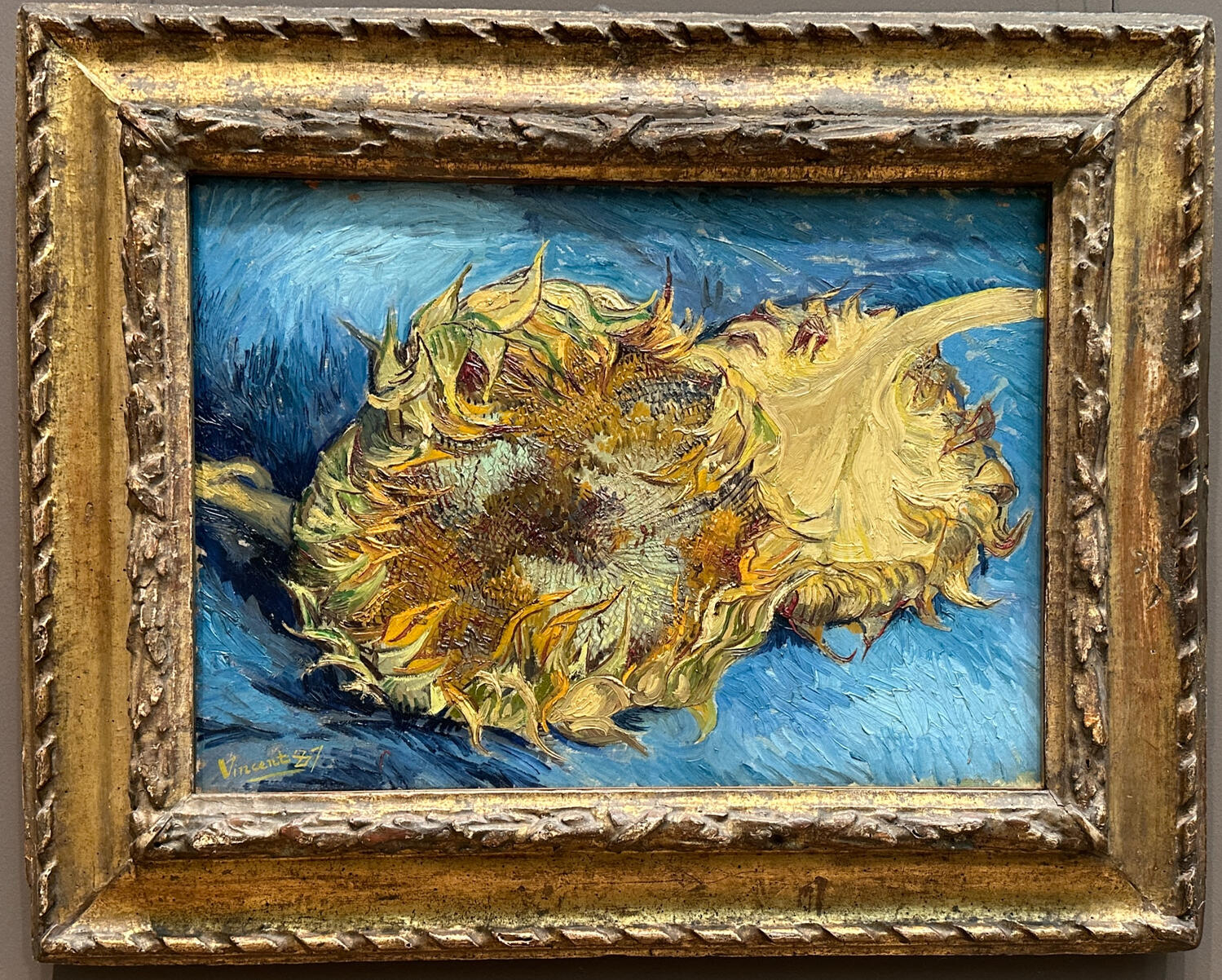
Sunflowers, 1887
Van Gogh painted four still lifes of sunflowers in Paris in late summer 1887. There is an oil sketch for this picture (Van Gogh Museum, Amsterdam) as well as another painting of two sunflowers also signed and dated 1887 (Kunstmuseum Bern), and a larger canvas showing four sunflower heads (Kröller-Müller Museum, Otterlo). Paul Gauguin acquired the two smaller works, and until the mid-1890s, when he sold his most prized possessions to finance his South Seas voyage, they held pride of place above the bed in his Paris apartment.
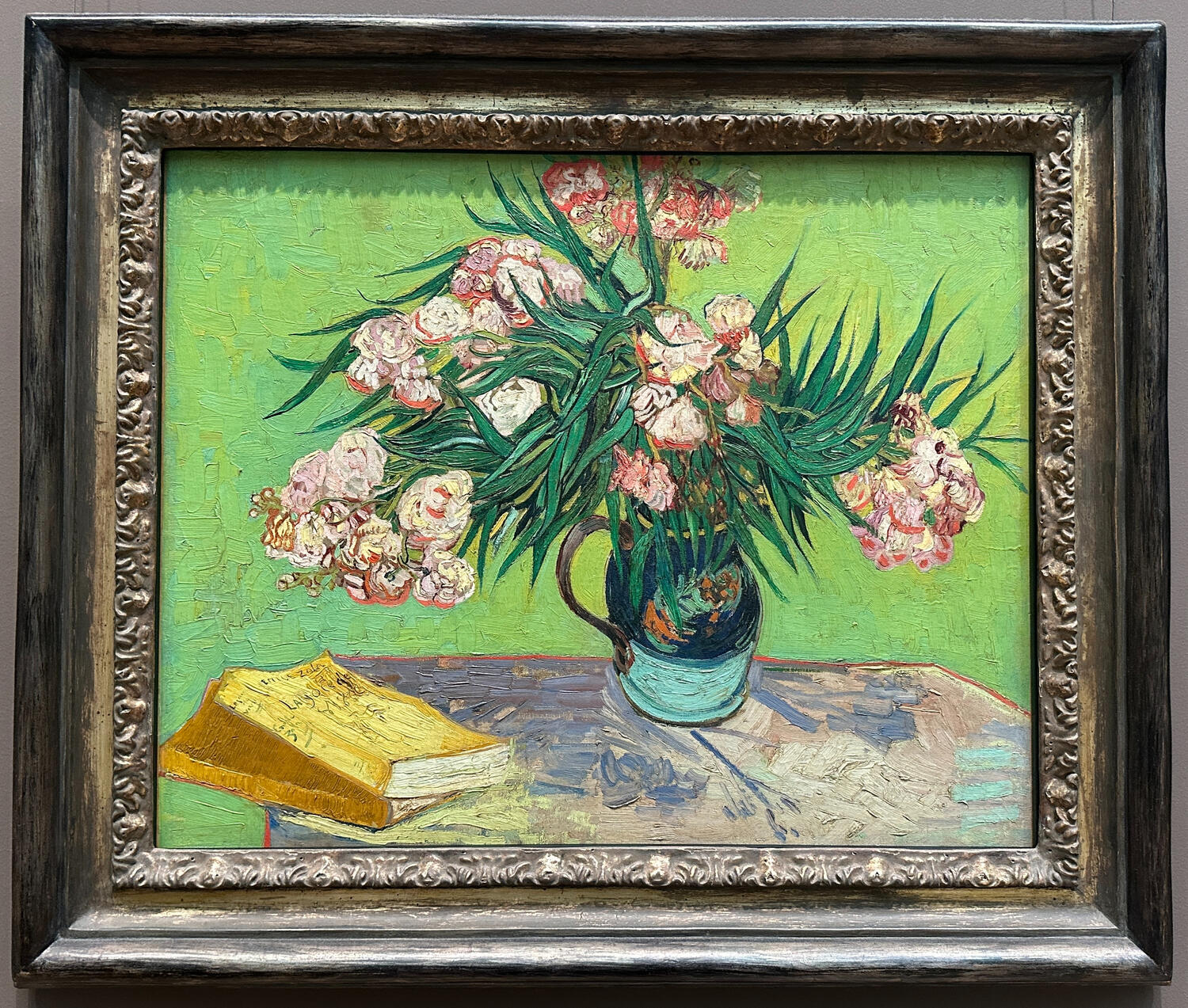
Oleanders, 1888
For Van Gogh, oleanders were joyous, life-affirming flowers that bloomed "inexhaustibly" and were always "putting out strong new shoots." In this painting of August 1888 the flowers fill a majolica jug that the artist used for other still lifes made in Arles. They are symbolically juxtaposed with Émile Zola's La joie de vivre, a novel that Van Gogh had placed in contrast to an open Bible in a Nuenen still life of 1885.
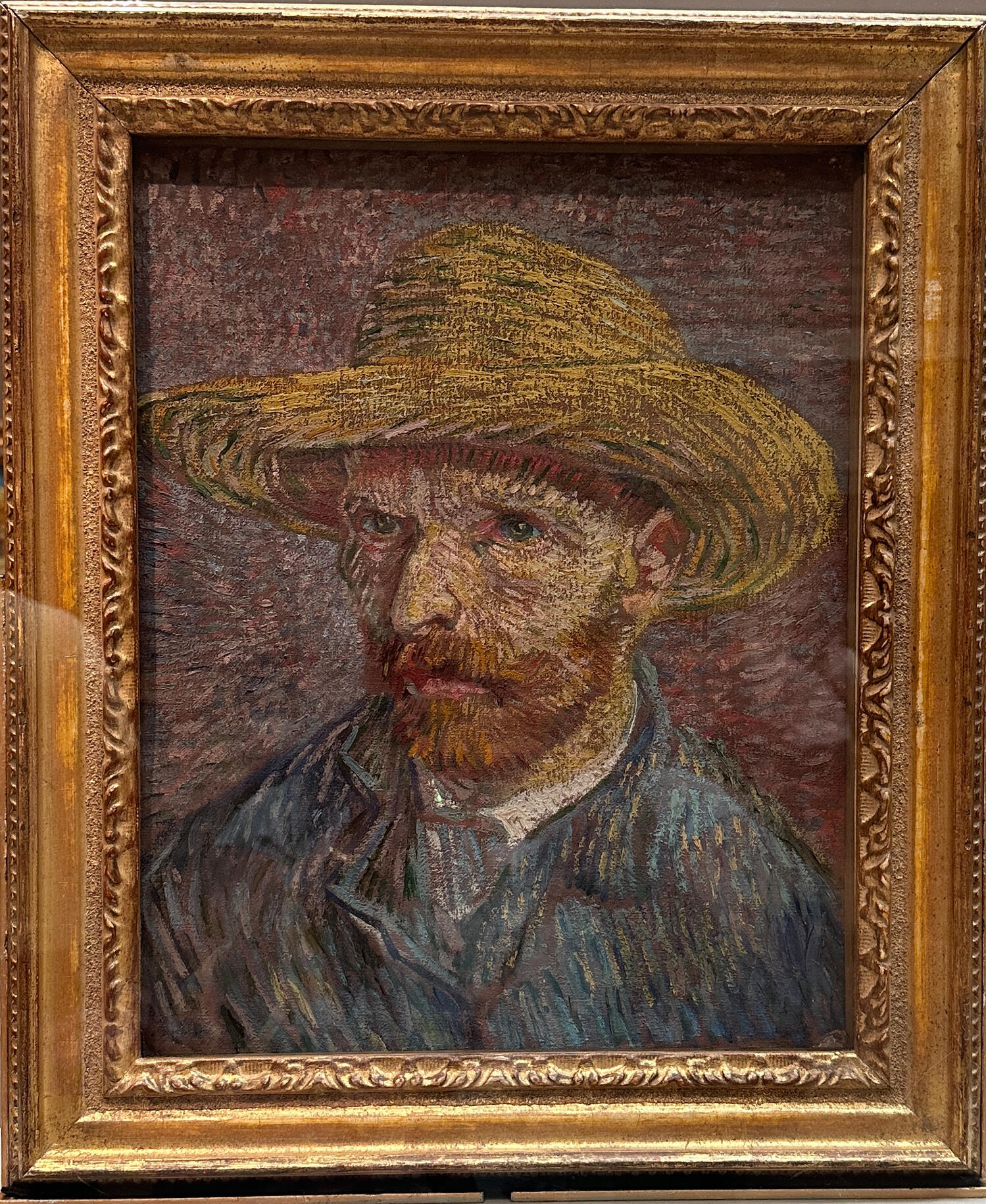
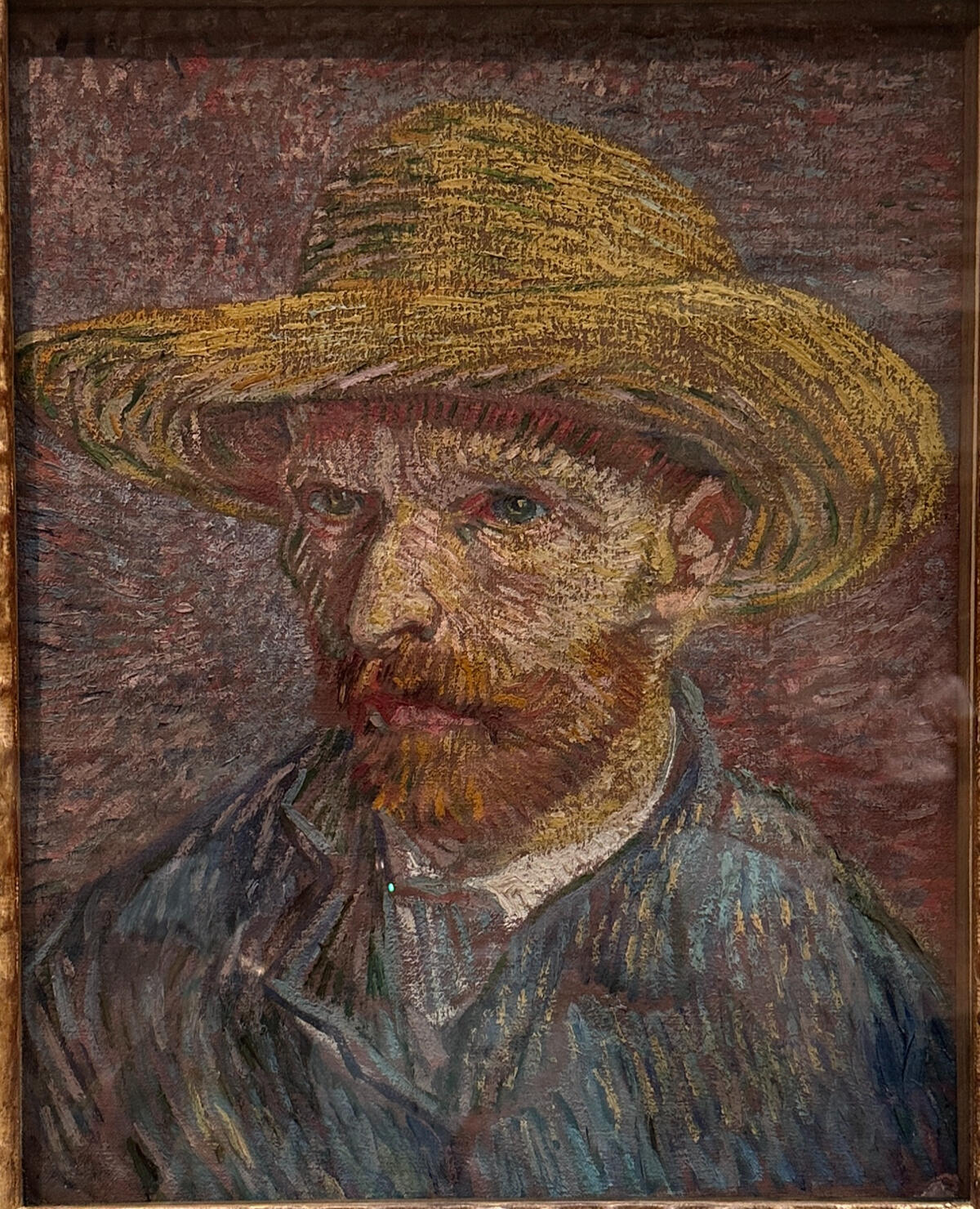
Self-portrait with a Straw Hat, 1887
Van Gogh produced more than twenty scli-portraits during his Parisian sojcum (1886-88). Short of funds but determined nevertheles to hone his shills as a figure painter, he became his own hest sitter: "1 purposely bought a good enough mirror to work from myseif, for want of a model." This picture, which shows the artist's awareness of Neo-Impressionist technique and color theory, is one of several that are painted on the reverse of an earlier peasant scudy.
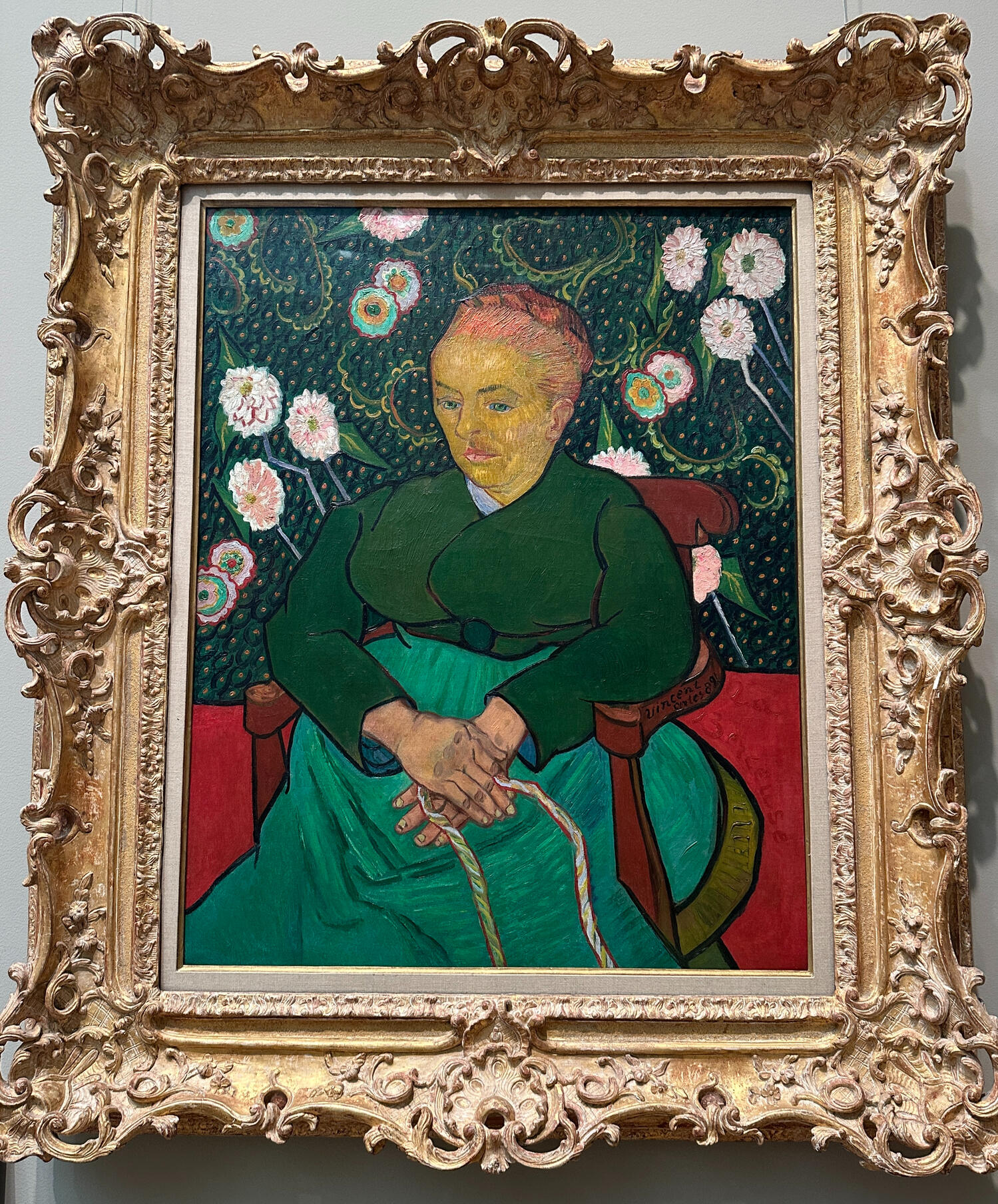
La Berceuse (Woman Rocking a Cradle), 1889
Of the five versions of Van Gogh's portrait of Augustine Roulin, wife of his friend the postmaster of Arles, the present canvas is the one the sitter chose for herself. Van Gogh remarked that "she had a good eye and took the best." He began the portraits just before his breakdown in Arles, in December 1888, and completed them in early 1889, calling them "La Berceuse," meaning "lullaby, or woman who rocks the cradle," indicated by the rope held in the sitter's hand, which is attached to the unseen cradle.
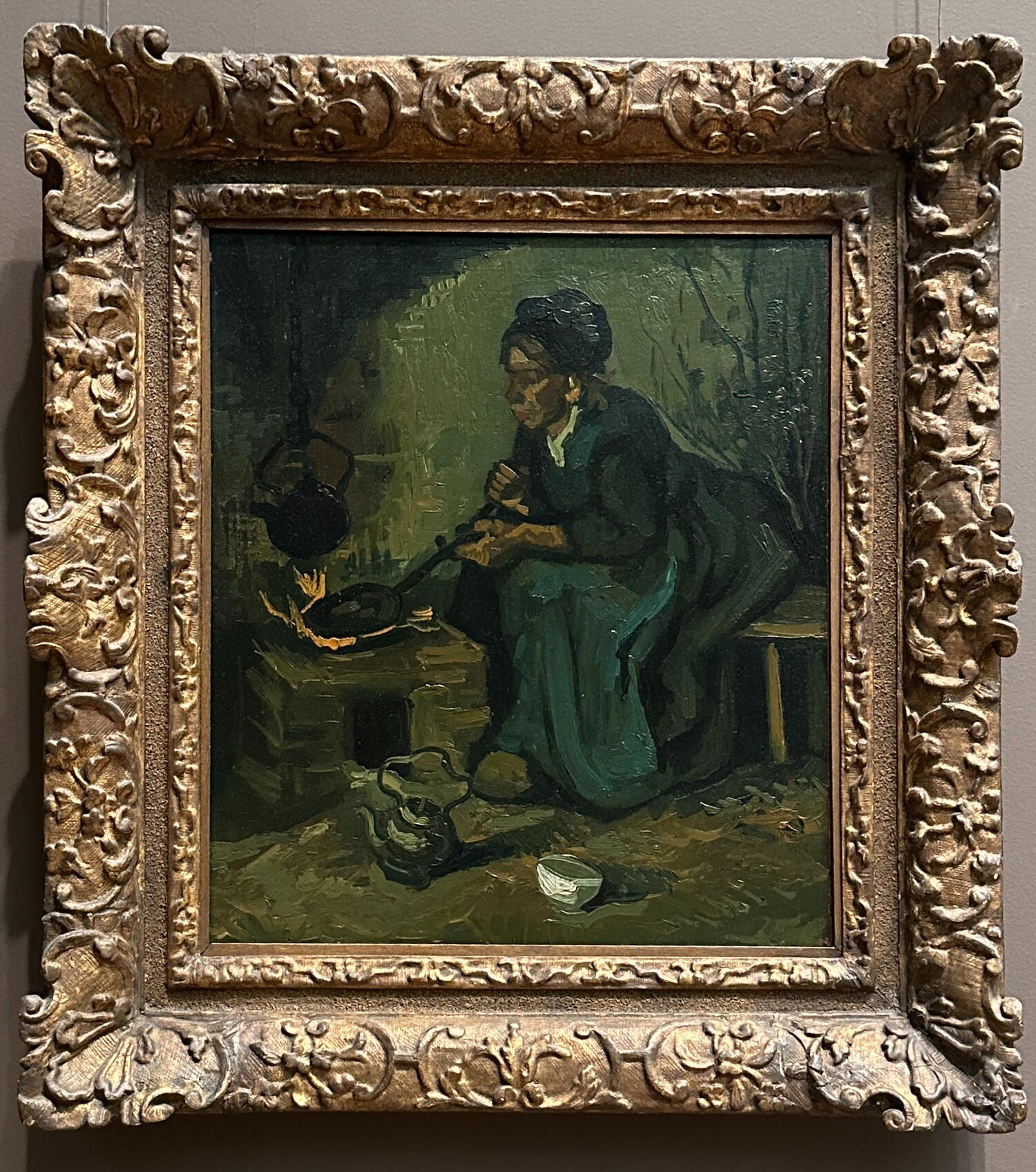
Peasant Woman Cooking by a Fireplace, 1885
This work was made in Nuenen in late spring 1885, just after Van Gogh completed The Potato Eaters (Van Gogh Museum, Amsterdam), in the same dark hues that reminded the artist of "green soap" or "a really dusty potato, unpeeled of course." Van Gogh was "convinced that in the long run it produces better results to paint [peasants] in their coarseness than to introduce conventional sweetness... If a peasant painting smells of bacon, smoke, potato steam—fine-that's not unhealthy—if a stable smells of manure—very well, that's what a stable's for."
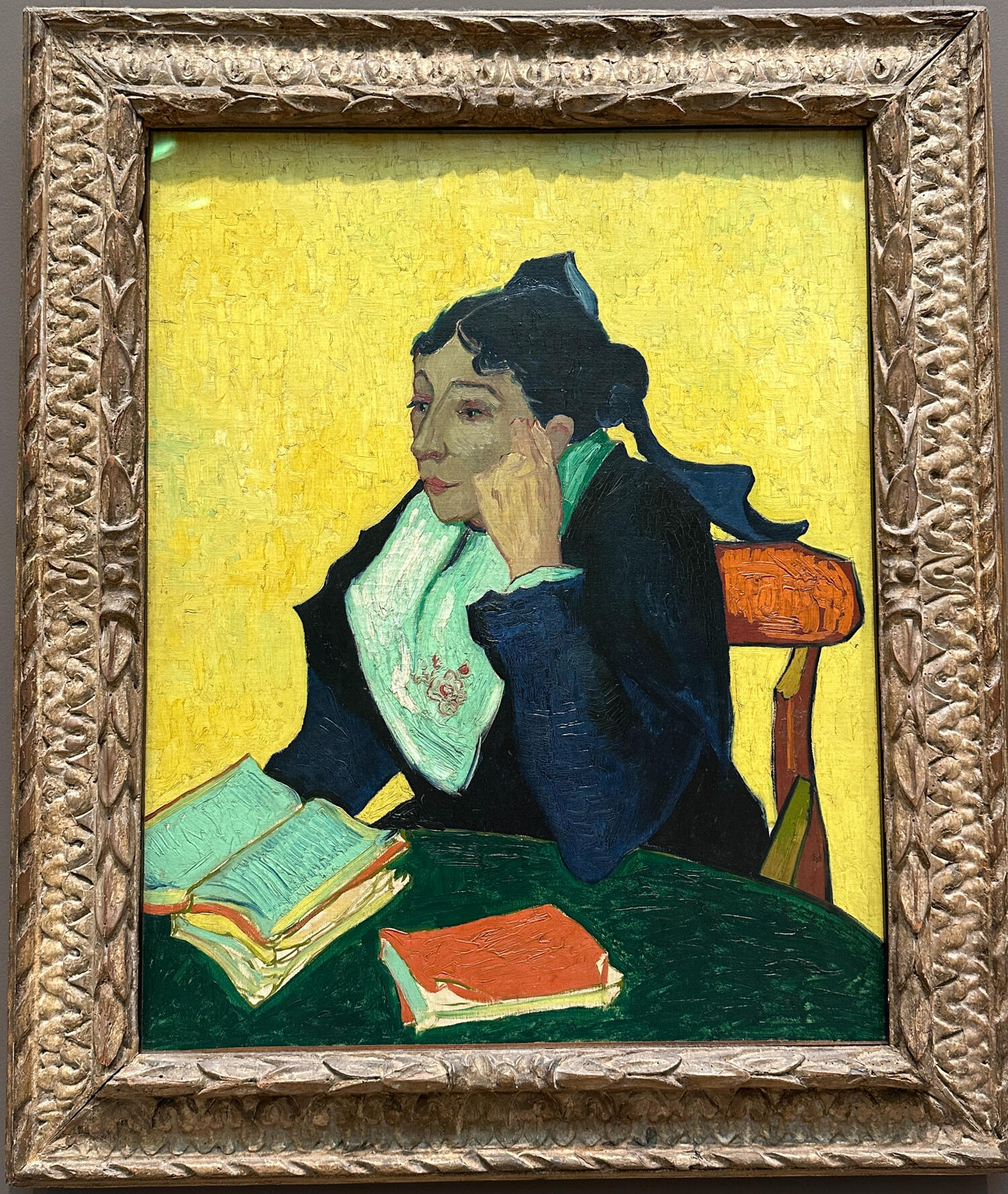
L'Arlésienne: Madame Joseph-Michel Ginoux, 1888-89
While in Arles, Van Gogh painted two very similar portraits of Marie Ginoux, the proprietress of the Café de la Gare, wearing the regional costume of the legendary dark-haired beauties of Arles. The first version, which he described in a letter of November 1888 as "an Arlésienne ... knocked off in one hour," must be the more thinly and summarily executed portrait in the Musée d'Orsay, Paris. In it a parasol and gloves lie on the table instead of books. This portrait belonged to the sitter until she sold it in 1895.
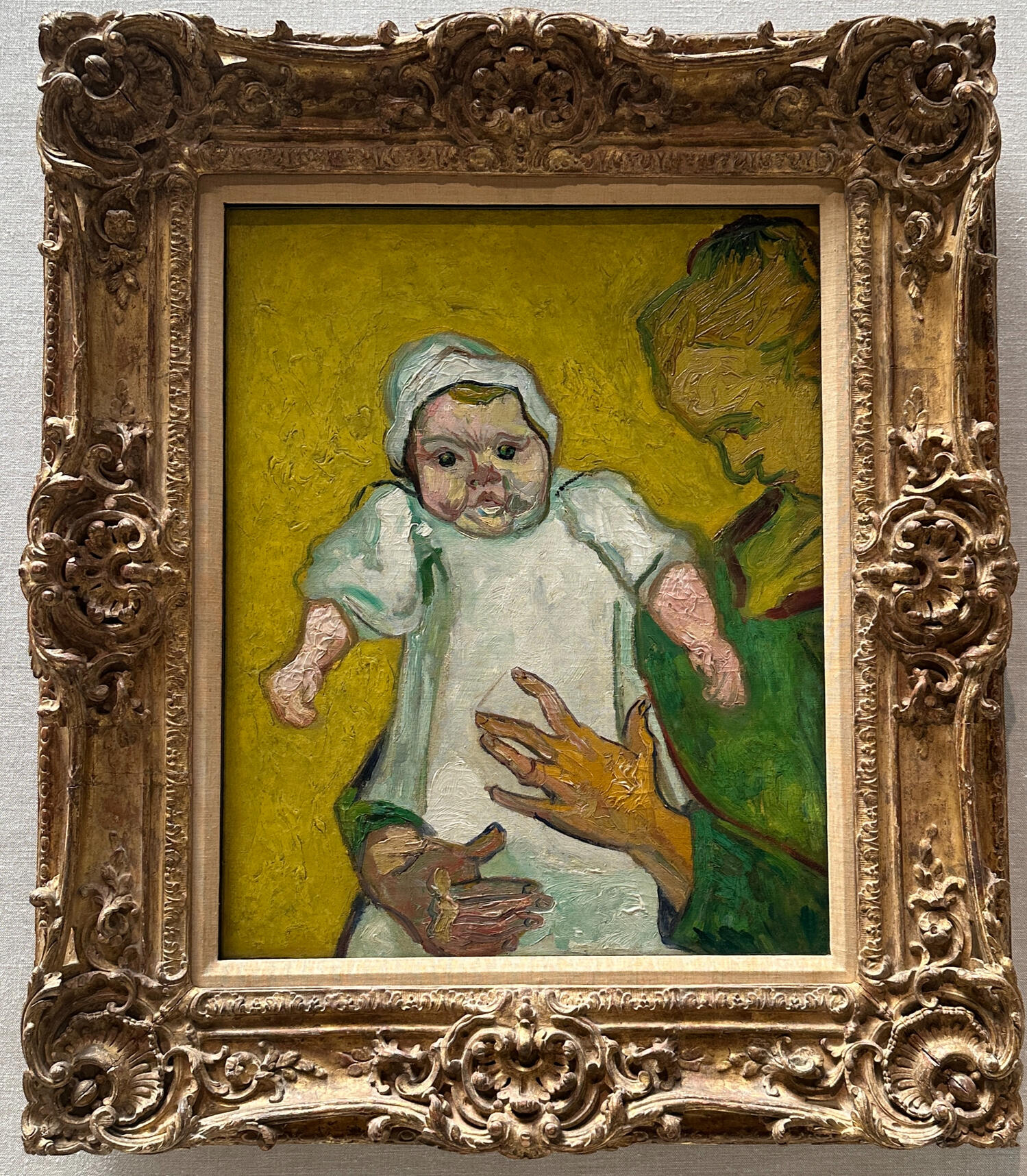
Madame Roulin and Her Baby, 1888
This vigorously painted portrait of Augustine Roulin and her infant daughter, Marcelle, is one of Van Gogh's many evocative renderings of the Roulin family, undertaken some six months after the artist relocated from Paris to Arles. Van Gogh painted the entire family of the local postman Joseph Roulin. Here, the chubby-cheeked infant is the focus of the enterprise.
Her heightened expression in thickly painted brushwork suggests that the baby may have posed for van Gogh, swaddled in her mother's embrace. Augustine Roulin, by contrast, is an abbreviated presence.
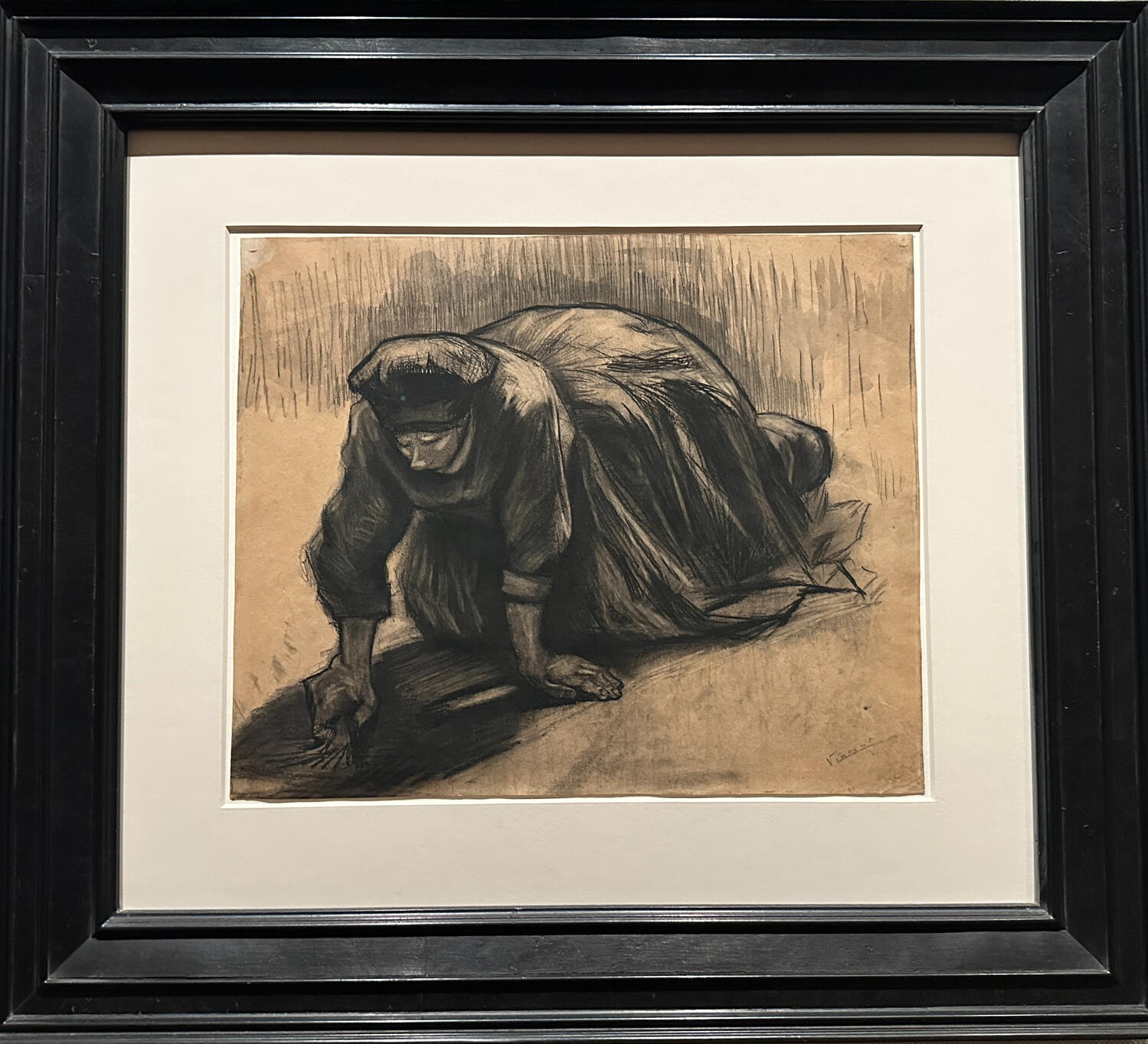
Peasant Woman Kneeling and Pulling Carrots, 1885
With her large hands, a woman grasps the leaves of a carrot and pulls it from the soil. Light washes over her body, evoking the hot sun beating down on her back while lending a celestial, even spiritual, quality to the earthy scene. Prior to his relocation from the Netherlands to France in 1886, Van Gogh produced numerous drawings of the rural poor. In sheets like this one, he subtly exaggerated their bodies and movements to capture what he perceived as their authentic connection to nature.
Writing about these drawings to his brother, the artist remarked, "I do not want them academically correct.... My great desire is to learn to make those very incorrectnesses, those deviations, remodelings, changes of reality, so that they may become, yes, untruth if you like-but truer than the literal truth."
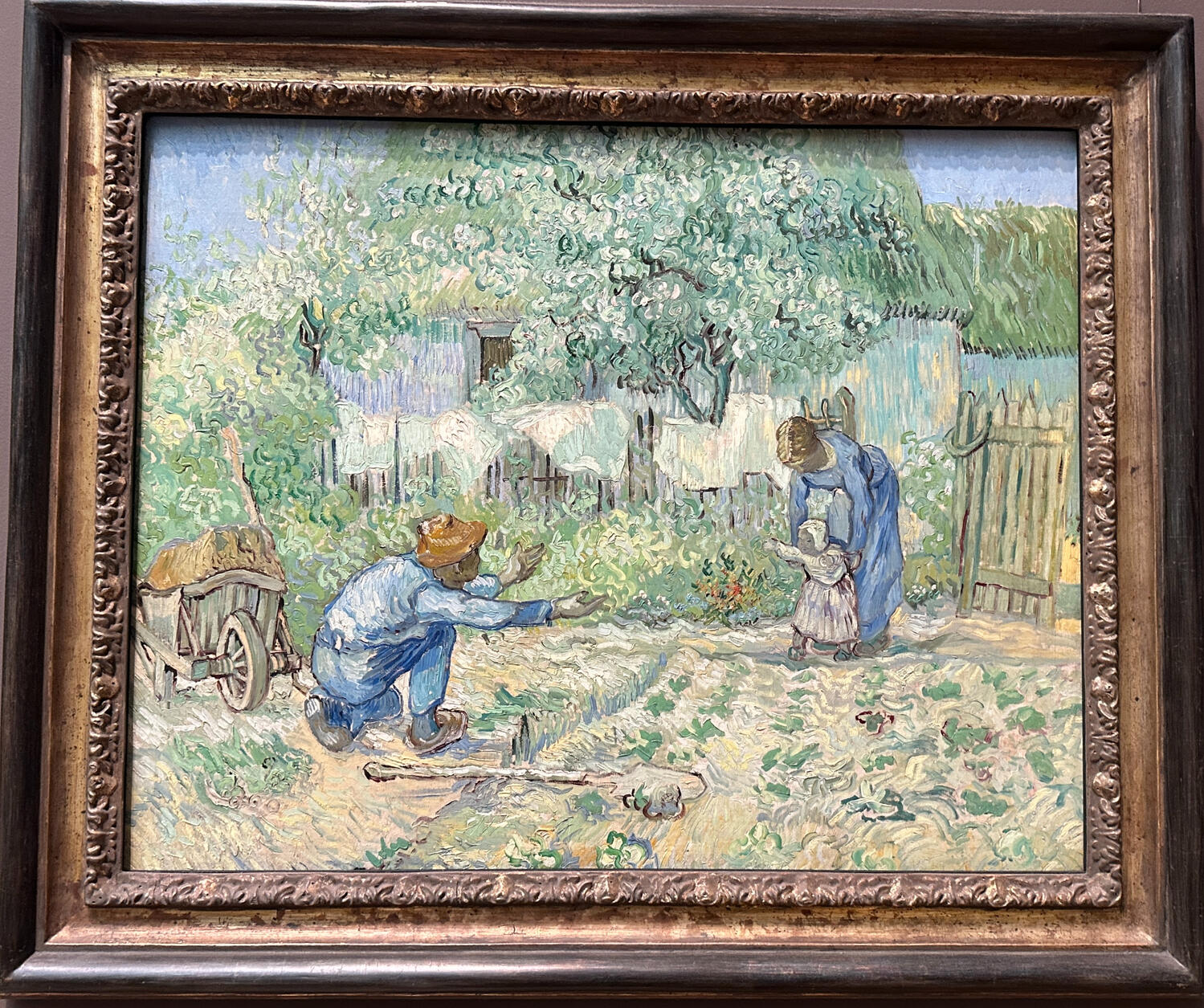
First Steps, after Millet, 1890
In fall and winter 1889-90, while a voluntary patient at the asylum in Saint-Rémy, Van Gogh painted twenty-one copies after Millet, an artist he greatly admired. He considered his copies
"translations" akin to a musician's interpretation of a composer's work. He let the black-and-white images—whether prints, reproductions, or, as here, a photograph that his brother, Theo, had sent—pose "as a subject," then he would "improvise color on it." For this work of January 1890, Van Gogh squared-up a photograph of Millet's First Steps and transferred it to the canvas.
the brush strokes
Jean Baptiste Camille Corot
"Be guided by feelings alone. Abandon yourself to your first impression. If you really have been touched, you will convey to others the sincerity of your emotion."Jean-Baptiste-Camille Corot (1796–1875) was a monumental French landscape painter whose pioneering plein-air (outdoor) style bridged Neo-Classicism and Impressionism. Affectionately known by younger artists as "Père Corot" (Father Corot), his masterful control of natural light and tonal harmony profoundly influenced modern landscape art
Wealthy Beginnings: Born in Paris to prosperous merchant parents, Corot was initially pushed toward a career as a draper and textile apprentice.
The Late Pivot: At age 25, he abandoned commercial trade, telling his father he was "getting a divorce" from business. His supportive family granted him a steady annual allowance, allowing him to paint without financial worry.
The Italian Formative Years: Between 1825 and 1828, he lived and traveled throughout Italy. He completed hundreds of sketches in the open countryside, learning how to realistically anchor structures inside panoramic landscapes.
The Barbizon School Leader: Upon returning to France, he became a central figure of the Barbizon School in the Forest of Fontainebleau. He rejected rigid studio boundaries to capture nature's raw topography directly from the outdoors.
Legacy and Generosity: Corot never married, dedicating his long, 50-year career strictly to his canvas. He achieved massive fame and wealth later in life, using his fortune to support struggling, younger painters like Honoré Daumier
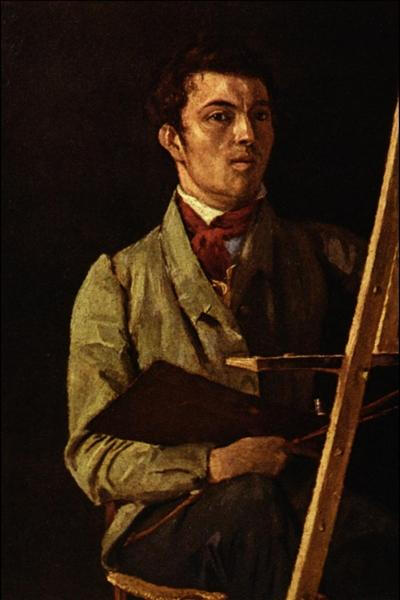
Never lose the first impression which has moved you.
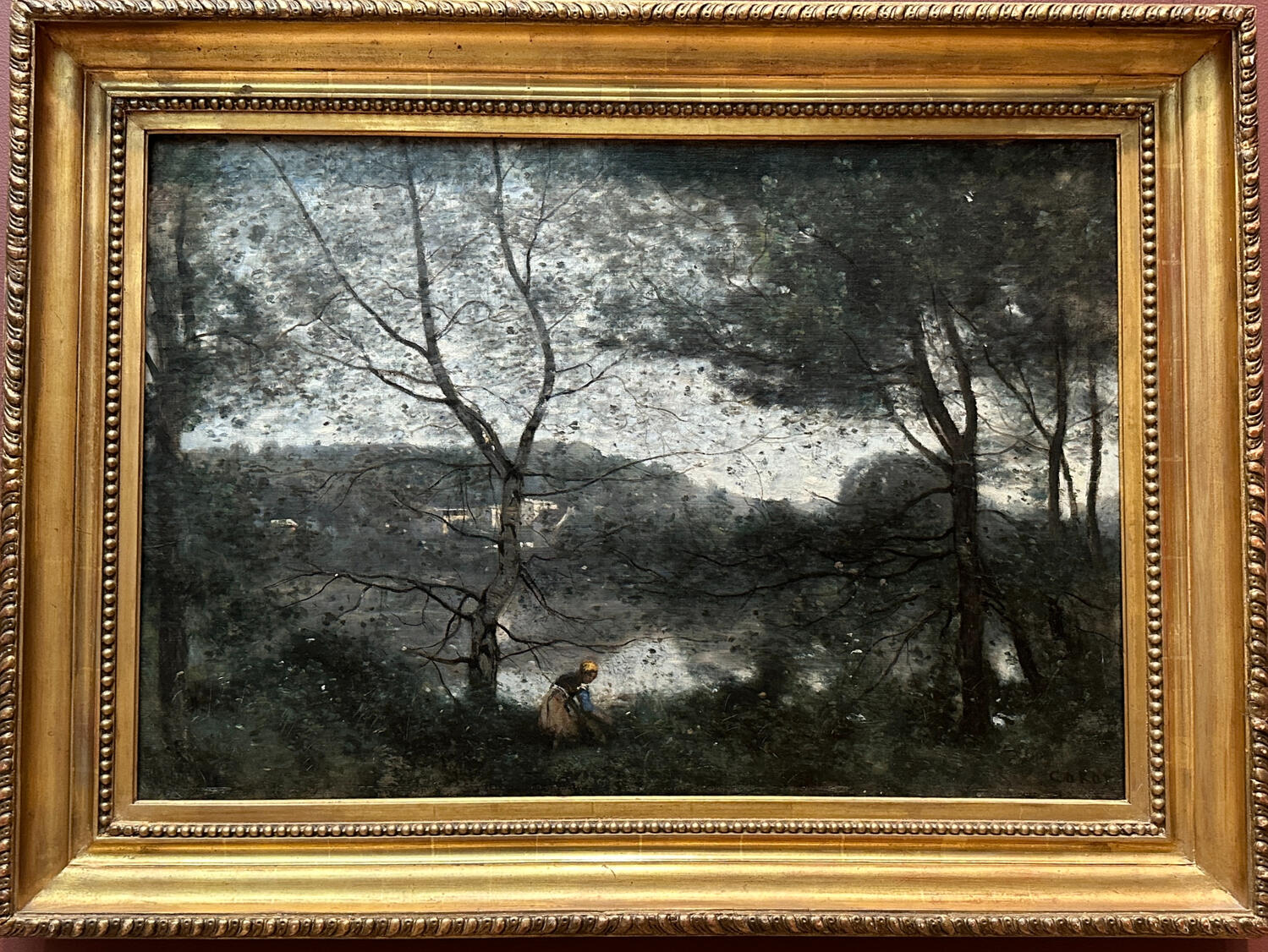
Ville-d'Avray, 1870
Corot often painted views of the large pond on the property he had inherited from his parents at Ville-d'Avray. In repeating the scene, he took certain liberties, especially with the tree just left of center. The silhouette of branches and foliage against the pewter sky led Corot's biographer Alfred Robaut to liken this work to a spider's web. Corot initially included a child with outstretched arms beside the crouching peasant woman, but he seems to have found this detail too anecdotal. Critics admired the calm poetry of this composition when it was first exhibited at the 1870 Salon.
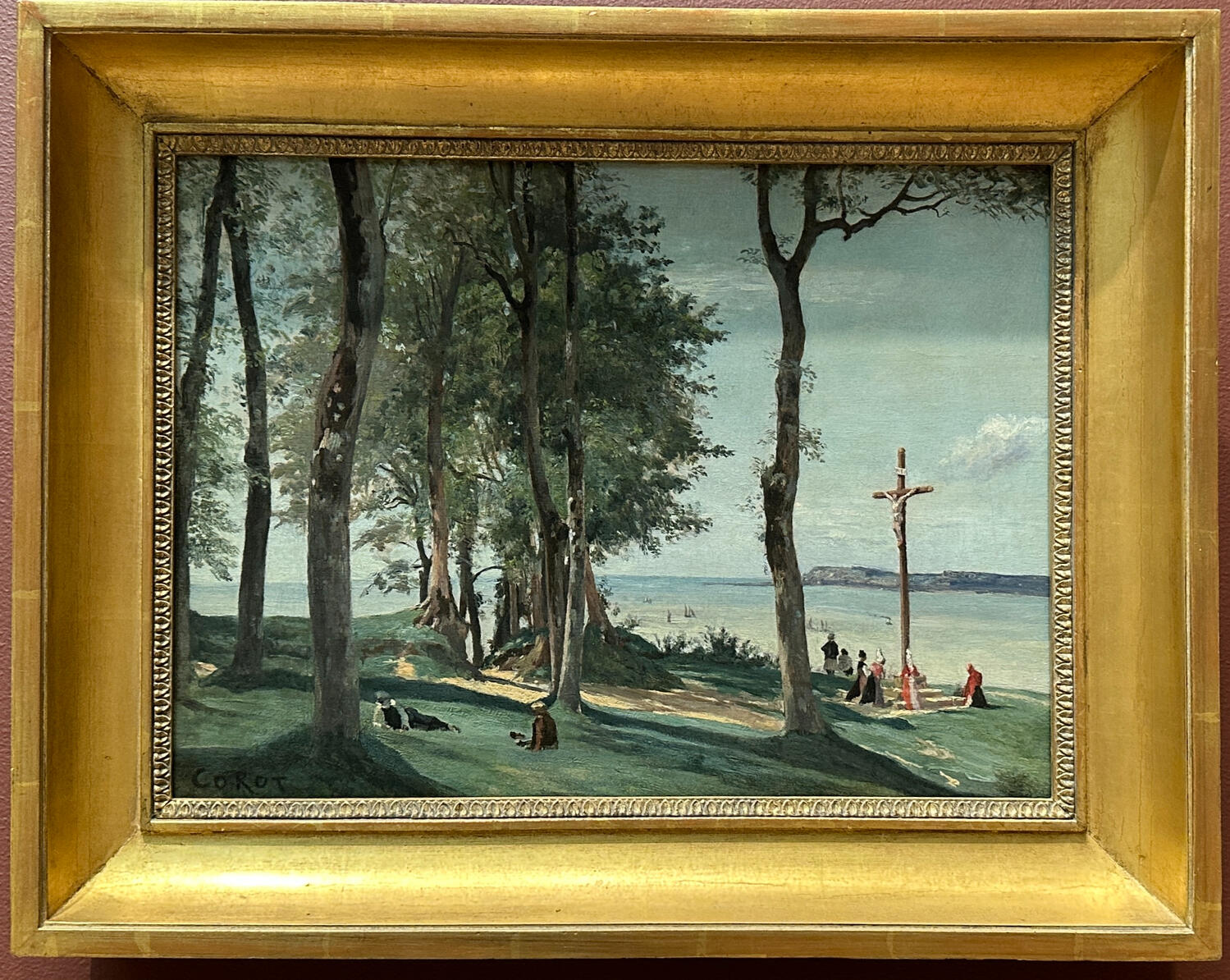
Honfleur: Calvary, ca. 1830
The site of the Calvary, a shrine built in 1628 at the top of a cliff overlooking the medieval town of Honfleur, was popular in the nineteenth century among tourists, pilgrims, and people offering prayers for men at sea. Corot painted this work during a trip to Normandy, probably in 1830.
Its first known owner was the landscape painter Henri-Joseph Harpignies, whom Corot encouraged from the early 1850s onward.
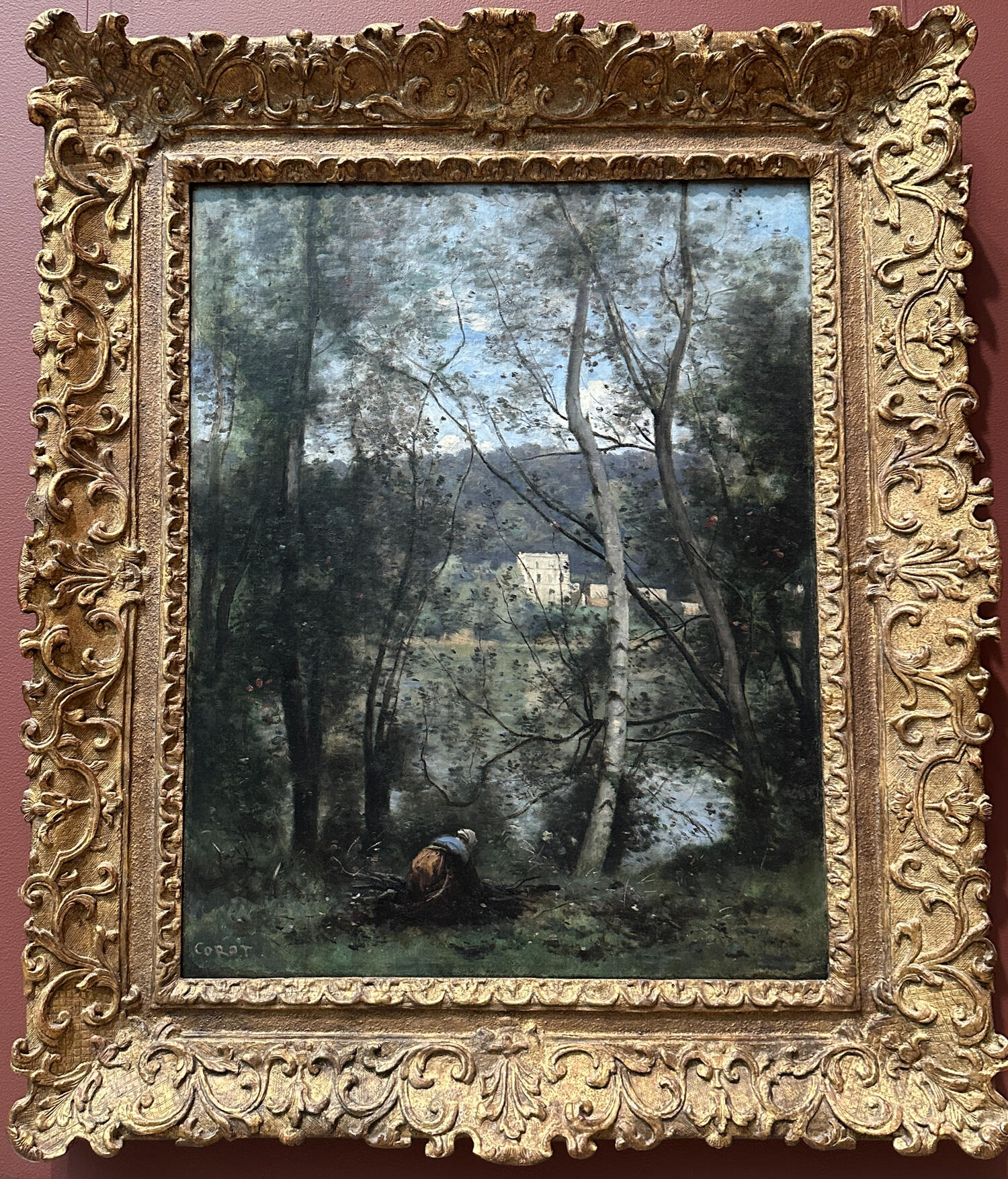
A Woman Gathering Faggots at Ville-d'Avray, ca. 1871-74
Ville-d'Avray, a town on the outskirts of Paris where Corot's family had owned a house and property since 1817, was among the artist's favorite motifs. This work is one of several paintings of the property's pond seen through a delicate screen of trees that he made in his later years. The silvery, cool tonality may have been influenced by Corot's study of the contemporary medium of photography. The blurred appearance of the trees in the foreground, for example, is similar to the effect of foliage in motion as captured in nineteenth-century photographs.
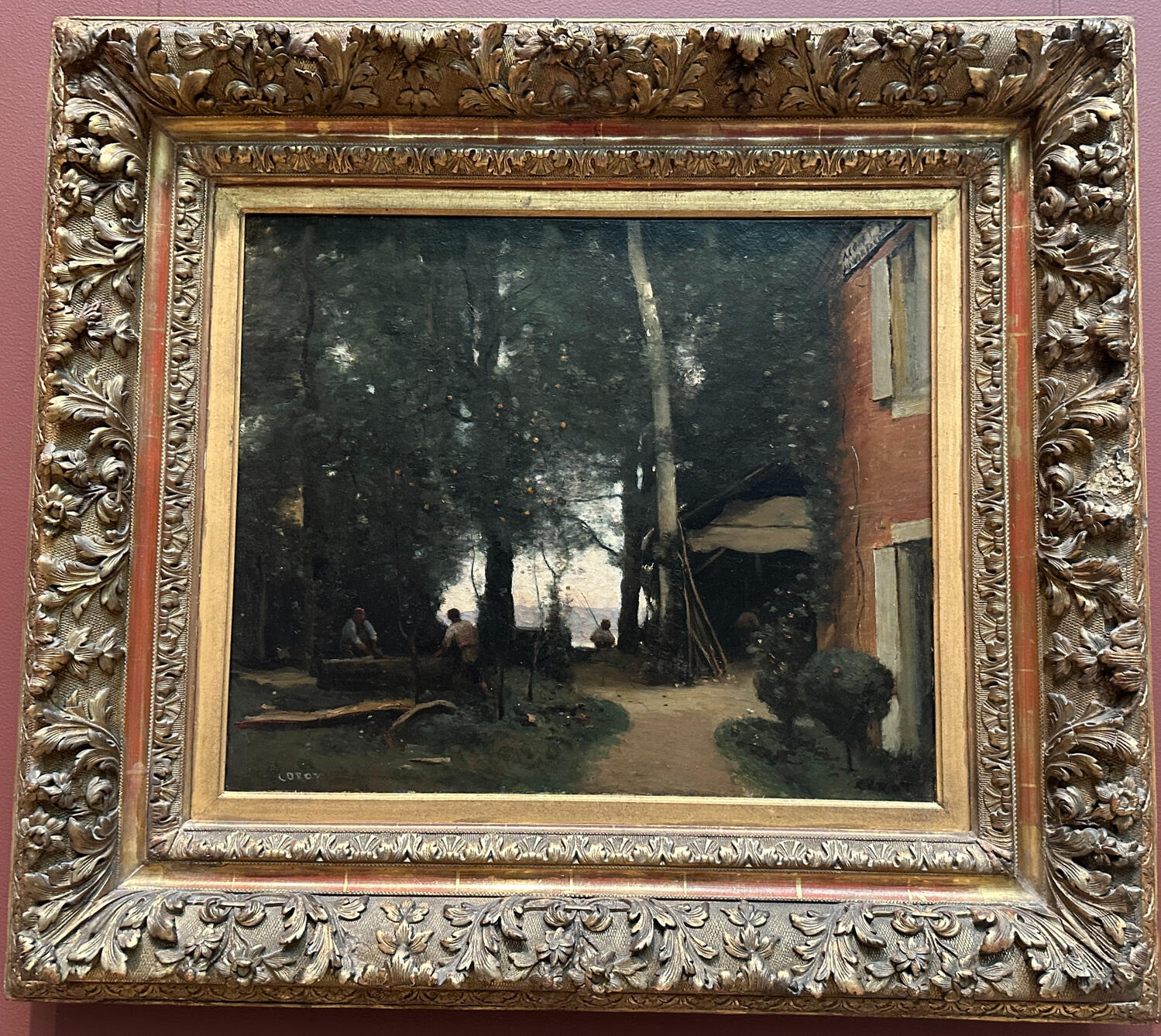
The Banks of the Seine at Conflans, 1865-70
In 1868, about the time this work was painted, the aspiring artist Odilon Redon noted Corot's advice
"to place an unknown next to a known" in his compositions. That approach to picture-making is evident in this scene of workers, which has a ring of familiarity although the precise labor depicted resists identification. It is replete with details, such as the fruit on the tree at the center and the lettering on the sign at the top right, that favor painterly qualities over legibility. Yet the painting appears to be far more grounded in observation than the landscapes Corot typically conjured in his later years.
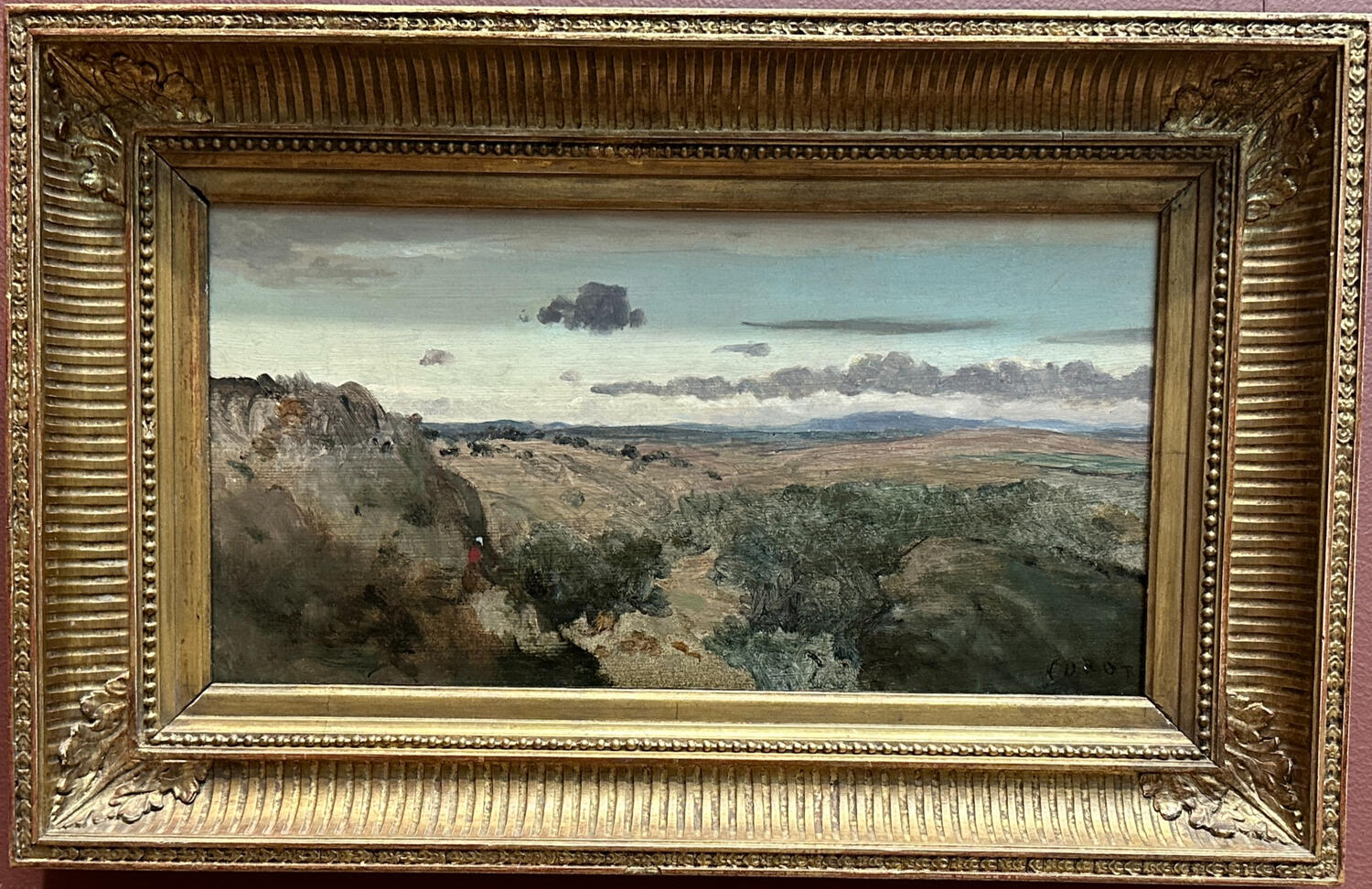
Mountainous Landscape
Corot used the full width of his brush to quickly describe the broad features of this rolling landscape. From an elevated position he framed the vista between the hill that rises to the left and the body of water at the lower right; their round forms bring a tenuous balance to this otherwise casual composition. Only a few dabs of paint—red for the shepherdess and brown for the flock below her-serve to indicate scale. Neither the date of the sketch nor the view depicted has been securely identified.
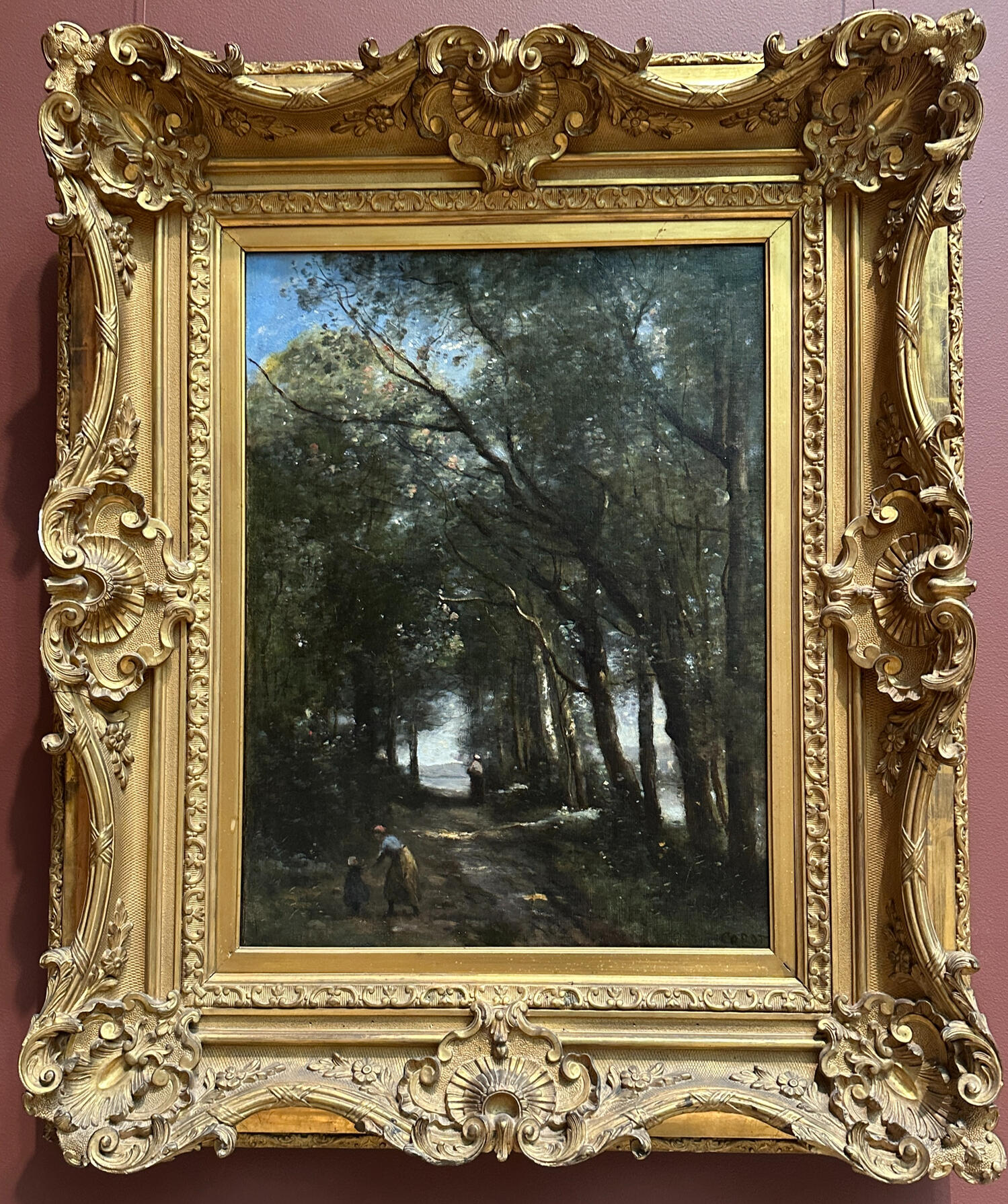
A Lane through the Trees, ca. 1870-73
Probably painted about 1870-73, this landscape demonstrates Corot's continued attention to capturing naturalistic effects of light, even while rendering foliage in an abbreviated language of soft brushstrokes.
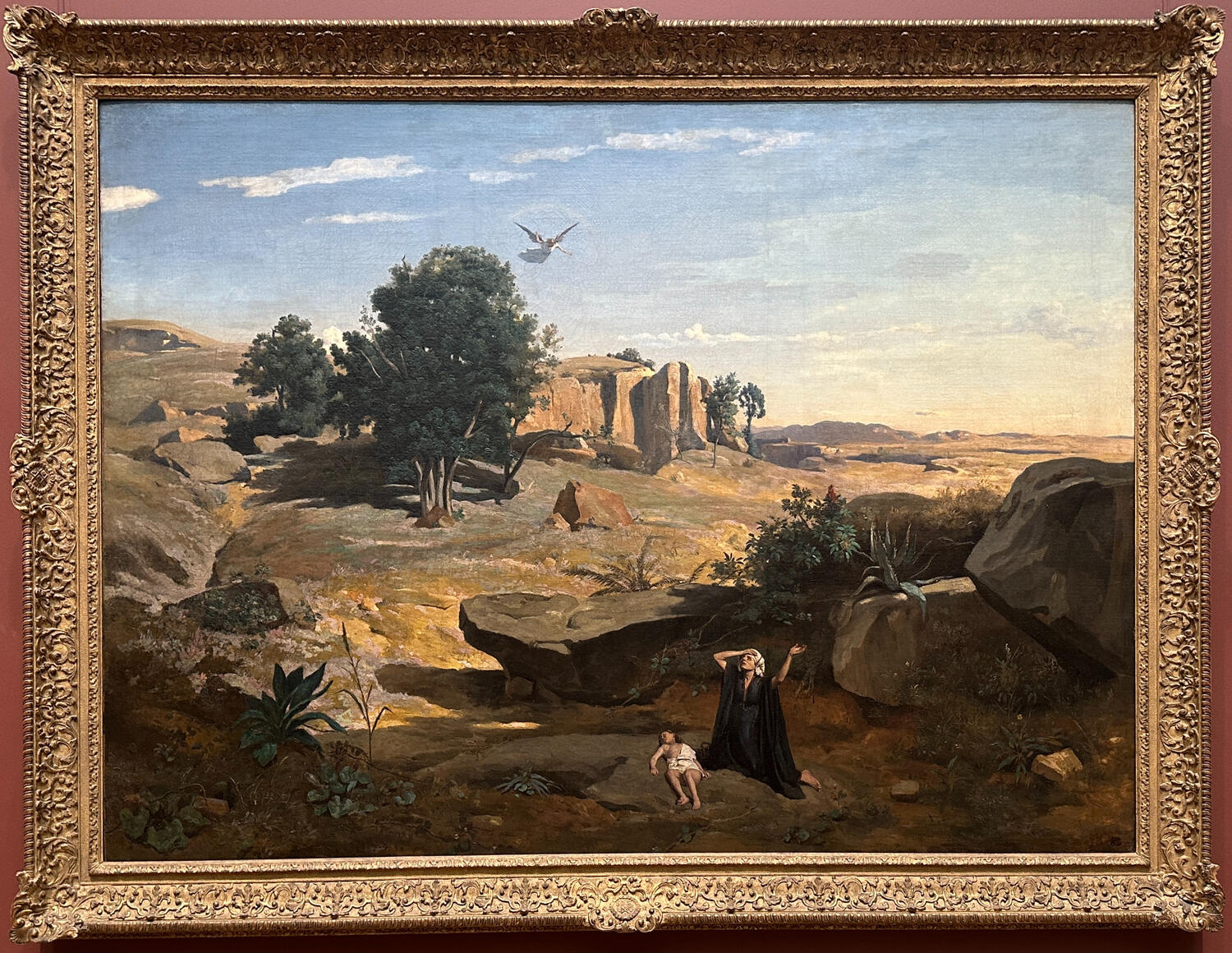
Hagar in the Wilderness, 1835
Corot composed this arid landscape, based partly on nature studies made in the French countryside, as the setting for an episode in the biblical story of the family of Abraham. Because his wife, Sarah, was elderly and barren, Abraham fathered a son, Ishmael, with their servant, Hagar. Later, Sarah bore her own son, Isaac, whereupon Hagar and Ishmael were driven away into the desert of Beersheba, south of Jerusalem. When the painting was exhibited in Paris in 1835, one critic alluded to a tradition which holds that Ishmael was a patriarch of Islam: "In response to the mother's cries, the angel arrives to save Ishmael and the Arab race ...."
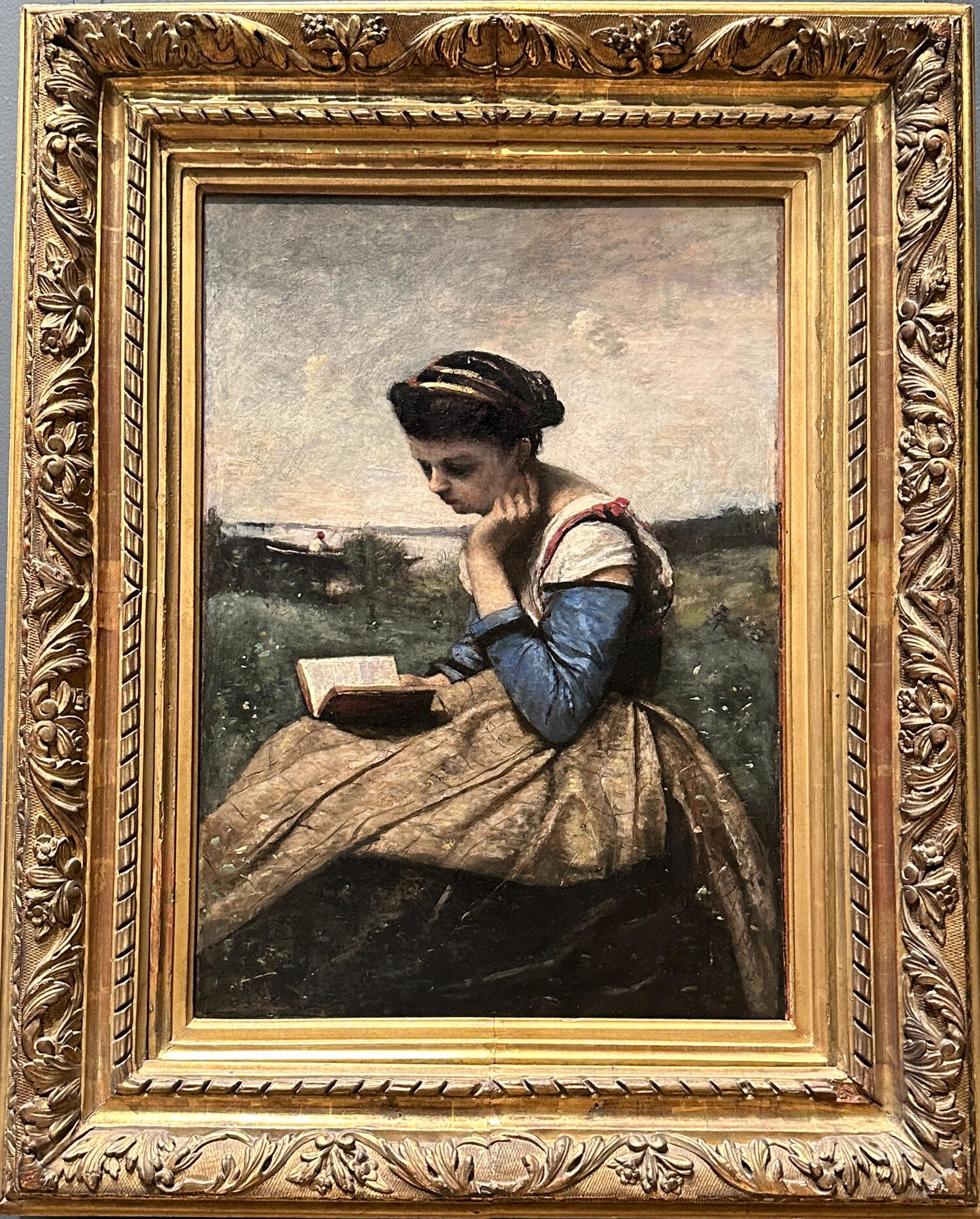
A Woman Reading, 1869 and 1870
When the seventy-two-year-old Corot showed A Woman Reading at the Salon of 1869, the critic Théophile Gautier praised its naiveté and its color but criticized the faulty drawing of the woman, noting the rarity of figures in Corot's work. Although the artist had painted similar studies for about a decade, this was the first and one of the very few that he exhibited. Corot returned to the canvas soon after the Salon; he reworked the landscape but left the figure intact.
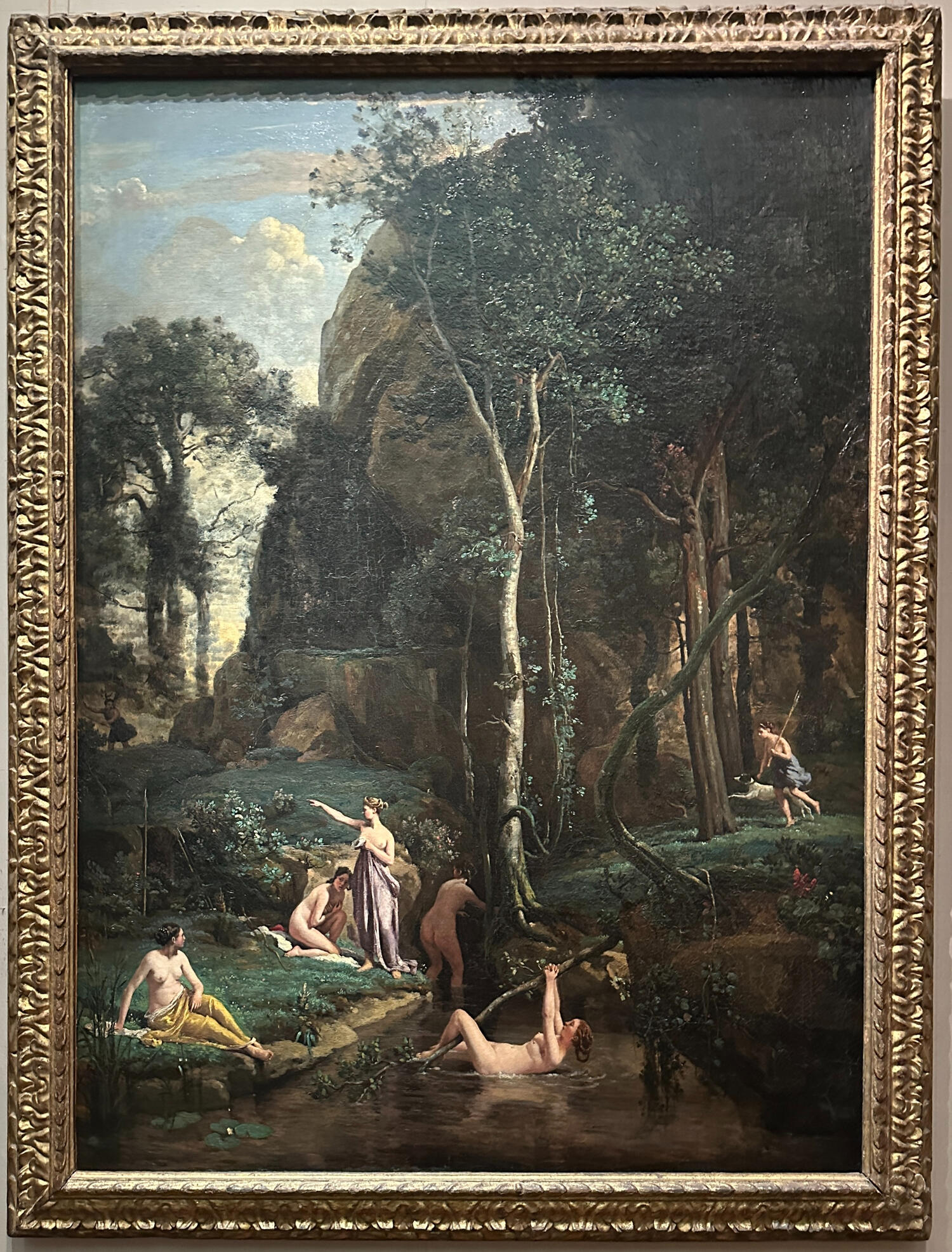
Diana and Actaeon (Diana Surprised in Her Bath), 1836
From its imposing size to its refined execution, this painting is an elegant testimony to Corot's ingenuity: the landscape appears remarkably natural, yet it is painstakingly composed. The narrative, from Ovid's Metamorphoses, depicts the fate of the young hunter Actaeon as he encounters the naked figure of the goddess Diana and her nymphs enjoying a woodland bath.
Diana, in a fit of embarrassed fury, splashes water on the unwitting hunter, transforming him into a deer.
There is a marked difference between the general tight handling of paint and tonal contrasts and the background on the left, which is sketchy and silvery in tone, typical of Corot's late style. A year before the artist died, he was asked to repaint this passage as a courtesy to the picture's new owner.
Paul Cézanne
"If isolation tempers the strong, it is the stumbling-block of the uncertain."Paul Cézanne (1839 - 1906) left his mark on all the major artistic movements of his time and was unrivalled as a guiding influence on the next generation.
His early portraits, densely painted in dark hues, combine the intensity of Romanticism and the assertiveness of Courbet and Manet. With the advent of Impressionism in the 1870s, Cézanne became newly attuned to the play of light and color, but in his work, the fleeting sensations beloved of the Impressionists yielded to a probing investigation of nature's structure and geometry. He developed a unique painting style, employing "constructive" strokes of modulated color, rather than line and shading, to explore the subjects that preoccupied him from the 1880s on: prismatic landscapes set in and around Aix-en-Provence; spatially complex still lifes; and the human figure, ranging from portraits to nude bathers and genre scenes, in which ever-shifting hues play off against the solid monumentality of the sitters' forms. The Met made headline news in 1913 with the purchase from the historic Armory Show of the first Cézanne to enter an American museum, View of the Domaine Saint-Joseph.
Art is a harmony parallel with nature.
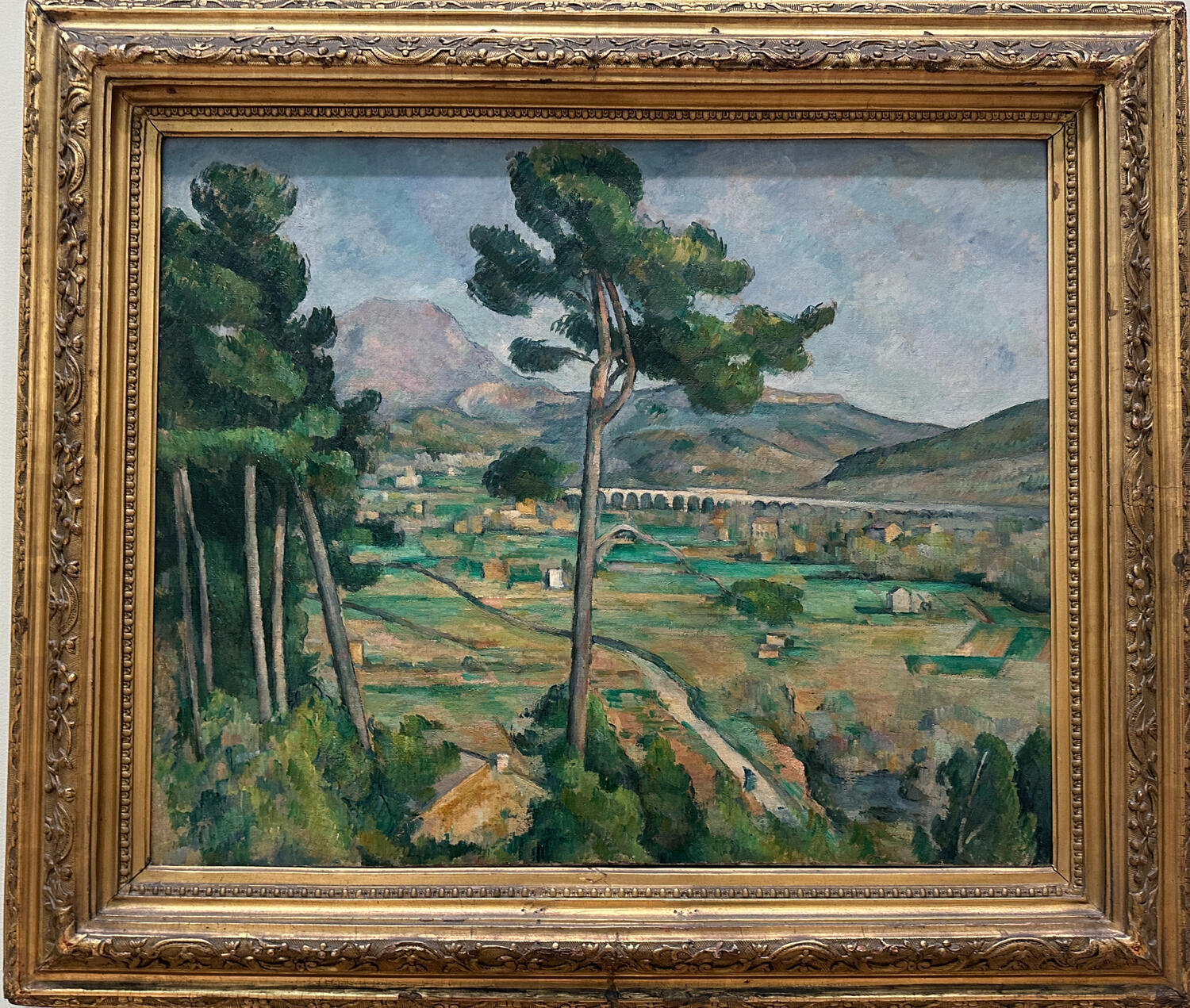
Mont Sainte-Victoire and the Viaduct of the Arc
River Valley, 1882-85
The distinctive silhouette of Mont Saint-Victoire rises above the Arc River valley near the town of Aix. To paint this scene, Cézanne stood close to Montbriand, his sister's property, at the top of the hill just behind her house; the wall of the neighboring farmhouse is barely visible. Cézanne sought to reveal the inner geometry of nature, "to make of Impressionism something solid and durable, like the art of museums." Indeed the railroad viaduct that cuts through this pastoral scene is evocative of a Roman aqueduct, recalling paintings by Nicolas Poussin.
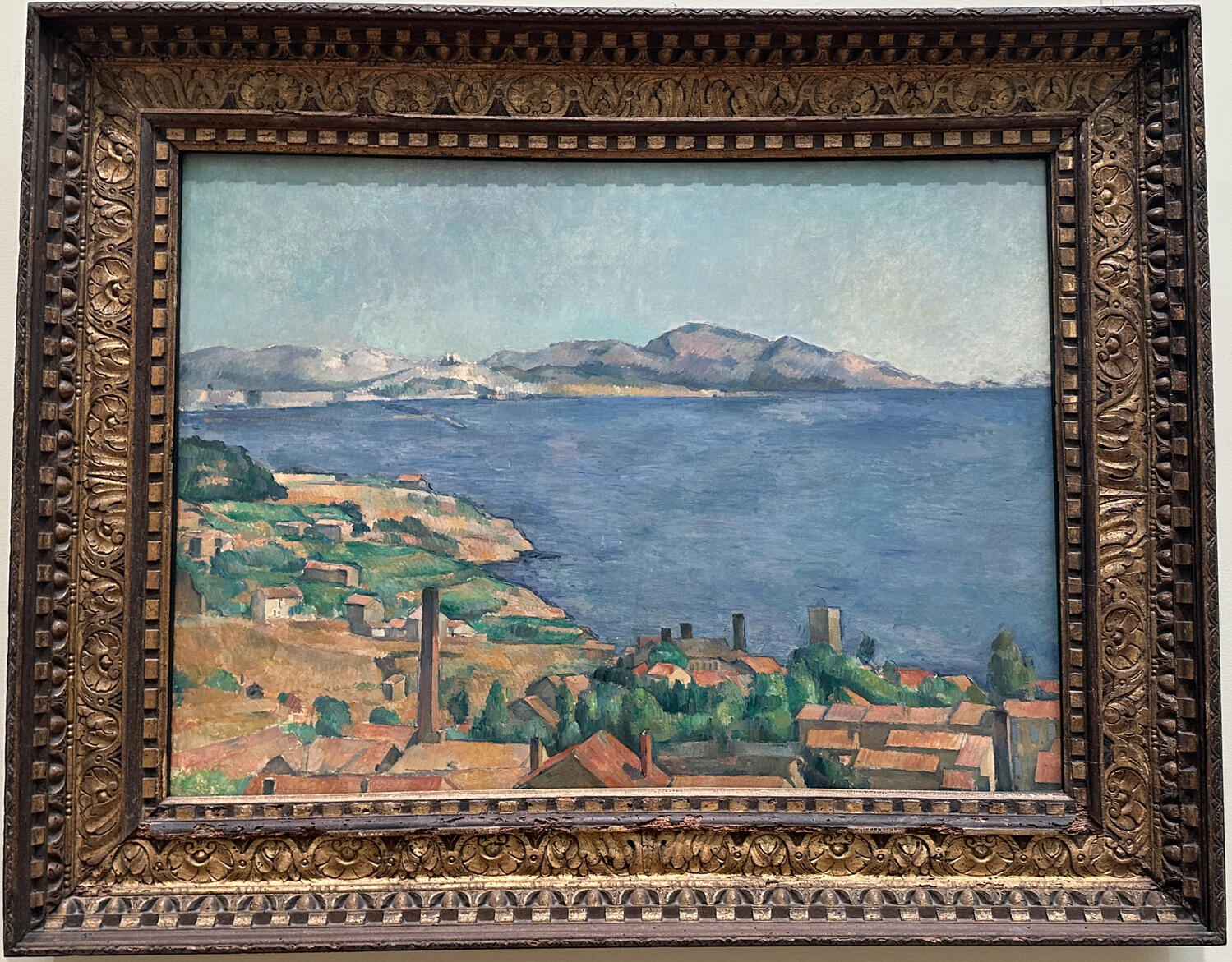
The Gulf of Marseille Seen from L'Estaque ca. 1885
Cézanne enthused about the fishing village of L'Estaque to Pissarro in 1876: "It is like a playing card. Red roofs over the blue sea.... The sun is so terrific here that it seems to me as if the objects were silhouetted not only in black and white, but in blue, red, brown, and violet." Cézanne painted some twenty views of L'Estaque over the next decade, a dozen of them facing toward or across the gulf of Marseille. In the distance of this painting, atop the hill to the right of the jetty, the towers of Notre-Dame de la Garde stand watch over the city of Marseille.
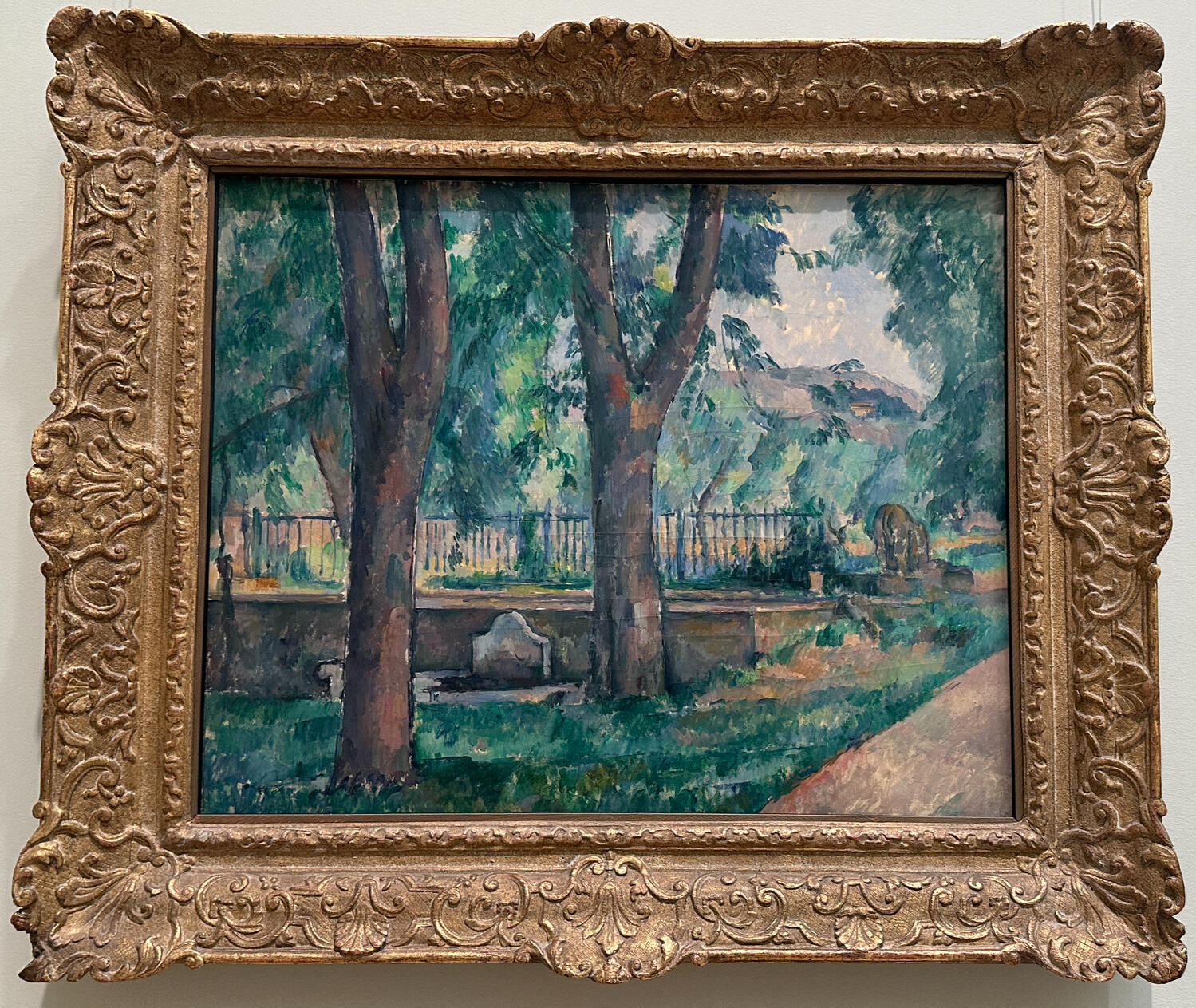
The Pool at Jas de Bouffan, ca. 1885-86
Cézanne's affection for his family's estate, Jas de Bouffan, near Aix, is reflected in the many views he painted of the property over a quarter century. He depicted the road at the lower right in this composition several times in the mid-1880s. Bordered with chestnut trees, it led from the back of an eighteenth-century house to landscaped gardens. Near the rail dividing the areas was a pool for collecting water and a washing trough, visible in the middle ground. The pool was flanked by waterspouts in the shape of lions, one of which may be seen here from behind.
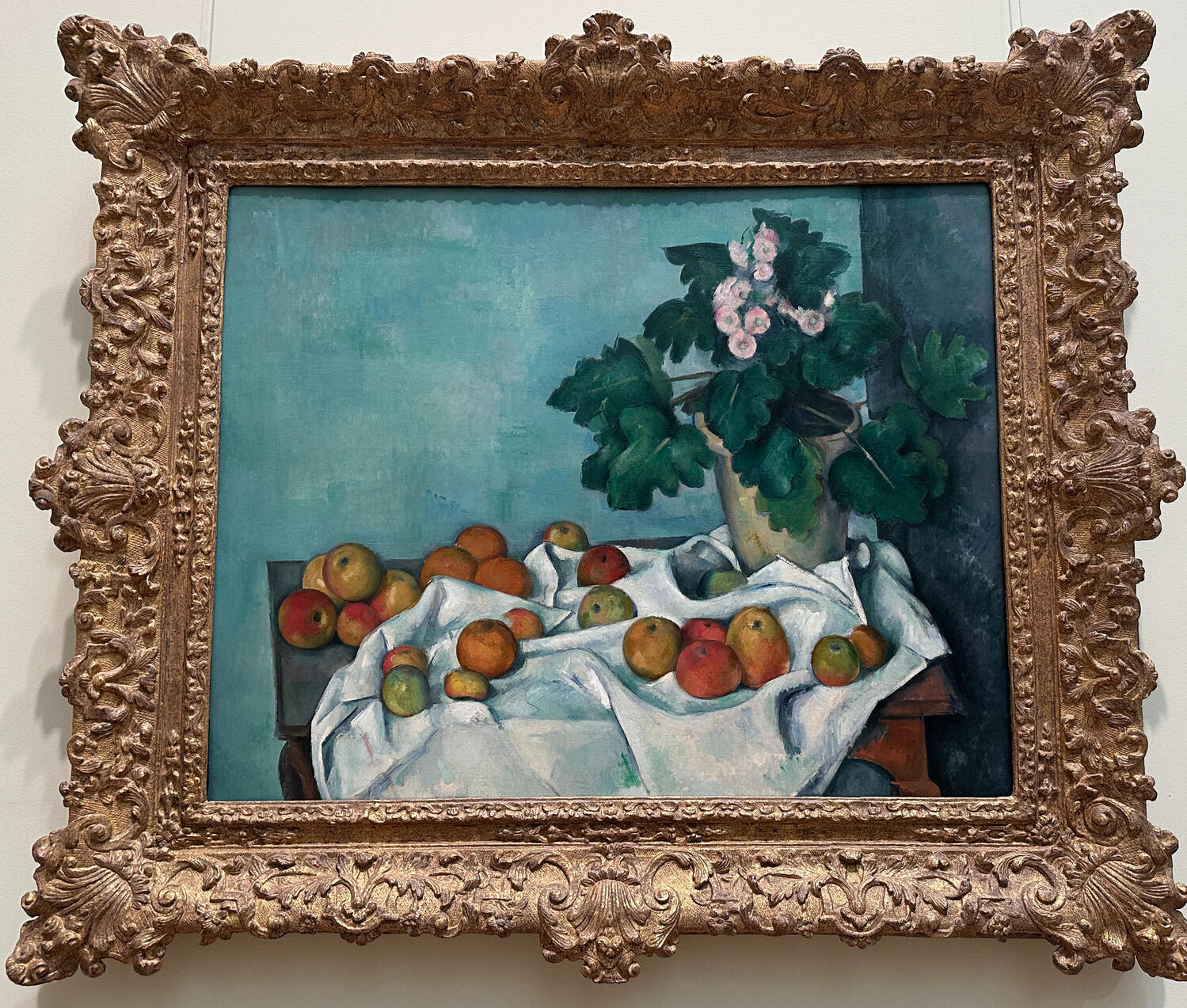
Still Life with Apples and a Pot of Primroses, ca. 1890
Cézanne rarely painted flowering plants or fresh-cut bouquets, which were susceptible to wilting under his protracted gaze. He included potted plants only in three still lifes, two views of the conservatory at Jas de Bouffan, his family's estate, and about a dozen exquisite watercolors made over the course of two decades (from about 1878 to 1906). Cézanne seems to have reserved this particular table, with its scalloped apron and distinctive bowed legs, for three of his finest still lifes of the 1890s. This painting was once owned by the ardent gardener Claude Monet.
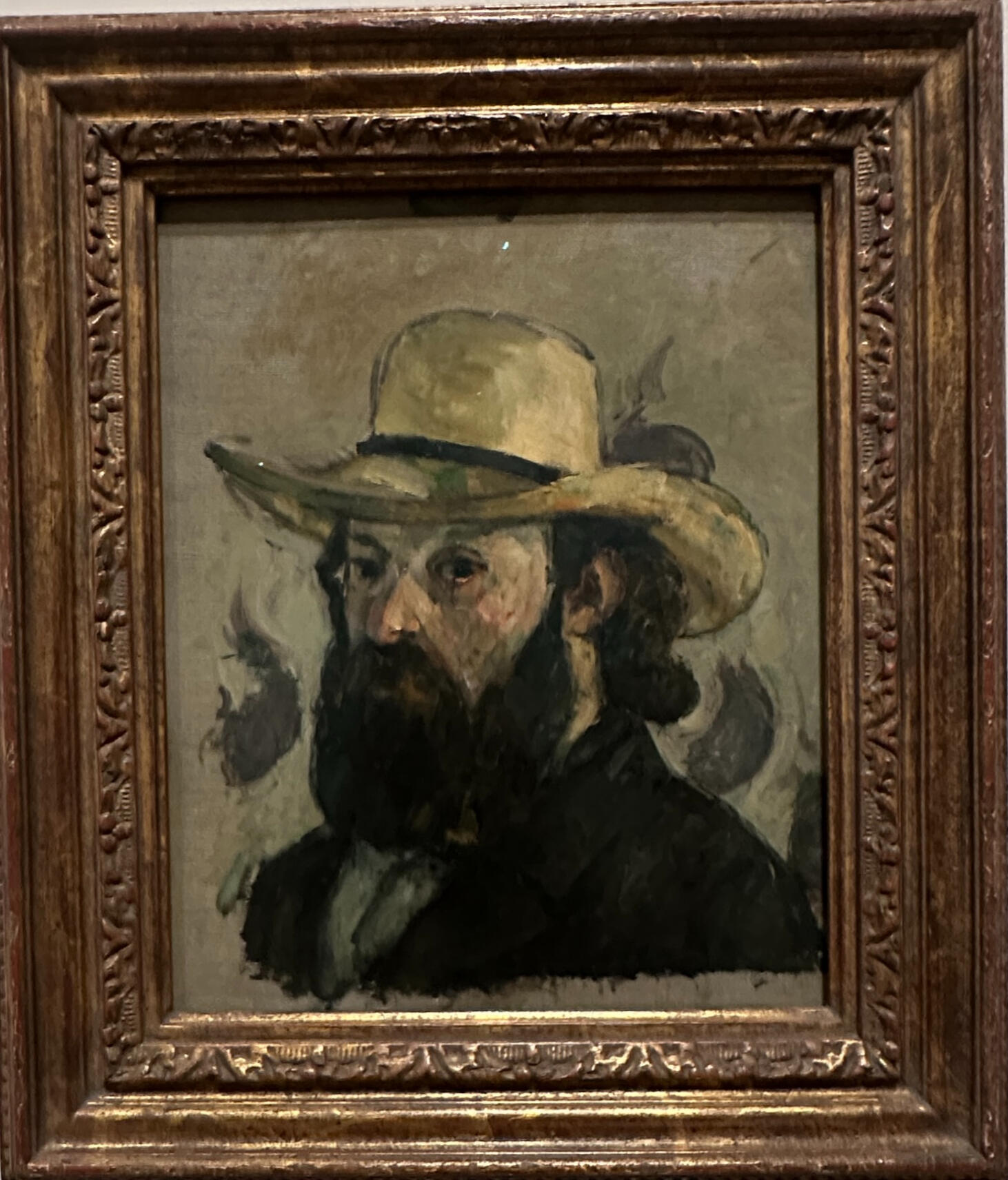
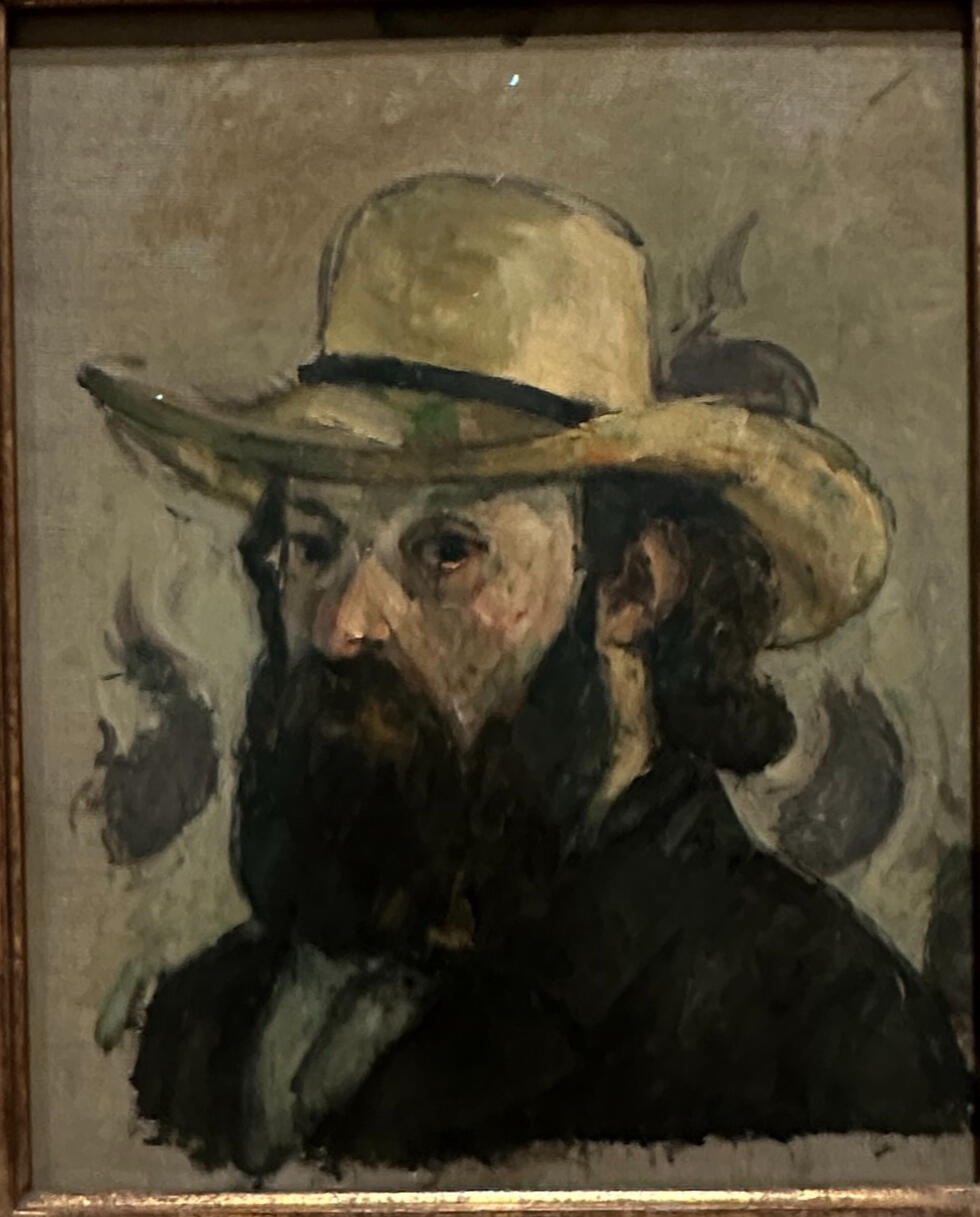
Self Portrait in a Straw Hat, 1875-76
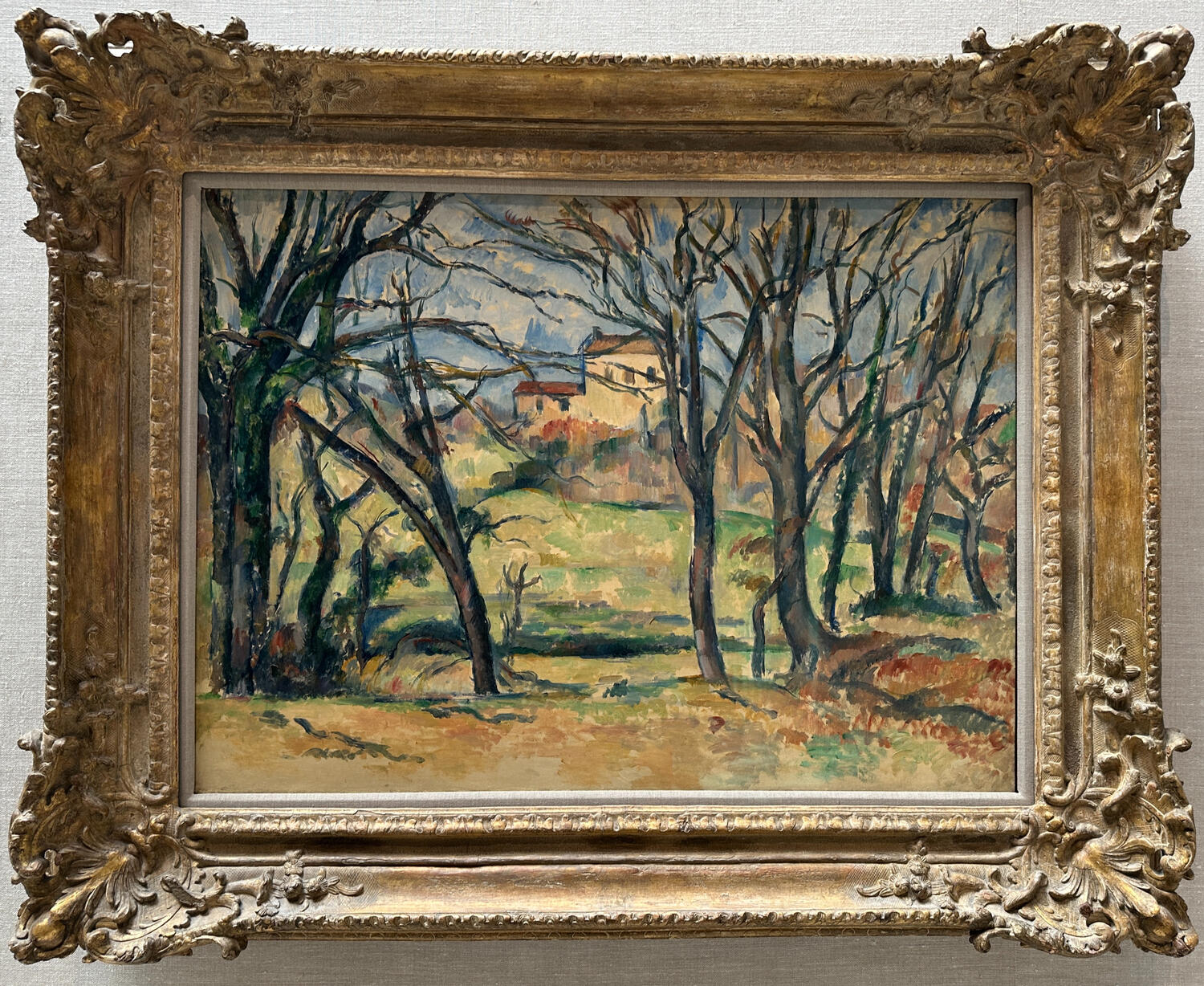
Trees and Houses near the Jas de Bouffan, 1885-86
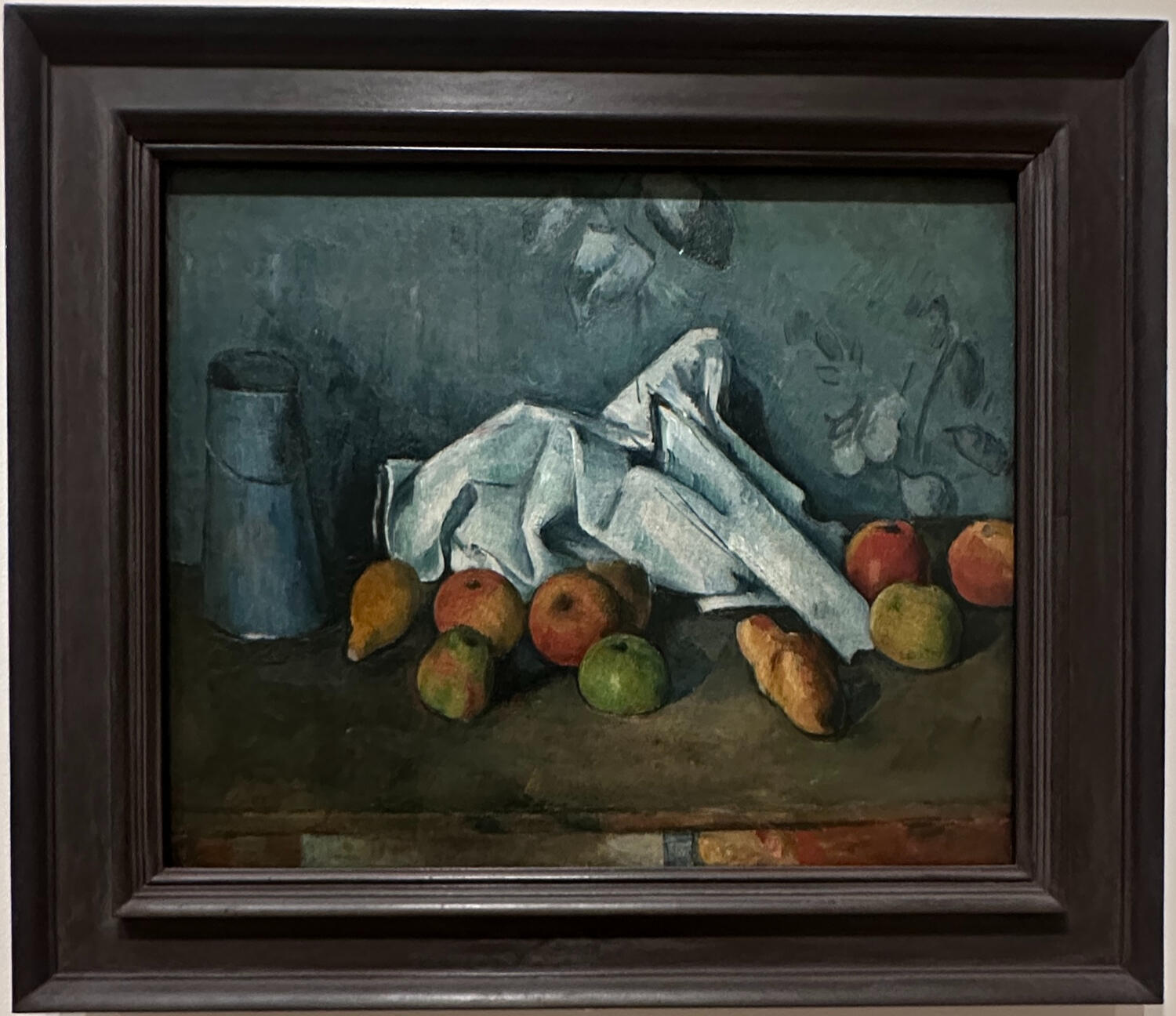
Milk can and Apples, 1879-80
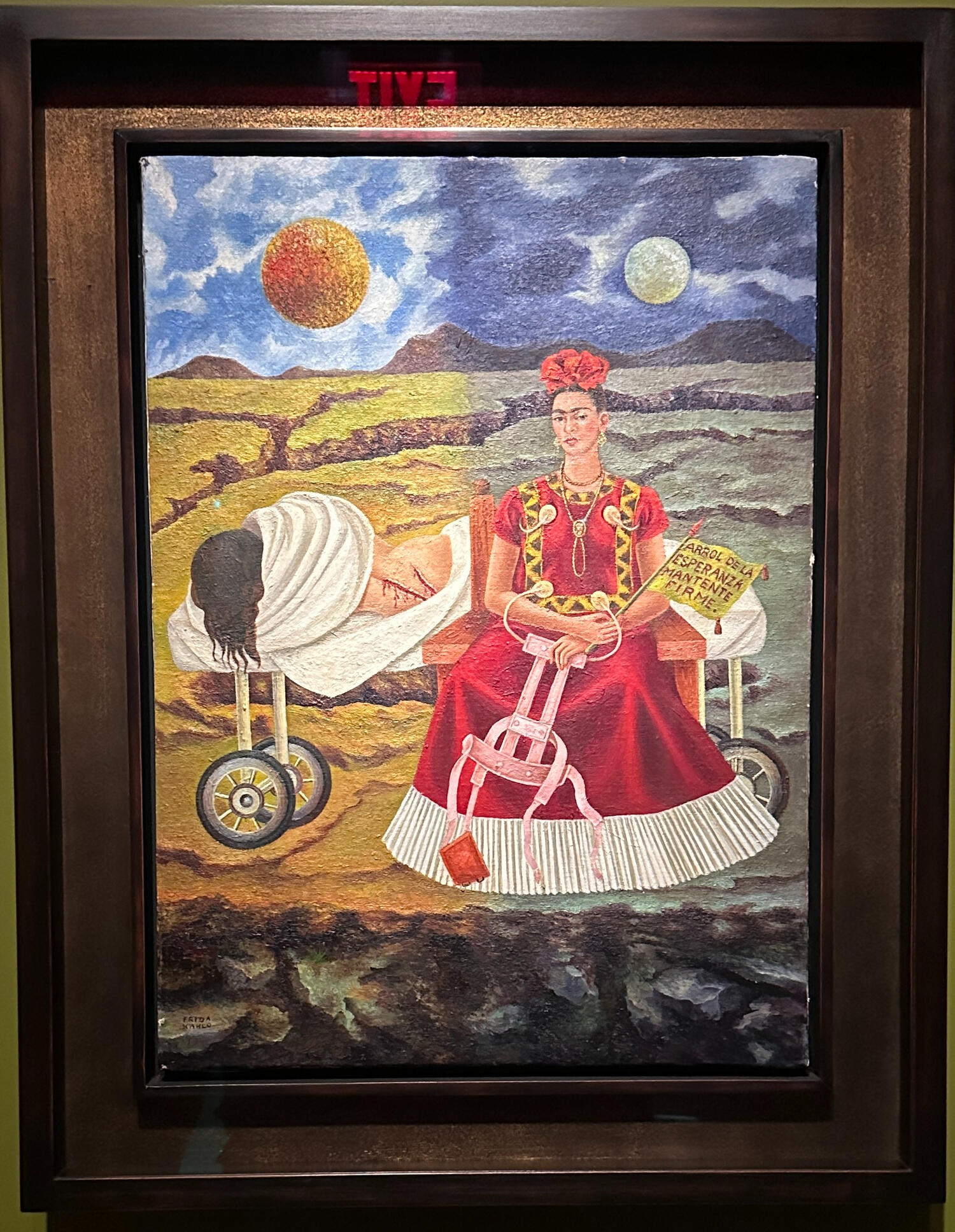
Frida Kahlo (1907-1954)
Tree of Hope, Remain Strong, 1946
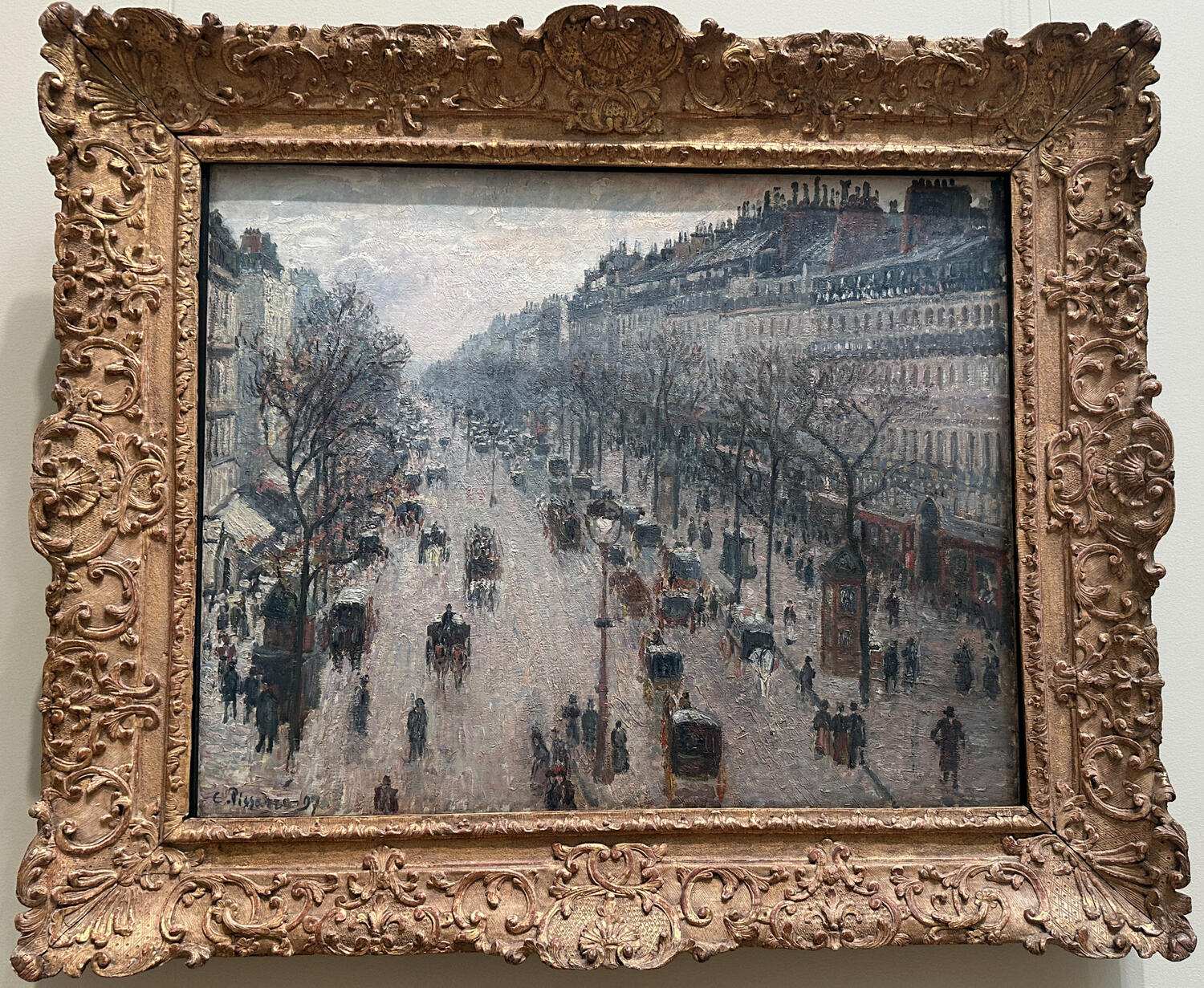
Camille Pissarro (1830-1903)
The Boulevard Montmartre on a Winter Morning, 1897
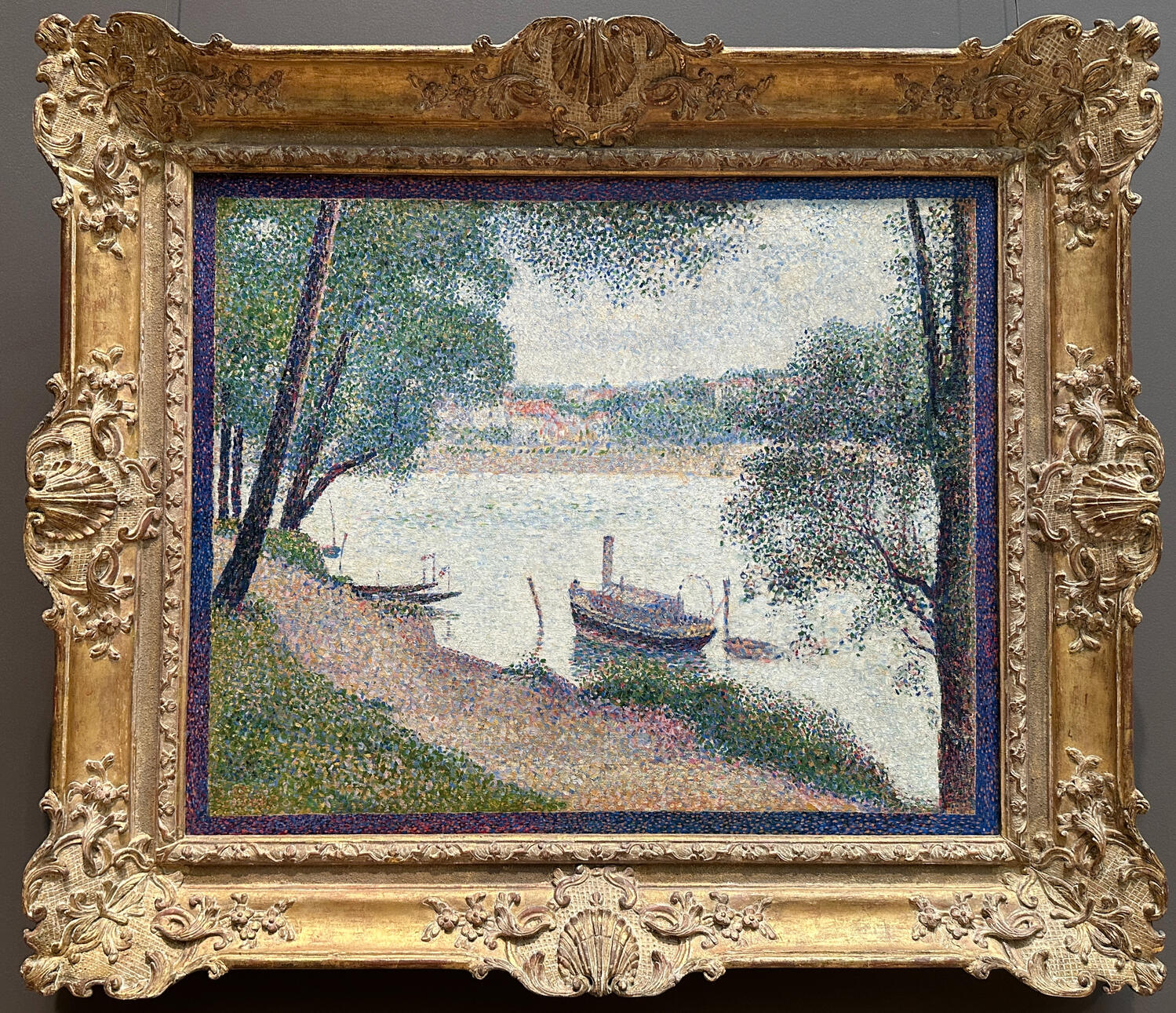
Georges Seurat (1859-1891)
Gray Weather, Grande Jatte, ca. 1886-88
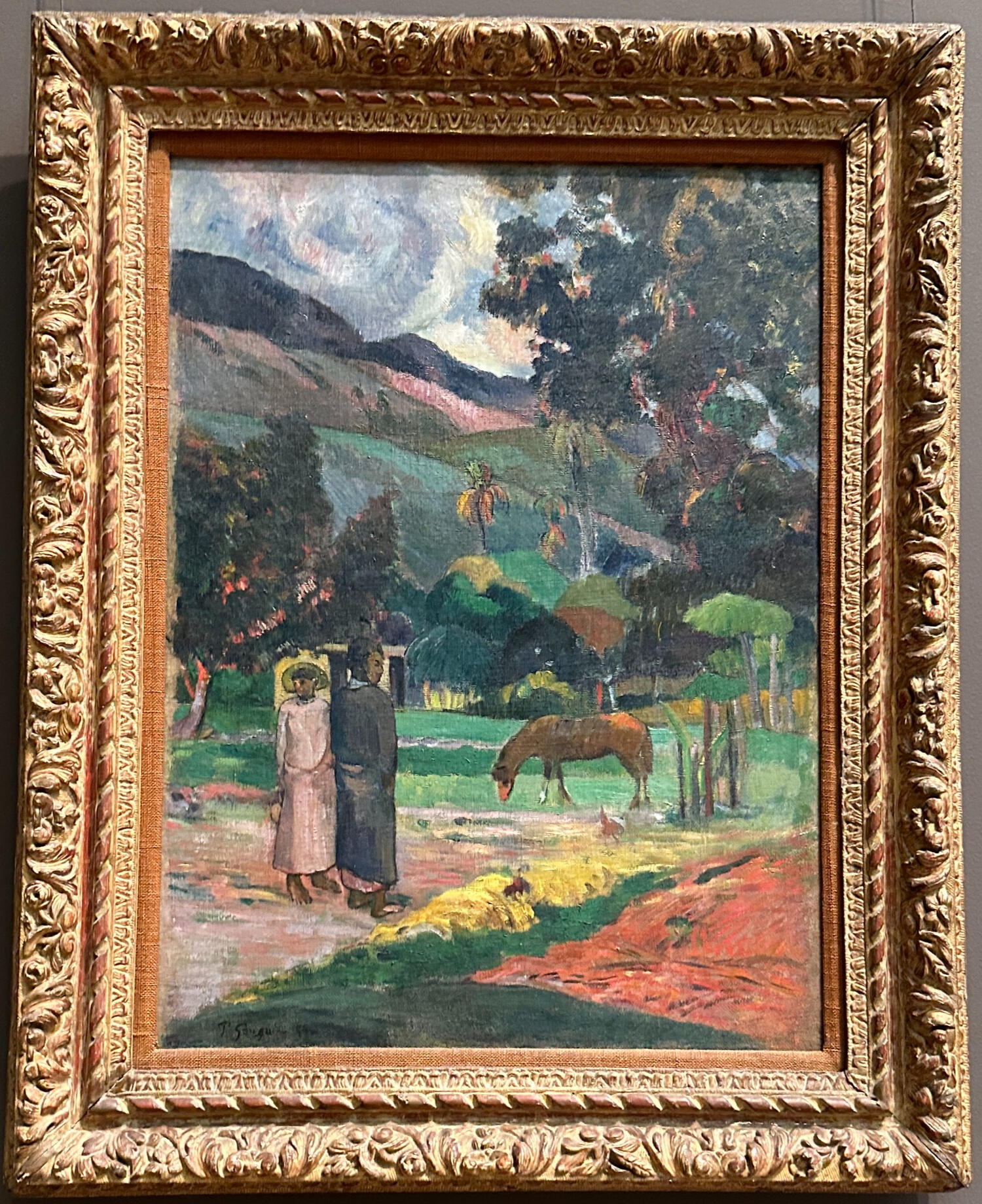

Paul Gauguin (1848-1903)
Tahitian Landscape, 1892
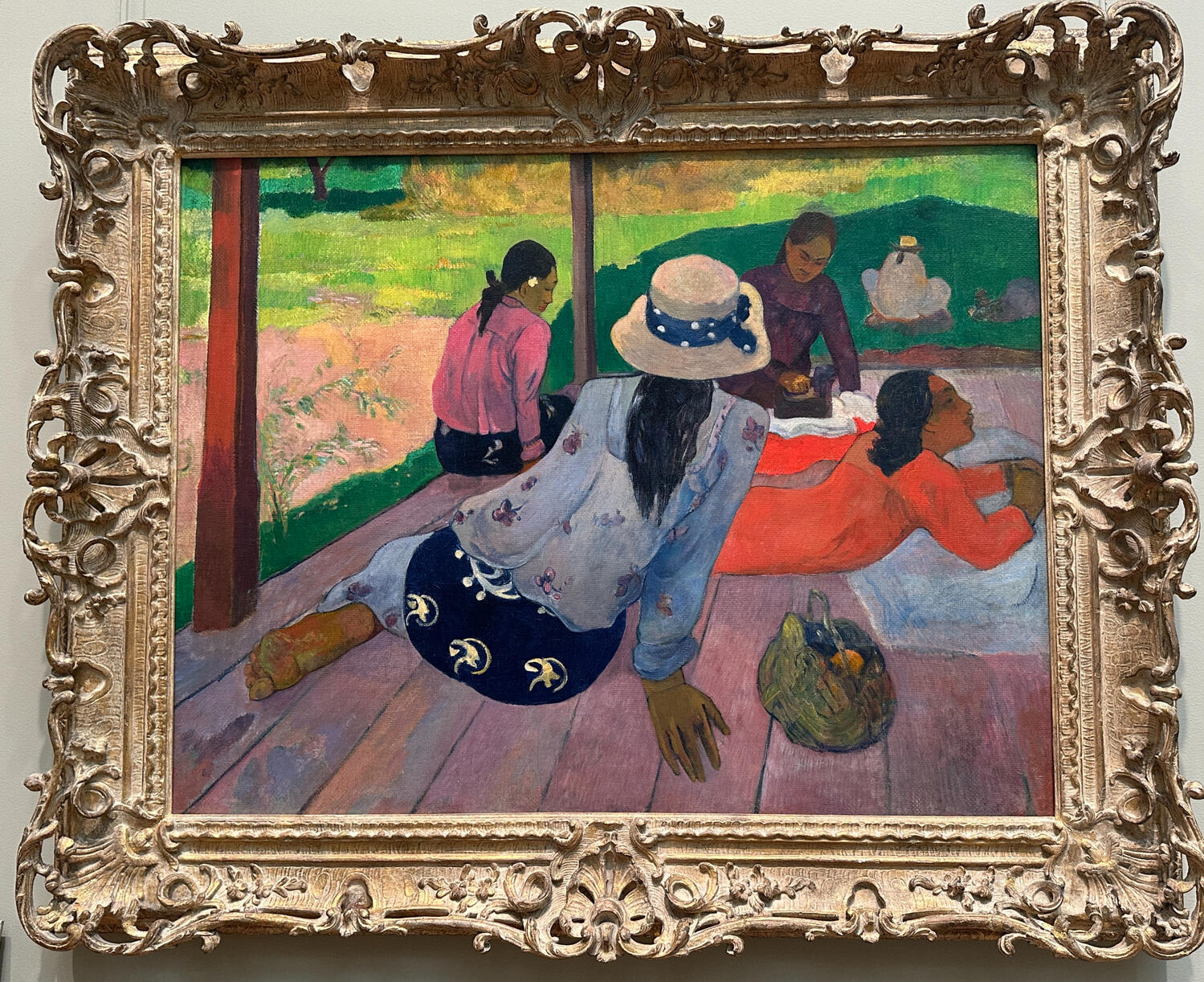

Paul Gauguin (1848-1903)
Two Women, 1901 or 1902
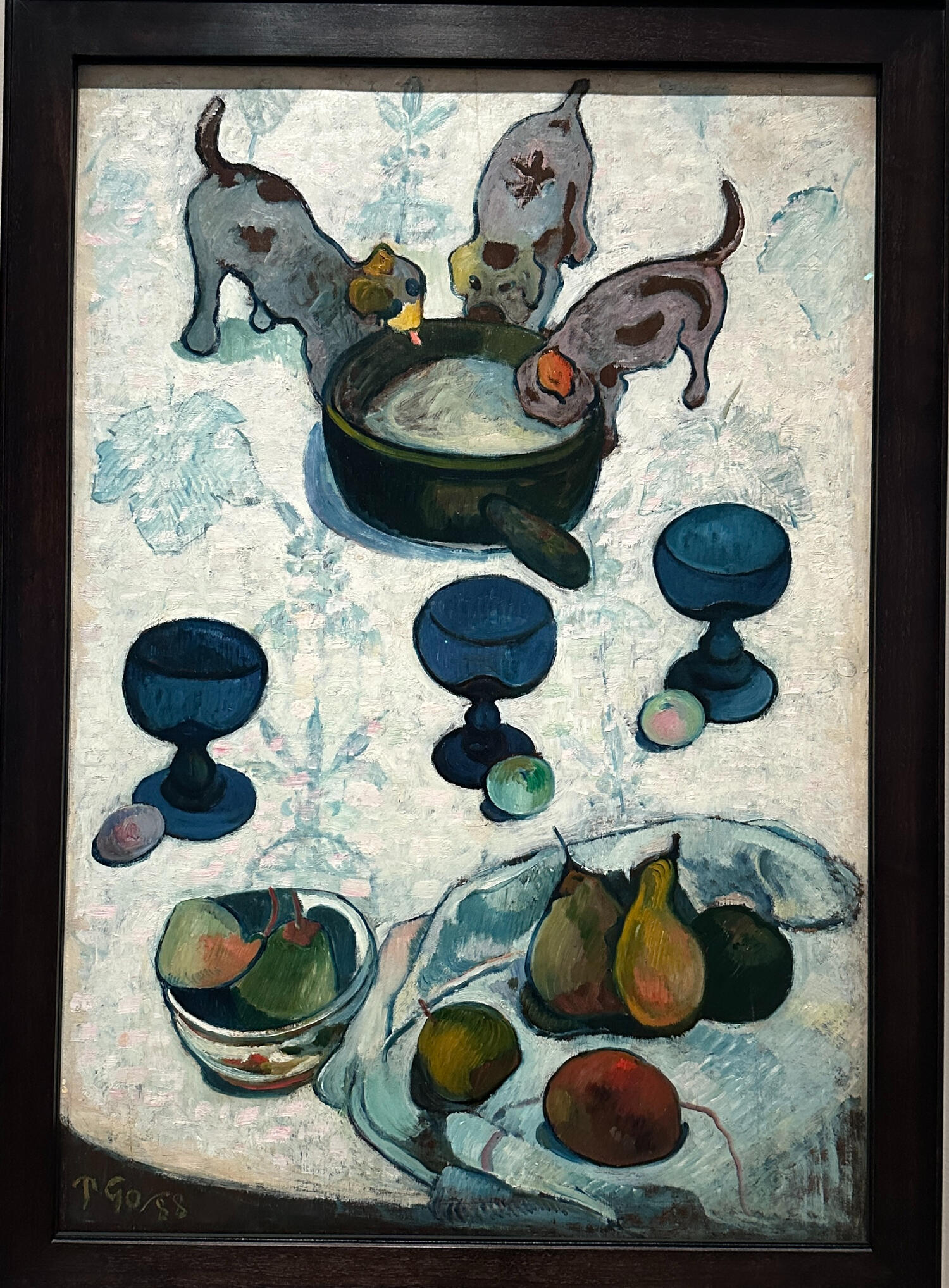

Paul Gauguin (1848-1903)
Still Life with Three Puppies, 1888
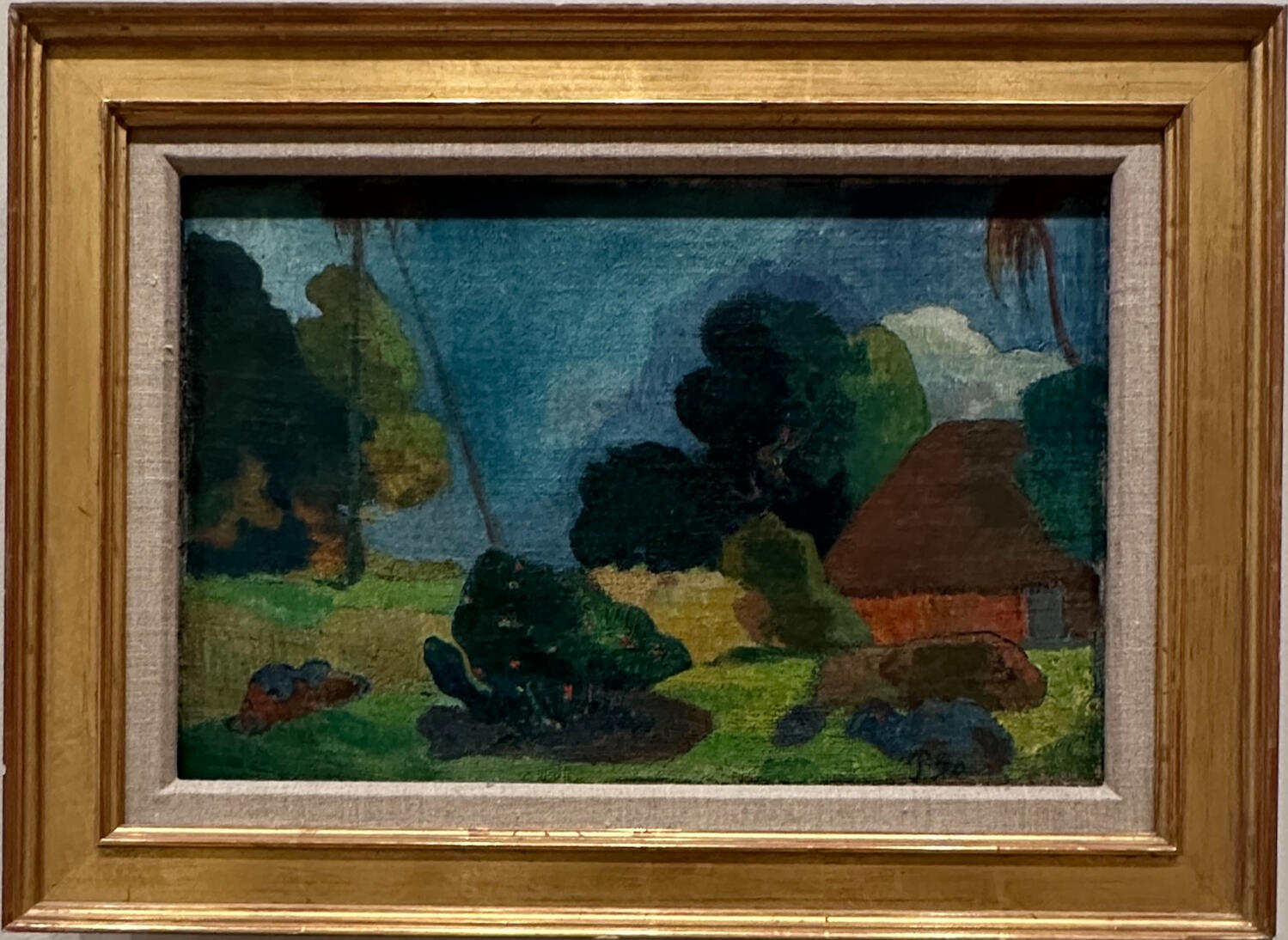

Paul Gauguin (1848-1903)
Tahitian Landscape, 1899
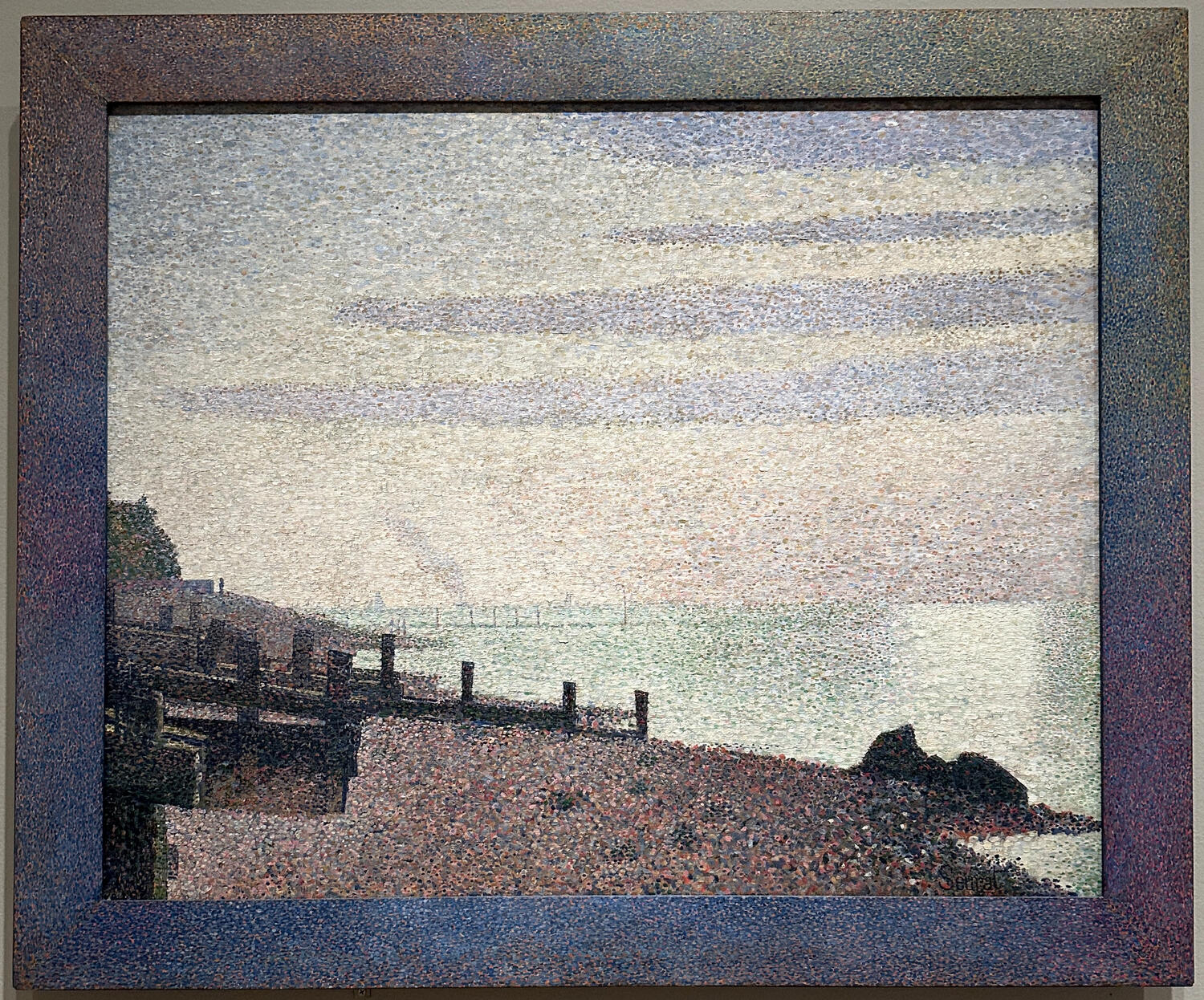

Georges Seurat (1859-1891)
Evening, Honfleur, 1886
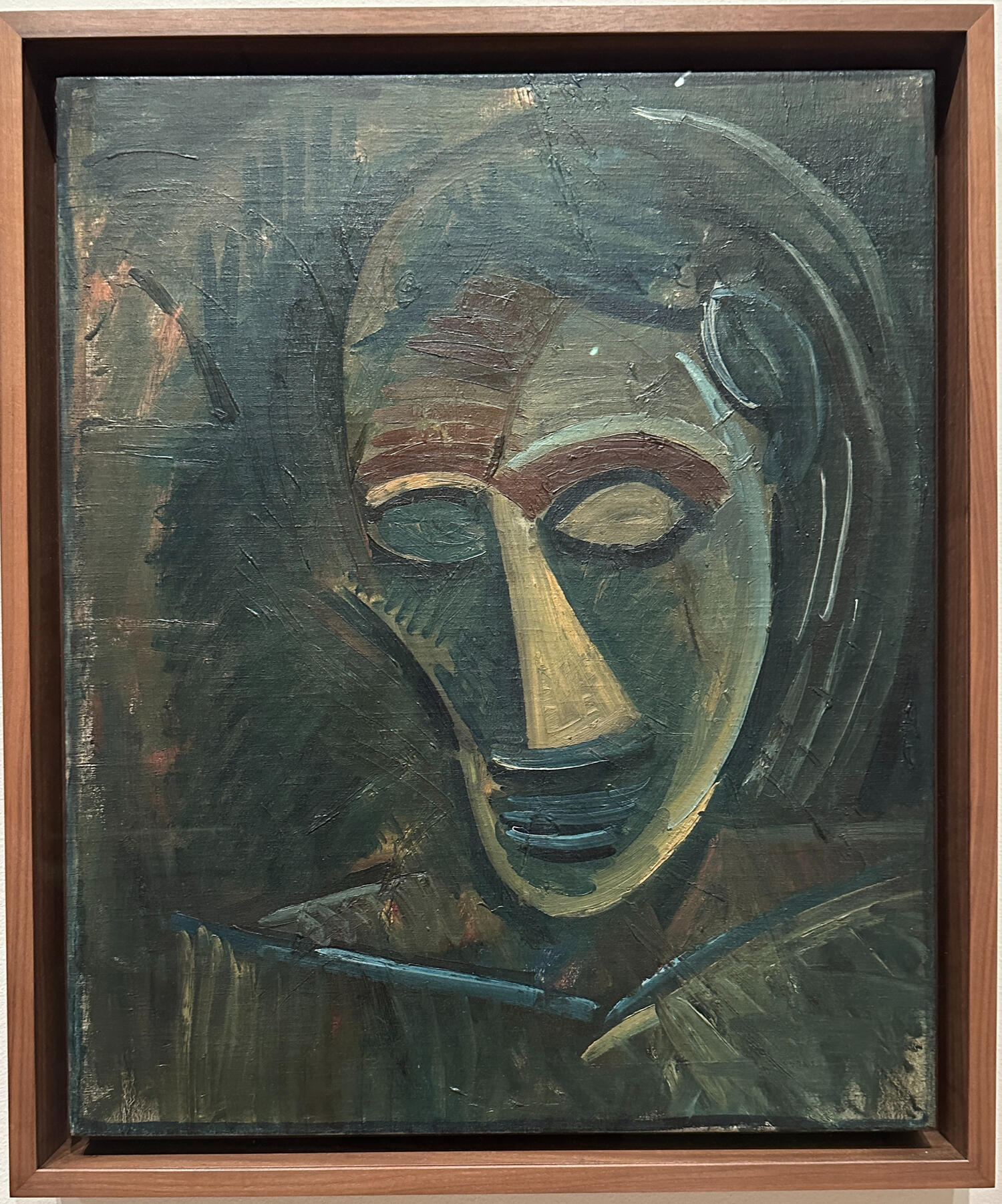

Pablo Picasso (1881-1973)
Woman's Head, 1908
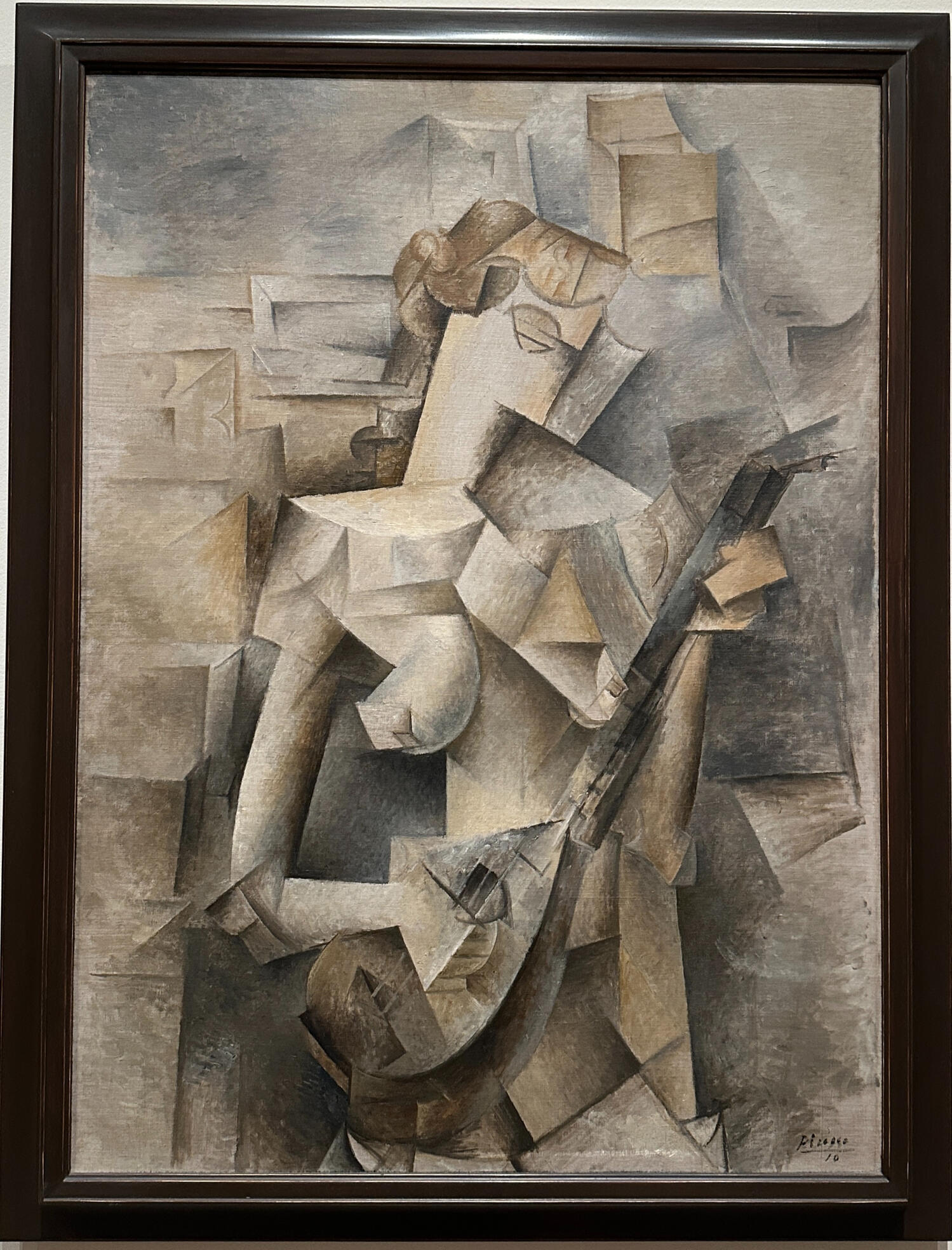

Pablo Picasso (1881-1973)
Girl with a Mandolin (Fanny Tellier), 1910
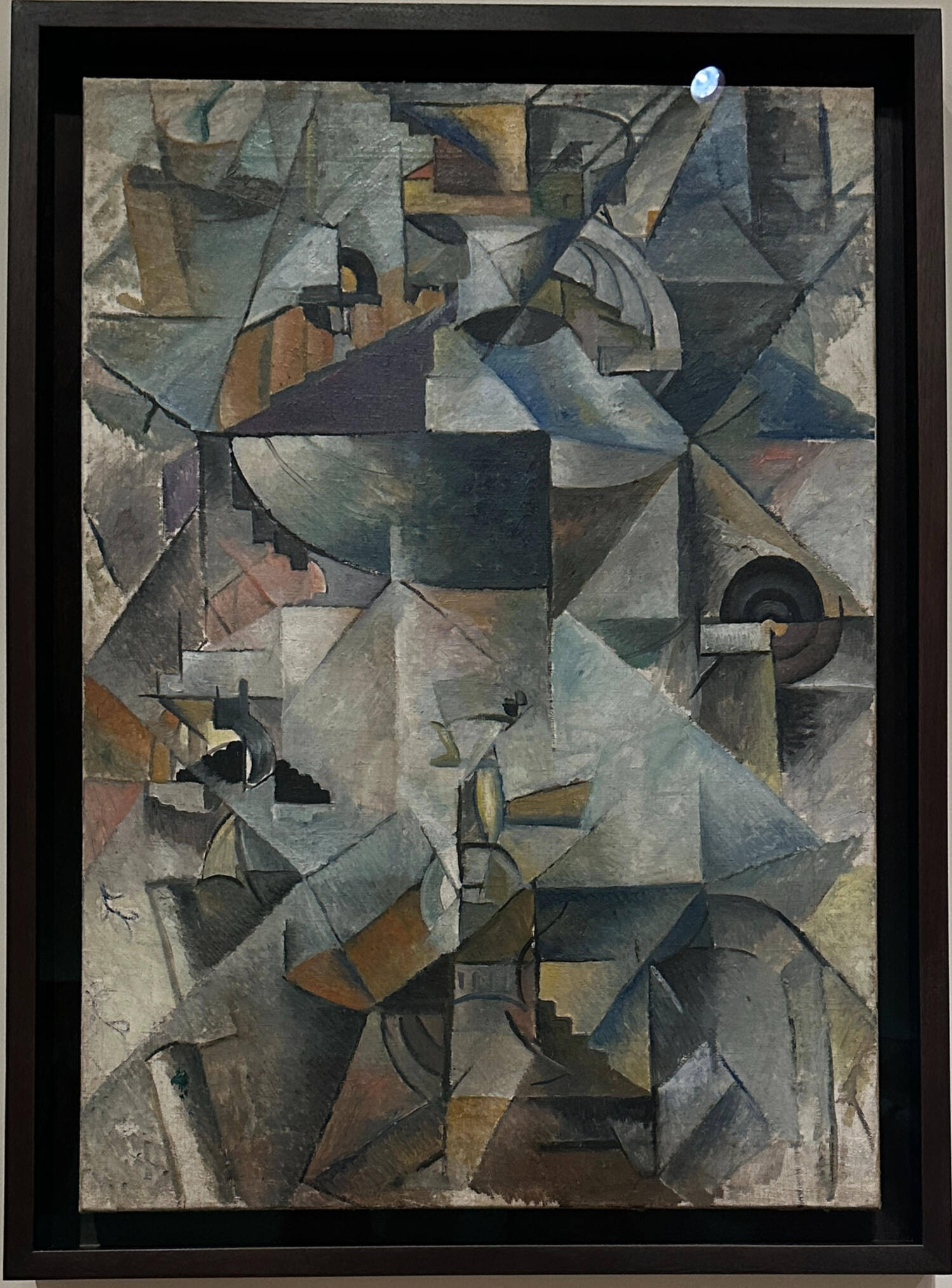

Georges Braque (1882-1963)
Man with a Guitar, 1911-12
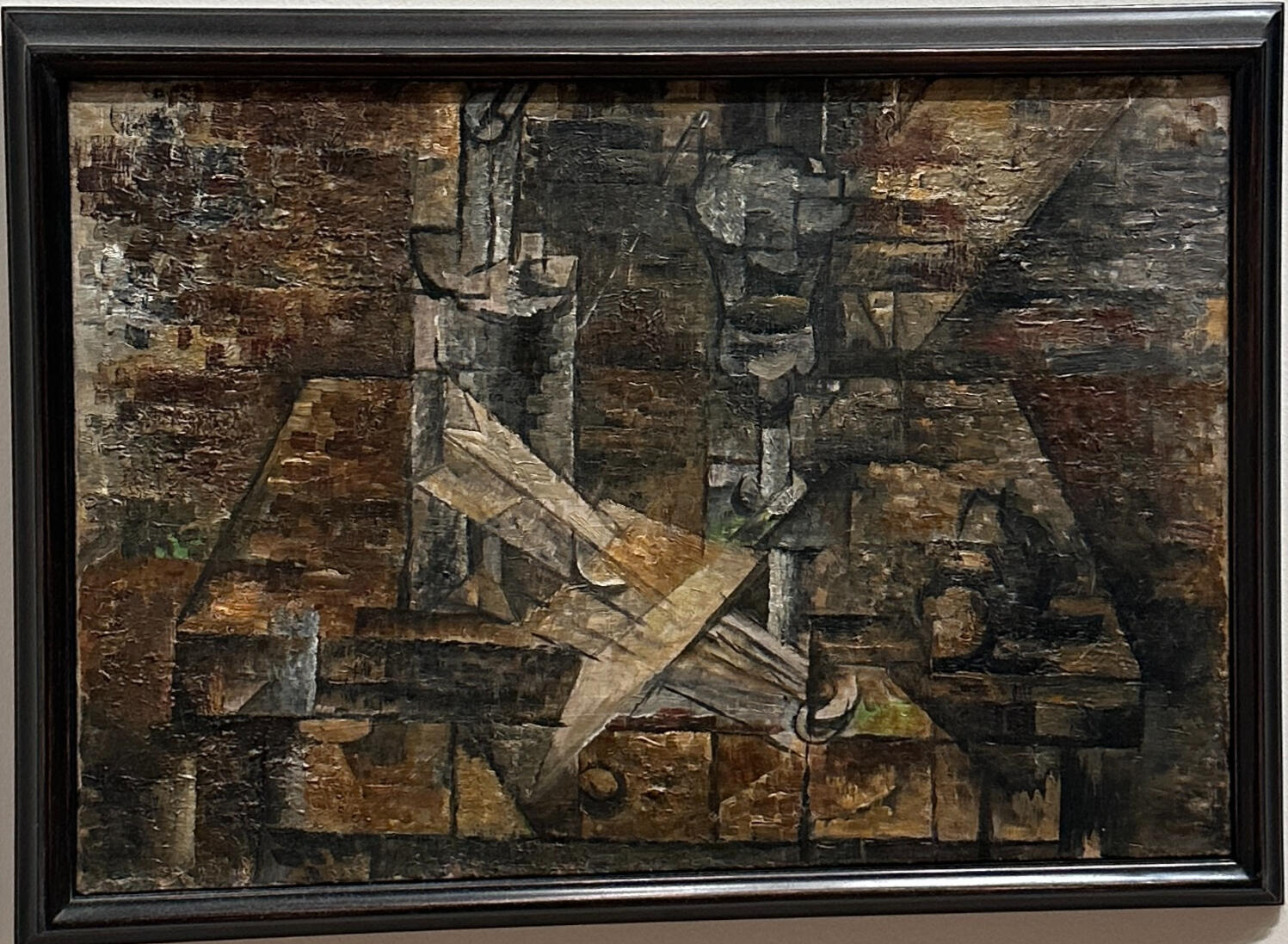

Georges Braque (1882-1963)
The Table (Still life with a Fan), 1910
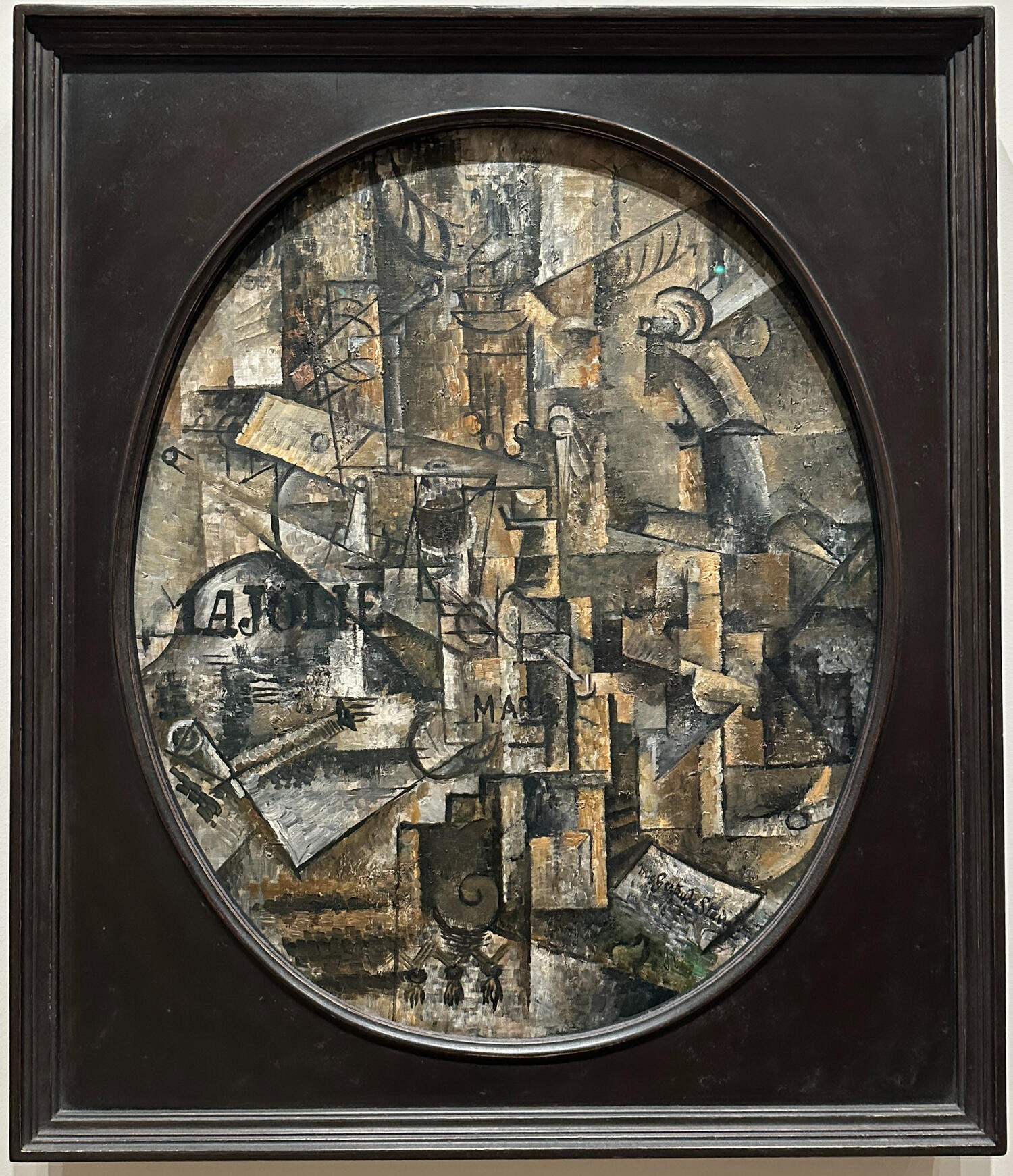

Pablo Picasso (1881-1973)
The Architect's Table, 1912
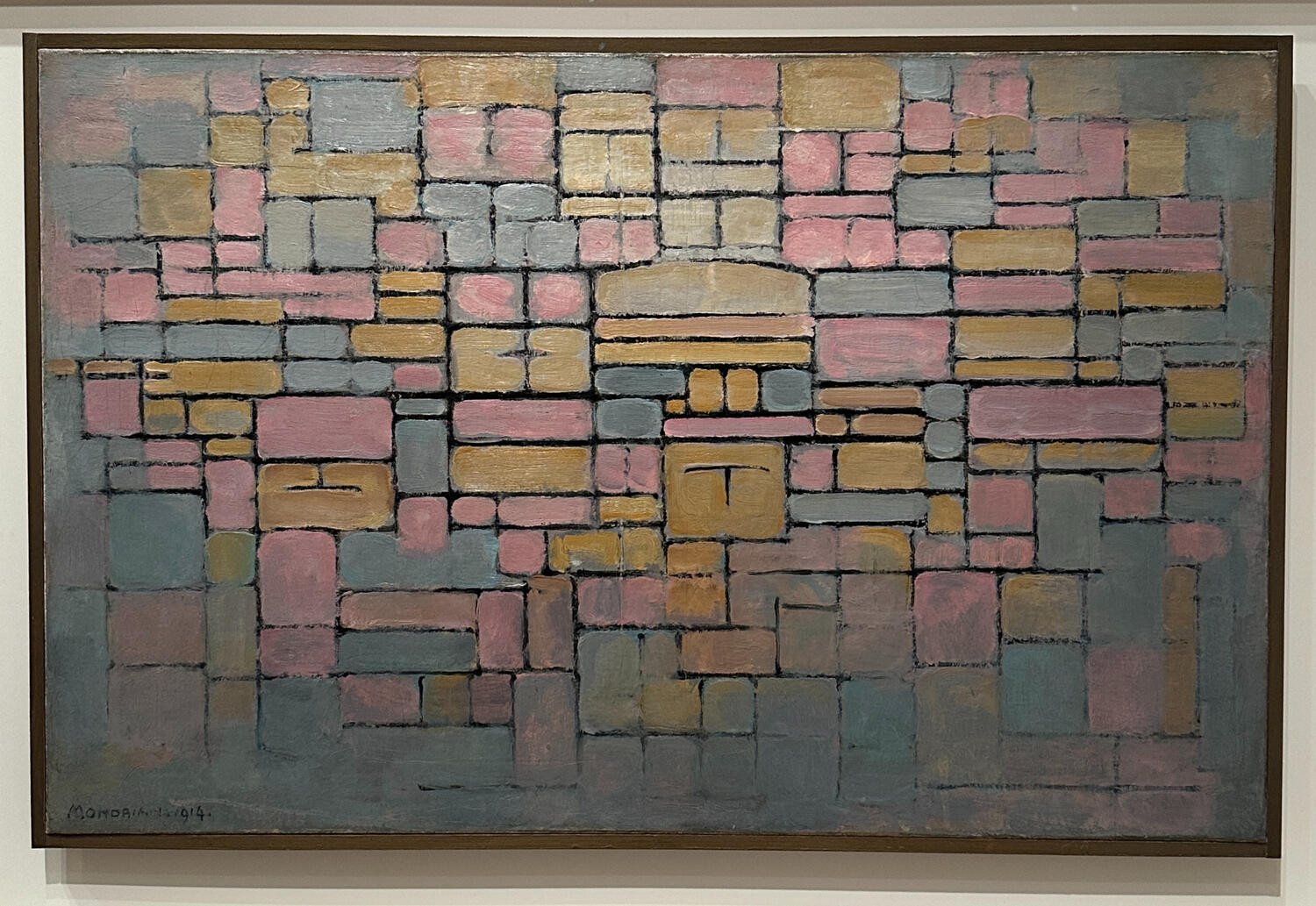

Piet Mondrian (1872-1944)
Tableau no.2 / Composition no. V, 1914
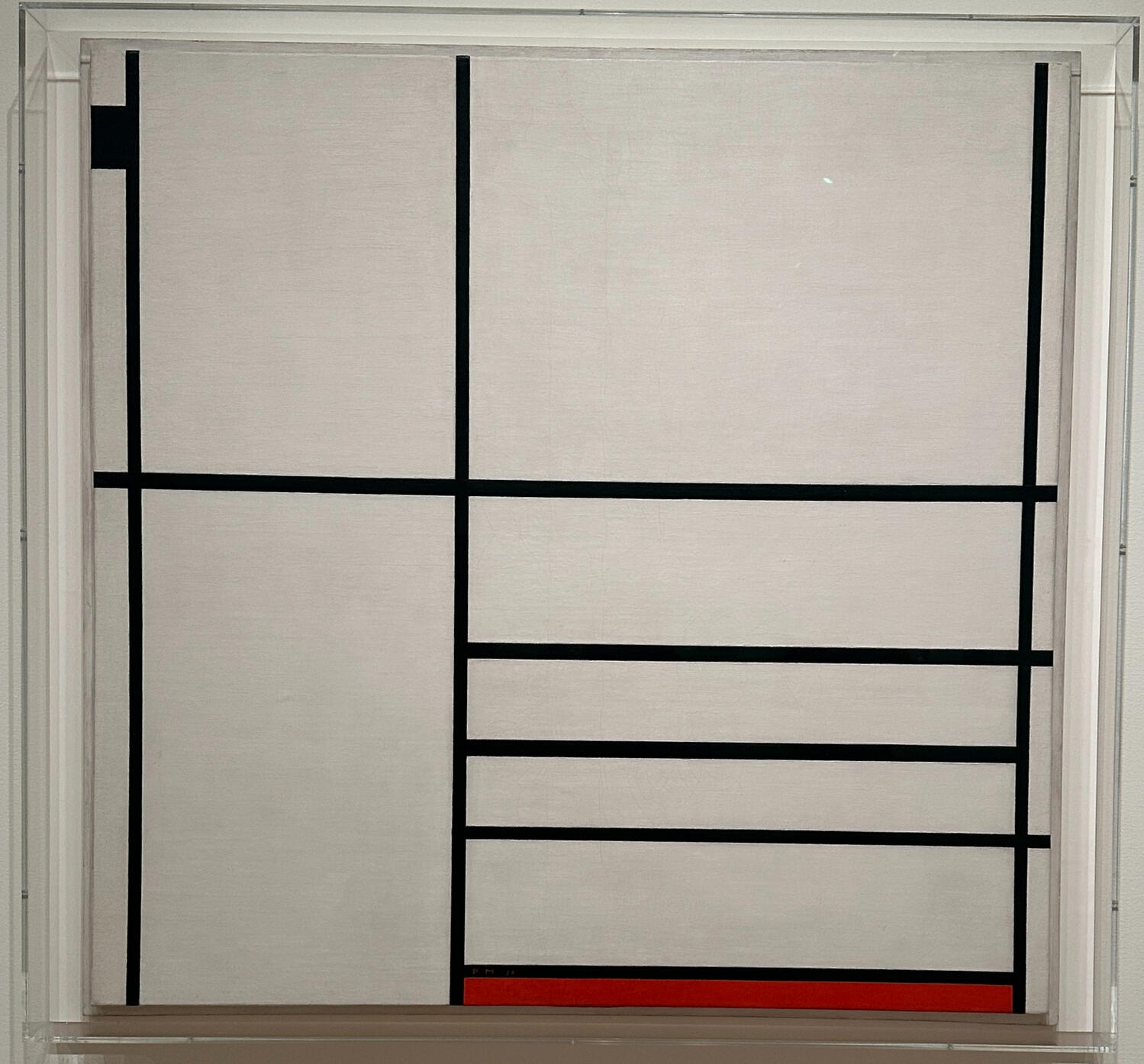
Piet Mondrian (1872-1944)
Composition in White, Black, and Red, 1936
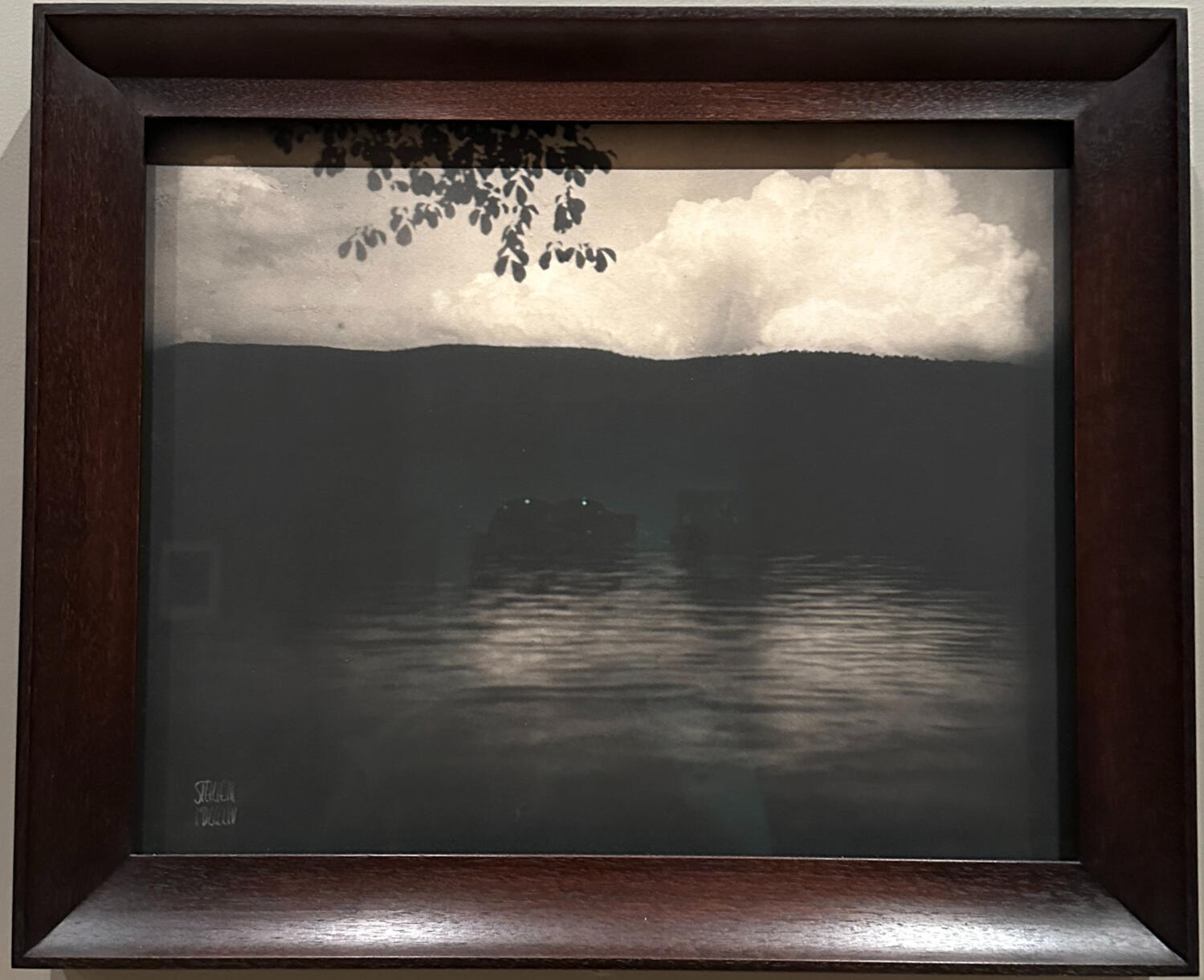

Edward Steichen (1879-1973)
The Big White Cloud, 1903
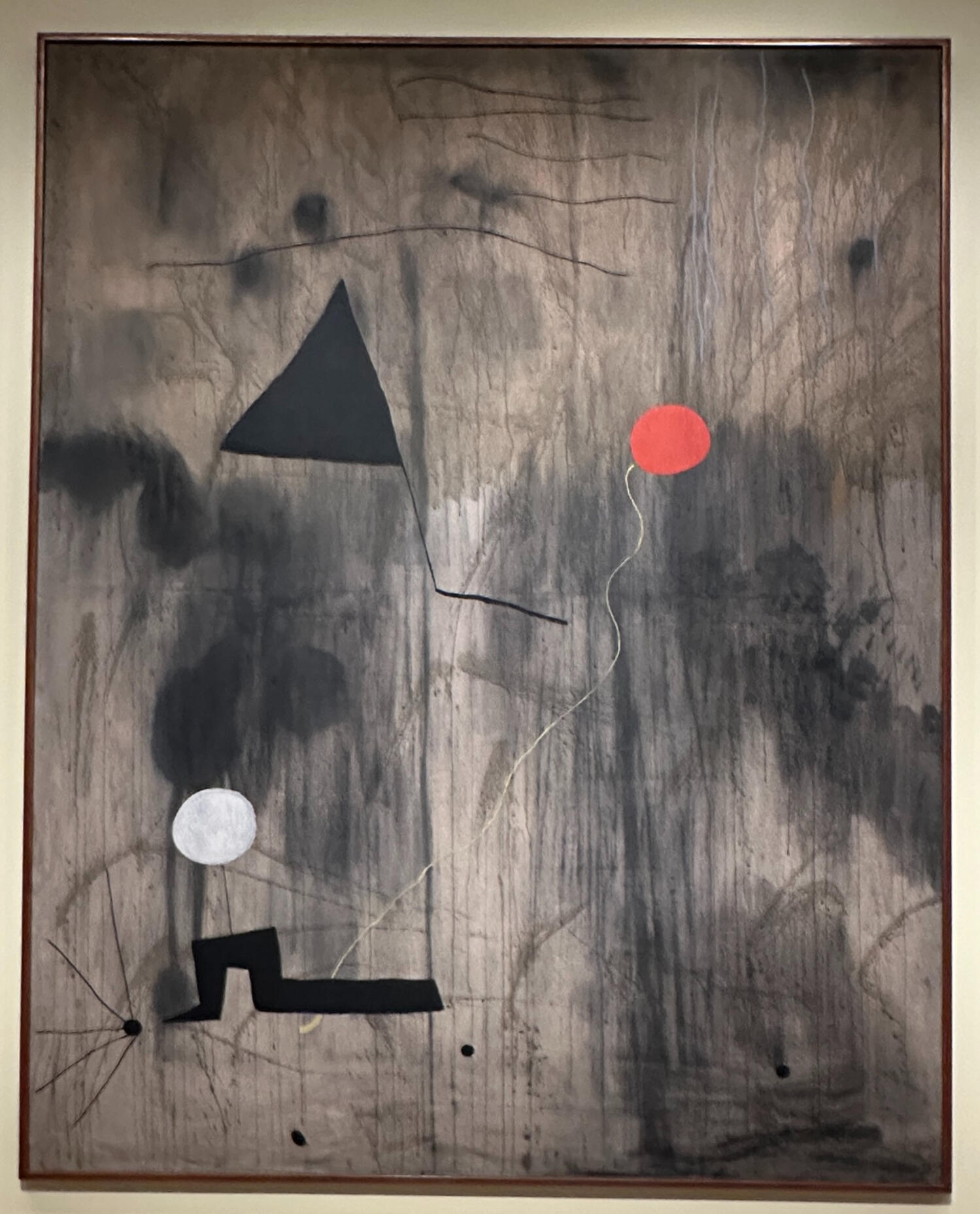

Joan Miró (1893-1983)
The Birth of the World, 1925
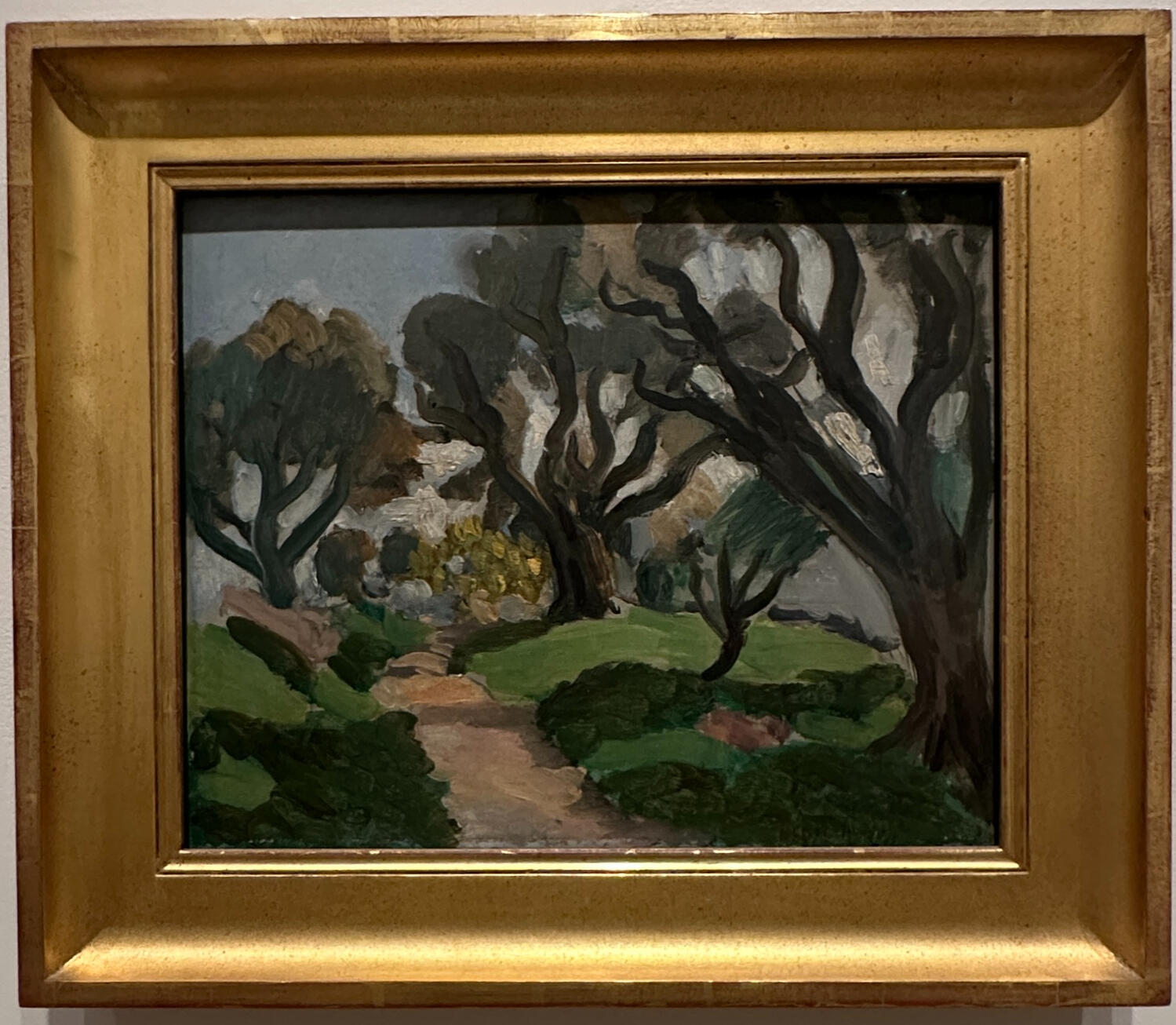

Henri Matisse (1869-1954)
Landscape, 1918
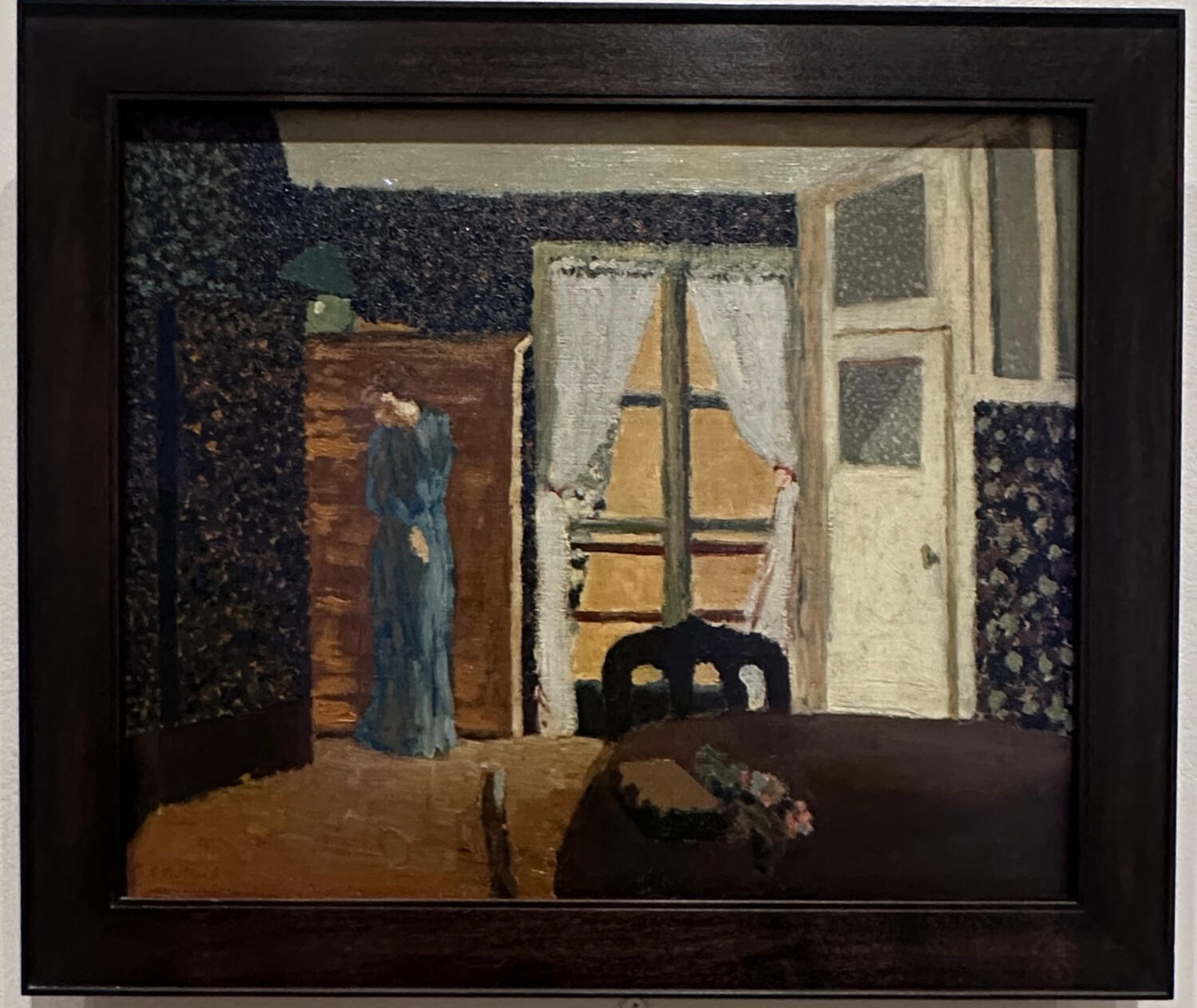

Édouard Vulliard (1868-1940)
The Window, 1894
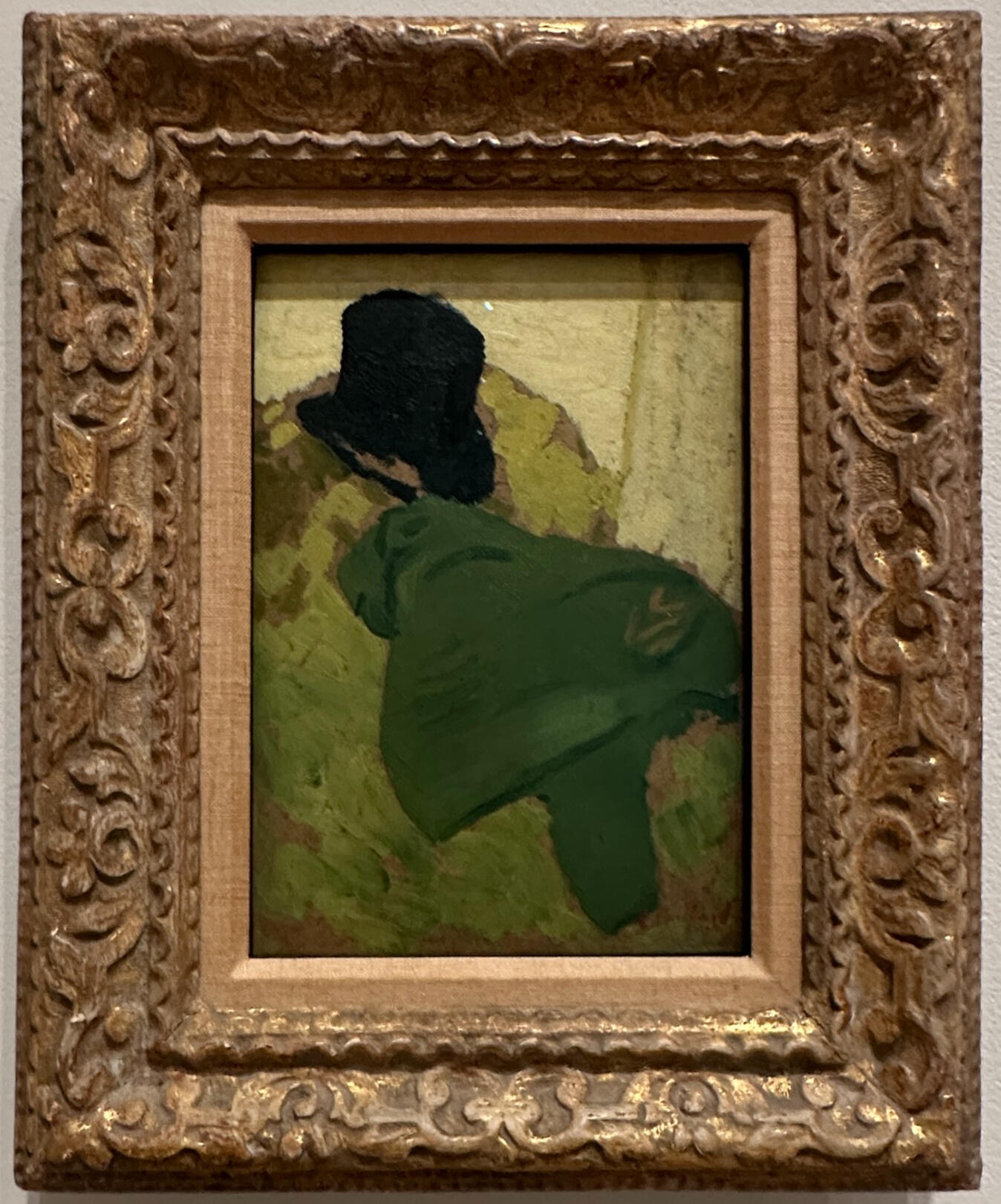

Édouard Vulliard (1868-1940)
Still Life in Top Hat, 1893
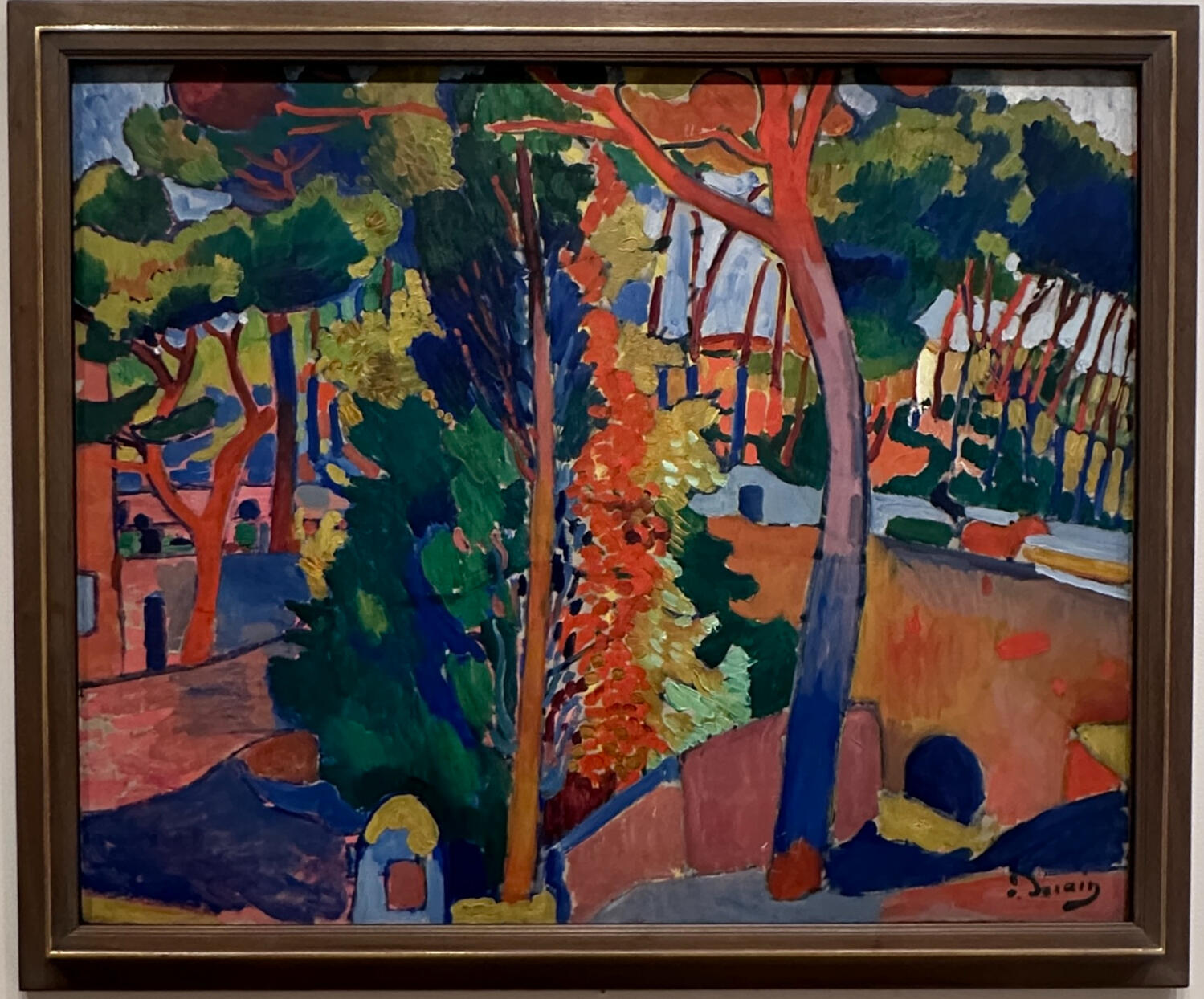

André Derain (1880-1954)
Bridge over the Riou, 1906
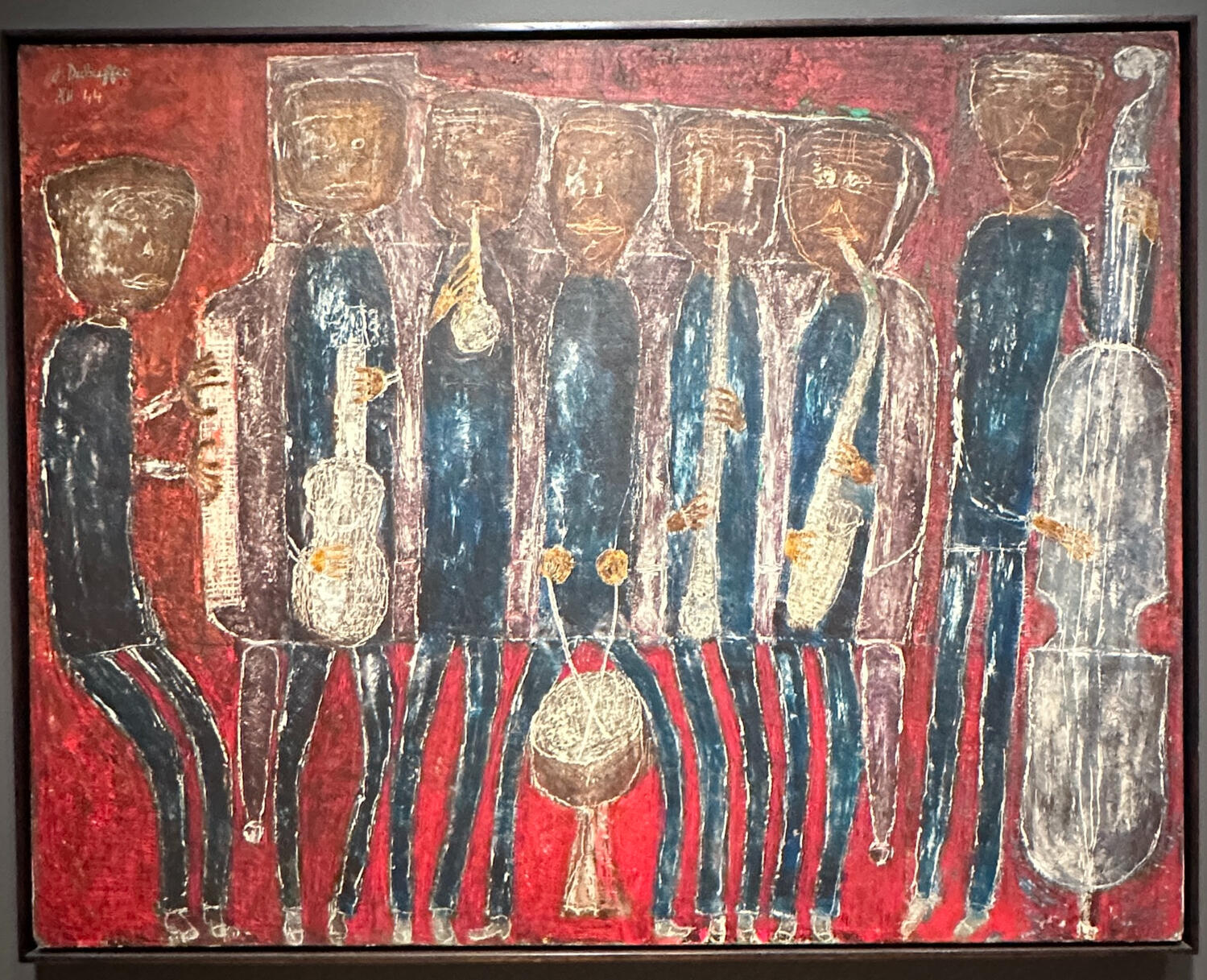

Jean Dubuffet (1901-1985)
Grand Jazz Band (New Orleans), 1944
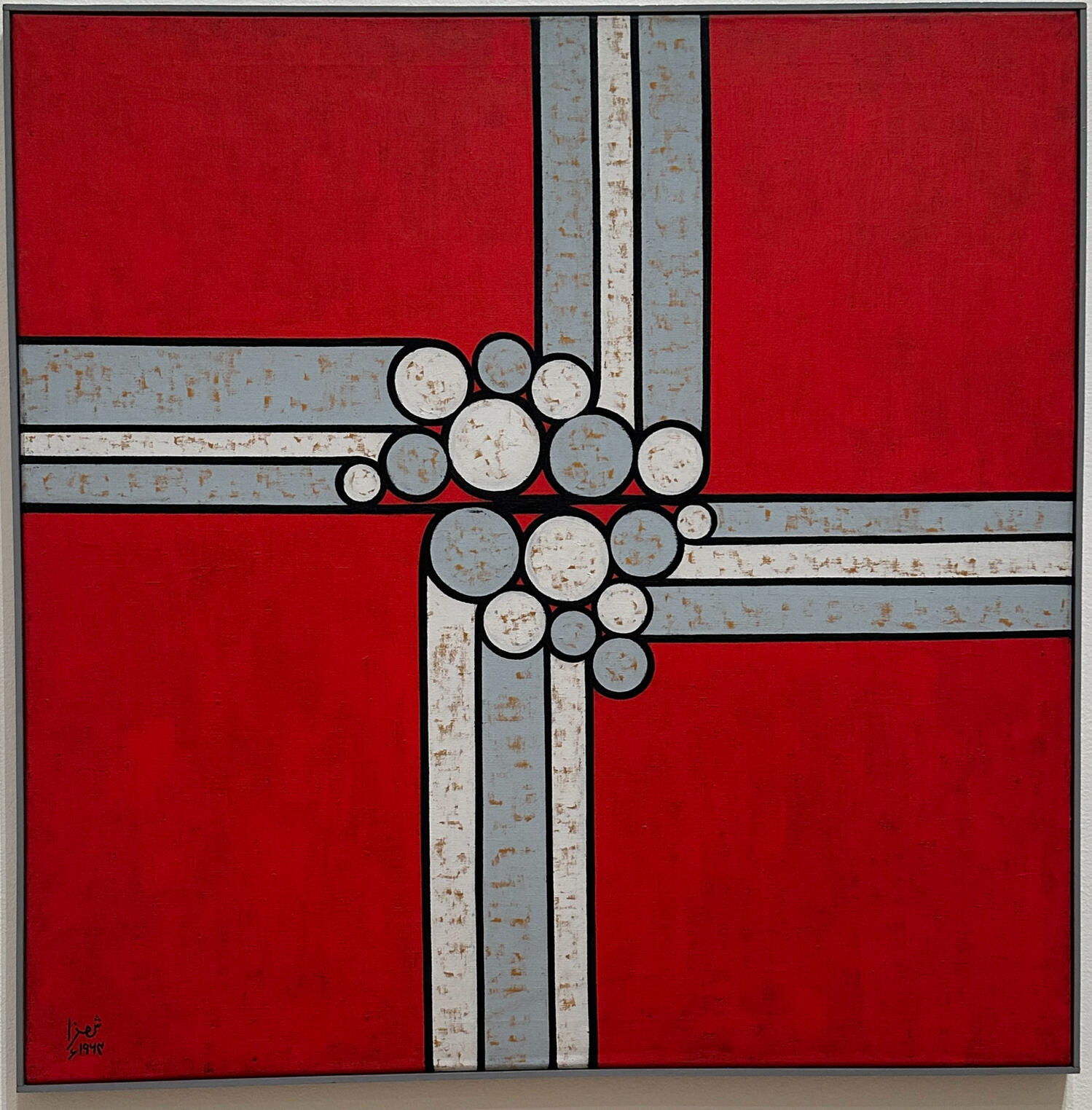

Anwar Jalal Shemza (1928-1985)
Meem, 1964
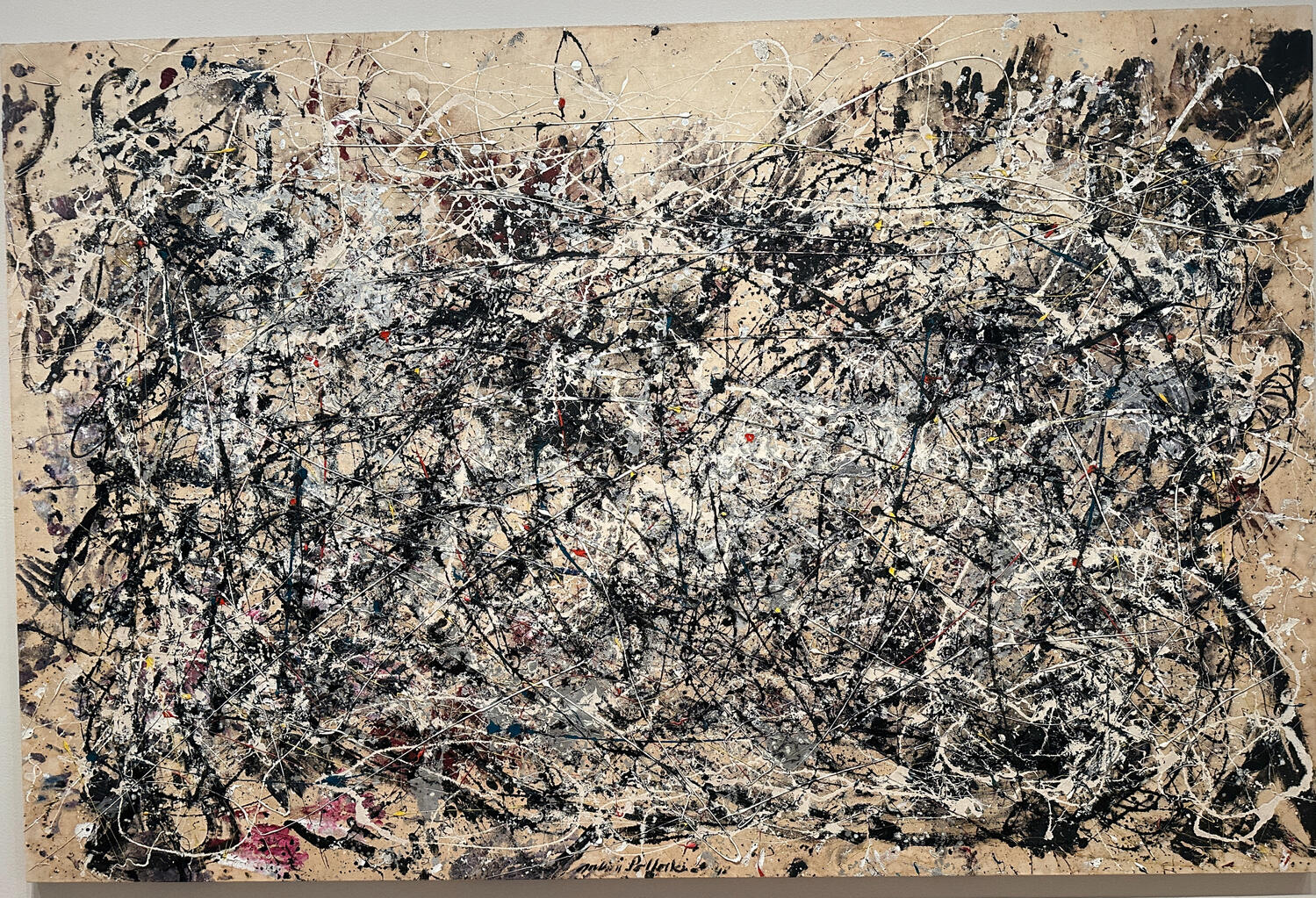

Jackson Pollock (1912-1956)
Number 1A, 1948
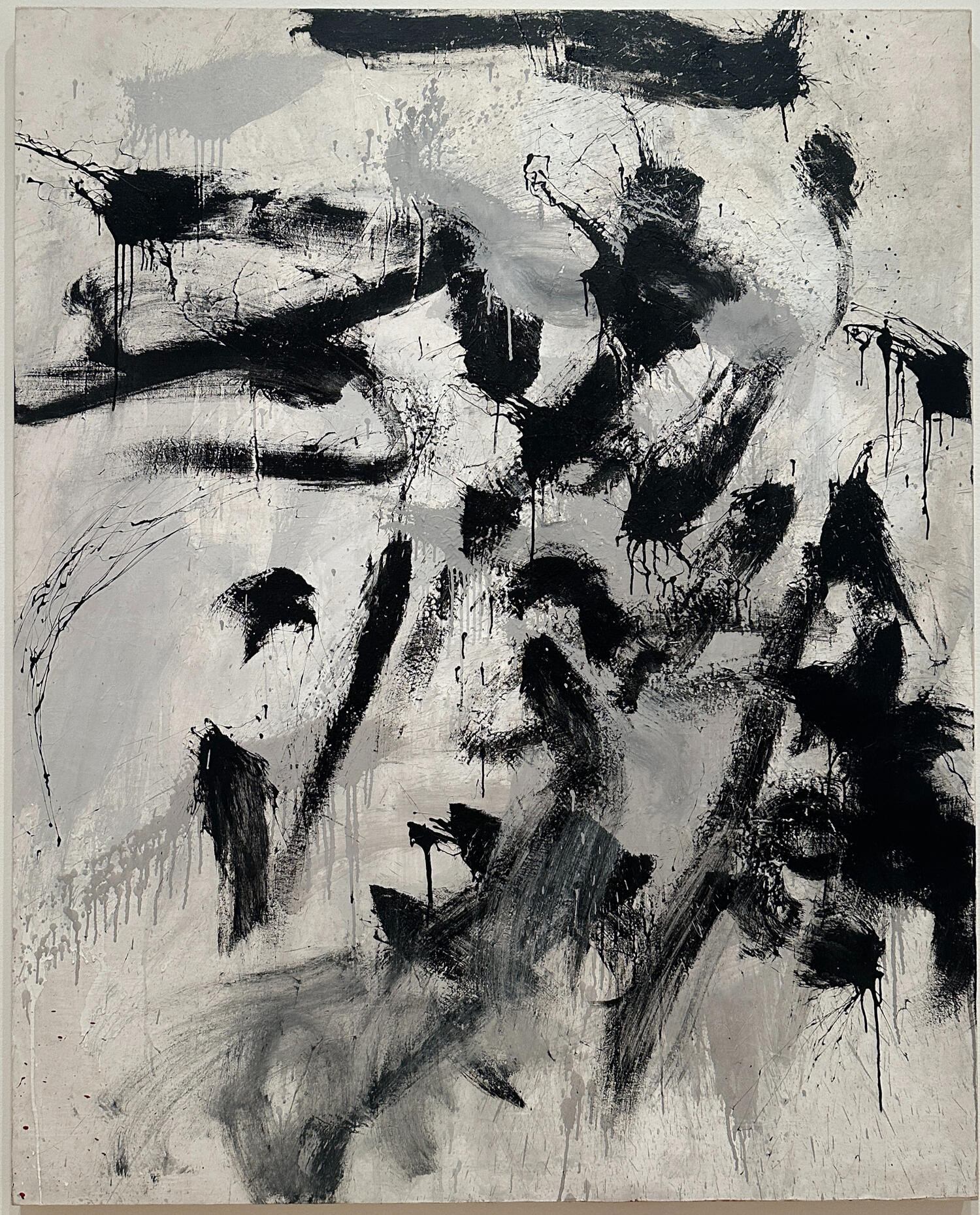

Saburo Murakami (1925-1996)
Work, 1959